
What to do if you get sick? How to find a hospital with foreign language support & a guide to seeking medical treatment.
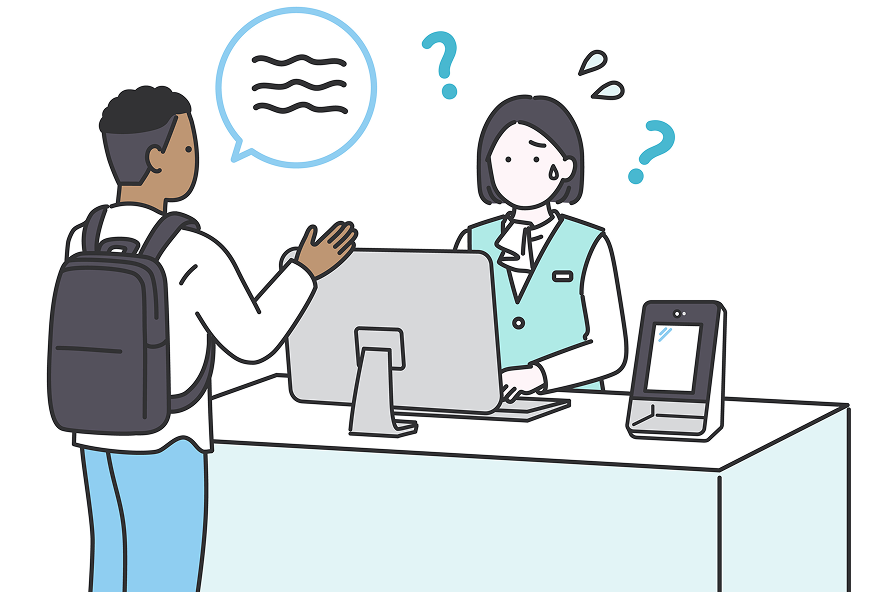
Living in Japan as a foreigner comes with its own set of challenges, and one of the biggest concerns is knowing whether you can find a hospital where the staff speak your language when you get sick or injured. Japan’s healthcare system may be very different from the one in your home country, and explaining your symptoms accurately in Japanese can be difficult. As a result, some foreign residents avoid seeking medical attention even when they need it. In this article, we’ll explain how to find hospitals and clinics that offer services in foreign languages, as well as the essential things you should know before visiting a hospital in Japan, so you can feel more confident about getting medical care when you need it.
1. How Is Japan’s Healthcare System Different from Your Home Country?
In many countries, such as the UK, the US, and Australia, patients generally visit a GP (General Practitioner) or primary care doctor first, who then refers them to a specialist if necessary. However, Japan has a system known as "free access," which allows patients to choose which medical institution or specialist they want to visit.
-
Choose the appropriate medical department yourself
If you have an eye problem, you can go directly to an ophthalmologist (eye doctor). If you have a cold or stomach pain, you can visit an internal medicine clinic. For skin problems, you can see a dermatologist without needing a referral.
-
Start with a local clinic rather than a large hospital
If you visit a large general hospital or university hospital without a referral letter, you may be charged an additional special consultation fee (called sentei ryōyōhi or 選定療養費), which can range from several thousand yen to over ¥10,000, on top of your regular medical expenses. For this reason, it's generally best to visit a nearby clinic first rather than going directly to a large hospital.
2. Three Ways to Find English-Speaking and Multilingual Hospitals in Japan
If you're concerned about language barriers, it's a good idea to search for hospitals and clinics that offer services in your preferred language before visiting.
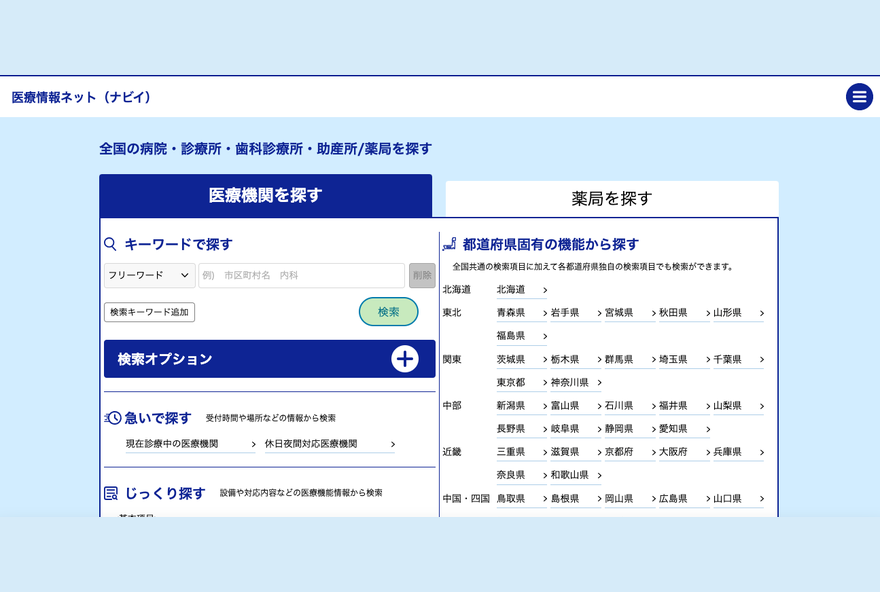
① Use Japan's Official Medical Search Website: Medical Information Net (NAVII)
The Ministry of Health, Labour and Welfare operates a nationwide medical institution search website called Medical Information Net (NABII).
The website is available in multiple languages, including English, Chinese, and Korean, and allows users to search for medical institutions that provide foreign-language support.
Medical Information Network (Navii)
Official Website
② Check Prefectural International Associations and Local Government Medical Guides
Some local governments, especially those in areas with large foreign populations, provide their own multilingual medical information and hospital search services.
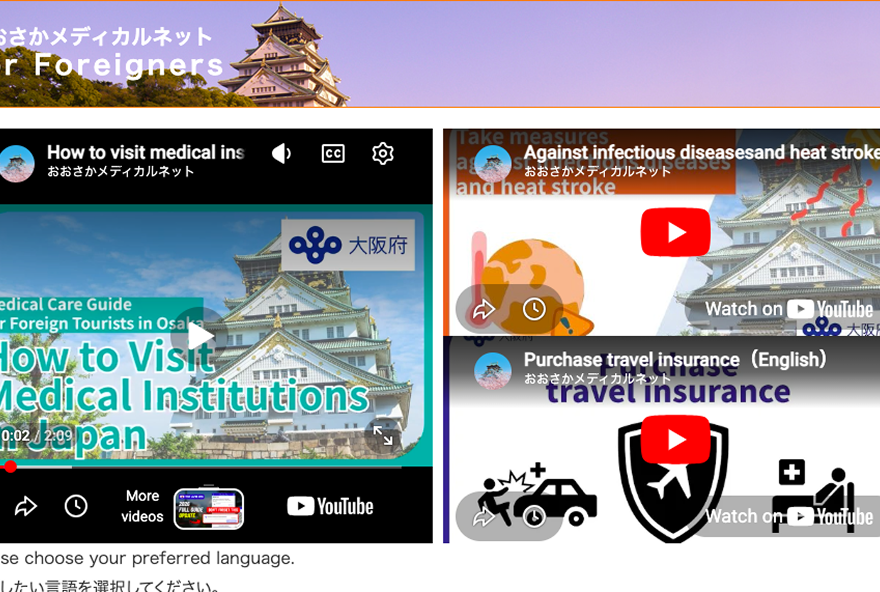
Osaka Medical Network
Official Website
Phone number
06-6941-0351
*You can also get a list of nearby hospitals that offer English-language services from the "International Exchange Office" at your local city or ward office.
③ Use Healthcare Support Websites and Expat Communities
Private organizations such as Japan Healthcare Info (JHI) provide healthcare-related information and assistance for foreign residents in Japan. You can also find helpful recommendations through local international communities, expat forums, and social media groups where foreign residents share their experiences with hospitals and clinics.
Japan Healthcare Info(JHI)
Official Website
Business Hours
Monday to Friday, 9:00 AM - 5:00 PM (excluding public holidays)
3. Essential Things to Bring When Visiting a Hospital in Japan
Before visiting a hospital or clinic in Japan, make sure you have the following items prepared.
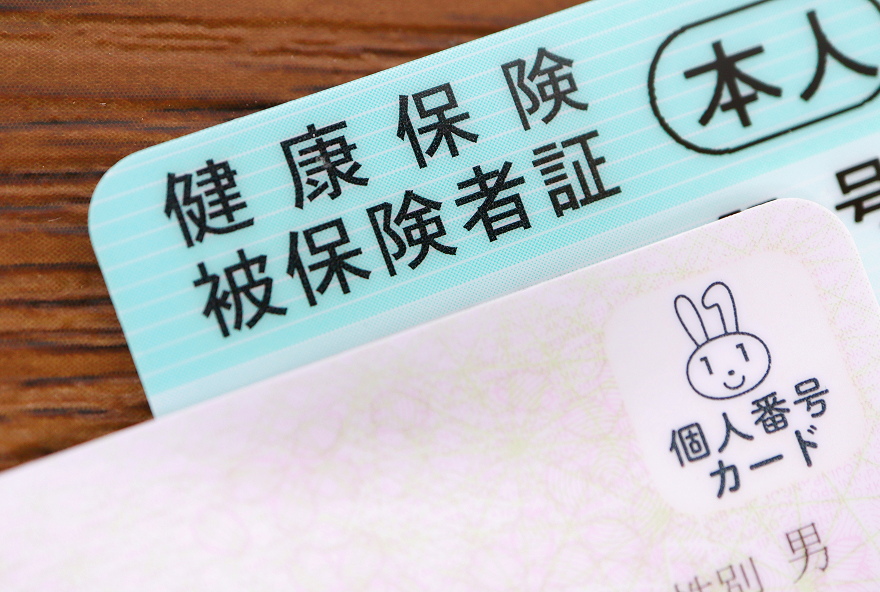
1. Health insurance card (or My Number Card registered for health insurance)
Without proof of valid health insurance coverage, you may be required to pay the full cost of your medical treatment upfront (100%), which can be very expensive. With valid health insurance, most adults generally pay only 30% of the total medical expenses.
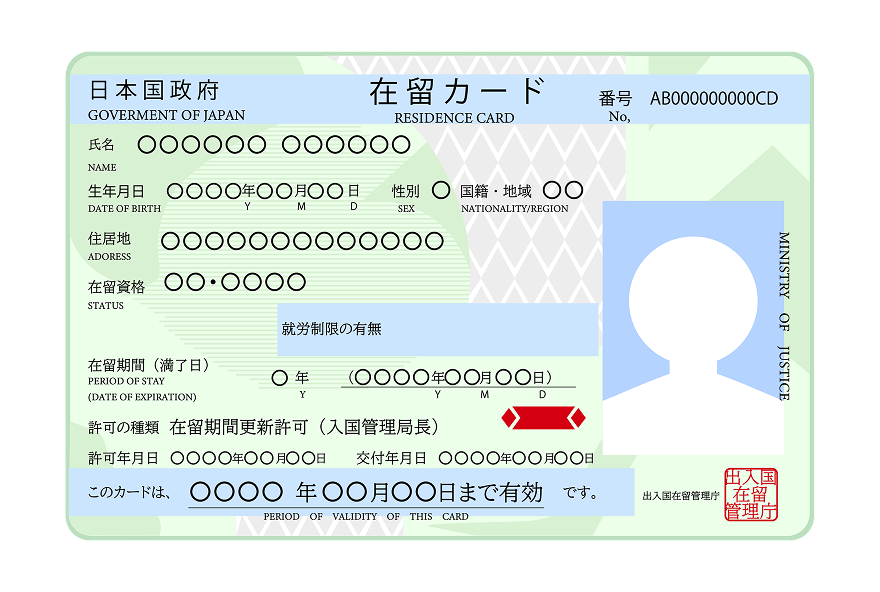
2. Residence Card (Zairyū Card)
You may be asked to present your Residence Card as a form of identification.
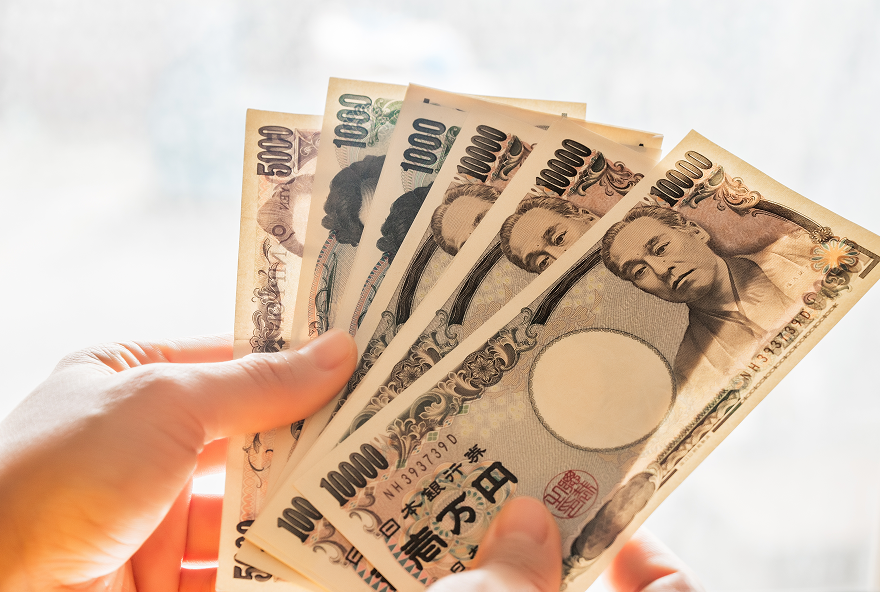
3.Cash
While most large hospitals accept credit cards, many smaller clinics and pharmacies in Japan still operate on a cash-only basis. It's a good idea to bring at least ¥10,000 in cash, just in case.
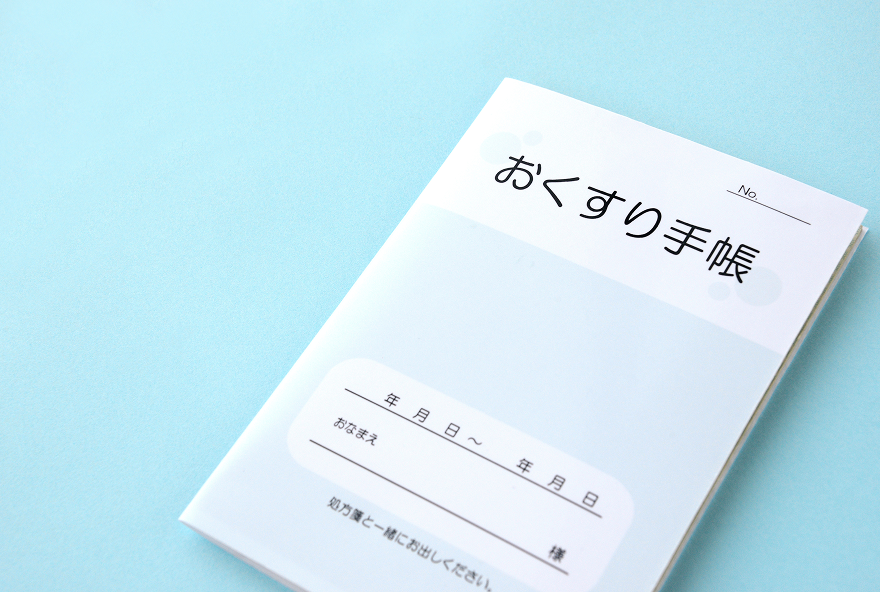
4. Medication Notebook (Okusuri Techō / お薬手帳)
If you regularly take medication, bring your medication notebook with you. If you take medications prescribed in your home country, it's also helpful to bring the original packaging or information leaflets so your doctor can identify what you're taking.
4.A Helpful Tool for Language Barriers: Multilingual Medical Questionnaires
Even if you can't find a hospital with staff who speak your language, there are useful tools that can help you communicate your symptoms more easily at a regular Japanese clinic.

-
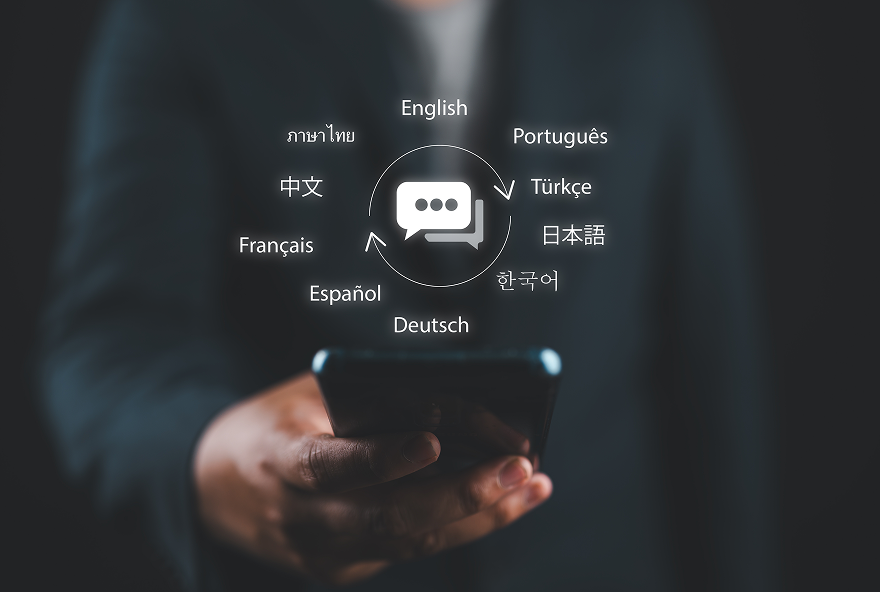
Prepare a Translation App
Having a translation app such as Google Translate or VoiceTra installed on your smartphone can also be helpful. You can use voice translation features or show translated text directly to your doctor to make communication easier during your appointment.
5. What to Do If You Get Sick at Night or on a Holiday: Emergency Contact Numbers
What should you do if you suddenly become ill late at night or over the weekend, when most clinics are closed? Here are some important emergency contact numbers to remember.
-
If you're unsure whether to call an ambulance: #7119 (Emergency Medical Consultation Service)
This service allows you to consult trained professionals, including nurses, about whether your condition requires an ambulance or whether it's safe to wait until regular medical facilities open. Multilingual support is becoming available in an increasing number of regions.
-
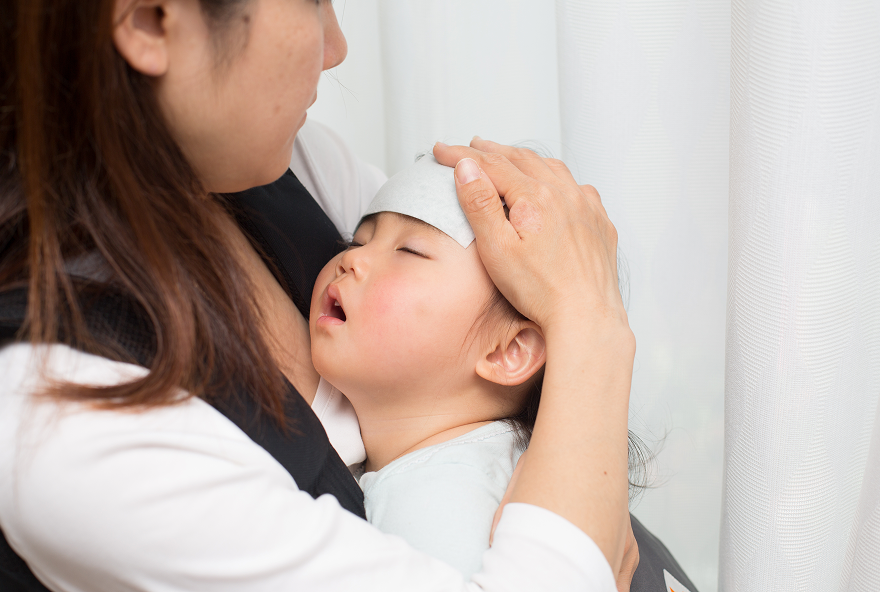
If your child suddenly becomes ill: #8000 (Pediatric Emergency Telephone Consultation)
This telephone consultation service provides advice when your child becomes sick at night or during holidays, such as when they have a persistent fever.
-
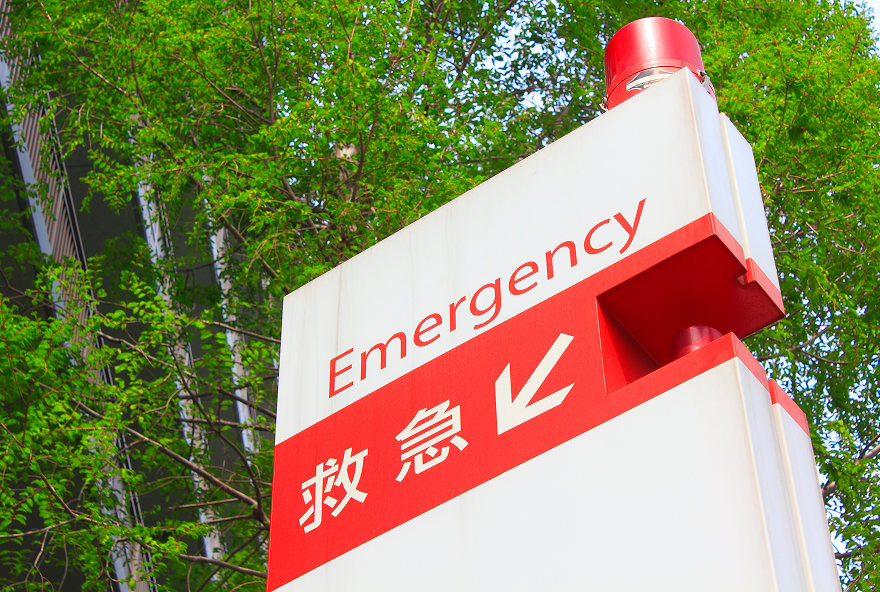
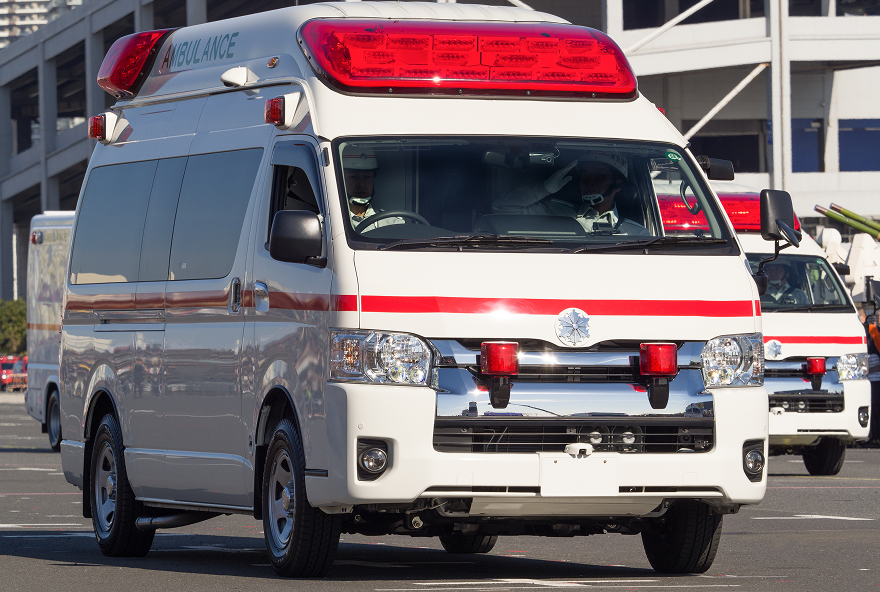
For life-threatening emergencies: 119
In Japan, you can call an ambulance by dialing 119. Calling an ambulance is free, although you should avoid using emergency services for minor conditions and reserve them for situations where urgent medical attention is genuinely needed. To assist foreign callers, many fire departments and emergency dispatch centers offer multilingual interpretation services through three-way telephone calls.
Conclusion: Find an English-Speaking Clinic Near You Before You Need One
Searching for a hospital while dealing with a high fever, severe pain, or other uncomfortable symptoms can be stressful enough. Having to navigate an unfamiliar healthcare system in Japanese only makes the experience more difficult. That's why it's a good idea to find and bookmark one or two nearby clinics that offer services in English or your native language while you're still healthy. Consider looking for both a general internal medicine clinic and a dental clinic near your home or workplace. Taking a little time to prepare now can make a big difference when you need medical attention in the future. Knowing where to go and who to contact can give you peace of mind and help you feel more comfortable living in Japan!