Doyō no Ushi no Hi: Why Do People Eat Eel During Japan’s Hot Summer?
In late July, posters advertising unagi, or freshwater eel, suddenly appear at supermarkets, convenience stores, and gyūdon restaurant chains all across Japan.Foreign residents who have only recently moved to Japan may wonder, “Why would people deliberately eat hot eel during such a humid and sweltering summer?” These advertisements are preparations for Doyō no Ushi no Hi, a traditional summer food custom that has been observed in Japan for centuries. Let’s explore the history of this delicious, nutritious “stamina food” and the unique seasonal event associated with it!
When Is Doyō no Ushi no Hi, and What Does It Mean?
The word doyō comes from the traditional Japanese calendar and refers to the period between seasons. Ushi no hi means “Day of the Ox,” one of the days associated with the twelve animals of the Chinese zodiac. In modern Japan, the term generally refers to a particular day during the hottest part of summer, usually between late July and early August. The exact date changes every year, and in some years there are two Days of the Ox during this period. Japan’s intense summer heat and humidity can easily cause natsubate, or summer fatigue. Many people experience a loss of appetite, low energy, and general exhaustion. Because of this, the custom of eating nutritious, vitamin-rich foods to restore energy became widely established.
Why Eel? It Was Actually a Successful Edo-Period Advertisement!
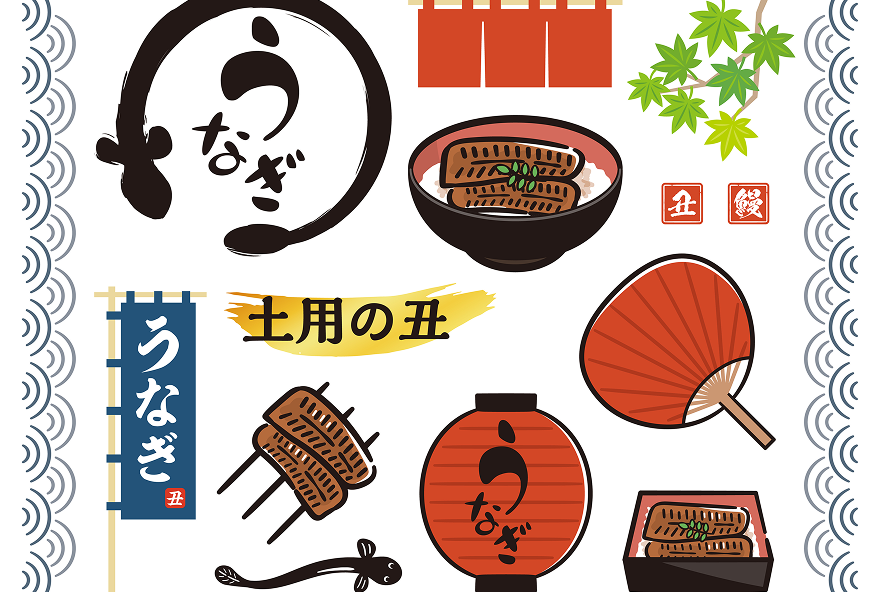
Why, out of all the possible foods, did eel become associated with this day?According to a popular story, the tradition began as a marketing strategy around 250 years ago during the Edo period. At the time, eel was considered to be in season during winter. Rich and fatty eel dishes did not sell well during the hot summer months, so one struggling eel restaurant owner sought advice from Hiraga Gennai, a well-known scholar and inventor. Gennai suggested placing a sign outside the restaurant that read: “Today is Doyō no Ushi no Hi.”
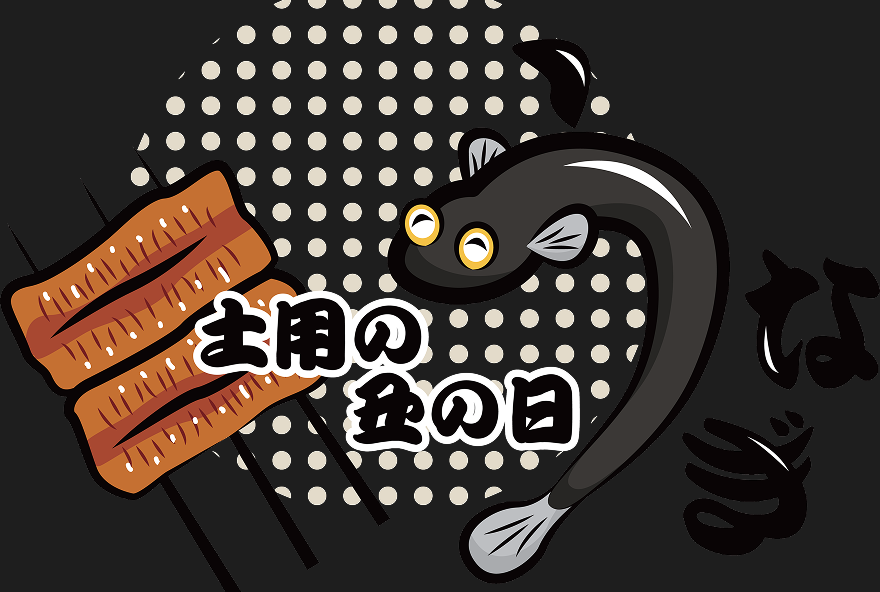
There was already a traditional belief in Japan that eating foods beginning with the Japanese sound “u” on the Day of the Ox would protect people from illness.
The advertisement was a huge success. Other eel restaurants began copying the idea, and the custom eventually developed into the nationwide tradition that continues today.
Of course, eel is also packed with nutrients that can help support the body during periods of fatigue, making it a genuine “superfood” as well as a clever marketing success.
How Is Eel Eaten? Recommended Ways for Foreign Residents to Try It
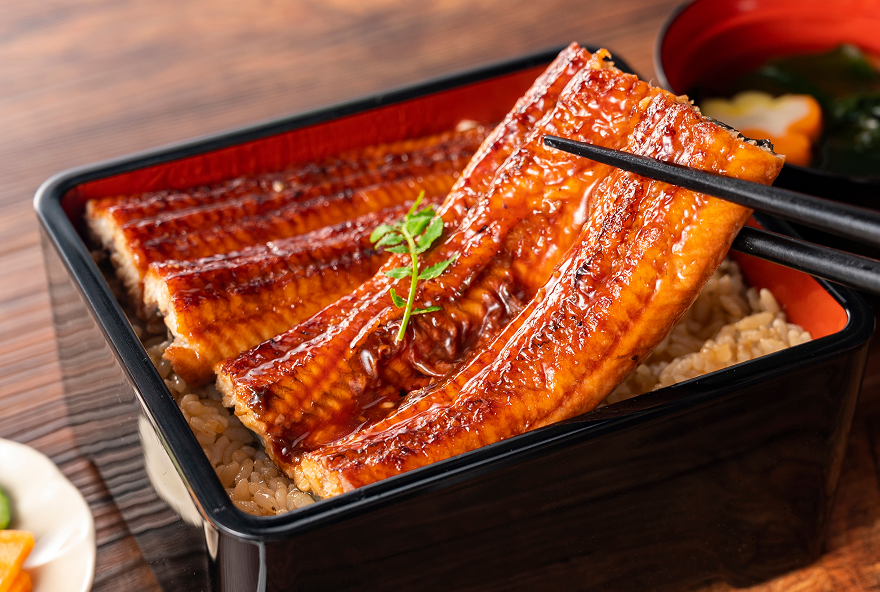
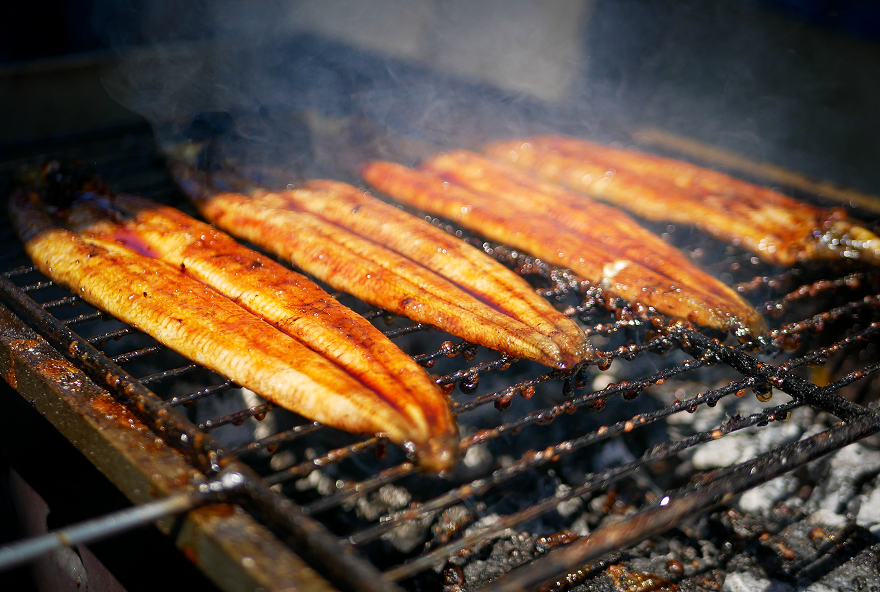
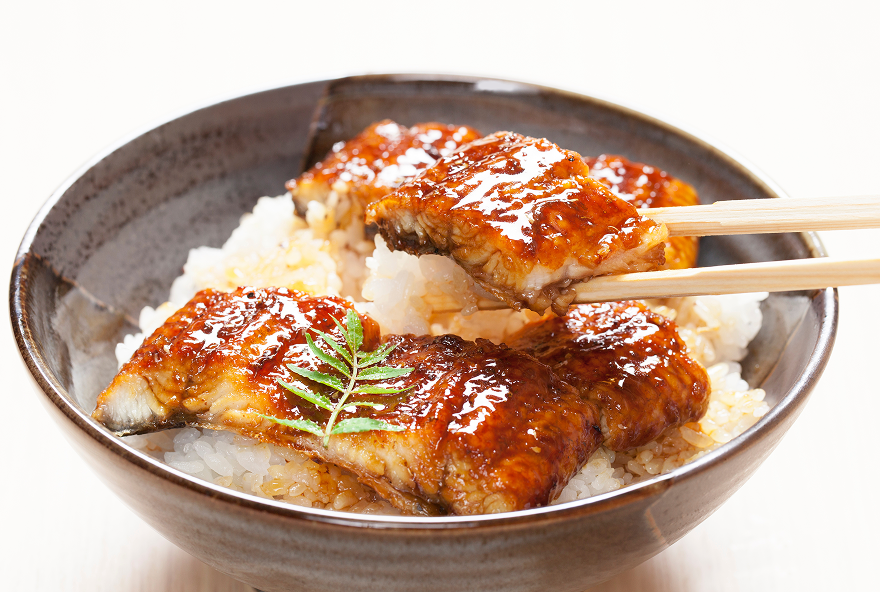
In Japan, eel is most commonly prepared in a style called kabayaki. The eel is coated in a sweet and savory soy-based sauce, grilled until fragrant, and served over a bowl or box of white rice. Its soft, fluffy texture and rich sauce can be surprisingly addictive once you try it!
-
Try It at a Gyūdon Restaurant Chain
A meal at a specialist eel restaurant can be quite expensive, usually costing between 3,000 and 5,000 yen. However, gyūdon chains such as Sukiya, Yoshinoya, and Matsuya often offer eel dishes for around 1,000 to 1,500 yen, making them an affordable and convenient place to try it for the first time. Many locations also have touchscreen ordering systems available in English and other languages.
-
Buy an Eel Bento at a Supermarket
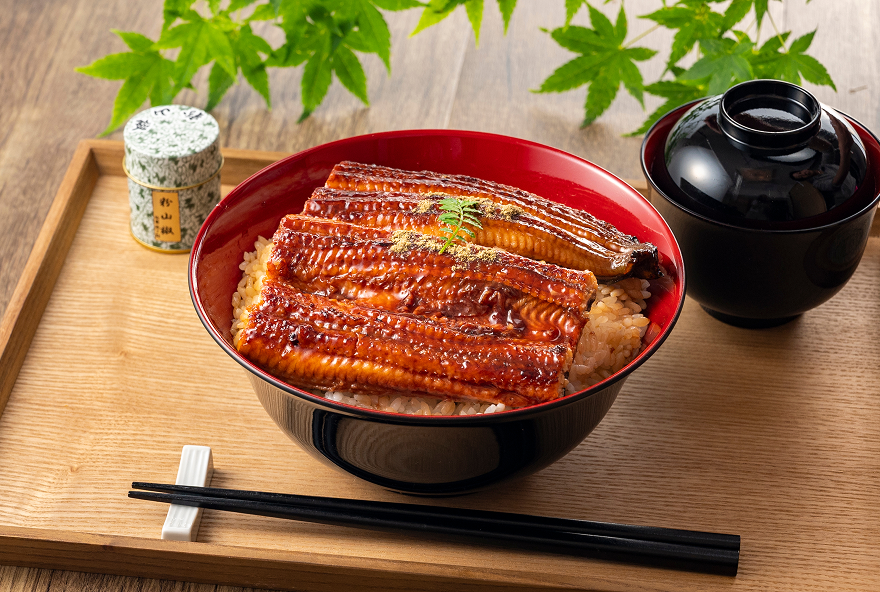
On Doyō no Ushi no Hi, supermarket prepared-food sections are usually filled with eel bento boxes. Take one home and warm it briefly in the microwave. As it heats up, the delicious aroma of the grilled sauce will fill the room.
Don’t Like Eel? Try Other Foods Beginning with “U”
Some foreign residents may avoid eel because they dislike its unusual texture, are worried about the small bones, or feel that it is simply too expensive. But don’t worry! According to tradition, eel is not the only suitable food. Any food beginning with the Japanese sound “u” is said to bring good luck and help prevent summer fatigue.
-
Udon
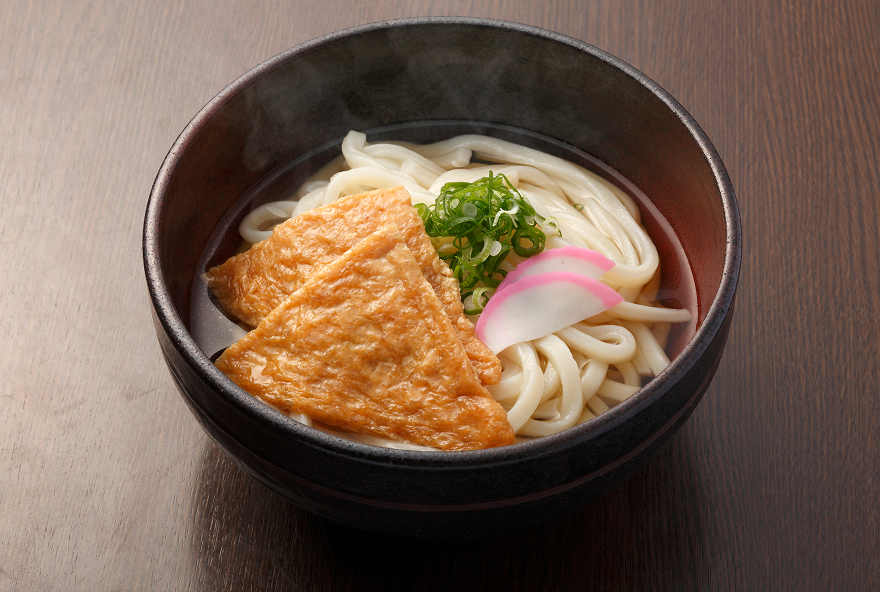
Cold zaru udon or bukkake udon is easy to eat, even on extremely hot days when you do not have much of an appetite.
-
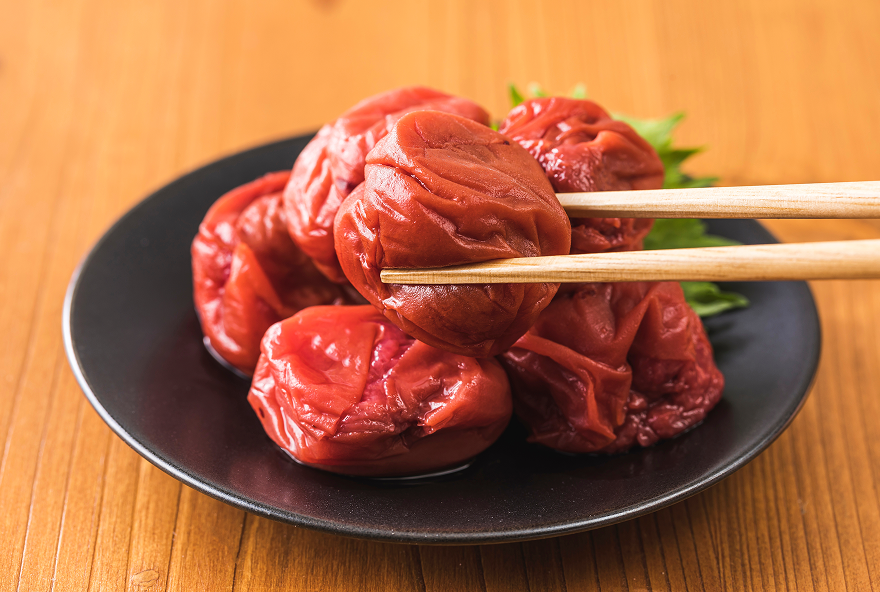
Umeboshi
Umeboshi are traditional Japanese sour pickled plums. They contain citric acid and salt, making them a popular choice for replenishing salt lost through sweating and recovering from fatigue.
-
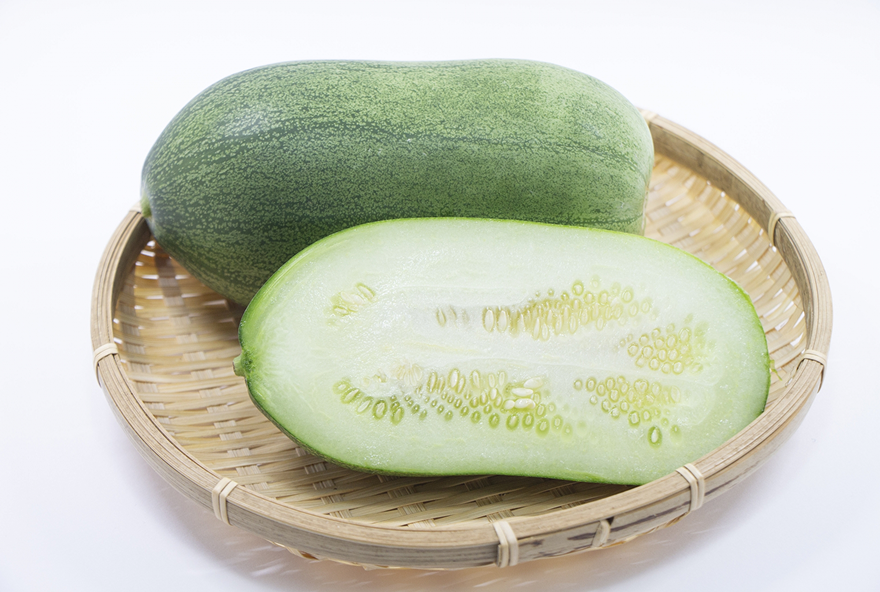
Uri
Uri refers to vegetables and fruits from the gourd family, including cucumbers, watermelon, and winter melon.They contain plenty of water and are traditionally believed to help cool the body during hot weather.
-
Ushiniku - Beef
The Japanese word for cow, ushi, also begins with “u”! Eating yakiniku or steak instead of eel is another perfectly acceptable way to build up your energy and enjoy Doyō no Ushi no Hi.
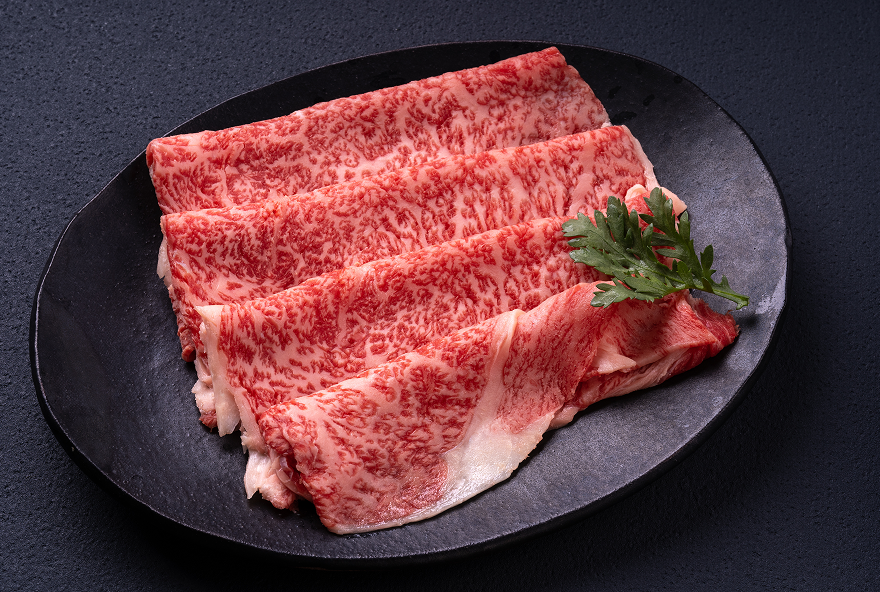
Even without eating eel, you can pick up one of these “u” foods at the supermarket and take part in this unique Japanese summer tradition.
Conclusion
It is fascinating that a clever advertising idea from the Edo period eventually became a nationwide seasonal tradition that is still part of everyday life in Japan today. This summer, try some delicious unagi or another food beginning with “u,” restore your energy, and stay healthy through Japan’s intense summer heat!