Essential for winter hot pot! How to safely use and dispose of Japanese portable gas stoves.
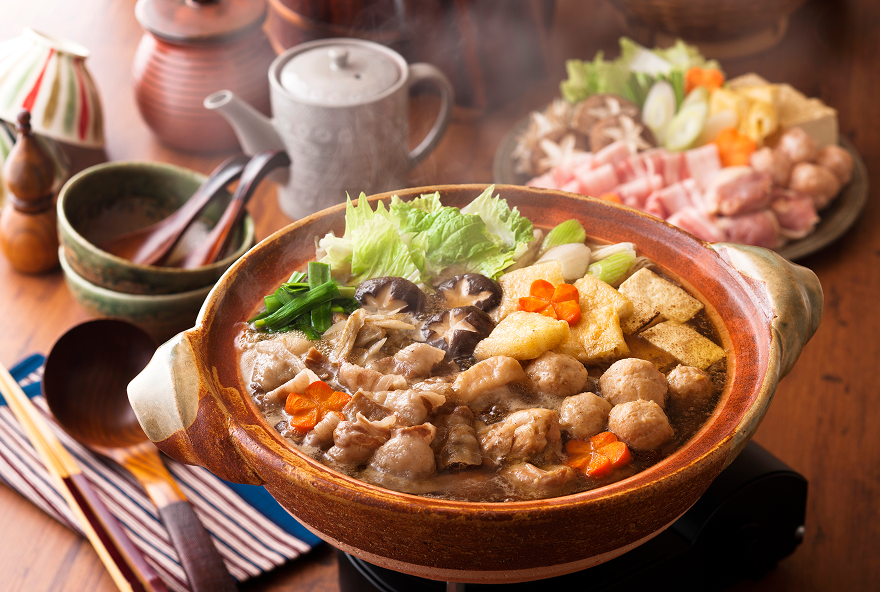
Winter in Japan can get incredibly cold, making it the perfect season for nabe (Japanese hot pot), a comforting dish made by simmering vegetables, meat, and other ingredients in a delicious broth.
Gathering around the table with family and friends to enjoy a hot pot party is one of Japan’s most beloved winter traditions.
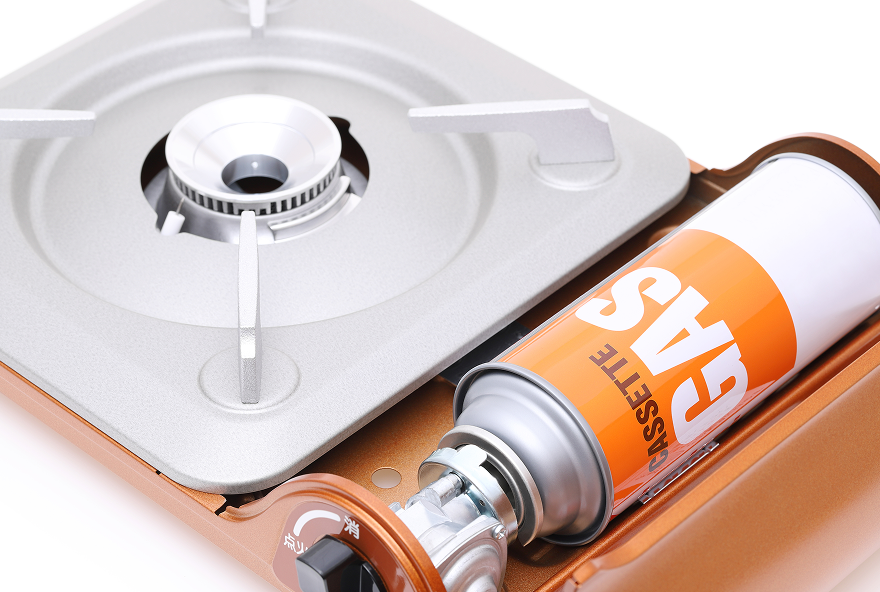
To keep your hot pot piping hot at the table, you’ll need a portable gas stove, known in Japanese as a cassette konro (カセットコンロ). These compact, portable stoves are affordable and widely available at home improvement stores and online retailers. However, because they use gas, it’s important to understand how to operate them safely, especially if you’re using one for the first time.
In this guide, we’ll explain how to safely use a portable gas stove in Japan and how to properly dispose of used gas canisters.
1. What You’ll Need: A Portable Gas Stove and Gas Canisters
To cook at the table, you’ll need two essential items: a portable gas stove and a gas canister to fuel it.
-
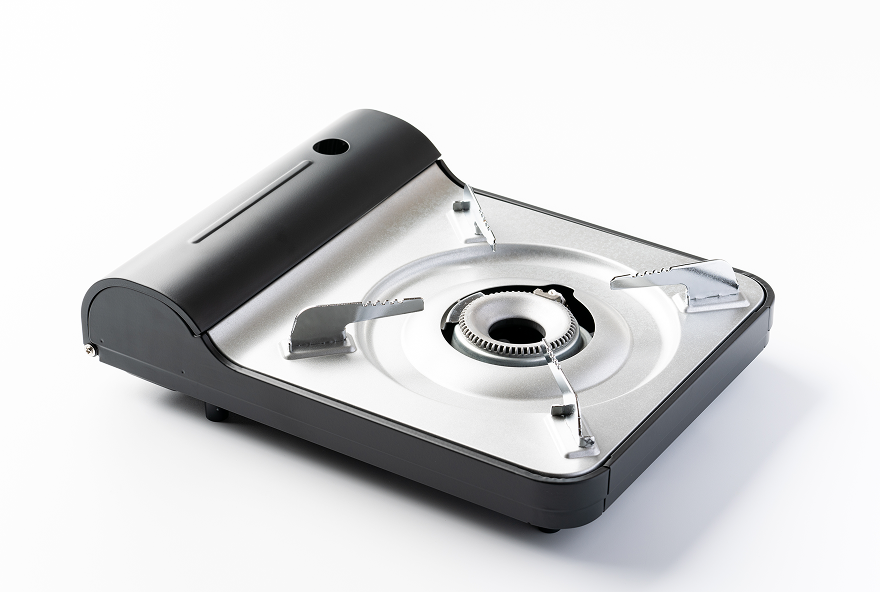
Portable Gas Stove (Cassette Konro):
These typically cost around ¥3,000–¥5,000. One of the most well-known manufacturers in Japan is Iwatani (イワタニ).
-
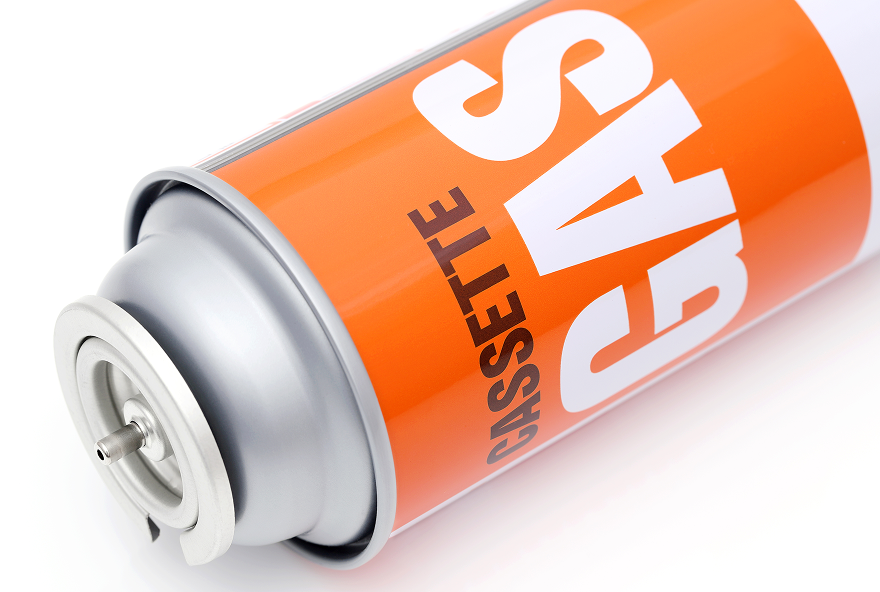
Gas Canisters (Cassette Bonbe):
A pack of three usually costs around ¥500–¥800. You can easily find them at supermarkets, convenience stores, and drugstores.
Portable gas stoves are also incredibly useful during emergencies. If a natural disaster, such as an earthquake or typhoon, causes a power outage, you can still use one to boil water or prepare meals.
For this reason, keeping a portable gas stove at home is a great addition to your emergency preparedness kit.
2. How to Properly Install a Gas Canister
One of the most important steps when using a portable gas stove is installing the gas canister correctly. If the canister is not properly attached, gas may leak, potentially causing a fire or other dangerous accidents.
1. Open the Canister Compartment
Open the cover located on the side of your portable gas stove. This is where the gas canister will be installed.
2. Align the Notch
This is the most important step! Look for the small U-shaped notch near the top of the gas canister. Align this notch with the corresponding raised guide on the stove near the magnetic connector. Make sure the two parts are properly aligned before attaching the canister.
3. Secure the Canister
Keeping the notch aligned, gently push the canister horizontally into place until it is securely attached. Depending on the model, you may hear a clicking sound. Some older portable gas stoves use a locking lever instead, which must be pushed down to secure the canister. Always follow the instructions provided with your particular stove model.
3. Danger! Three Mistakes That Could Cause a Gas Canister to Explode
Portable gas canisters contain liquefied gas under high pressure. When used incorrectly, the canister can become dangerously hot. As the temperature rises, the pressure inside the canister increases, potentially causing it to rupture or explode.
Such accidents can result in serious injuries, fires, or even fatalities. To stay safe, never make these three dangerous mistakes.
-
Never Use Oversized Pots or Griddles
Avoid using pots or cooking plates that are too large for your portable gas stove. If a pot extends over the compartment where the gas canister is stored, heat from the pot may transfer directly to the canister. This can cause the gas canister to overheat and potentially explode.
-
Never Place Two Portable Gas Stoves Side by Side
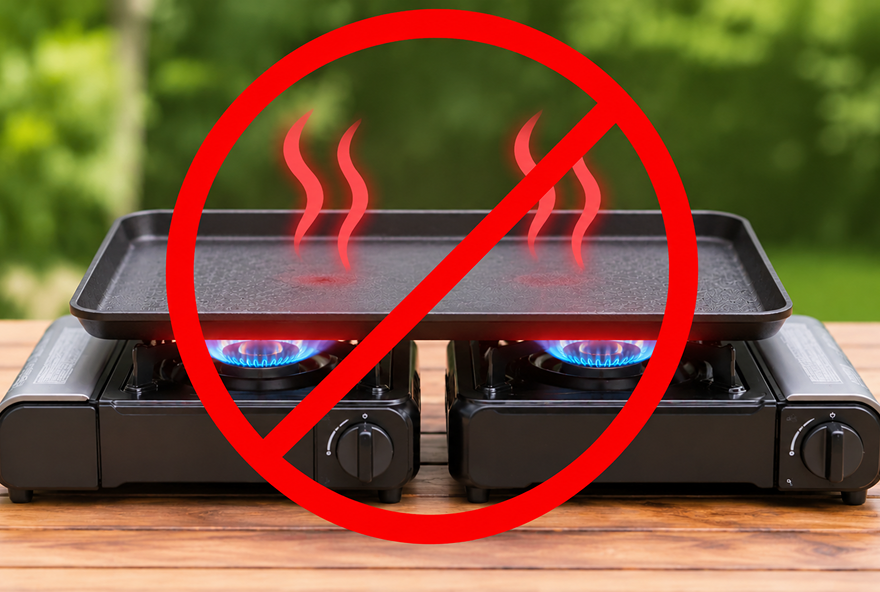
You might be tempted to place two portable gas stoves next to each other to heat a large cooking plate or griddle. Never do this! Using two stoves together can trap heat around the gas canisters, causing them to overheat and potentially explode.
-
Never Use or Store Gas Canisters Near Heaters
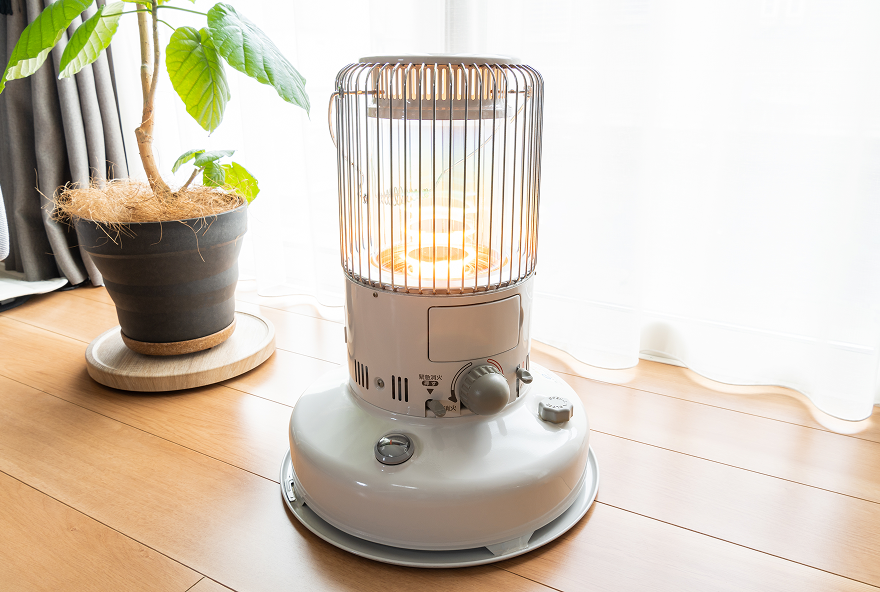
During Japan’s cold winters, many households use space heaters to keep their rooms warm. However, never place a portable gas stove or gas canister near a heater or other source of heat. Even if the portable gas stove is turned off, heat from a nearby heater can raise the temperature of the gas canister and cause an explosion.
4. How to Properly Dispose of Empty Gas Canisters in Japan
Japan has strict waste disposal rules, and gas canisters require special attention. Improperly discarded gas canisters can cause fires or explosions inside garbage collection trucks and waste processing facilities.
To dispose of your used gas canisters safely, follow these three steps.
1. Make Sure the Canister Is Completely Empty
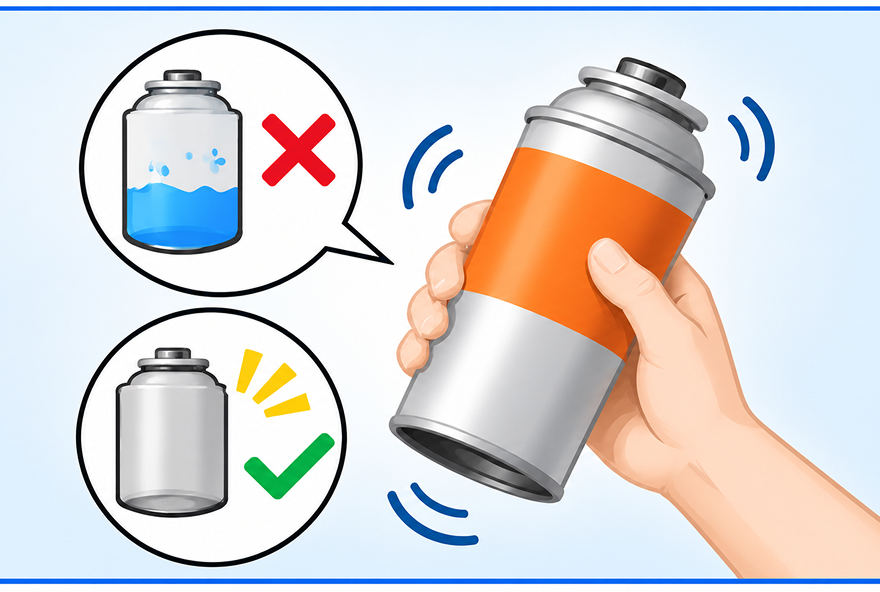
Before throwing away a gas canister, make sure all the gas inside has been used. Gently shake the canister. If you hear a sloshing or rattling sound caused by liquid moving inside, there may still be gas remaining. Continue using the canister normally until it is completely empty. If you cannot safely use up the remaining gas, contact the manufacturer or your local municipality for disposal instructions rather than attempting to release the gas yourself.
2. Should You Puncture the Canister?
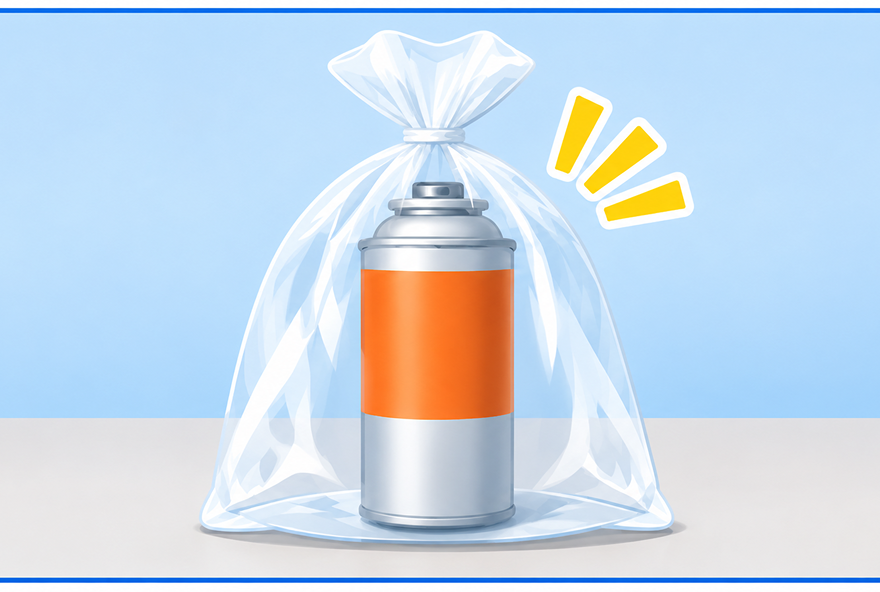
In the past, puncturing empty gas canisters before disposal was a common practice in Japan. However, many municipalities now instruct residents not to puncture gas canisters. Instead, some areas require empty canisters to be placed in a separate transparent bag for collection. Because disposal rules vary depending on where you live, always check the official website of your local city or ward office for instructions regarding spray cans and gas canisters.
3. Never Mix Gas Canisters With Regular Trash:
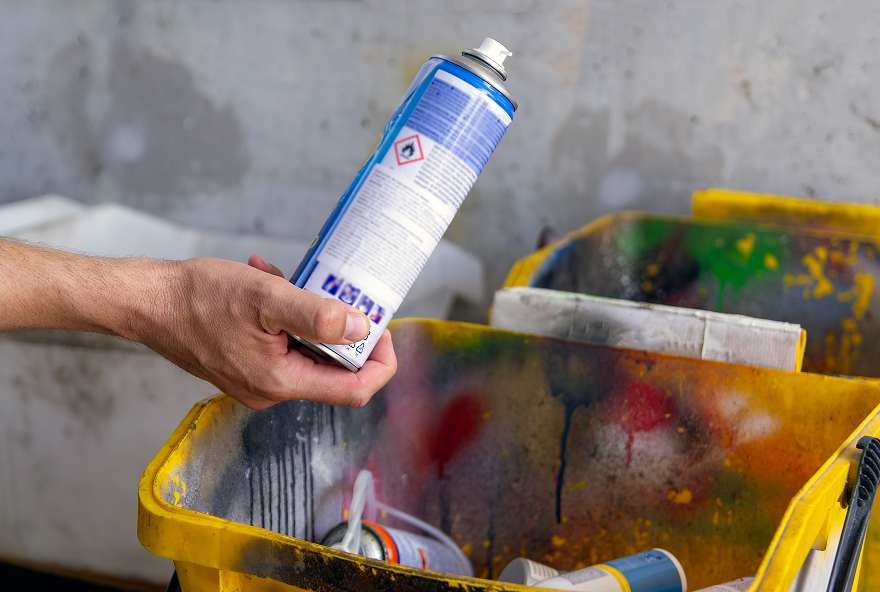
Do not throw gas canisters into the same garbage bag as food waste, plastics, or other household trash unless your municipality specifically instructs you to do so. Depending on your location, gas canisters may need to be disposed of as hazardous waste (危険ごみ / Kiken Gomi), non-burnable waste (燃やさないごみ / Moyasanai Gomi), or through a special collection for spray cans and gas canisters. Always make sure to put them out on the correct collection day.
【Conclusion】Stay Safe and Enjoy Japanese Hot Pot This Winter!
Using a portable gas stove for the first time might seem a little intimidating, but these convenient appliances can be used safely when you follow the proper instructions and precautions.
Japanese supermarkets offer a wide variety of delicious ready-made hot pot soup bases (nabe soup bases), including Kimchi Nabe (spicy kimchi hot pot), Tonyu Nabe (creamy soy milk hot pot), and Sukiyaki (a sweet and savory hot pot).
So gather your family and friends, pick your favorite hot pot ingredients, and enjoy a warm and delicious Japanese winter tradition!