June 1 Marks the Start of “Koromogae”! Understanding “Cool Biz” in Japanese Workplaces

June is finally here. Starting June 1, many companies in Japan begin a workplace practice known as “Cool Biz.” In this article, we will explain what Japan’s “Cool Biz” is all about.
1. What Is “Cool Biz”?
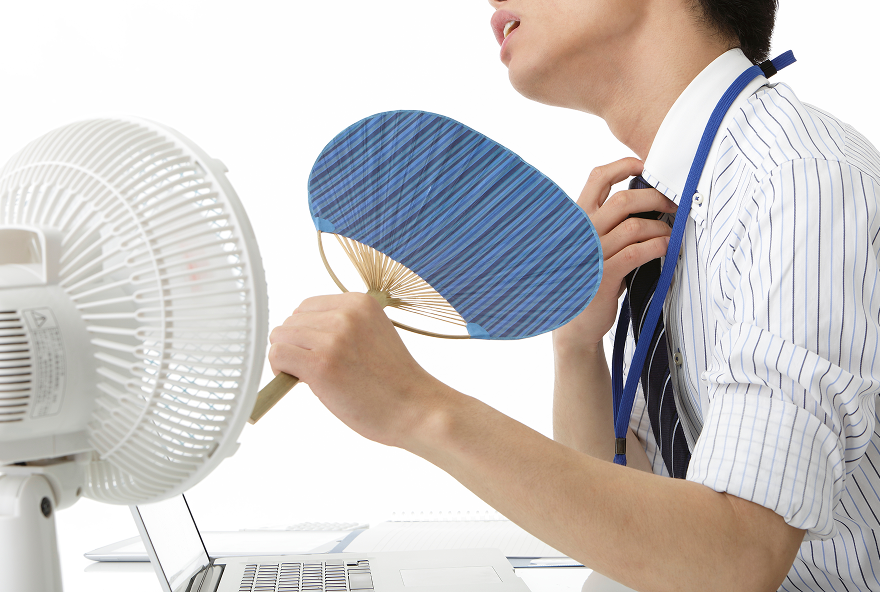
Cool Biz is a campaign proposed by the Japanese government in 2005 as an environmental measure. Its goal is to encourage lighter clothing so that people can work comfortably even when office air conditioners are set to 28°C. Today, Cool Biz has become widely established in Japanese workplaces as a rule that allows employees to go without neckties or jackets during the period from June 1 to September 30 each year. Some companies may extend the period from May to October. However, not every company follows Cool Biz, and depending on the industry, some workplaces may not be affected by it at all.
2. The Tricky Part: What Is OK and NG for Cool Biz?
In Japanese workplaces, the most important points are looking clean, professional, and presentable and ensuring you are not making others feel uncomfortable. Standards may vary depending on the industry and corporation, but the general guidelines are as follows.
Tops: What Is Appropriate?
-
Recommended:
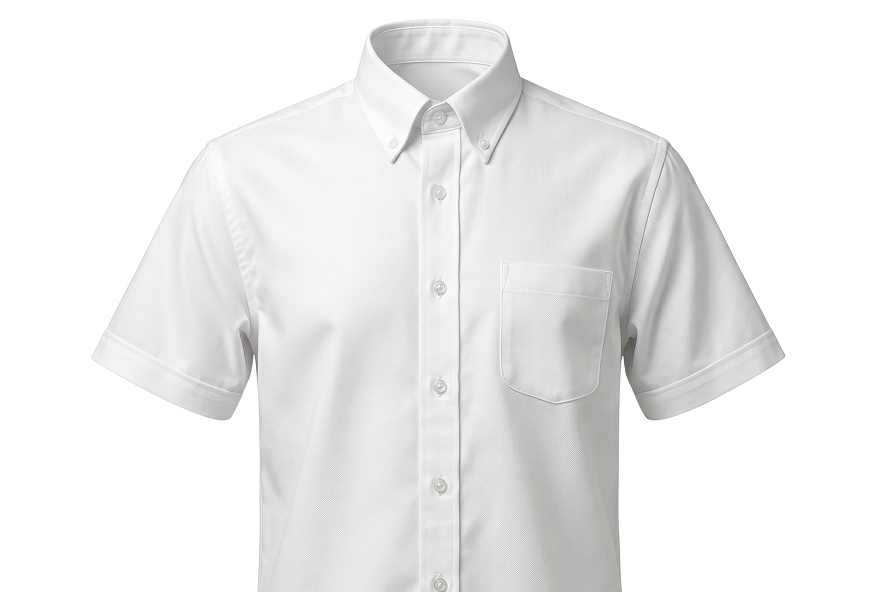
Short-sleeved dress shirts and collared polo shirts in plain, solid, or muted colors.
-
Avoid:
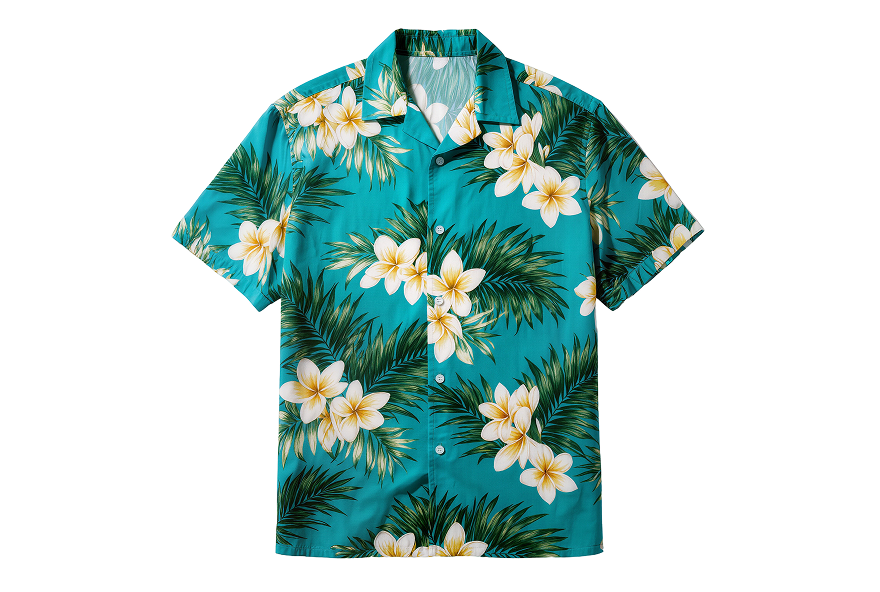
Collarless T-shirts, tank tops, and flashy patterned aloha shirts.
-
Key Point:
In Japanese business wear, whether or not a shirt has a collar is often a major standard for separating formal clothing from casual clothing.
Bottoms and Shoes: What Is Appropriate?
-
Recommended:
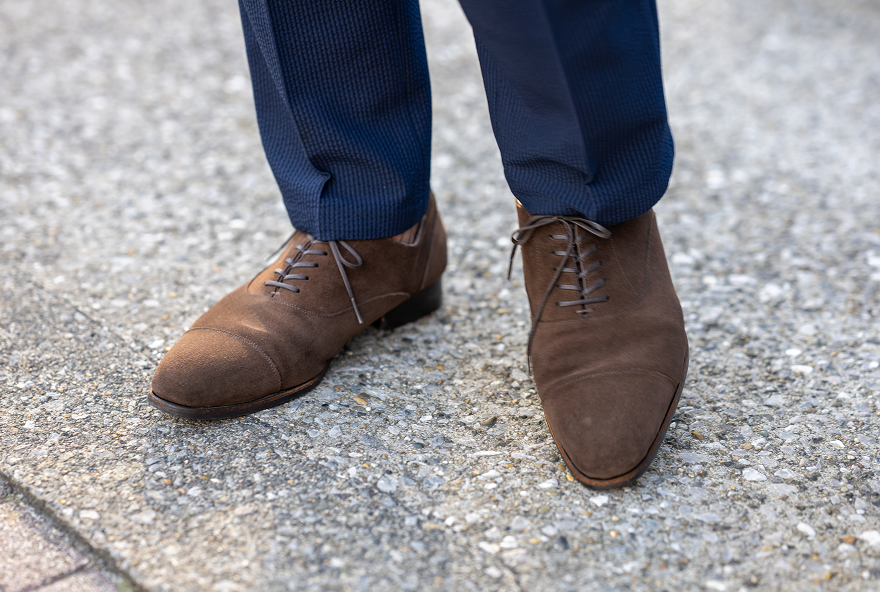
Chinos, slacks, neat loafers, and leather shoes.
-
Avoid:
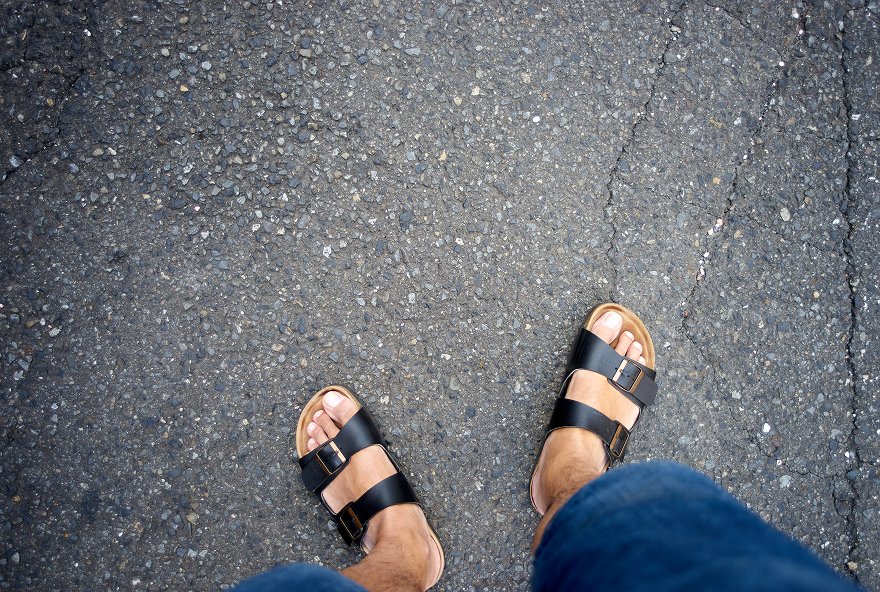
Shorts, damaged jeans, and sandals.
- Key Point:
No matter how hot it is, shorts and sandals worn with bare feet are generally considered inappropriate manners in Japanese offices.
Cool Biz Clothing for Women
Women’s clothing tends to have more flexibility than men’s clothing, but this can also make it more difficult to decide what is appropriate.
-
Recommended:
Short-sleeved blouses, cut-and-sewn tops, skirts that fall below the knee, and neat pants.

-
Avoid:
Camisoles that fully expose the shoulders, overly short miniskirts, and sandals that expose too much skin, such as mules.

-
Key Point:
As a common work style in Japan, many women keep a cardigan or lightweight jacket at the office as a way to deal with temperature fluctuation within the office - it sometimes gets too cold while trying to counter the outside heat.
3. First, Check the Work Rules or Internal Announcements
Cool Biz dress-code standards are often clearly set by each company as its own internal rules. To avoid making a mistake on June 1, it is important to check the rules in advance.
-
Check the Company Portal or Emails
In late May, it is common for the General Affairs Department or Human Resources Department to send out an announcement by email or on the company bulletin board, such as “About This Year’s Cool Biz Period.”

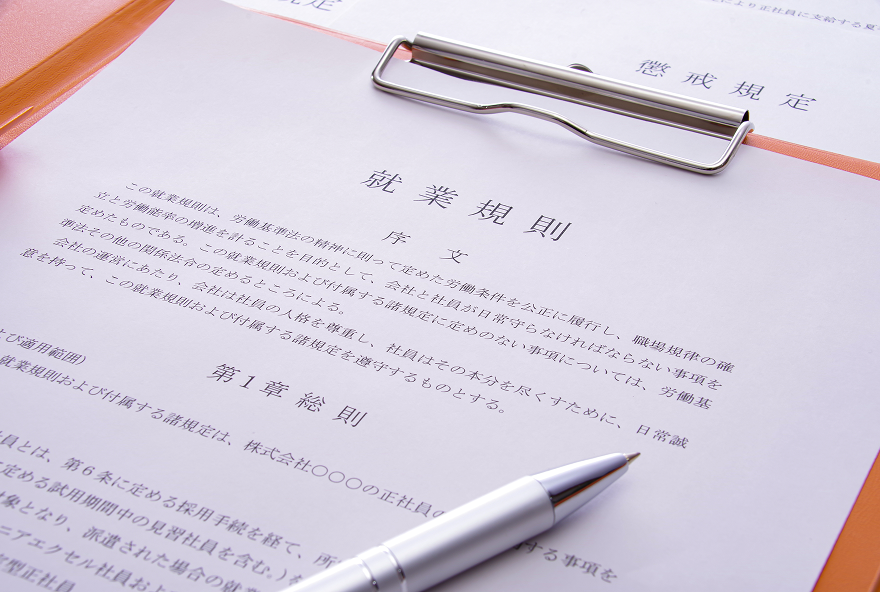
- Read the Employment Regulations
Some companies have detailed manuals for dress codes. Check whether there are specific conditions written, such as “polo shirts are allowed, but only plain ones” or “sneakers are allowed for commuting.”
-
Check the TPO
Even if casual clothing is acceptable on days when you work inside the office, there may be different rules depending on your schedule. For example, when meeting clients from outside the company, such as during visits or when receiving guests, wearing a jacket may be required.

4. When in Doubt, Ask Your Boss or Senior Coworkers for Advice
Even after reading the work rules or manual, the actual atmosphere and unspoken rules may differ depending on the department or team. This is common in Japanese workplaces. In that case, the most reliable and reassuring thing to do is to directly ask your immediate supervisor or a senior coworker for advice.
-
Use It as a Chance to Communicate
Try asking,
“Since this is my first time experiencing Cool Biz in Japan, could you tell me what kind of clothing would fit the atmosphere of this workplace?”

-
Show a Positive Attitude
Instead of making your own judgment when you are unsure, asking those around you for advice can be seen as a sign that you are trying to understand Japanese culture and adapt to the company’s rules. This attitude may also lead to a positive impression at work.

If you are unsure about what to wear, do not worry about it alone. Ask your team members and seek their advice, and listen to their opinions.
Conclusion
Japan’s Cool Biz is a unique workplace culture that balances comfort in the heat with business manners. By checking your workplace rules in advance and communicating with those around you, you can prepare properly and make your commute during the humid rainy season much more comfortable. Get through June smartly with a clean and appropriate Cool Biz style!