
Why Is Everyone Wearing Kimono? The Story Behind "The Coming of Age" Day and "Furisode"
Happy New Year. We hope this year treats you well.
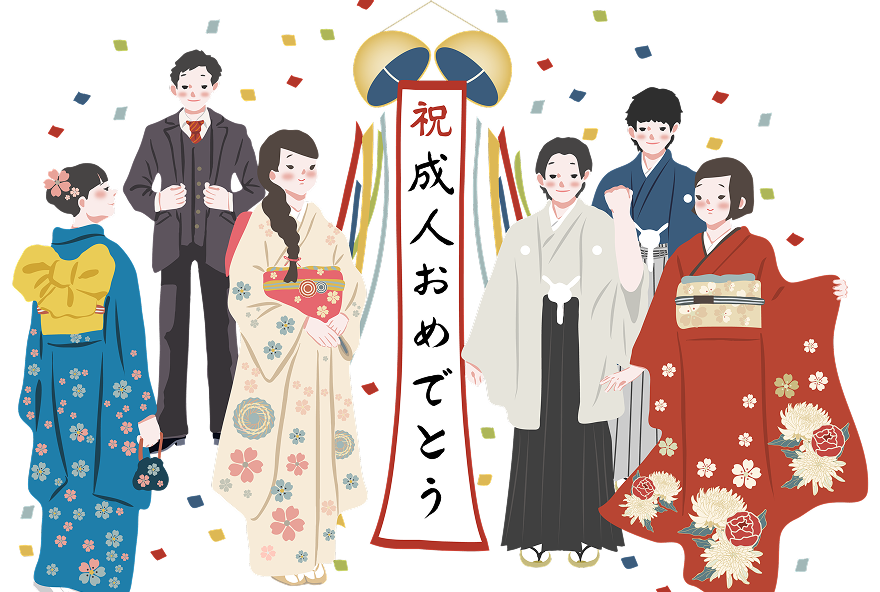
Have you ever seen Japanese streets suddenly fill with colorful kimono on the second Monday of January? That day is Coming of Age Day (Seijin no Hi), a national holiday celebrating young people as they step into adulthood. It’s a dazzling sight, almost like a scene from a movie.
Why do they wear such special outfits? And how much do those beautiful kimono actually cost? In this guide, we’ll take a closer look at the traditions and secrets behind Japan’s “day of celebration of becoming an adult” - a custom that often fascinates visitors from abroad.
The History of Seijin No Hi : From Samurai Rituals to the Modern Era
In Japan, rituals marking the transition from childhood to adulthood have existed since ancient times. During the age of the samurai, this ceremony was called Genpuku, in which young people changed their hairstyle and were given an adult name. Modern Coming of Age Day was established as a national holiday in 1948. Its purpose is to “encourage young people who have come of age to recognize their responsibilities as adults and to celebrate those who are determined to live independently.”
Although Japan’s legal age of adulthood has recently been lowered to 18, many local governments still hold coming-of-age ceremonies for 20-year-olds. This is because holding the ceremony at 18 would overlap with university entrance exams and job hunting.As a result, the day has become firmly recognized as a celebration for those turning 20.
★ Quick Fact Check!
- Date: The second Monday of January (national holiday)
- Purpose: To celebrate young people’s new start into adulthood as a society
- Attire: Women wear “furisode” which is a special type of kimono, while men wear suits or traditional “hakama”
3 Highlights of Coming of Age Day
1. The Beauty of Furisode - and Its Shocking Price
On this day, many young women wear a long-sleeved kimono known as a furisode. It is considered the most formal kimono for unmarried women, and its long sleeves are said to carry the meaning of “warding off bad luck and attracting happiness and good relationships.”
So, how much does it actually cost?
In fact, furisode are extremely expensive.
- Rental: Approximately ¥100,000 ~ ¥300,000
- Purchase: Around ¥300,000 to over ¥1,000,000
Spending this much for a single day may seem surprising, but it is seen as an expression of a parent’s love and joy in celebrating their child’s growth.

2. Held in Unexpected Places! Unique Coming-of-Age Ceremonies
Most ceremonies take place in civic halls, but some regions in Japan host them in truly surprising locations.
- Urayasu City, Chiba Prefecture:
The ceremony is held at Tokyo Disneyland. Mickey Mouse and friends celebrate the new adults, creating a truly magical experience.
- Kamogawa City, Chiba Prefecture:
The event takes place at Kamogawa Sea World, where sea lions and other marine animals help celebrate the occasion.
These are just a few examples - unique coming-of-age ceremonies can be found all across Japan.
3. The Real Celebration Happens at Night: Class Reunions and Parties
For many young people, the evening after the ceremony may be the real highlight of the day. They change out of their furisode into dresses or casual clothes and gather at an izakaya or restaurants for class reunions. Sharing drinks, laughing, and reminiscing with friends they haven’t seen in years - this is the true highlight of Coming of Age Day for many young people in Japan.

How to Enjoy Coming of Age Day from a Foreigner’s Perspective
Visit Shrine Photo Spots
Before and after the official ceremonies, many young people visit Shinto shrines with their families or friends to pray and take photos. Famous locations such as Meiji Shrine and Asakusa in Tokyo, or Heian Shrine in Kyoto, are some of the best places to see people dressed in beautiful kimono. In regions where it snows, the contrast between the white snow and the vivid colors of the kimono is absolutely breathtaking.
Want to Take Photos?
The scene is so beautiful that you may feel tempted to take pictures. Taking wide shots of the scenery from a distance is generally fine, but if you want to photograph individuals, always ask for permission first. For them, this is a once-in-a-lifetime special day, so if you ask politely, many will be happy to agree.

Advice and Etiquette
-
Say “Congratulations”
If you make eye contact with young people dressed in kimono, try saying “Omedetō” (Congratulations). You’ll likely be rewarded with a warm smile.
-
Be Mindful of Space
Long-sleeved furisode and footwear most may not be familiar with, such as zōri sandals can make walking difficult. At stations and on busy streets, give them space and be considerate as they move about.

In Conclusion
Coming of Age Day is a once-in-a-lifetime milestone for Japanese youth and a day to reaffirm family bonds. The bright and beautiful sight is a symbol of a bright future itself. If you’re in Japan in January, be sure to head out into the city and experience the vibrant, joyful atmosphere of this uniquely Japanese celebration for yourself.