How to Enjoy Japanese Fireworks
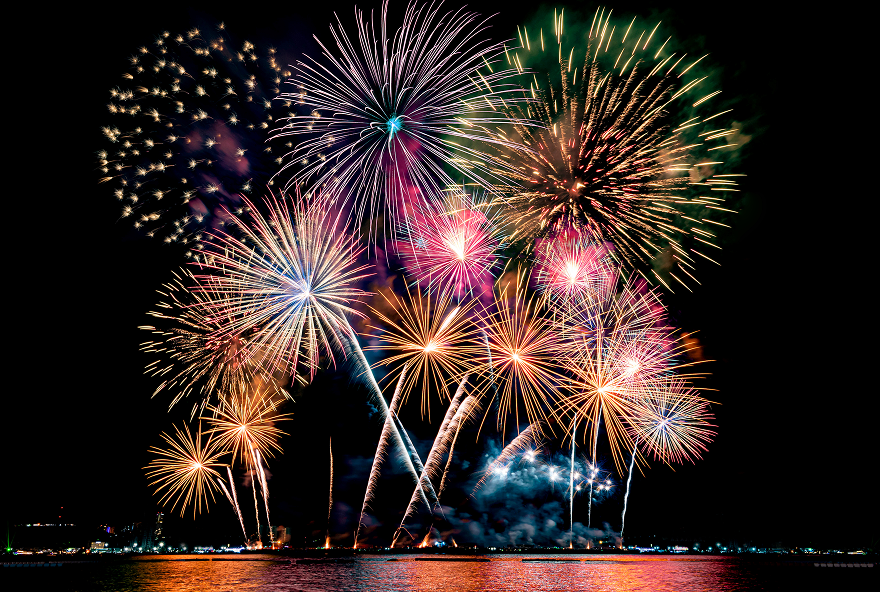
Overseas, fireworks are often associated with national celebrations such as New Year’s Eve countdowns or Independence Day. In Japan, however, fireworks are a symbol of summer. From July to August, hundreds of fireworks festivals are held throughout the country. Japanese fireworks are known for their world-class craftsmanship. Their perfectly round shapes, delicate patterns, and colors that change as they bloom in the sky make them true works of art. In this article, we will explain how to safely enjoy a Japanese fireworks festival—and make the most of the experience!
Are Free Viewing Areas Disappearing? Understanding Paid Seating
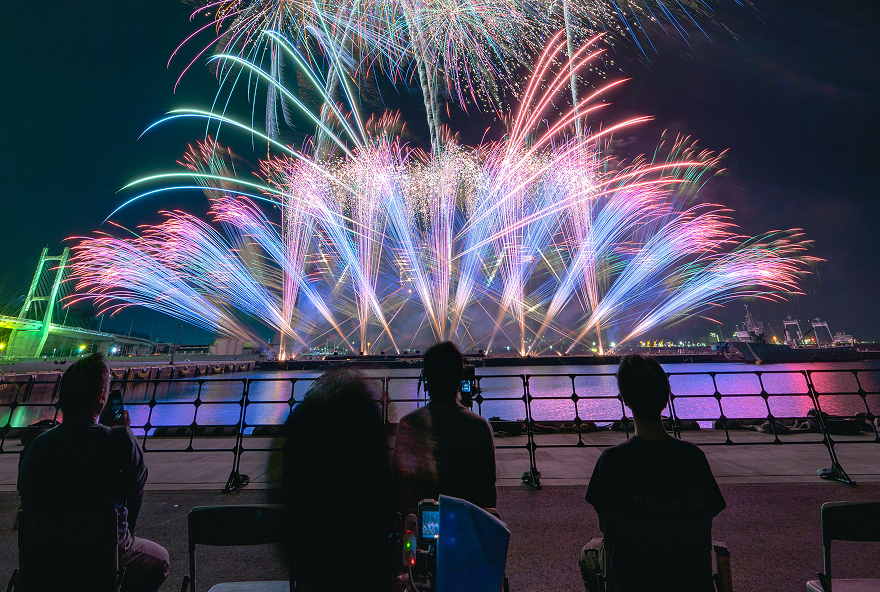
Older Japanese anime and television dramas often show people spreading picnic sheets on a grassy riverbank and watching fireworks for free. However, at many large fireworks festivals in Japan today, purchasing a ticket for a paid viewing area in advance is becoming increasingly common. To improve safety and reduce overcrowding, free viewing areas have been significantly reduced. You may arrive at the venue thinking, “I’m sure I’ll be able to see the fireworks somewhere,” only to find that tall fences completely block the view. When there is a fireworks festival you definitely want to attend, we strongly recommend checking the official website one or two months in advance and reserving your tickets early.
Three Famous Fireworks Festivals You Should See in Japan
There are countless fireworks festivals throughout Japan, but the following three are among the country’s largest, most historic, and most popular.
① Nagaoka Festival Grand Fireworks Show, Niigata Prefecture
About the festival
Held every year on August 2 and 3, this event is considered one of Japan’s Three Great Fireworks Festivals. The festival carries prayers for those who lost their lives during the war, as well as hopes for recovery and peace.
Why it is recommended
The “Phoenix Fireworks for Recovery” spread across the sky on such an enormous scale that they cannot fit within your entire field of vision. Their breathtaking beauty is so moving that many spectators are brought to tears.
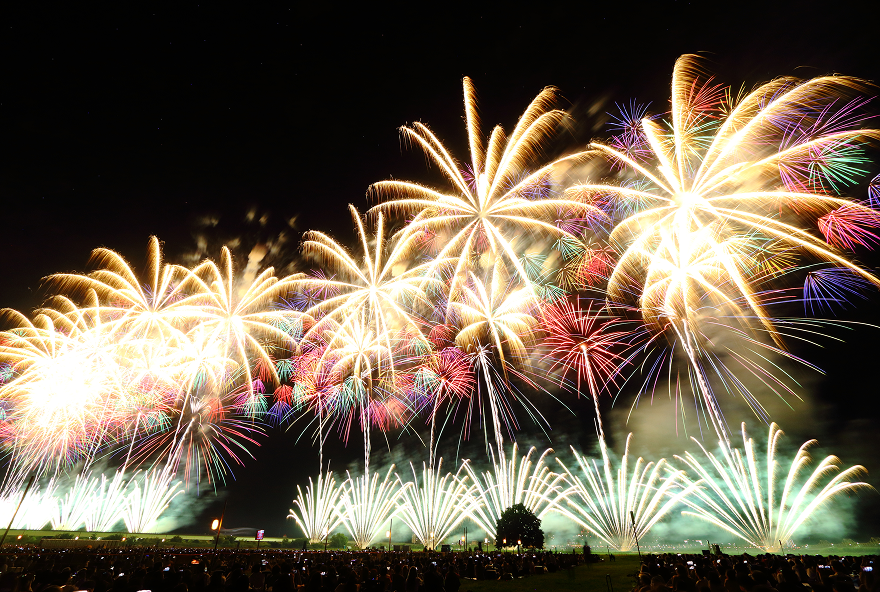
Official website: https://nagaokamatsuri.com/
② Omagari National Fireworks Competition, Akita Prefecture
About the festival
Held every year in late August, Omagari is also one of Japan’s Three Great Fireworks Festivals. It is a competition in which leading fireworks artisans from around the country compete for the title of the best in Japan.
Why it is recommended
This is more than an ordinary festival. Visitors can see the latest artistic creations produced by craftspeople who are putting their pride and reputation on the line, as well as dramatic fireworks synchronized with music.
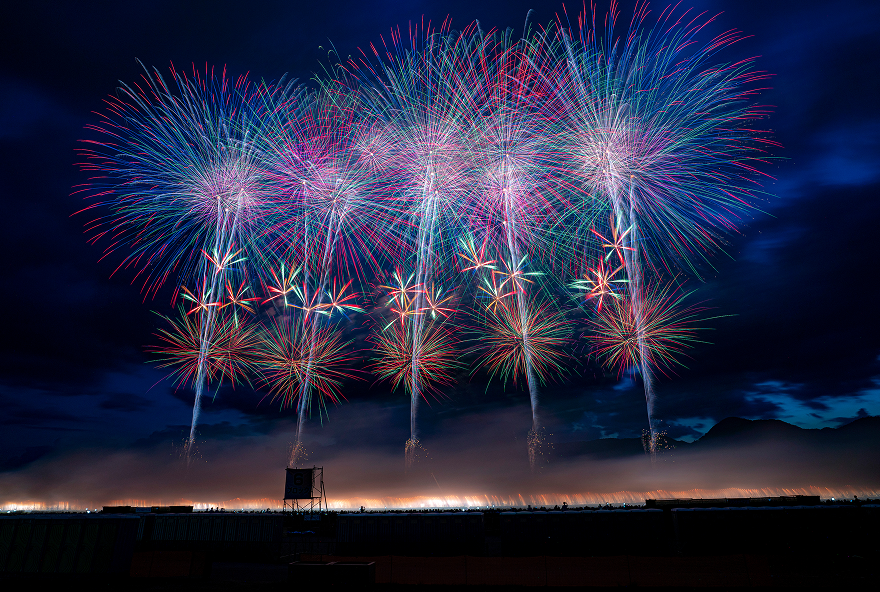
Official Website: https://www.oomagari-hanabi.com/
③ Sumida River Fireworks Festival, Tokyo
About the festival
Held in central Tokyo on the final Saturday of July each year, the Sumida River Fireworks Festival is one of the oldest and most famous fireworks festivals in Japan.
Why it is recommended
Visitors can enjoy the beautiful combination of traditional Japanese fireworks, modern skyscrapers, and Tokyo Skytree. Its convenient central location also makes it relatively easy for international residents and visitors to attend.
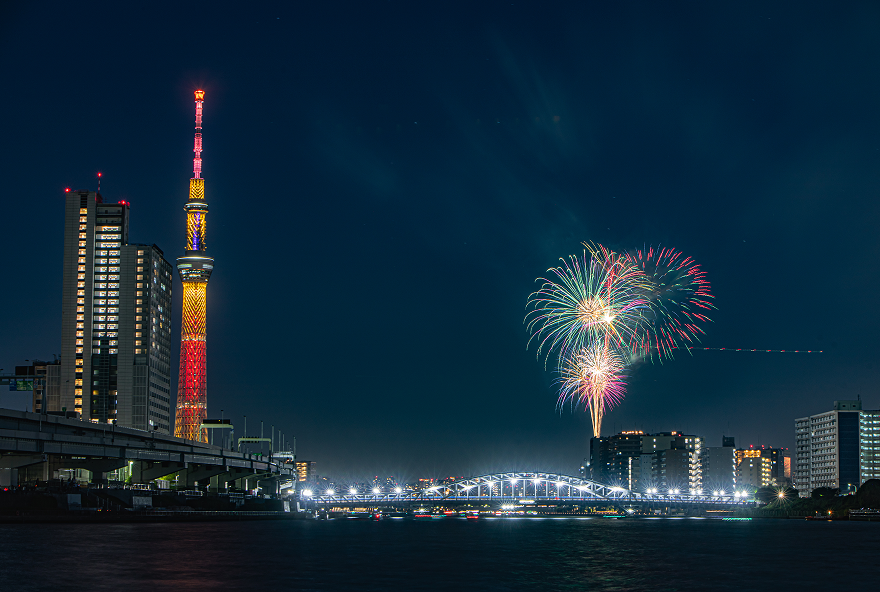
Official Website: https://www.sumidagawa-hanabi.com/
Of course, these are only a few examples. During summer, many other wonderful fireworks festivals of all sizes are held throughout Japan.Try searching online for the name of your area followed by “fireworks festival” to find an event near you.
Important Manners and Rules at Fireworks Festivals
Hundreds of thousands of people may gather at a single fireworks festival, so strict rules are necessary to ensure that everyone can enjoy the event safely.International residents should be especially careful to avoid actions that may be considered unacceptable, even when they are unfamiliar with local customs.
-
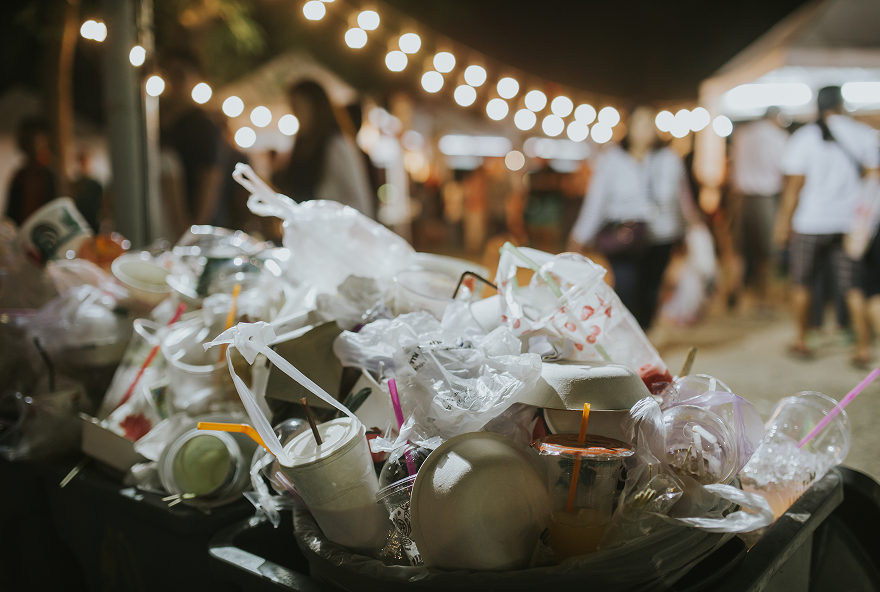
Always Take Your Trash Home
Trash from food purchased at festival stalls, known as yatai, should either be placed in designated trash bins or taken home with you.Never force your trash into the bins at nearby convenience stores or train stations. Bringing your own small trash bag is strongly recommended.。
-
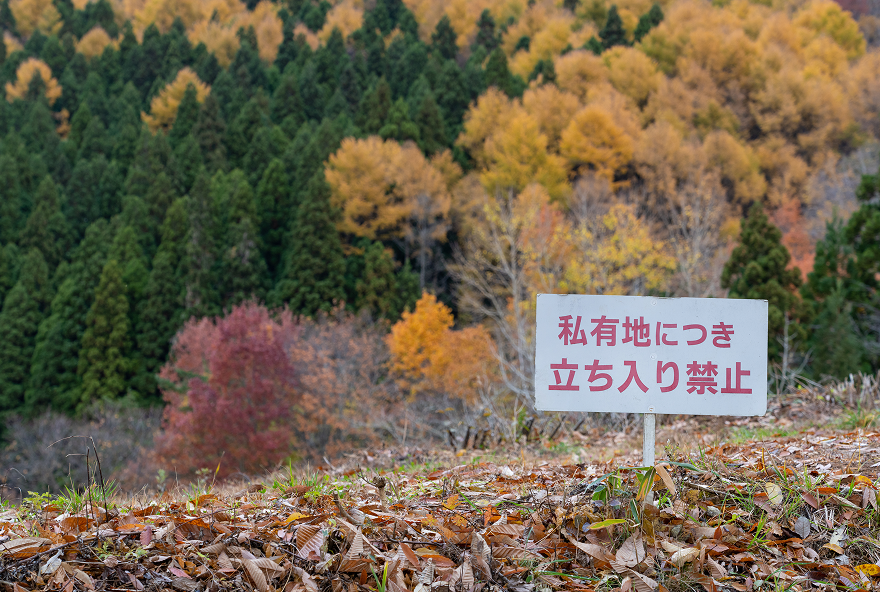
Do Not Enter or Sit on Private Property
Even when you are searching for a better view, entering and sitting in someone’s private parking space, apartment stairway, supermarket property, or other restricted area is a serious violation and may be considered trespassing.Stopping in the middle of a sidewalk or road to take photographs is also extremely dangerous because it blocks the movement of people behind you.
-
Follow the Rules for Reserving a Viewing Spot
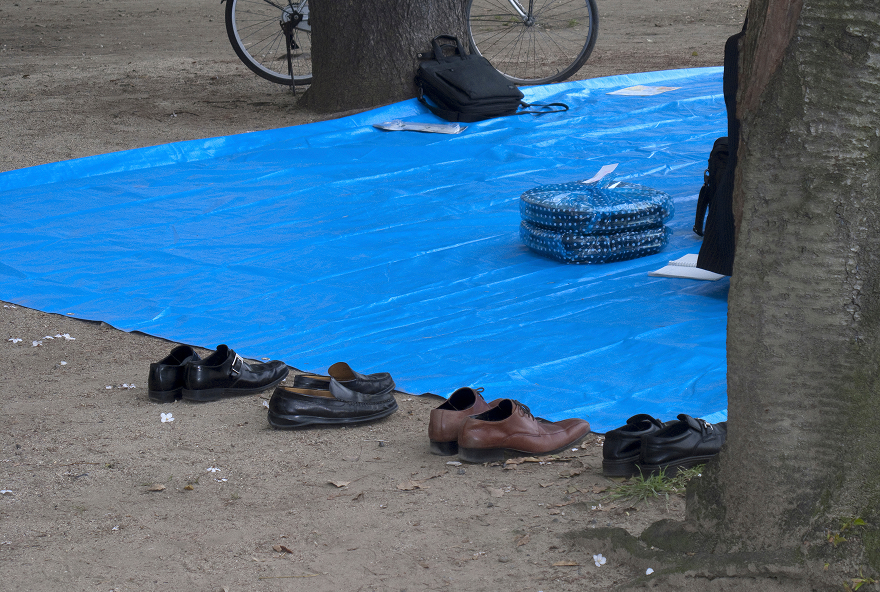
In free viewing areas, visitors may sometimes reserve a space by placing a picnic sheet on the ground.However, actions such as marking the ground with spray paint the night before or leaving stones to claim a space are prohibited.Each festival has its own rules, such as allowing visitors to reserve spaces only after a particular time on the day of the event. Always check and follow the official instructions.
Essential Tips for a Comfortable Experience
The journey home after a fireworks festival can be unbelievably crowded. The following tips can help make your experience safer and more comfortable.
-
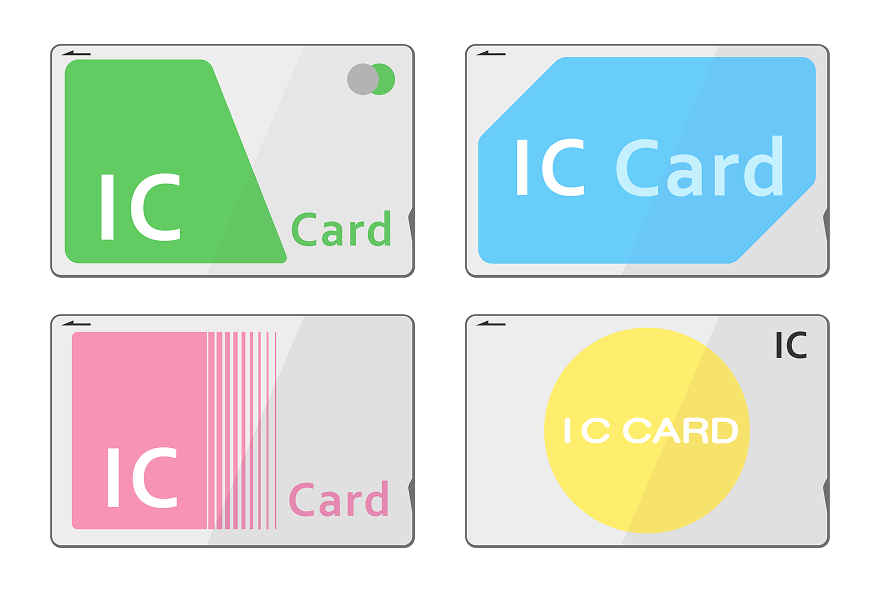
Charge Your Transportation IC Card When You Arrive
Ticket machines and ticket counters at the nearest station will be extremely crowded after the festival. When you arrive, make sure your transportation IC card, such as Suica or PASMO, has enough money for the return journey. When using a paper ticket, consider buying your return ticket in advance.
-
Bring Items to Prevent Heatstroke
Even at night, venues can become extremely hot and humid when tens of thousands of people are gathered in one place. Bring plenty of water, as well as useful cooling items such as a handheld electric fan or a neck cooler.

-
Prepare for Sudden Heavy Rain
From July to August, Japan can experience sudden and intense thunderstorms in the late afternoon or evening. These are often referred to as “guerrilla rainstorms.” Umbrellas are usually prohibited or strongly discouraged in crowded viewing areas because they can block other people’s view and may injure someone. Keeping a compact raincoat or poncho in your bag will allow you to evacuate safely without soaking your clothing or yukata.

Conclusion
Some of the rules may seem strict, but they reflect Japan’s culture of consideration for others and help everyone enjoy a summer evening safely and happily. Put on your favorite yukata, follow the local rules, and experience one of the most spectacular forms of summer entertainment Japan has to offer: a traditional Japanese fireworks festival.