
Karaoke in Japan: A Guide for Foreigners to Singing and Having Fun in Private Rooms!

Karaoke originated in Japan and has since become a popular form of entertainment around the world. Whether it's a gathering with friends, an after-work party with colleagues, or simply a way to relieve stress, karaoke is a familiar part of everyday life in Japan. However, karaoke in Japan can be quite different from what people are accustomed to in other countries. If you're visiting a Japanese karaoke establishment for the first time, you might have questions such as, "How do I book a room?", "How does the pricing work?", or "Can I sing English songs?" In this guide, we'll explain everything foreign residents need to know to enjoy karaoke in Japan, including basic rules, money-saving tips, and some of the country's most popular karaoke chains!
1. How Is Japanese Karaoke Different from Karaoke Abroad?
In many countries, karaoke typically involves singing on a stage in front of an audience at a bar or pub. In Japan, however, karaoke usually takes place in private rooms known as karaoke boxes.

-
Sing Without Feeling Embarrassed!
Japanese karaoke rooms are designed to reduce sound traveling between rooms, allowing you to sing freely with your friends without worrying too much about what strangers might think. Even if you're not a particularly confident singer, you can relax and have fun in your own private space!
-
Karaoke Isn't Just for Singing
Many karaoke rooms feature comfortable sofas, large screens, and extensive food and drink menus. Karaoke establishments are also increasingly used for activities beyond singing, including remote work, watching movies, and practicing musical instruments alone. In fact, singing karaoke alone is so popular in Japan that there's even a special term for it: hitokara (ひとカラ), short for hitori karaoke, meaning "solo karaoke."

2. Three Things You Should Know Before Booking a Karaoke Room
When you enter a karaoke establishment in Japan, you'll usually need to check in at the reception desk. Here are three important things to understand before booking your room.
1. Hourly rate or free time?
Most karaoke establishments offer two main types of pricing plans.
Hourly Rates (時間制 / Jikansei)
You pay based on how long you use the room, such as 30 minutes, one hour, or two hours. This is a good option if you only want to sing for a short period.
Free Time (フリータイム / Furī Taimu)
A flat-rate plan that allows you to stay for an extended period within designated hours. For example, some establishments offer daytime free-time packages from opening until the evening, while others offer late-night packages lasting until the following morning. If you're planning a long karaoke session, this can be a much better deal! Keep in mind that free-time plans may have restrictions during busy periods, and availability varies by location.
Tip for Foreign Residents: Karaoke prices can differ significantly depending on the time of day, day of the week, location, and membership status. Weekday afternoons are often considerably cheaper than Friday or Saturday nights. Always check whether the advertised price is per person or per room.

2) The One-Drink or One-Order Rule
Many karaoke establishments in Japan require each customer to order at least one drink or food item in addition to paying the room fee. This is called the one-order system (ワンオーダー制) or one-drink system (ワンドリンク制). Some establishments also offer unlimited soft drinks through a self-service drink bar. Other locations have different pricing systems, so it's worth checking whether drinks are included in your room fee before booking.

3.Choosing Your Karaoke System: JOYSOUND or DAM
At reception, you might be asked, "Which karaoke system would you prefer?" Japan has two major karaoke system brands: JOYSOUND and DAM.
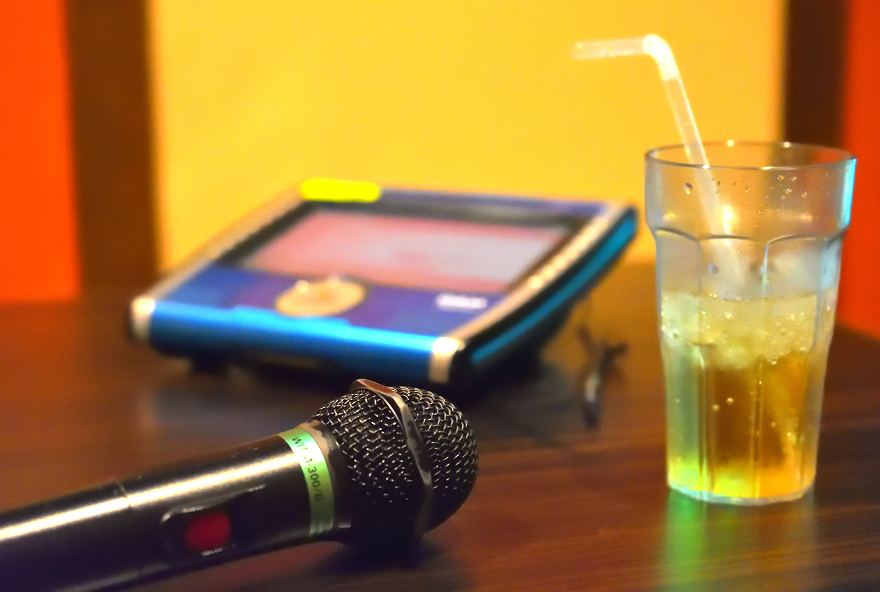
JOYSOUND
A good option for those interested in extensive song selections, including international music, K-pop, and anime songs.
DAM
Popular for its sound quality, official artist videos for selected songs, and detailed singing-score features.
Both systems offer Japanese and international songs, although their catalogs and features differ. Not every location has both systems available, so you may not always be able to choose.
3. How to Use the Karaoke Song Selection Tablet (Denmoku)
Once you've entered your room, you'll usually find a touchscreen remote control used to search for and queue songs. These devices are commonly called Denmoku (デンモク), particularly on DAM systems.
-
Switch the Language
Depending on the device and software version, you may be able to change the interface language to English, simplified or traditional Chinese, Korean, or other supported languages. Look for a language setting in the device's menu. The exact location varies by model.
-
Search for Songs Using the Alphabet
You can search for many English-language songs using their original titles or artist names. Some Japanese songs may also be searchable using Romanized names, although this depends on how they're registered in the system. If a song doesn't appear, try searching for the artist's name or using the original Japanese title.
-
Adjust the Pitch and Tempo
Most karaoke systems allow you to change the pitch (key) and speed of a song. If a song feels too high or too low for your voice, simply adjust the key to make it more comfortable to sing!
4. Popular Karaoke Chains in Japan
Japan has numerous karaoke chains, each offering different features, pricing plans, and services. Here are three well-known options worth checking out.
Karaoke Maneki Neko (Manekineko)
Official website
Features
Manekineko has locations throughout Japan and is particularly popular among students and budget-conscious karaoke fans. One of its biggest attractions is that many locations allow customers to bring their own food and drinks, making it easy to grab your favorite snacks at a convenience store or supermarket beforehand.
Best for: Budget-friendly karaoke sessions and groups who want to bring snacks.
Big Echo (BIG ECHO)
Official website
Features
BIG ECHO is operated by Daiichikosho, the company behind the DAM karaoke system. Its locations are known for their karaoke equipment and comfortable rooms. Many branches are conveniently located near major train stations. Depending on the location, various cashless payment methods, including credit cards and electronic payments, are available.
Best for: Those who prioritize sound quality, DAM features, and convenient locations.
Karaoke Kan (Karaokekan)
Official website
Features
Karaoke Kan is another familiar name in Japan, particularly in busy entertainment districts such as Shinjuku, Shibuya, and Osaka's Dotonbori area. Many branches offer a variety of room types, including larger rooms suitable for parties. Some locations may also have costume rental options or other special facilities. Language assistance and services vary by branch, so check with the location beforehand if you need English-language support.
Best for: Group gatherings, parties, and karaoke in major entertainment districts.
5. Karaoke Etiquette in Japan: What You Should Know
When visiting karaoke with friends or coworkers, following a few simple etiquette tips can help ensure everyone has a good time.
-
Don't Interrupt Someone Else's Song
Unless someone invites you to sing together, it's generally polite to let them have their turn with the microphone. Instead, you can clap along, cheer them on, or use a tambourine to keep the energy up!

-
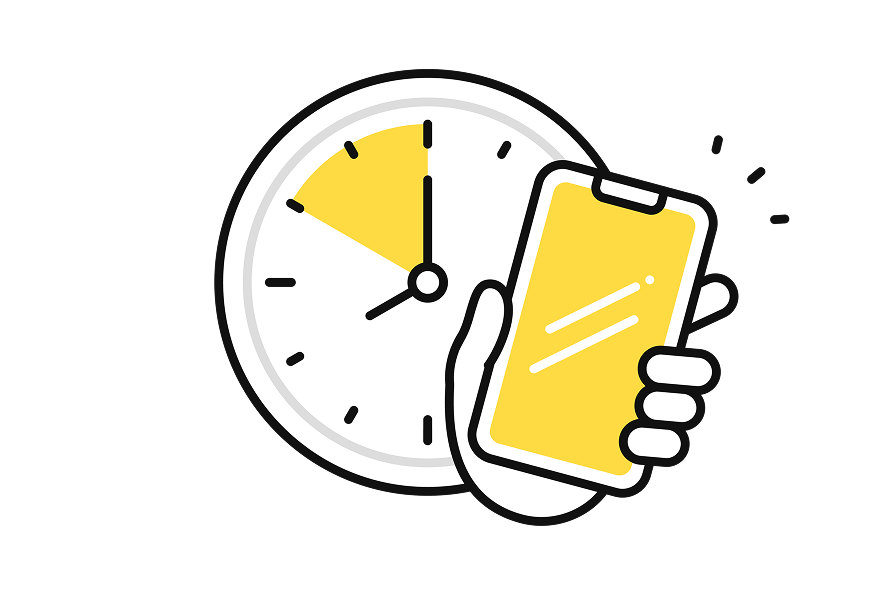
Be Ready to Leave When Your Time Is Up
At some karaoke establishments, a staff member will call your room approximately 10 minutes before your reserved time ends. This is often referred to as the 10-minute warning call (10分前コール). Other locations may use an on-screen notification or have no reminder at all. If you don't intend to extend your booking, finish your songs, collect your belongings, and head to reception by the scheduled end time.
-
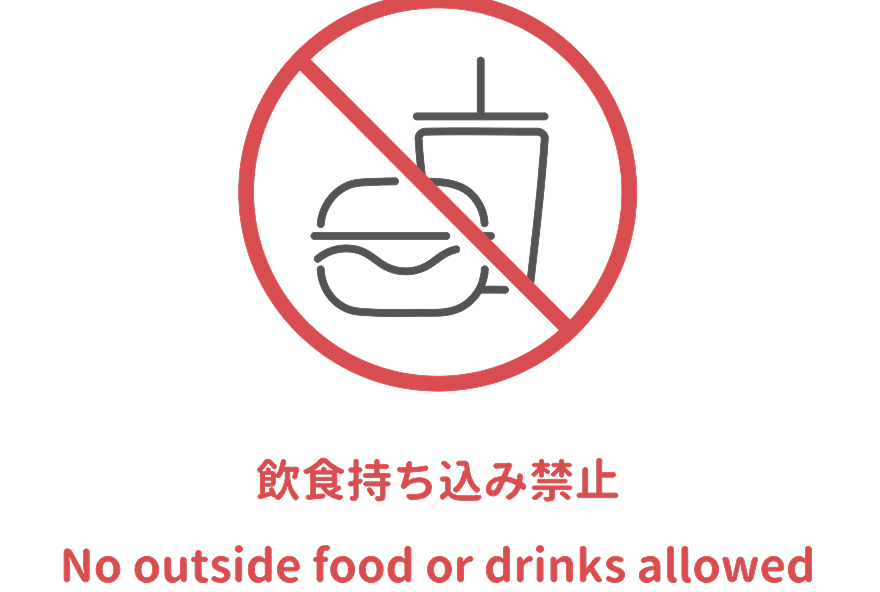
Check the Rules Before Bringing Food or Drinks
Some karaoke establishments, including many Manekineko locations, allow outside food and beverages. However, other chains or individual branches may prohibit them. Always check the rules of your particular location before bringing anything inside.
- Take Turns Choosing Songs
When singing with a group, try to make sure everyone gets an opportunity to choose their favorite songs. Even if you're excited to sing several tracks in a row, it's considerate to give others a turn before adding more songs to the queue.
- A Cultural Tip for Foreign Residents:
Karaoke is a common social activity among coworkers in Japan, particularly after company dinners. While some groups enjoy energetic performances, others prefer a more relaxed atmosphere. Pay attention to the group's mood, and remember that you don't have to be an amazing singer to participate!
Conclusion: Solo Karaoke Is Welcome, Too!
Karaoke in Japan isn't just for large parties or nights out with friends. Going alone, known as hitokara (一人カラオケ), is also a popular way to enjoy music, practice singing, or simply unwind. Karaoke staff are generally accustomed to customers visiting by themselves, so there's no need to feel embarrassed about booking a room for one. Whether you're looking for a fun weekend activity, a chance to practice singing Japanese songs, or a way to relieve stress after a long day, karaoke offers something for everyone. Next time you walk past a karaoke establishment in your neighborhood, why not step inside and give it a try? You might just discover one of your favorite ways to have fun in Japan!