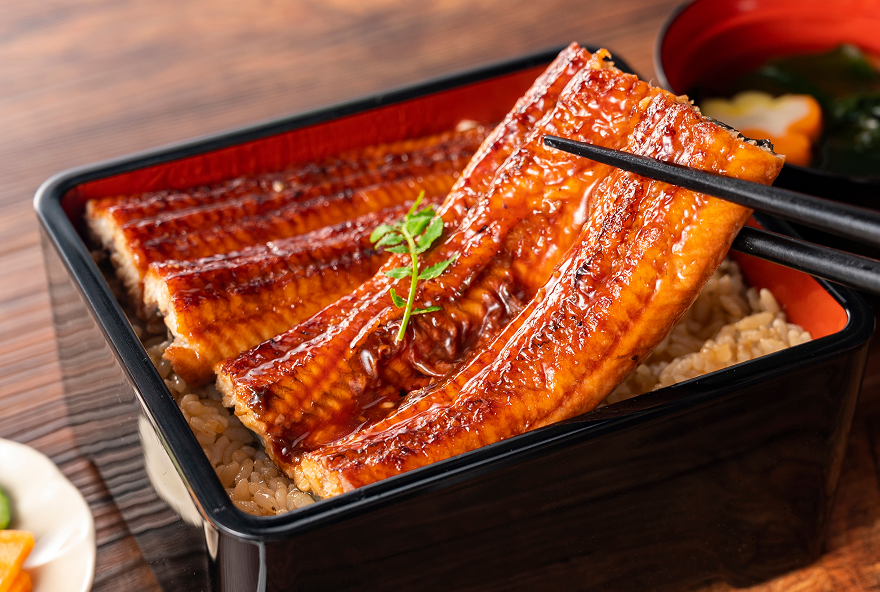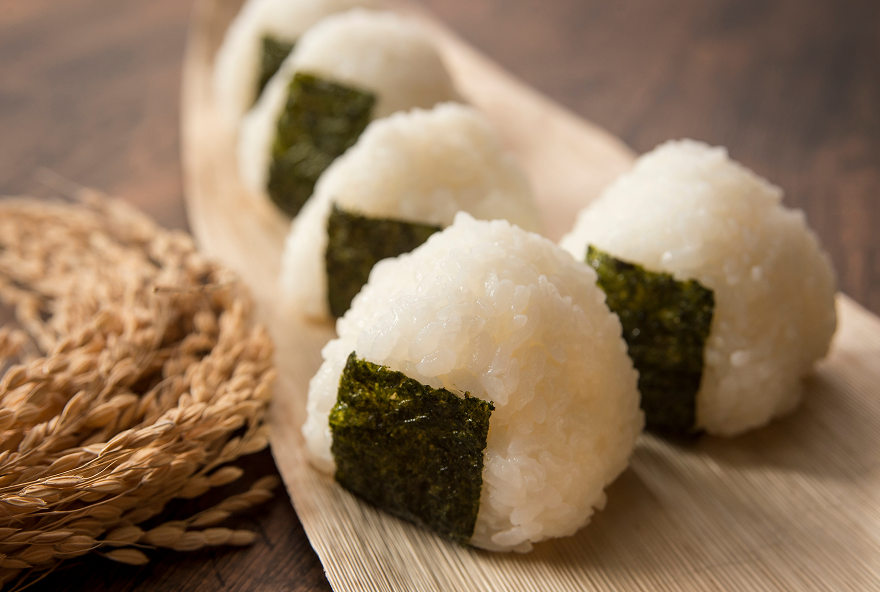
Japan's "Easy Meal" Culture - Convenient Foods Available at Convenience Stores and Supermarkets

Convenience stores and supermarkets of Japan have a wide variety of foods such as rice packets, canned foods, and “retort”(ready-to-eat) pouches are sold to support busy times, effortless meals, or to help expand or upgrade your cooking repertoire.
While frozen foods, sandwiches, or the deli section in supermarkets are the mainstream in many other countries, a distinctive feature of Japan is how easy it is to prepare a meal centered around plain white rice. The convenience of being able to enjoy comforting hot food immediately and effortlessly, with minimal sacrifice of quality, may come as a surprising experience for many foreigners.
Convenient Access
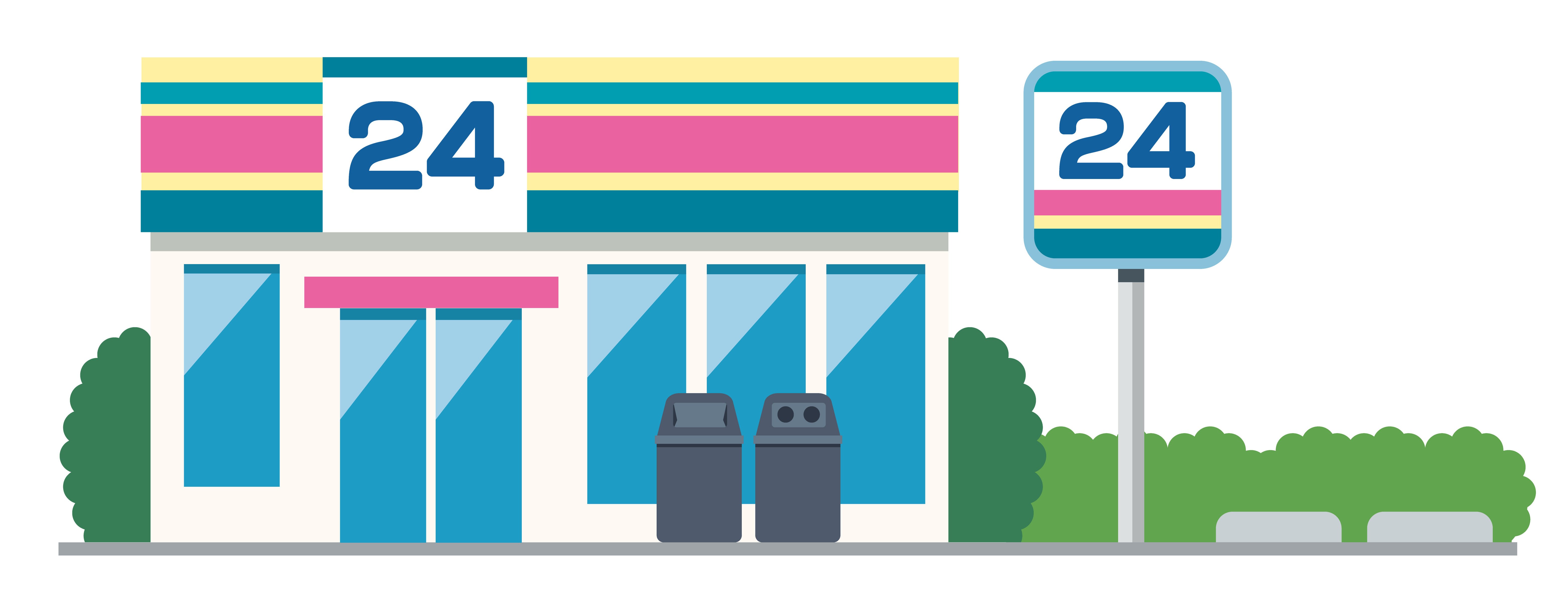
Convenience stores and supermarkets in Japan can be found almost everywhere - around train stations, in residential areas, and beyond. There are often multiple supermarkets within short walking distances, making food access that much easier.
Many convenience stores are open 24 hours a day, allowing people to shop very late at night or early in the morning. They don’t just sell food - they also offer alcoholic and nonalcoholic drinks (in forms of bottles, cans, but most stores also have coffee and smoothie machines), daily necessities, stationary, hygiene products, and more. You can get nearly everything you need to live your daily life,
24 hour convenience stores are found very often - there’s usually more than one on every block, thought it may depend on certain factors such as how densely populated the area is.
Either way, they are a reliable ally that supports everyday living, letting you stop by on your way home from work or when you suddenly need something in the middle of the night.
“Microwaveable Rice Packets” — Just Heat and Eat
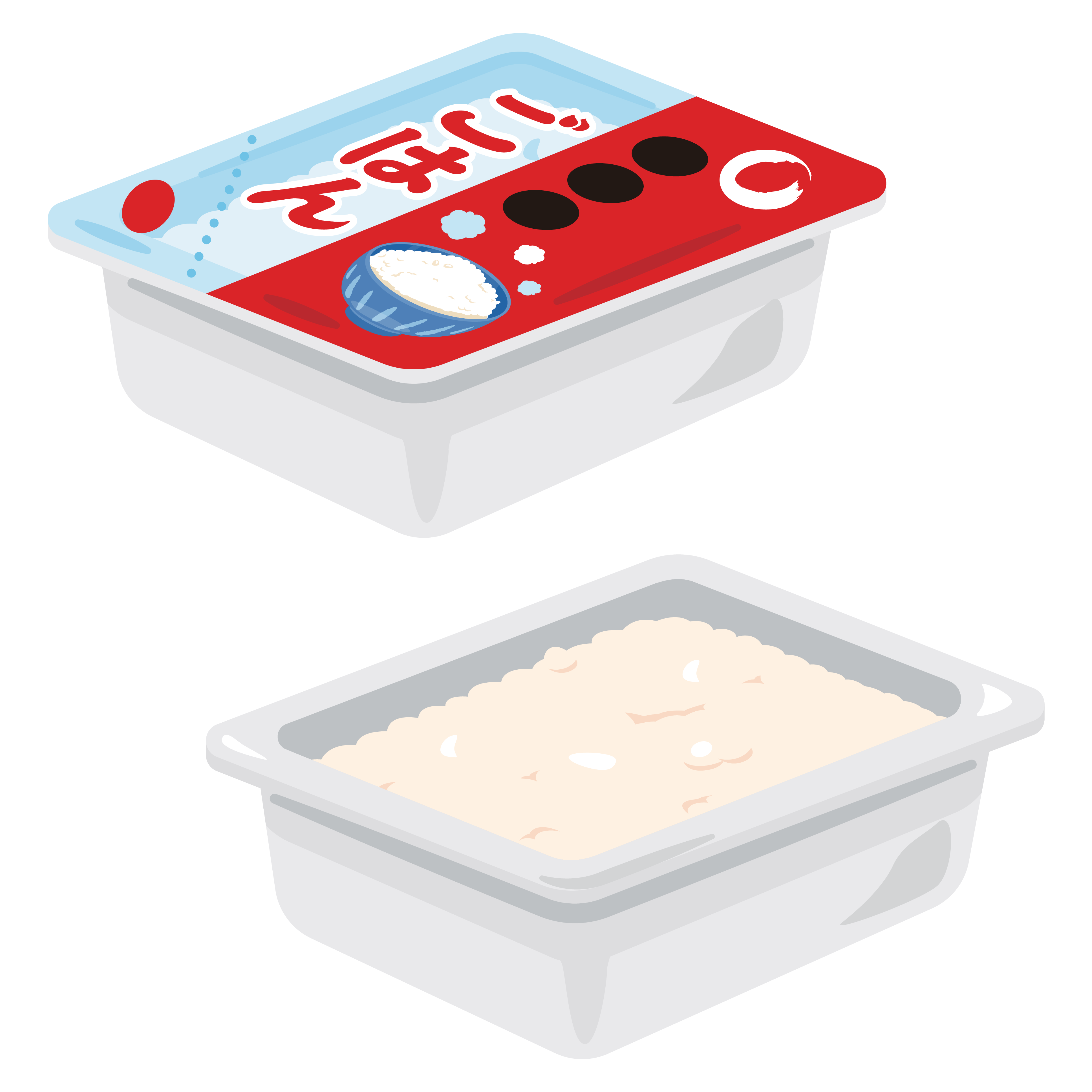
In supermarkets and convenience stores, you can find “rice packets”. The rice becomes fluffy and tastes exactly like it’s fresh out of the rice cooker, after just a few minutes in the microwave.
There are many varieties, including white rice, brown rice, and multigrain rice. They can be stored for a long time as well. These rice packets are very useful for busy mornings, after a long day of work when you don’t have energy to cook a full meal from scratch, or even as emergency food during disasters.
Many types can also be eaten directly from the packet, making them convenient even in situations where you don’t have cooking tools or dishes - a big part of their appeal.
Canned Foods - Great as Side Dishes or Emergency Supplies

In Japan, canned foods are not just for long-term storage. Many are high-quality and ready to eat as full side dishes.
Some notable examples include:
- Mackerel simmered in miso or unflavored (boiled in water)
- Grilled chicken
- Simmered hamburg steak
- Tuna and salmon flakes
- Seasoned bamboo shoot rice or mixed rice ingredients
The seasonings and flavors are also quite diverse. Options include but are not limited to, Japanese, Western, or Chinese-style varieties, easily adding color and variety to your meal. They are popular as emergency food supplies, and also amongst people living alone seeking a quick but satisfying meal.
Enjoy Restaurant-Quality Flavors Easily at Home with Retort (Ready-Made) Pouch Foods
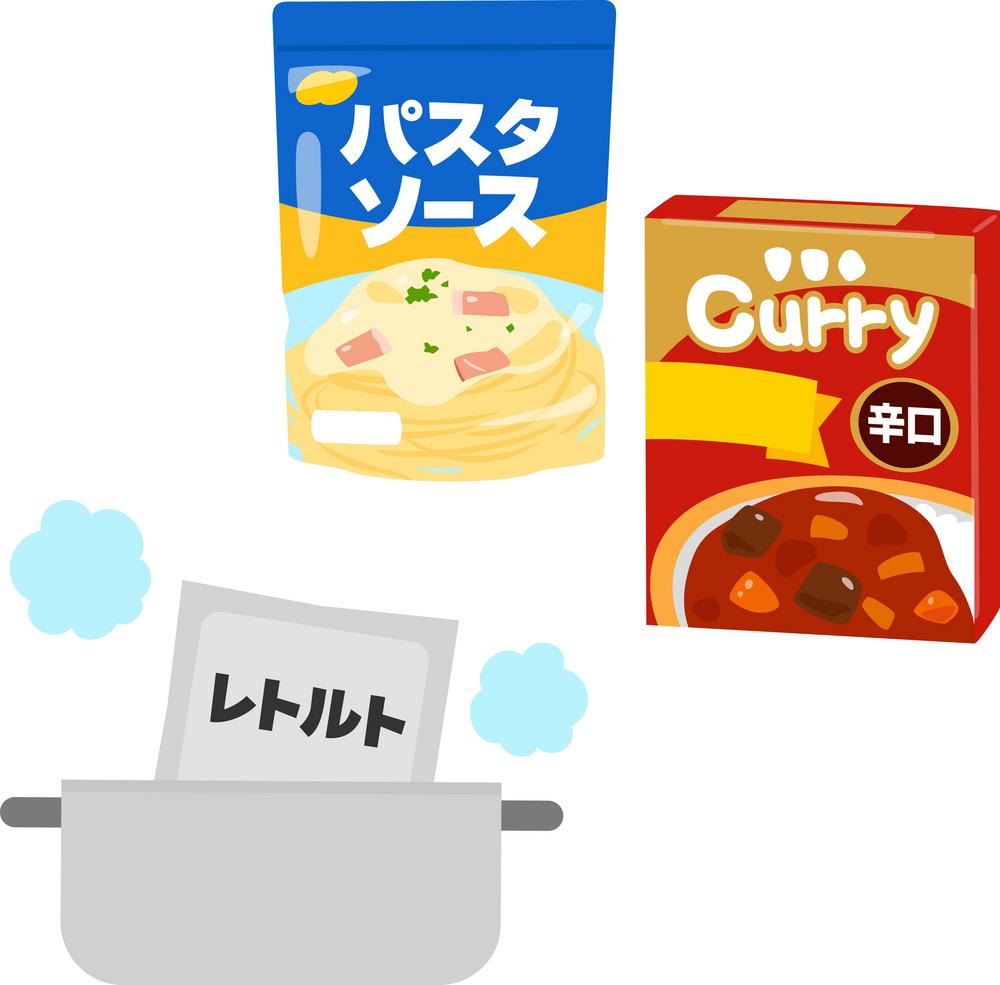
Retort foods, just like canned foods, are perfect for busy daily life, for people living alone, and as emergency supplies in times of disaster.
Meals sealed in pouches can be quickly and deliciously enjoyed just by heating them in hot water or a microwave.
There’s a wide variety in regards to what they can be - curries, stews, pasta sauces, soups, rice bowls, and more. Since they have a long shelf life, they’re convenient to keep in stock even if you don’t use them right after purchase.
There is no necessity for advanced cooking utensils, either. Just follow the simple instructions on the container, and voila ! Your food is ready.
Convenient Combinations

By pairing packaged rice with canned foods, you can prepare a satisfying meal in no time.
For example, placing canned mackerel in miso sauce on top of warm rice creates a hearty, teishoku (combo/set) style dish.
Another option is mixing in canned tuna with rice. With just a little creativity, you can make a well-balanced and nutritious meal.
This idea of “eating effectively but efficiently” is a style of Japanese food culture that seems to have naturally formed and developed over time.
Usage Etiquette and Cautions When Using Convenient Foods in Japan
When using convenient foods, there are a few manners and precautions to keep in mind:
-
Microwave Heating Precautions
Always follow the heating instructions written on the package. Heating a sealed container without opening it can cause it to burst.
-
Sorting Trash After Meals
In Japan, garbage must be separated according to local rules - for example, “burnable waste,” “plastic,” or “cans and bottles.” Even if you eat outside, it’s good manners to take your trash home and dispose of it properly.
-
Eating and Drinking in Public Spaces
Please refrain from eating and drinking on public transportation such as trains or buses. Particular care is needed when consuming foods that have a strong smell.
-
Storage and Handling
Once opened, consume the food immediately.
For unopened items, avoid direct sunlight and store them according to the instructions on the product label.
Conclusion
Japanese convenience stores and supermarkets stock a wide variety of products, including rice packets, canned side dishes, and retort pouches that are not commonly seen overseas.
These foods have become a familiar part of daily life in Japan as high-quality, convenient options that help people to get proper nutrition even when short on time.
Experience Japan’s unique “easy meal culture,” where you can enjoy warm, delicious meals effortlessly, in just minutes.