The Ultimate Mobile Food: The History of Onigiri and a Guide to Tokyo’s Top Shops for Busy Lunch Times
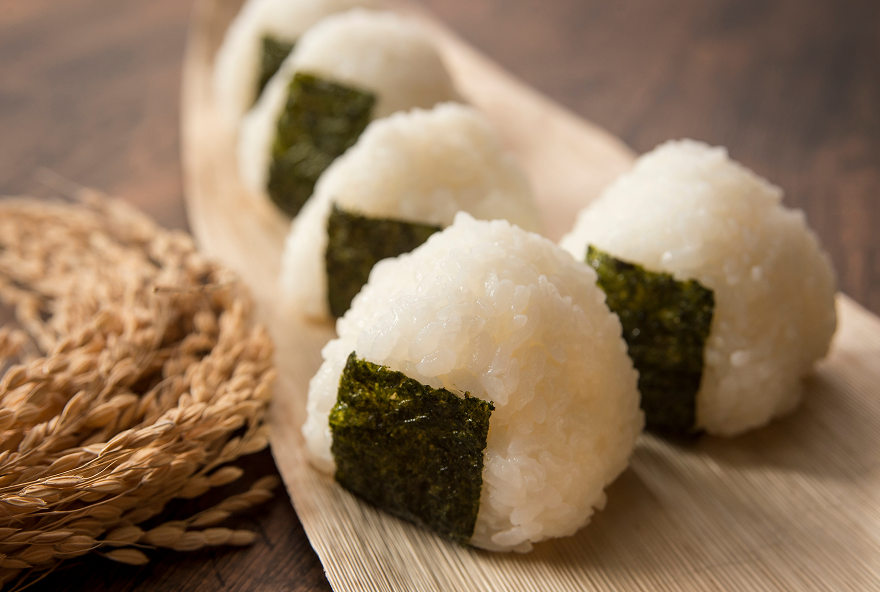
“Onigiri” (rice balls) are an ever-present staple in Japan, found in convenience stores, supermarkets, and on everyday dining tables. How have rice balls become so ingrained into the Japanese culture and their every day life? The answer lies in Japan’s history, as well as its modern work culture, combined with the exceptional convenience of onigiri - they can be quickly eaten even in the midst of a busy schedule. This article will explore the origins of onigiri and introduce a selection of recommended specialty shops in Tokyo, where these onigiris- both a savior for today’s busy lunchtime and a source of exquisite flavor- can be enjoyed at their finest.
Loved by Samurai and Travelers - The Deep History and Origins of Onigiri
The history of onigiri dates back remarkably far, developing in tandem with Japan’s rice cultivation culture.
-
Roots Date Back to Over 2,000 Years Ago:
Archaeological sites from the Yayoi period have revealed what are often referred to as “onigiri fossils” (carbonized clumps of rice). This suggests that even in ancient times, people in Japan shaped rice into portable portions to carry with them.
-
A Battlefield Provision For Samurai During the Sengoku Period:
Onigiri became more widely established from the Kamakura through the Sengoku period. Because they could be eaten anytime, anywhere, without the need for fire, they were highly valued by warriors as portable preserved rations for the battlefield.
-
A Traveler’s Meal in the Edo Period:
With the development of road networks during the Edo period, onigiri became a common travel meal. The practice of adding pickled plum (umeboshi) or applying a generous amount of salt reflects the practical wisdom of earlier generations, as both helped prevent spoilage through their natural antibacterial properties.

The Ultimate in Convenience: The Ideal Fast Food for Today’s Busy Lunches
The reason onigiri have remained largely unchanged for centuries and continue to be loved today lies in their convenience, which fits seamlessly into modern busy lifestyles, especially during time-constrained lunch breaks.
1. Easy to Eat with One Hand - No Utensils or Dishes Required
Their greatest appeal is that they can be eaten with one hand, without the need for chopsticks or plates. Whether during a short lunch break, while moving between meetings, or even at a desk in front of a computer, they provide a quick and efficient source of energy. In this sense, they are the ultimate mobile food for today’s business professionals.

2. Compact, Yet Nutritionally Balanced
Within their palm-sized form, onigiri contain a well-balanced combination of nutrients: rice (carbohydrates) as an energy source, mineral-rich seaweed, and fillings such as salmon or kelp that provide protein and vitamins. Even when time is limited, a single onigiri offers a practical and satisfying meal.
3. Easy to Carry and Enjoyable Even When Cold
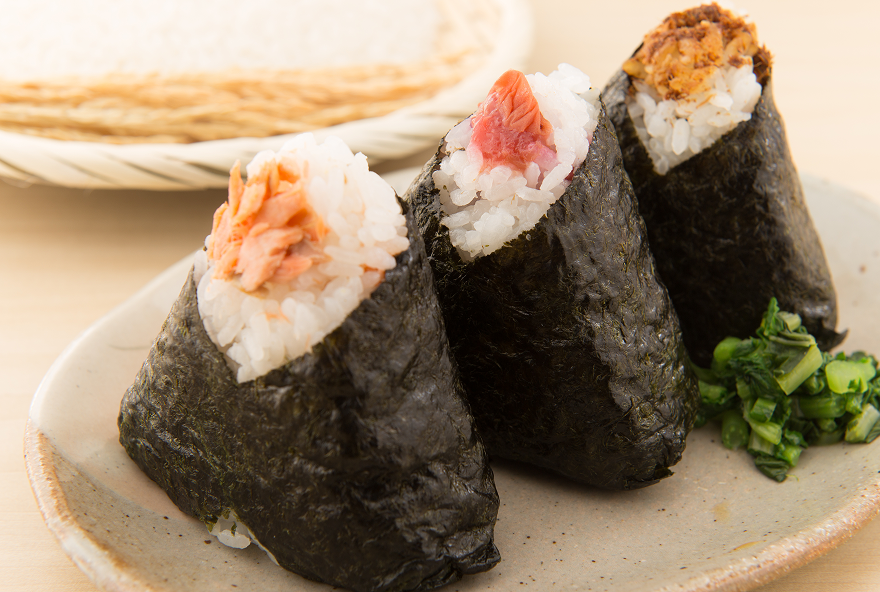
Japanese rice retains its natural sweetness and pleasantly soft, chewy texture even after it has cooled. This makes onigiri especially well-suited to being purchased during the morning commute and eaten later at the workplace.
4. Add Miso Soup for a More Complete Meal
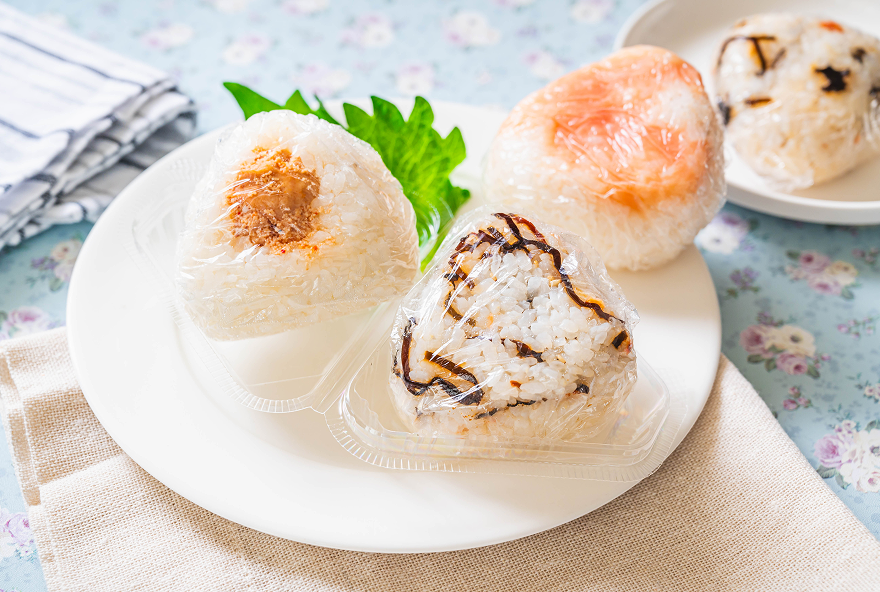
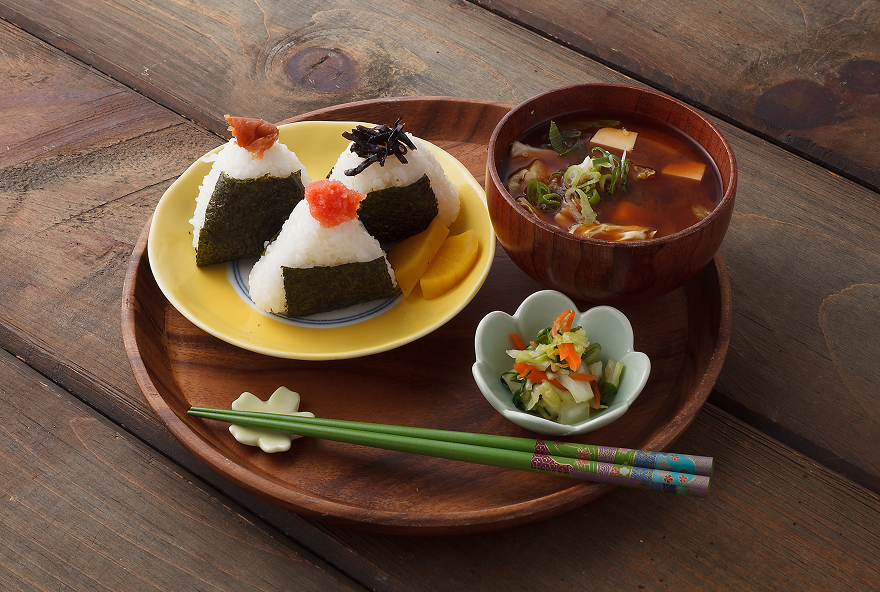
While onigiri alone are convenient, pairing them with a warm bowl of miso soup significantly enhances the overall experience. The aroma of fermented miso and dashi complements the natural sweetness of the rice, while the addition of vegetables further improves the nutritional value. Even during a busy lunch break, this classic combination can provide both physical nourishment and a sense of comfort.
Upgrade Your Busy-Day Lunch: Three Must-Visit Onigiri Specialty Shops in Tokyo
While preserving the inherent convenience of onigiri - quick and easy to eat - these specialty shops elevate them to an exceptional level through skilled craftsmanship and carefully selected ingredients. Why not take some to go and enjoy a more satisfying lunch break?
1. A Modern Ally for Busy Professionals: TARO TOKYO ONIGIRI (Nihonbashi and other locations)
A stylish onigiri shop with locations primarily in business districts such as Nihonbashi. Designed to suit the needs of today’s busy workers, it offers not only white rice but also nutritionally rich options such as brown rice and black rice. Combining the convenience of a one-handed meal with a health-conscious approach and inventive flavors like scallop with salted koji butter, these onigiri represent a modern evolution of mobile food.
Official website: https://www.tarotokyo.jp/
2. Tokyo’s Oldest Onigiri Specialty Shop: Onigiri Asakusa Yadoroku (Asakusa)
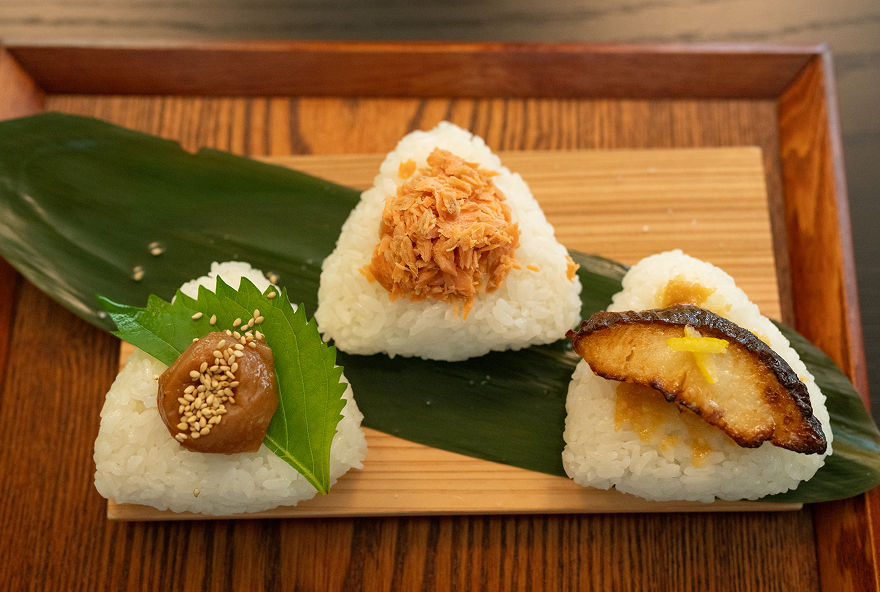
Established in 1954, this is the oldest onigiri specialty shop in Tokyo, located in Asakusa, an area that still retains the atmosphere of Edo-period downtown culture. Using Koshihikari rice cooked in large traditional kettles, each onigiri is shaped by hand - without molds - using a refined, delicate technique. It is an ideal stop during a stroll through historic Asakusa to experience a traditional form of Japanese fast food.
Official website: http://onigiriyadoroku.com/
3. Freshly Made, Right Before You: Onigiri Bongo (Ōtsuka)
A highly popular shop offering more than 50 varieties of fillings at any given time. While lines are common during lunchtime, takeout can be arranged smoothly with advance phone reservations.
When you want a warm, satisfying meal but have limited time, these generously filled, softly shaped onigiri make for a truly comforting and fulfilling option.
Official website: https://www.onigiribongo.info/
While this selection highlights notable shops in Tokyo, there are countless onigiri specialty stores throughout Japan, each offering unique flavors made with locally grown rice and regional ingredients.Try searching online or on a map app for “onigiri specialty shop” along with the name of your area or travel destination - you may just discover a new favorite.
In Conclusion
Throughout its long history, onigiri has continued to support everyday life in Japan. Within its small triangular form are contained the wisdom of past generations, as well as the ultimate convenience that continues to suit today’s busy lunch hours. Why not take a moment at your next lunch to reflect on this rich history, and enjoy an onigiri from a carefully crafted specialty shop?