The difference between "best before date" and "use-by date" for food products in Japan

When you buy food at a supermarket or convenience store in Japan, you will usually see a date printed somewhere on the package. However, Japan uses two different types of expiration-related dates: shōhi kigen (消費期限), or “use-by date,” and shōmi kigen (賞味期限), or “best-before date.” Many foreign residents and visitors may wonder, “Do I have to throw this away once the date has passed?” In this article, we will clearly explain the difference between these two dates and how to read them correctly so that you can enjoy Japanese food safely.
1. “Use-By Date” (消費期限) Is About Safety
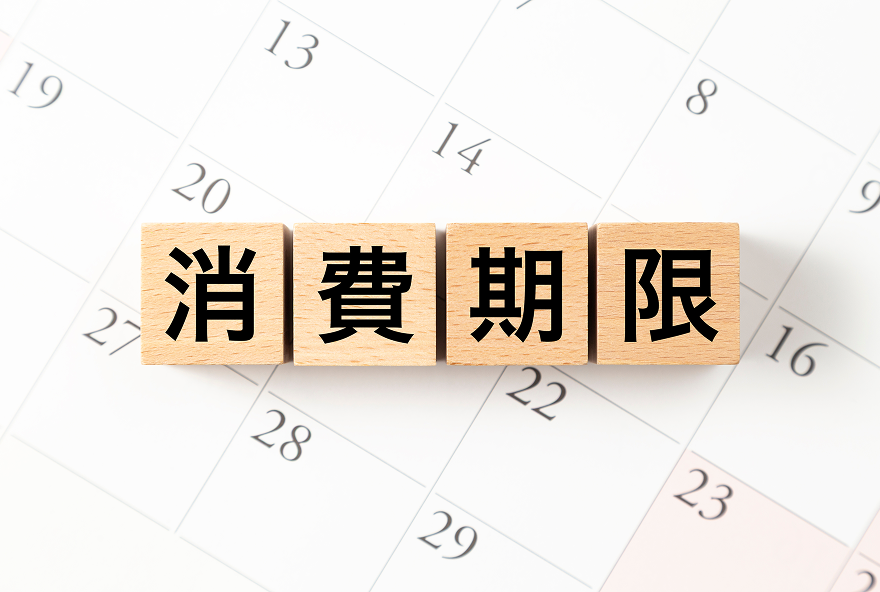
A use-by date (消費期限) tells you the date by which the food should be eaten for safety reasons. Food that has passed this date may carry a greater risk of causing food poisoning or illness, so you should not eat it after the use-by date has passed.
-
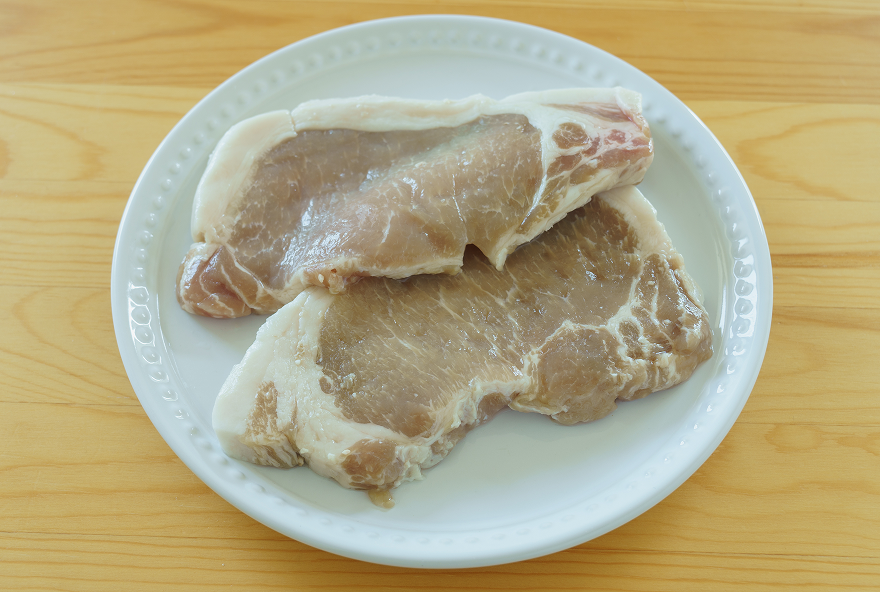
Foods that usually have a use-by date:
Bento boxes, meat, fish, fresh sweets, and other perishable foods.
-
Characteristics:
Use-by dates are generally placed on foods that spoil relatively quickly, usually within about five days of being produced. Manufacturers determine the date for each product based on scientific testing.
-
Rule:
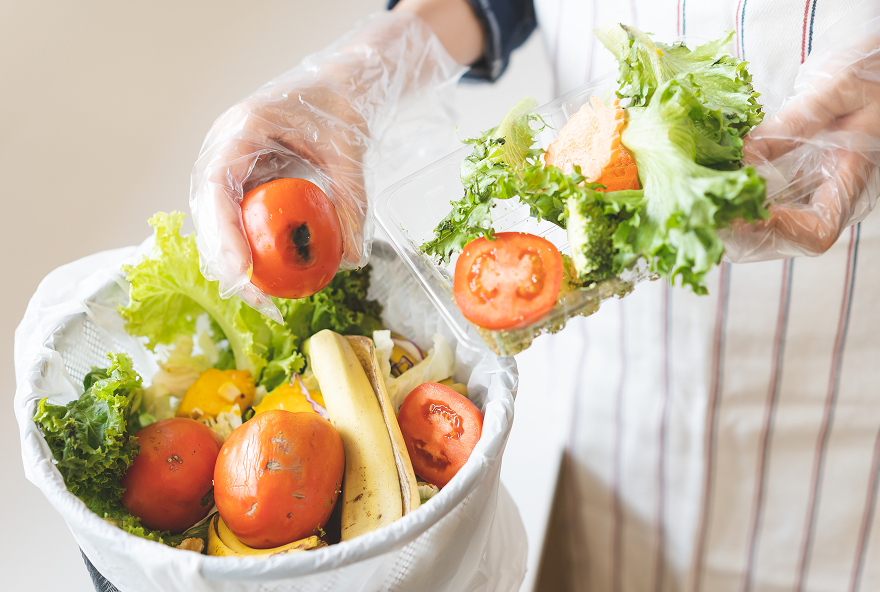
Once the use-by date has passed, throw the food away even if it feels wasteful.
2. “Best-Before Date” (賞味期限) Is About Quality and Taste
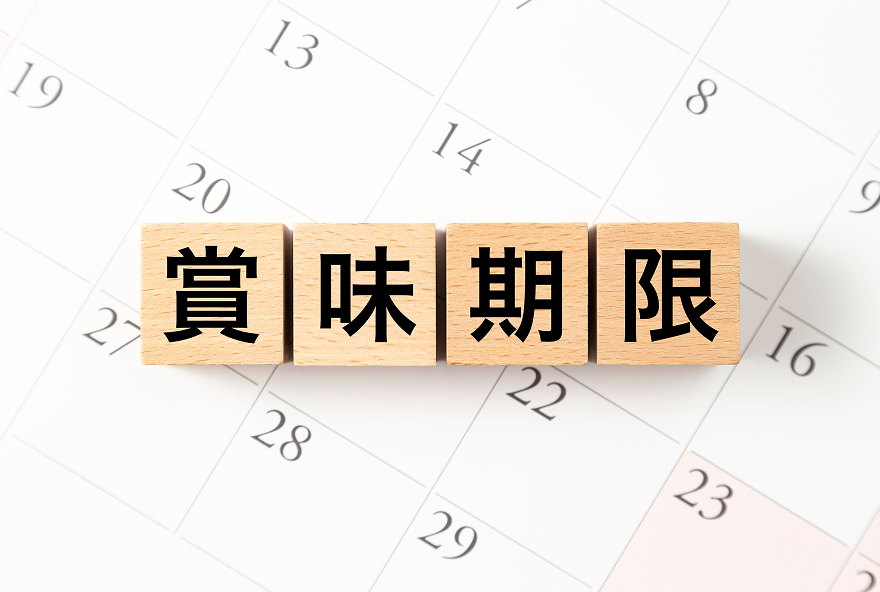
A best-before date (賞味期限) tells you how long the product is expected to remain at its best quality and taste. Passing this date does not necessarily mean that the food immediately becomes unsafe to eat, so you do not always need to throw it away as soon as the date passes.
-
Foods that usually have a best-before date:
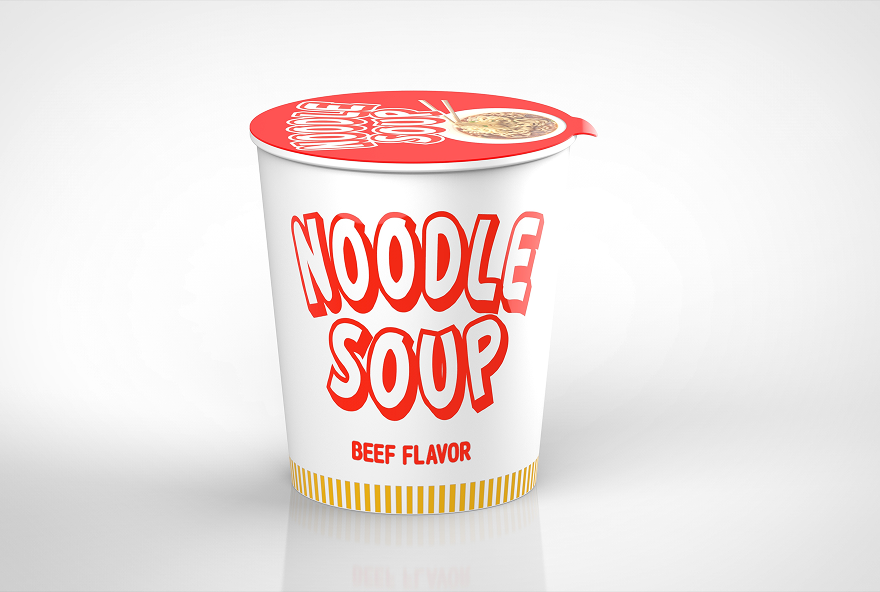
Snacks, instant cup noodles, canned foods, bottled drinks, and other products with a relatively long shelf life.
-
Characteristics:
Best-before dates are generally used for foods that can be stored for longer periods.
-
Rule:
Even after the best-before date has passed, the food may still be edible if it has been stored correctly and there are no noticeable problems with its appearance, smell, or taste.
-
Important: When should you throw it away?
If you check food that has passed its best-before date and notice anything unusual, such as a strange smell, unusual taste, or anything else that makes you feel it may be unsafe, do not eat it. Throw it away. Using your own senses to check the condition of the food is also important.
A short video explaining the difference between “use-by” and “best-before” dates in English from a foreigner’s perspective.
3. How to Read Japanese Dates
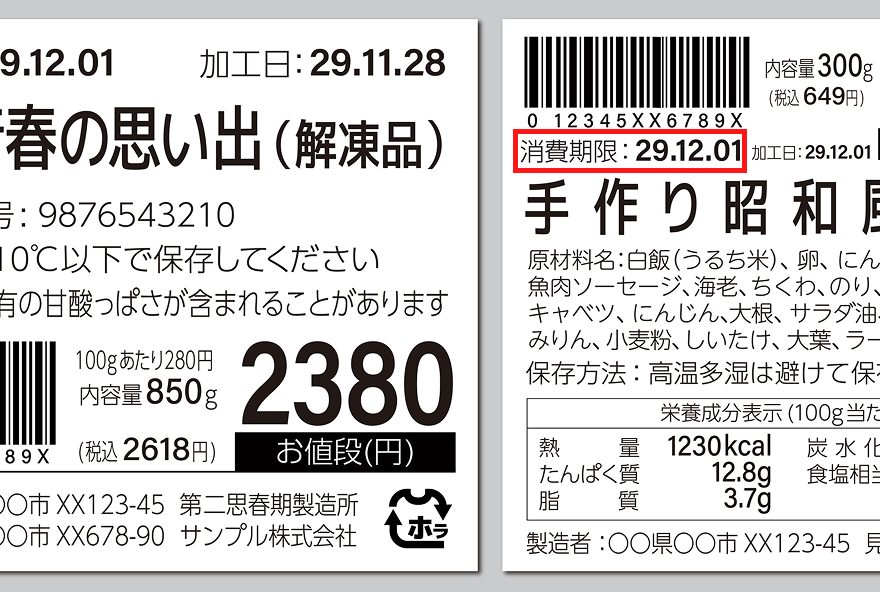
Another thing that can be confusing for foreigners is the order in which dates are written on Japanese food packaging. In Japan, dates are generally written in the following order: Year.Month.Day
-
Example: If it says "29.12.01"
This means "December 1st, 2029".
*This is not "December 29, 2001".
Remembering that the first number represents the year will help you avoid mistakes with deadlines.
4. Storage Instructions and Discount Stickers
There are two other things worth checking along with the date on the package. Understanding them can make shopping in Japan both safer and more convenient.
-
Follow the storage instructions
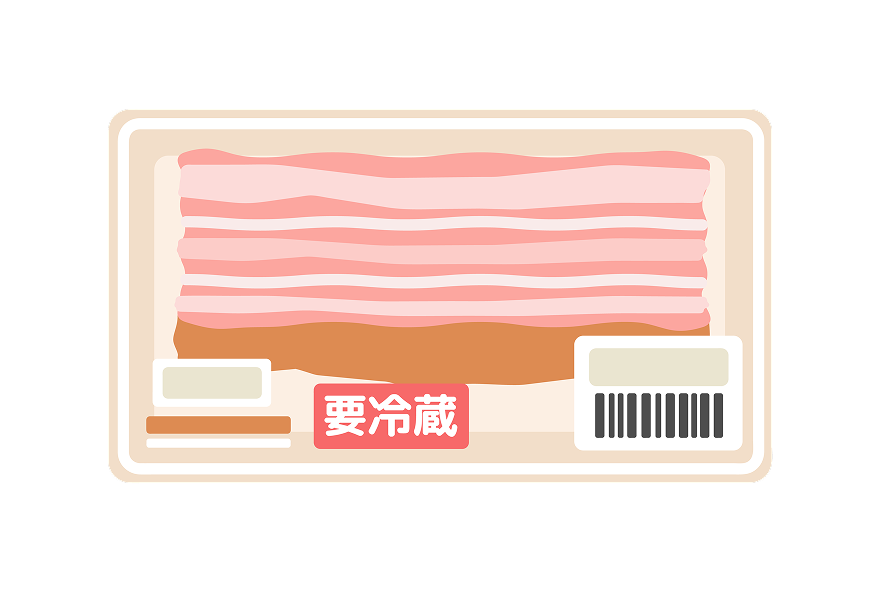
Both use-by and best-before dates are based on the assumption that the food has been stored under the correct conditions. If the package says 要冷蔵 (yō-reizō / keep refrigerated), place the product in the refrigerator at 10°C or below as soon as possible after buying it. If it says that the product can be stored at room temperature, keep it in a cool place according to the instructions on the package.
-
Look for discount stickers
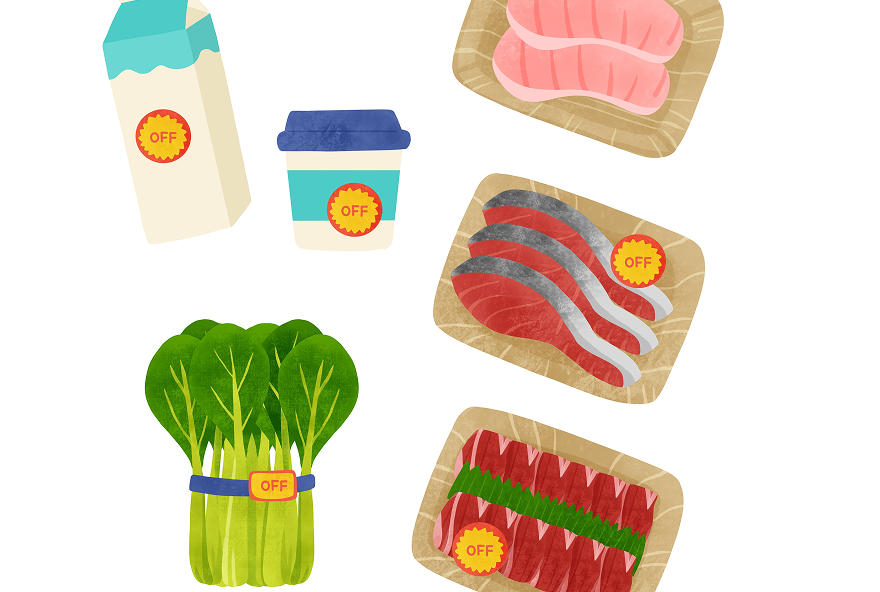
At Japanese supermarkets, you may notice discount stickers appearing on bento boxes, meat, and other perishable foods in the evening as they approach their use-by dates. These stickers may say things such as 半額 (50% off) or 20%引 (20% off). If you are planning to eat the food that same day, buying discounted products like these can be a great way to save money.
5. Important: Once Opened, Eat the Food as Soon as Possible
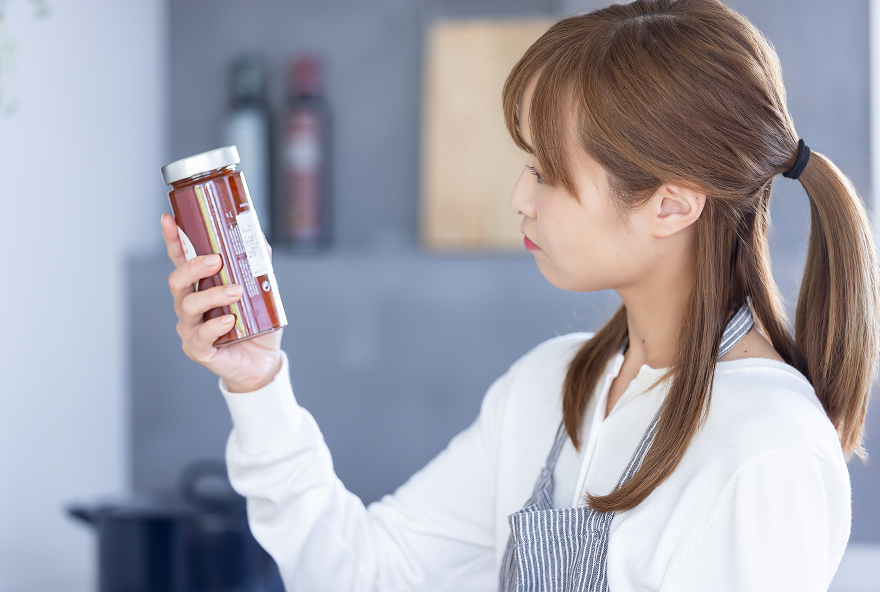
There is one particularly important rule to remember when living in Japan. Both use-by dates and best-before dates generally apply to products that have not yet been opened. Once you open the package, the printed date should no longer be treated as a guarantee of how long the food will remain safe or fresh. Food begins to deteriorate more quickly once it is exposed to air. After opening a package, follow the storage instructions and try to finish the food as soon as possible, regardless of the date printed on the package.
Summary: Reduce Food Waste by Understanding the Dates
When shopping at a Japanese supermarket, remember these two basic rules:
Use-by date (消費期限): Do not eat the food after the date has passed.
Best-before date (賞味期限): The food does not necessarily become inedible immediately after the date has passed.
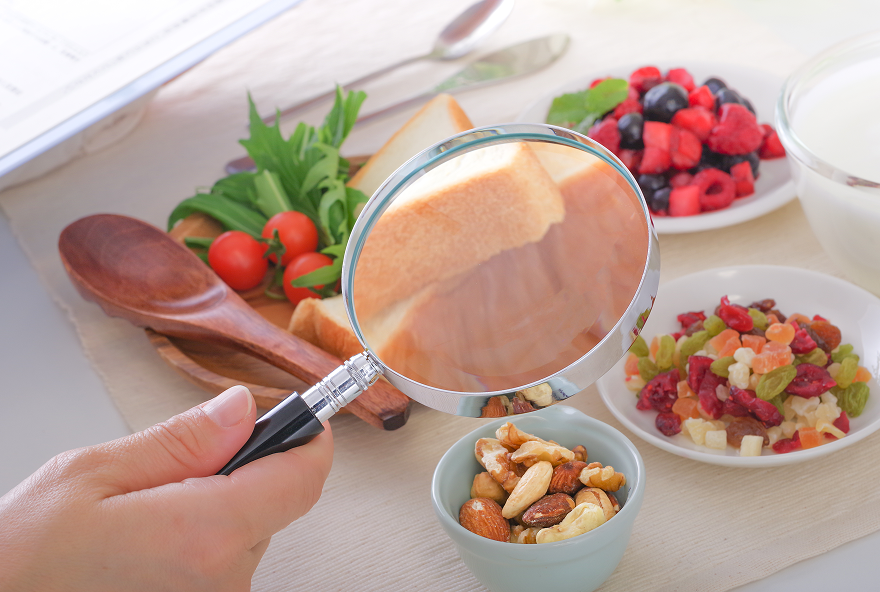
Food waste, or “food loss” (フードロス), caused by throwing away food that is still edible is an ongoing issue in Japan. By correctly understanding what a best-before date means, you can avoid unnecessary waste, save money, and make more environmentally friendly choices. With the right knowledge, you can safely enjoy all the delicious food Japan has to offer!