The Longest Holiday in Japan! How to Spend Golden Week (GW) and What to Keep In Mind

After beginning life in Japan, one term you are likely to hear frequently as spring approaches is “Golden Week (GW).” This refers to Japan’s longest holiday period, during which several national holidays are concentrated between late April and early May. In 2026, many people will observe a five-day holiday from May 2 (Saturday) to May 6 (Wednesday). By taking additional leave on the intervening weekdays, it is possible to extend this period even further. Given this rare opportunity for an extended break, many look forward to making the most of their time off. This article introduces practical tips for enjoying Golden Week comfortably, as well as common pitfalls that foreign residents may encounter.
What kind of holiday is Golden Week?
Golden Week is formed by a combination of weekends and the following four national holidays:
- April 29: Shōwa no Hi (a national holiday commemorating the Shōwa era and Emperor Shōwa)
- May 3: Kenpō Kinenbi (Constitution Memorial Day, marking the enactment of Japan’s postwar constitution)
- May 4: Midori no Hi (Greenery Day, dedicated to appreciating nature)
- May 5: Kodomo no Hi (Children’s Day, celebrating the happiness and healthy growth of children)
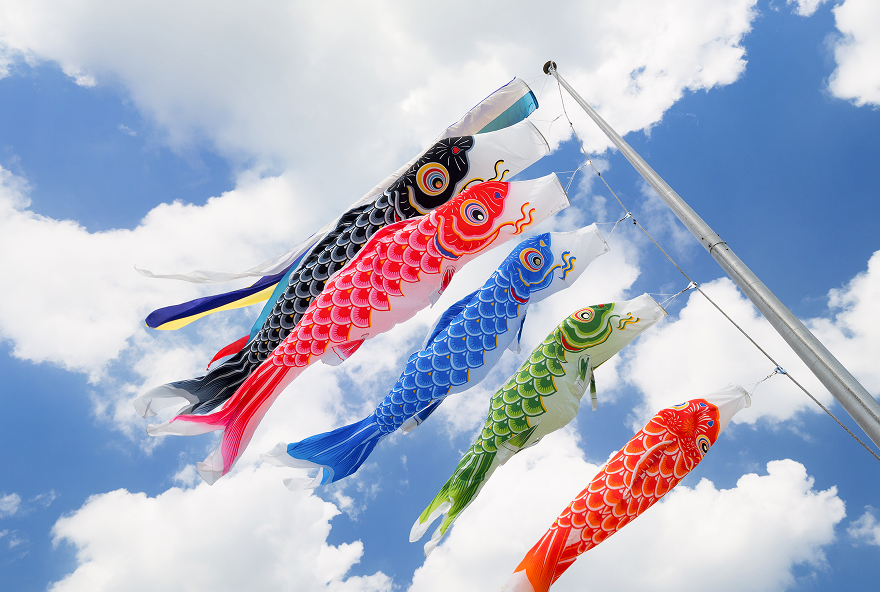
During this period, it is customary to display koinobori (carp-shaped streamers flown in the sky to symbolize children’s strength and success).
At this time of year, the weather is generally pleasant, and people across Japan travel or return to their hometowns - referred to as kisei (returning to one’s hometown) -resulting in noticeable changes to the atmosphere of cities and transportation systems.
Essential Tips You Should Know for Golden Week
If you are not yet familiar with Golden Week in Japan, unexpected inconveniences can arise. Before the holiday period begins, it is important to keep the following three points in mind.
Note 1: Government Offices, Banks, and Post Offices Close
During Golden Week, public services follow the official holiday calendar, meaning that municipal offices, such as shiyakusho / kuyakusho (city or ward offices), as well as bank counters and post offices will be closed. As a result, you may encounter situations such as being unable to complete moving procedures or process bank transactions in person. It is advisable to take care of any important administrative tasks either before or after the holiday period. Additionally, ATM (automated teller machines) may have higher service fees or limited availability during this time. It is therefore wise to withdraw a sufficient amount of cash in advance.
Note 2: Many Hospitals and Clinics Are Also Closed
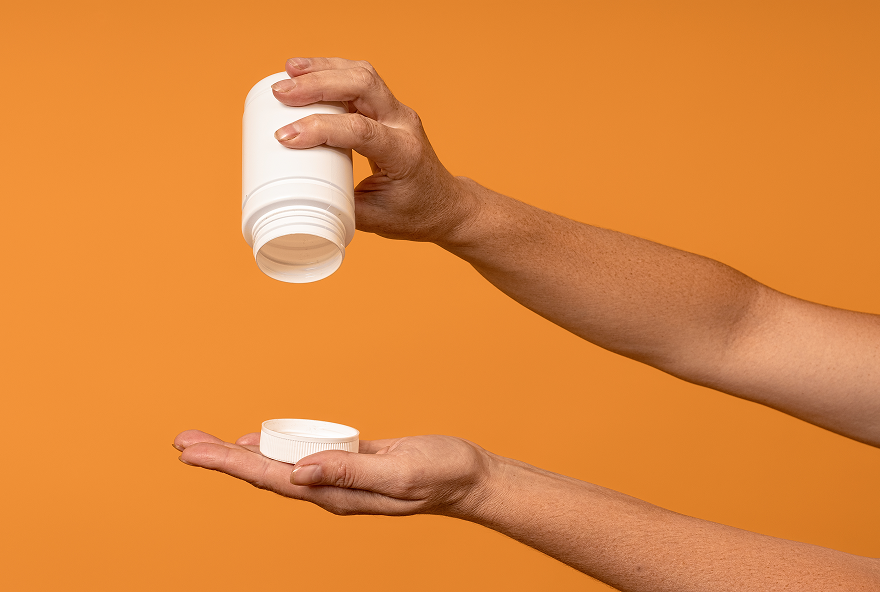
Most clinics and hospitals are closed during the holiday period. If you take medication on a regular basis, be sure to visit your doctor in advance to avoid running out. In the event of a sudden illness during Golden Week, you will need to seek out a kyūjitsu tōban’i (designated holiday-duty medical provider) or an emergency hospital.
Note 3: Heavy Crowds and Special Holiday Pricing
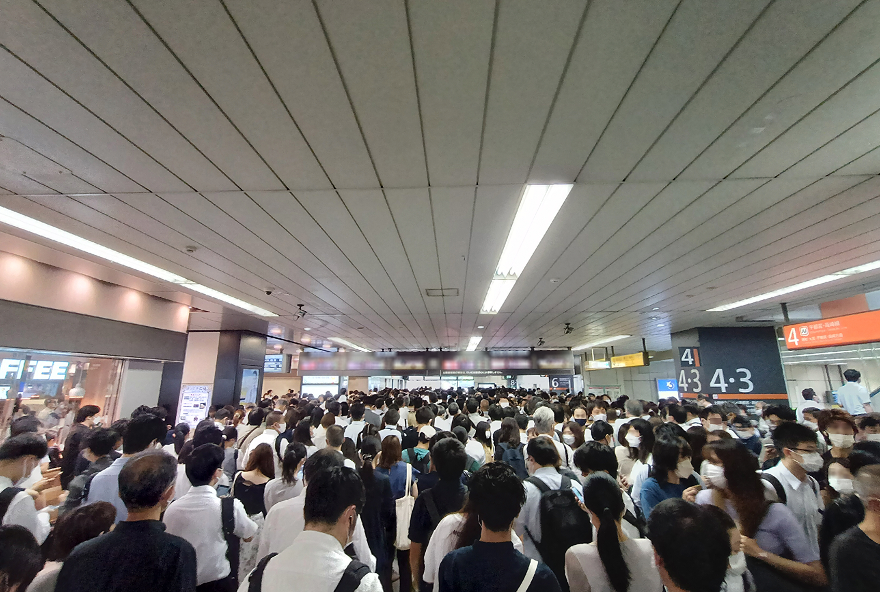
Golden Week is one of the busiest travel periods of the year in Japan. Major transportation systems, including the Shinkansen, airplanes, and highways, become extremely crowded. In addition, hotels and theme parks often apply special Golden Week pricing, which is typically higher than usual. Last-minute travel arrangements can be very difficult, so early planning is strongly recommended if you intend to travel.
How to Enjoy Golden Week While Avoiding Crowds
You may wonder how best to spend this time if popular destinations are so crowded. One recommended approach is to avoid long-distance travel altogether and instead enjoy your local area.
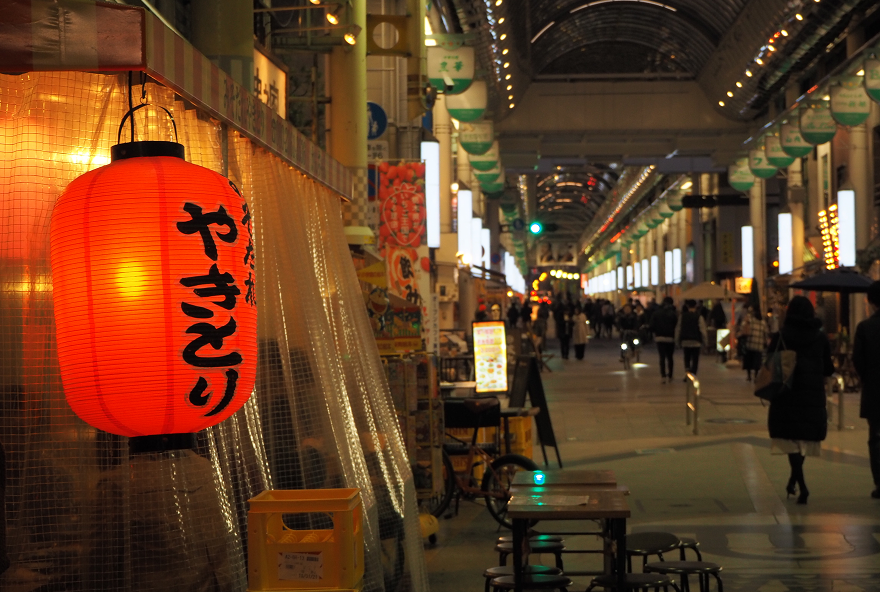
Explore a Local Shōtengai (traditional shopping street lined with small local businesses)
Rather than visiting crowded tourist spots, consider exploring a nearby shopping street. Picking up prepared foods such as croquettes and enjoying the atmosphere offers a glimpse into everyday life in Japan.
Have a Picnic at a Nearby Park
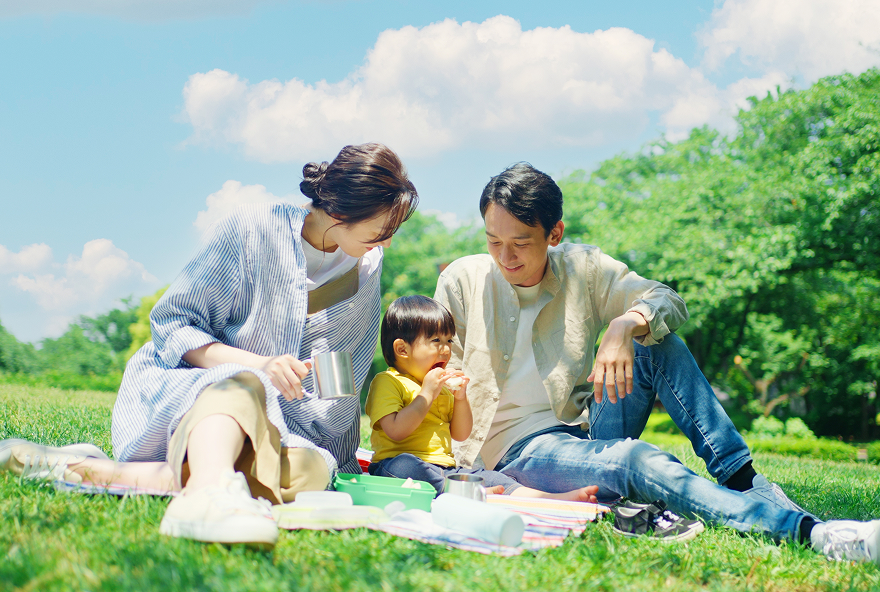
With the weather at its most pleasant, this is an ideal time to enjoy a relaxed picnic. You might purchase a ready-made meal, such as onigiri (rice balls), from a local supermarket and spend a peaceful afternoon in a nearby park.
Conclusion: Prepare in Advance and Make the Most of Your Holiday
Golden Week in Japan can be a truly rewarding and refreshing time, provided that you make the necessary preparations in advance - such as ensuring you have sufficient cash, checking your medications, and arranging any reservations ahead of time. With a little planning, you can fully enjoy everything this unique holiday period has to offer. We hope this guide helps you make the most of your Golden Week experience.