Is Taking Out the Trash in Japan Complicated ? Basic Rules and Important Points

Japanese cities are often praised for being clean and free of litter. This cleanliness is maintained by each resident carefully following local garbage disposal rules. However, these rules can be a bit complicated. How do you separate “burnable” and “non-burnable” trash? How do you dispose of furniture? Many people find this confusing at first. This guide will clearly explain the four basic rules for disposing of garbage in Japan - essential knowledge for anyone living here.
Rule 1: Separate Your Trash by Type (Sorting)
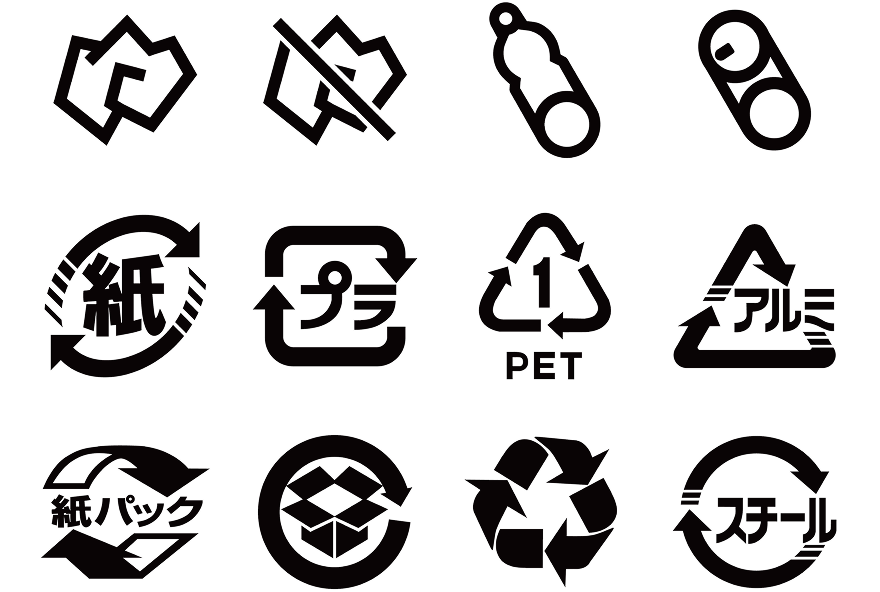
In Japan, you cannot dispose of all your trash together. It must always be separated by category before being thrown away.
-
Sorting rules are not the same across Japan
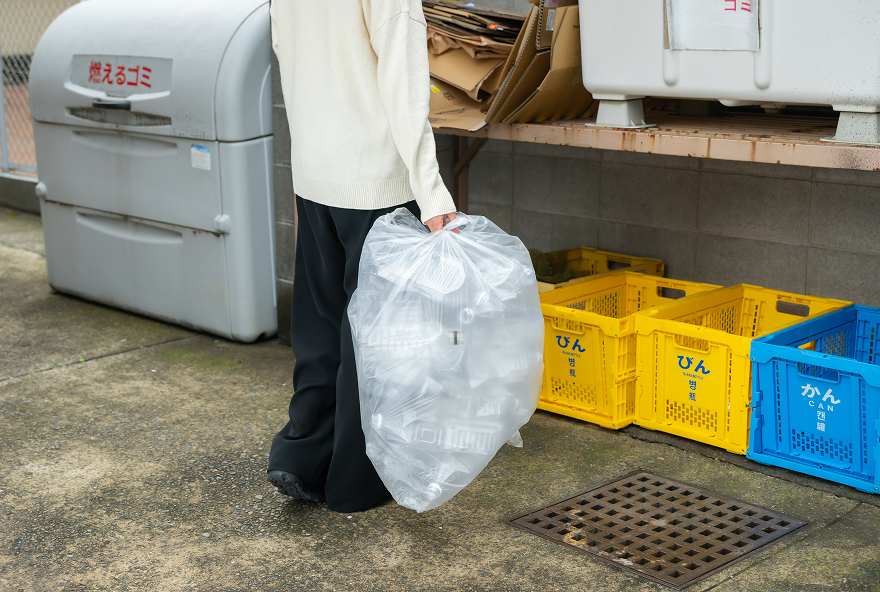
In fact, garbage sorting rules are not uniform nationwide. They vary depending on your local municipality (city, ward, town, or village office).
-
How to obtain the information you need
If you visit your local municipal office, you can receive posters or pamphlets with illustrated explanations on how to sort your trash.Many municipalities also provide these materials in multiple languages, including English, Chinese, and Vietnamese. Start by checking your local government’s website or visiting the office to confirm the garbage disposal rules in your area.
Rule 2: Dispose of Trash on Designated Days and at Designated Times
Once you have properly sorted your trash, the next step is to dispose of it at the correct time. Unfortunately, trash cannot be taken out at any time at your convenience.
-
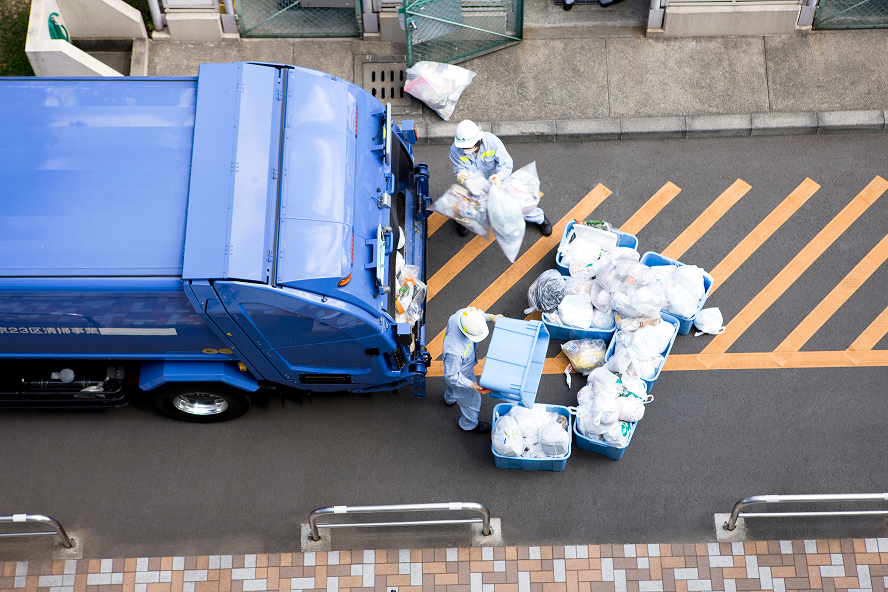
Designated collection days
Each category of waste is collected on specific days. For example, burnable waste may be collected on Tuesdays and Fridays, while plastic bottles may be collected on Wednesdays.
-
Place trash out by the designated morning time
Trash should be placed at the designated collection point of your apartment or housing complex (or the designated neighborhood location for detached houses) on the morning of the collection day (for example, “by 8:00 AM”). Garbage disposal rules vary around the world, but in Japan it is generally not considered acceptable to leave trash outside from the night before or several days in advance. This is partly to prevent attracting crows, rodents, and cockroaches, and also because it often violates local regulations. It may also lead to issues with neighbors, so please be mindful. However, in some apartment buildings - such as those with underground garbage storage areas - the rules may differ. Please be sure to check in advance.
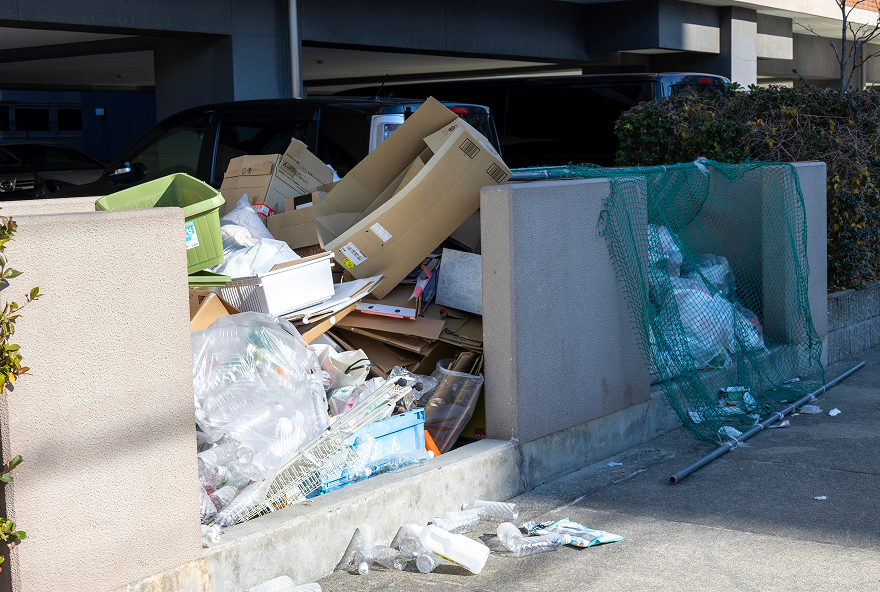
The image above shows a garbage collection area that has been disturbed by animals such as crows. Improper disposal timing may result in situations like this.
-
Bag requirements
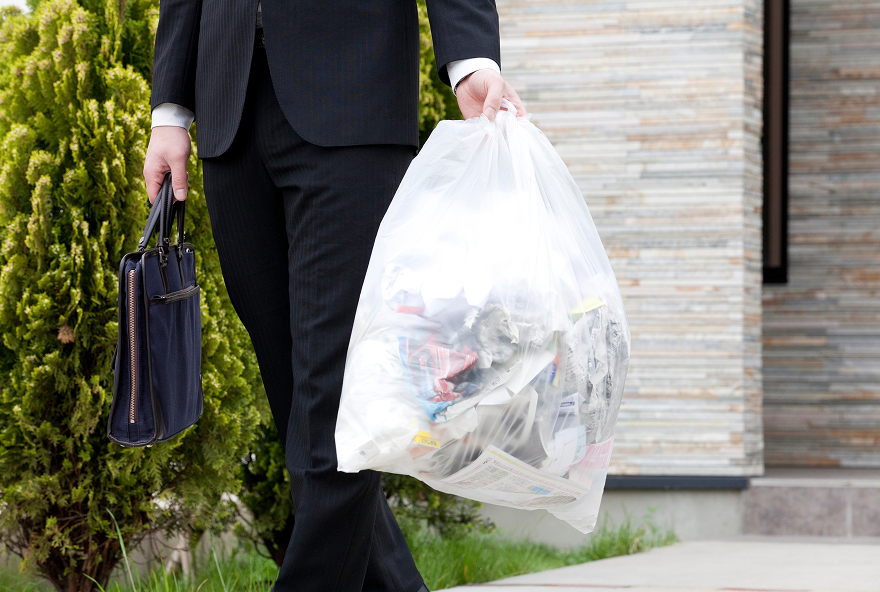
Trash must be disposed of in transparent or semi-transparent bags so that the contents are visible. In some municipalities, designated garbage bags are required.
Note:
If the rules regarding sorting, collection days, or times are not followed, your trash may not be collected and may be left behind at the collection site. This can lead to problems with neighbors, so please ensure that all rules are carefully observed.
Rule 3: How to Dispose of Large Items (Sodai Gomi)
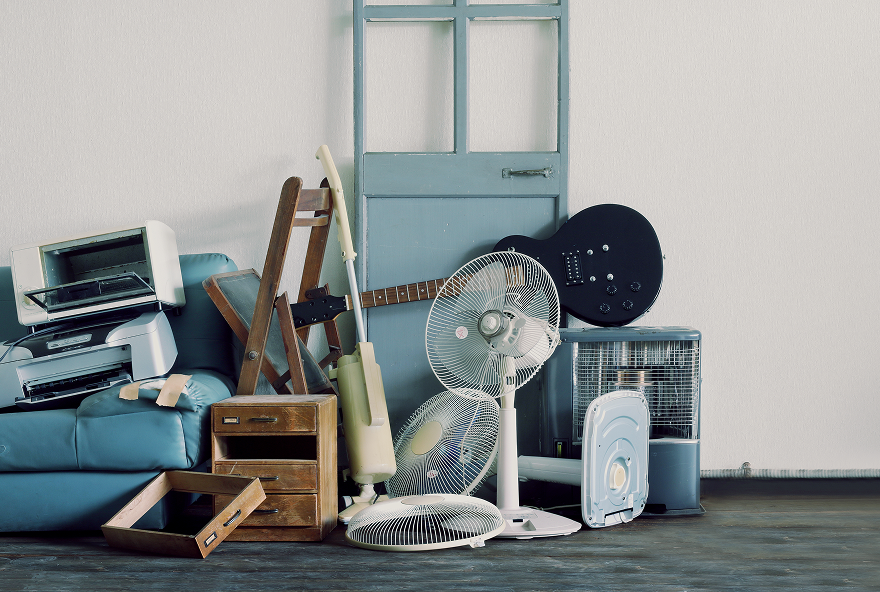
If you have large items to dispose of - such as a bed, desk, or bicycle, often when moving - you cannot simply leave them at the regular garbage collection point. These items are classified as “Sodai Gomi” (oversized waste) and require special procedures as well as a fee.
1. Make a reservation
Apply through the “Sodai Gomi Uketsuke Center” (Oversized Waste Collection Center) via the internet or by phone.
2. Purchase a “Gomi Shori Ken” (Ticket)
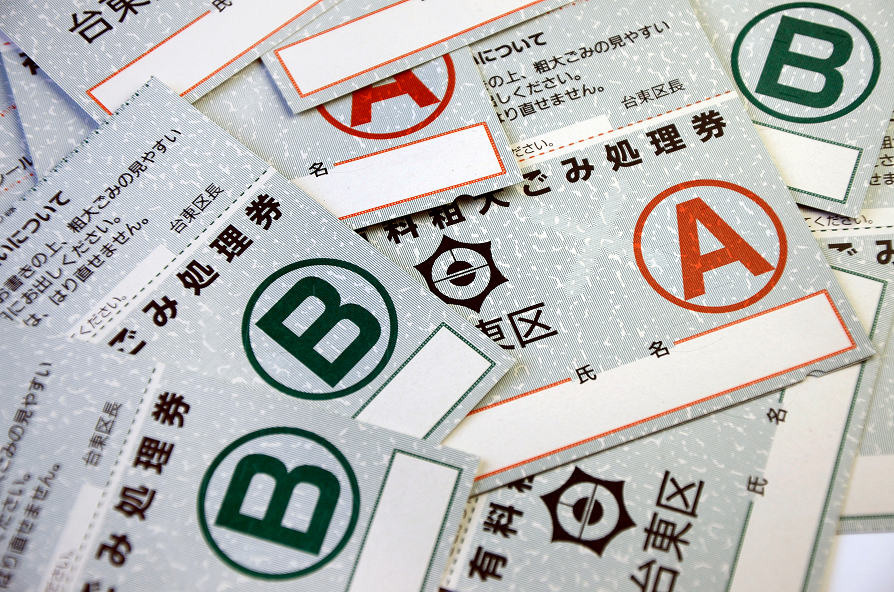
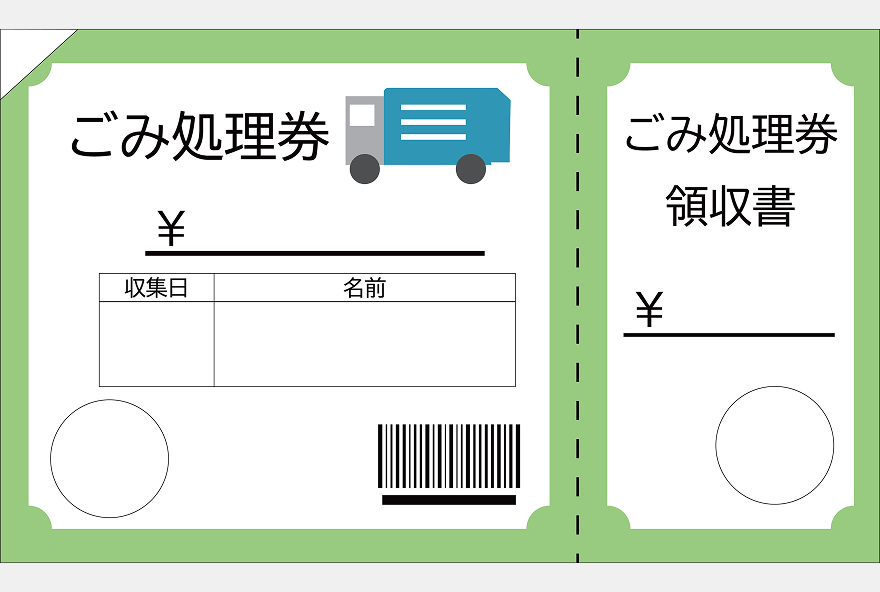
You will need to purchase a “gomi shori ken” (designated garbage disposal sticker / fee ticket) at a convenience store or similar location as the required fee for disposal. The cost of the sticker varies depending on the type of item you are disposing of. The fee will be explained to you at the time of application.
3. Attach the sticker and dispose of the item
Affix the purchased sticker to the item and place it out at the designated location on the specified date and time.
Rule 4: Special Disposal Rules for Air Conditioners, TVs, Refrigerators, and Washing Machines
There are certain items that cannot even be disposed of as oversized waste and are instead designated for recycling. These include the following four household appliances:
- Air conditioners
- Televisions
- Refrigerators and freezers
- Washing machines and dryers
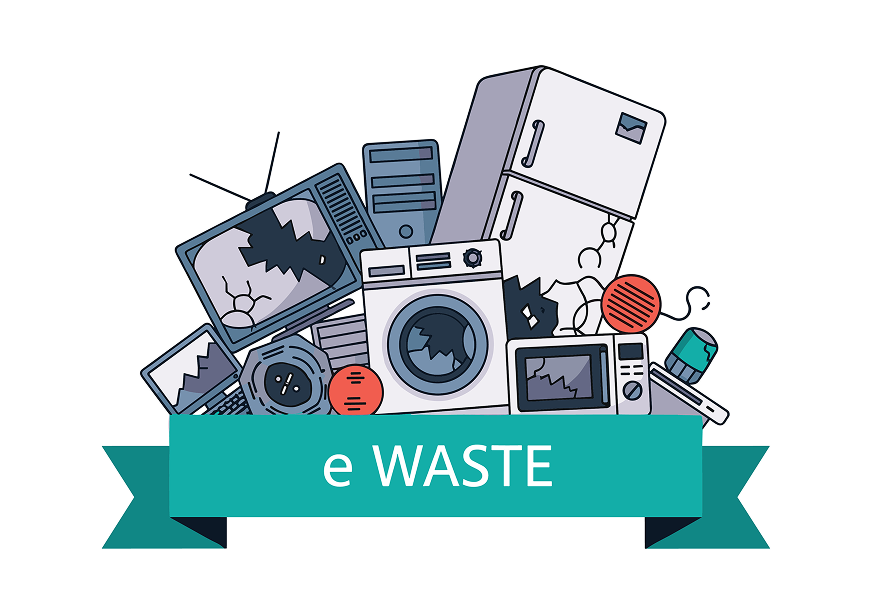
The disposal of these items is strictly regulated under Japanese law (the Home Appliance Recycling Law). If you are replacing an old appliance with a new one, the retailer from which you purchase the new product will collect the old item. If you wish to dispose of the item, you must contact your local municipal office or a designated Home Appliance Recycling Collection Center to arrange for pickup (a recycling fee will apply). Improper disposal may result in penalties under the law, so please be sure to follow the proper procedures.
Conclusion: When in Doubt, Don’t Hesitate to Ask
At first, you may feel that there is a lot to remember and that the rules are difficult. Even Japanese residents can find it confusing when they move to a different city, as garbage disposal rules often vary by location. If you are unsure about anything, do not worry alone. Feel free to ask your landlord, property management company, Japanese colleagues at your workplace, or staff at your local municipal office.By following the rules, you can enjoy a clean and comfortable life in Japan.