Say Goodbye to Japan’s Sticky Humidity! A Guide to Staying Comfortable

During Japan’s rainy season in June and the summer months, you might feel that the air is thick and uncomfortably humid. One of the defining features of Japanese summers isn’t just the high temperatures, it’s also the intense humidity. If left unchecked, it can lead to problems like mold growing on your favorite clothes or leaving you feeling sluggish and fatigued. In this article, we’ll take a look at what causes Japan’s unique muggy climate and share some tips to help you stay comfortable and happy every day!
1. Why Are Japanese Summers So Humid?
There’s a reason why stepping outside in a Japanese summer can feel like walking into a sauna. Japan is surrounded by the sea, and during the summer, moisture-laden air from the ocean envelops the entire country.
-
“Mushi-atsui”:
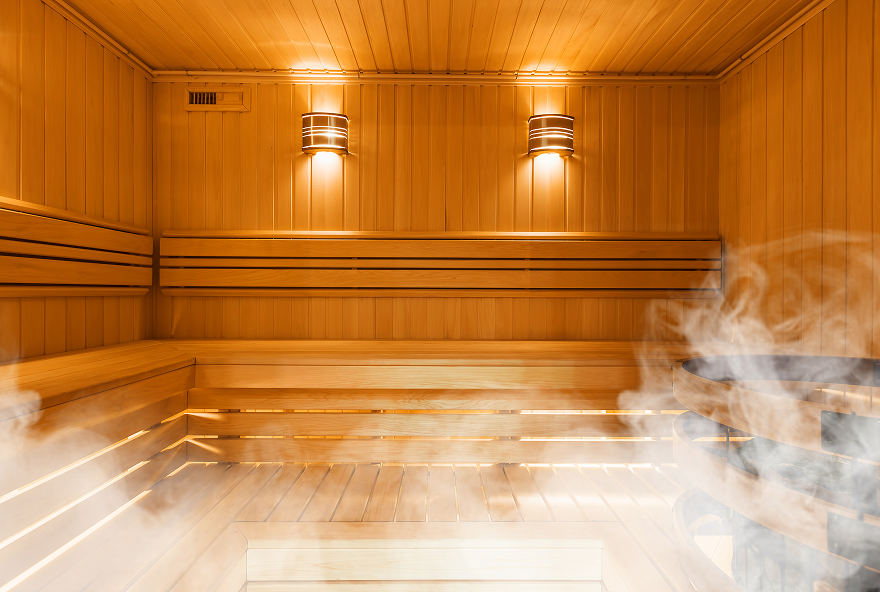
In Japanese, there’s a specific word to describe heat that feels like being inside a steamer : “Mushi-atsui” (muggy heat).
-
Sweat doesn't dry easily:

When humidity is high, sweat doesn’t evaporate well. This traps heat in your body, making it feel hotter than the actual temperature.
-
The rainy season (“tsuyu”):

From June to July, there are many rainy days, and indoor humidity can exceed 80%. During this time, it’s especially important to watch out for mold.
2. Watch Out! Problems Caused by Humidity
Letting your guard down thinking “it’s just heat” could lead to some unexpected problems. Such as some or all of the following :
-
Mold:

White, fuzzy mold can start growing on clothes or shoes stored deep inside your closet.
-
Dust Mites:
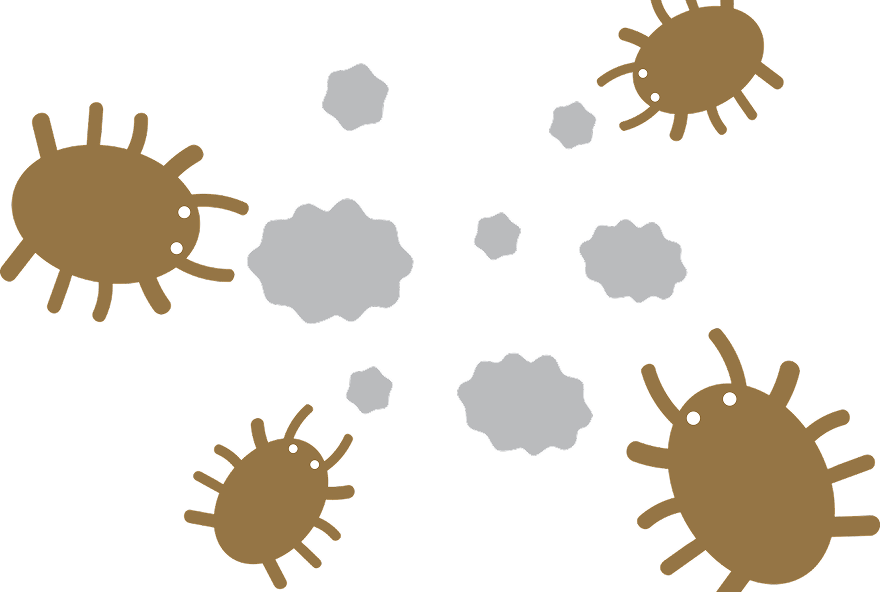
Damp environments are perfect for dust mites, their presence can trigger allergies.
-
Heatstroke:
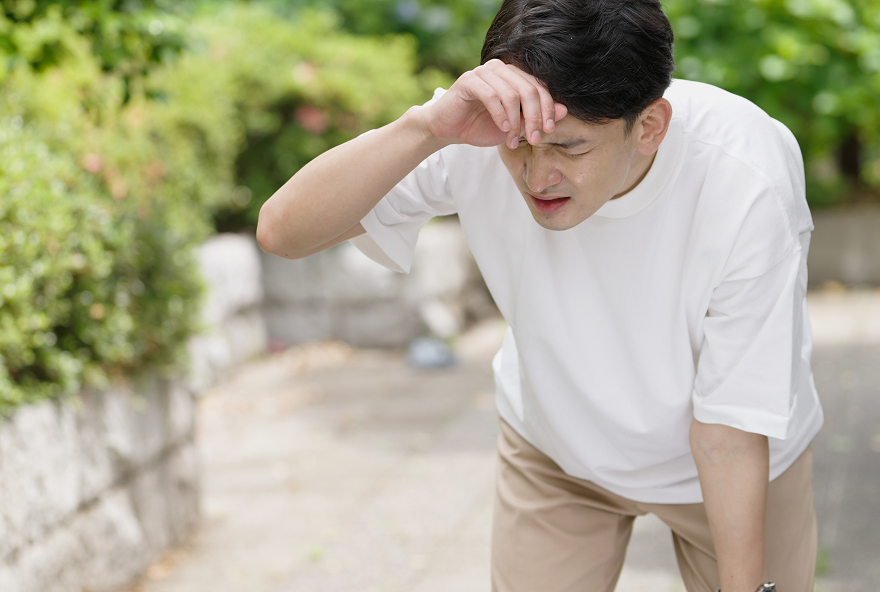
High humidity makes it harder for your body to regulate temperature, increasing the risk of heatstroke, even when indoors.
Be careful!
Humidity in Japan can also cause skin issues, coughing, and sudden health problems. If you find yourself thinking, “I feel unusually tired,” or “I can’t stop coughing,” don’t push yourself. Visit a nearby clinic (such as internal medicine or dermatology) as soon as possible. Getting checked early is one of the best ways to protect your health.
3. Five Easy Measure You Can Start Taking Today to Beat Humidity
With a few simple adjustments suited to life in Japan, you can keep your home feeling fresh and dry!
① Try the “Dehumidify” mode on your air conditioner
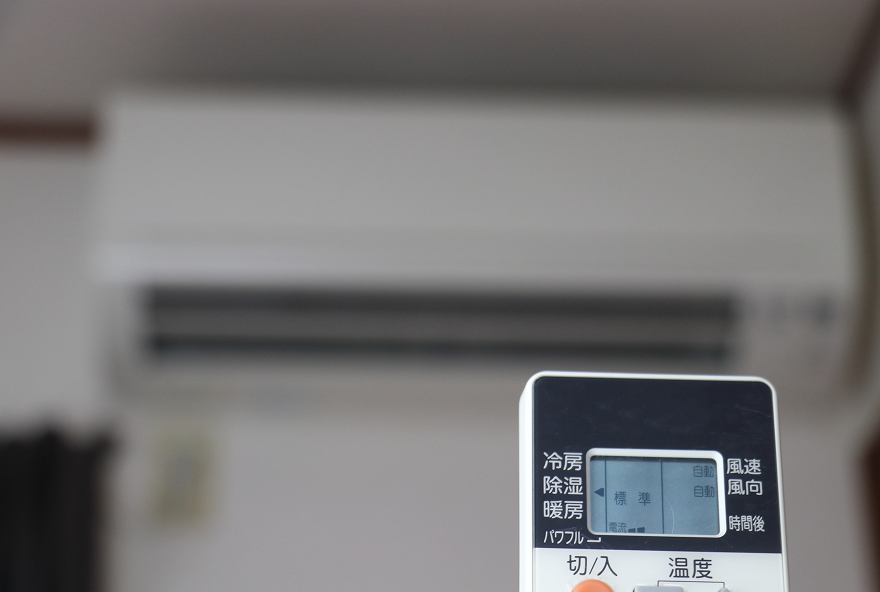
Does your AC remote have a “Dry” or “Dehumidify” button? If you don’t like how strong the cooling mode feels, this setting is a great alternative. It removes moisture from the air, leaving it feeling light and comfortable.
② Make use of ventilation systems
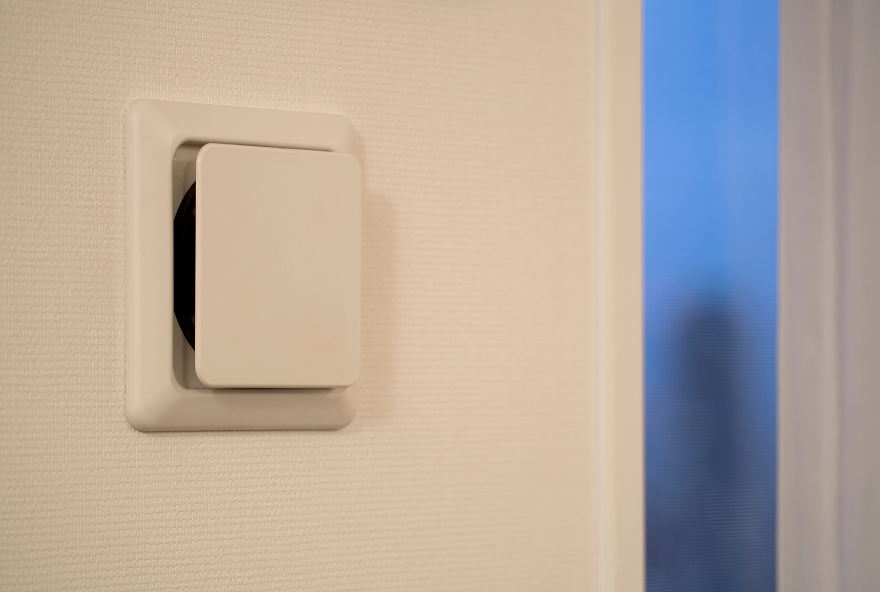
Many apartments in Japan have small wall vents or a “24-hour ventilation” button in the bathroom. They don’t use much electricity, so it’s common in Japan to keep them running all the time.
③ Use convenient dehumidifiers
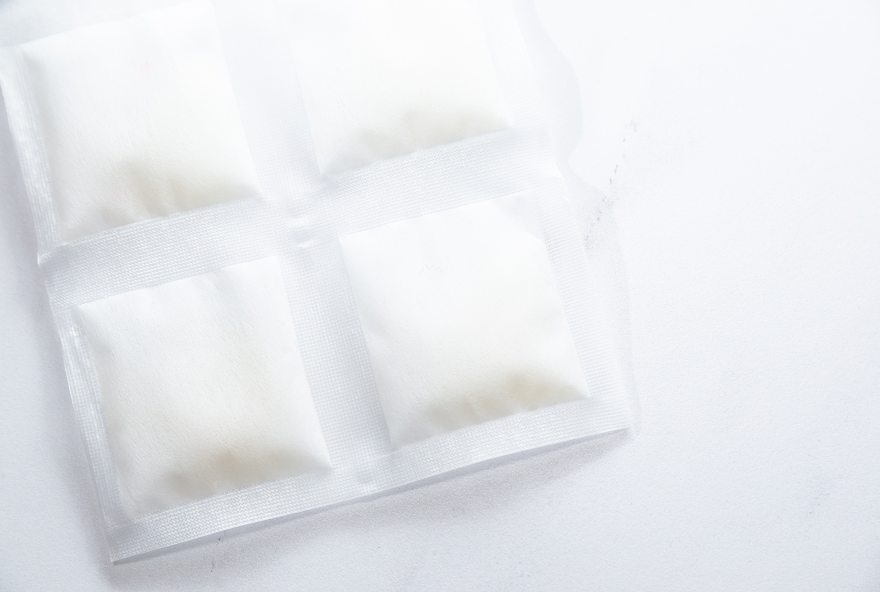
You can buy moisture-absorbing dehumidifiers (the kind that collect water) at drugstores or 100-yen shops. Place them in areas like:
- Closets and storage spaces
- Shoe cabinets
- Under the kitchen sink
Replace them with new ones once they fill up with water (usually after a few months).
④ Finish your bath with a cold shower rinse
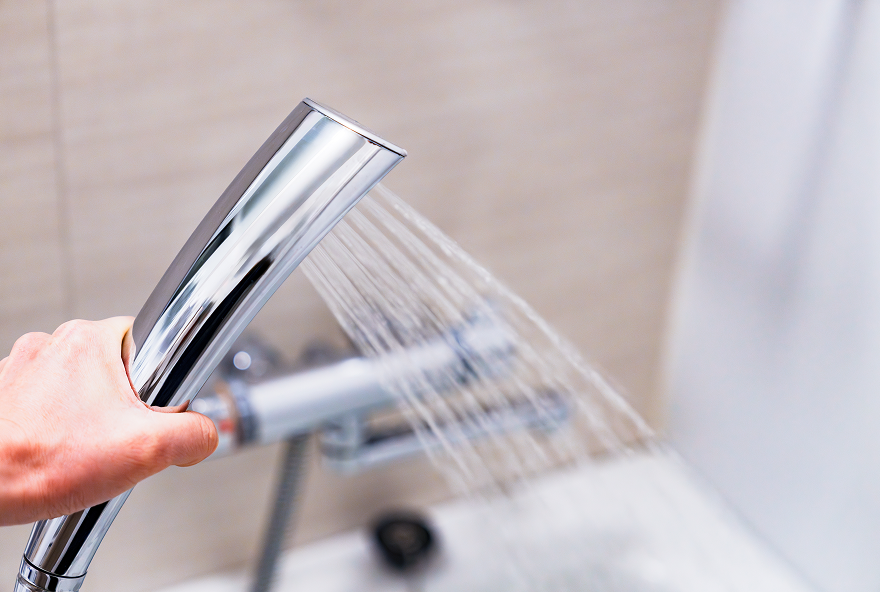
After using the bath, run cold water over the walls and floor. Lowering the temperature helps prevent mold from forming.
⑤ Air out your futon on sunny days
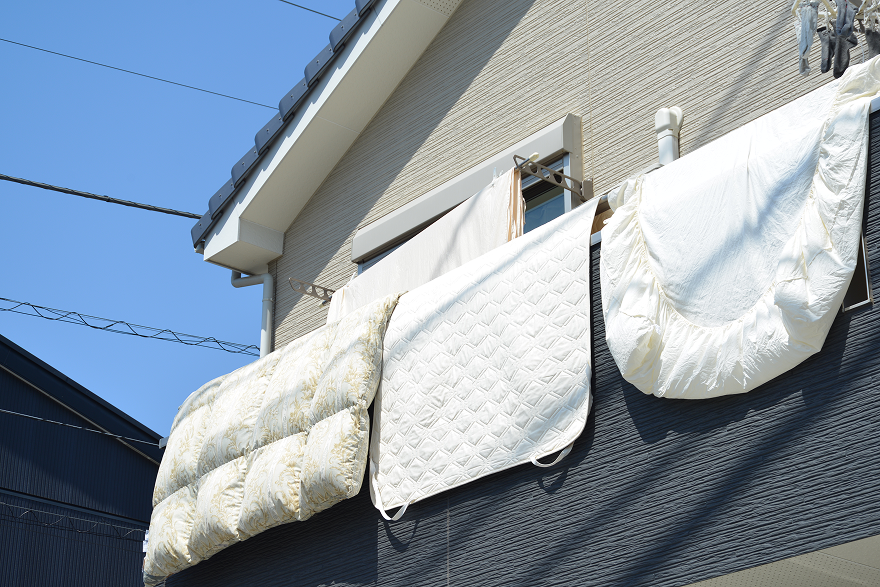
Futons absorb moisture and can become heavy. Hanging them outside on a sunny day lets them dry out in the sunlight, making them fluffy and much more comfortable to sleep on.
Conclusion
Japan’s unique humidity can take some getting used to. However, with the help of air conditioner settings and a few handy tools, the hot and sticky season becomes much more manageable. Since you’re here in Japan, why not master a few humidity hacks and enjoy the summer feeling comfortable and energized?