“I Didn’t Know” Won’t Work! Bicycle Rules and Safety Measures in Japan

Do you use a bicycle to commute to work or go grocery shopping in Japan? Bicycles make everyday life in Japan much more convenient, allowing you to get around easily without needing to take the train. However, did you know that Japan’s bicycle rules have become much stricter in recent years due to major legal revisions? Letting your guard down because “it was normal in my home country” can lead directly to police enforcement or expensive fines. In this article, we will explain the essential rules and safety measures you need to know in order to ride a bicycle safely in Japan.
1. Latest Legal Revision: Be Careful of the Introduction of “Blue Tickets”
Under Japanese law, bicycles are treated as a type of vehicle known as a “light vehicle.” Due to the latest revision of the Road Traffic Act, cyclists who commit traffic violations can now be issued a “blue ticket” traffic violation notice, similar to drivers of cars, and may be required to pay a penalty ranging from several thousand yen to over 10,000 yen.
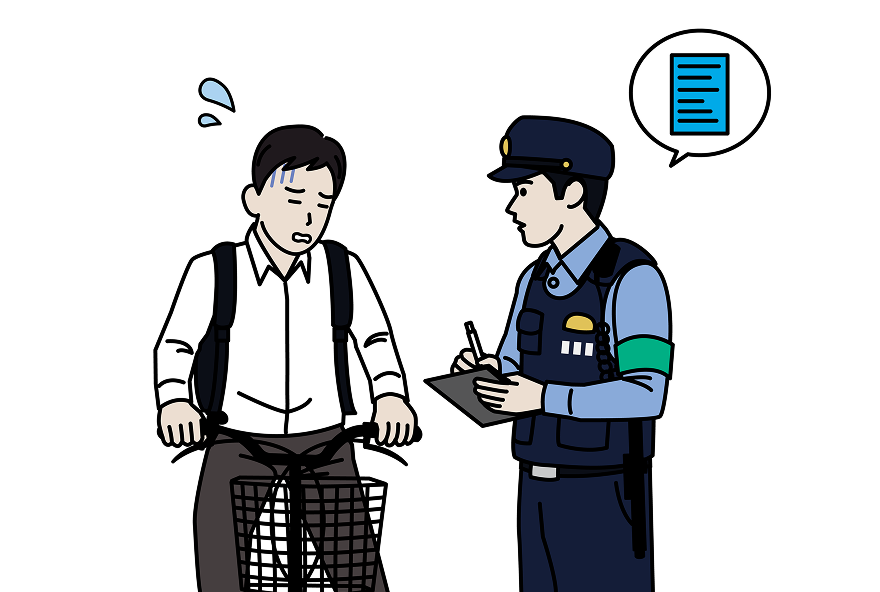
If a police officer catches you, you may be issued a ticket on the spot and required to pay a penalty for actions such as:
- Ignoring traffic lights
- Failing to stop at a stop sign
- Riding on the right side of the road
If you see a red inverted triangle stop sign that says “止まれ” in Japan, you must bring your bicycle to a complete stop, with the tires fully stopped, and check both left and right before moving again.

2. Dangerous Actions That Can Lead Directly to Arrest or a Criminal Record
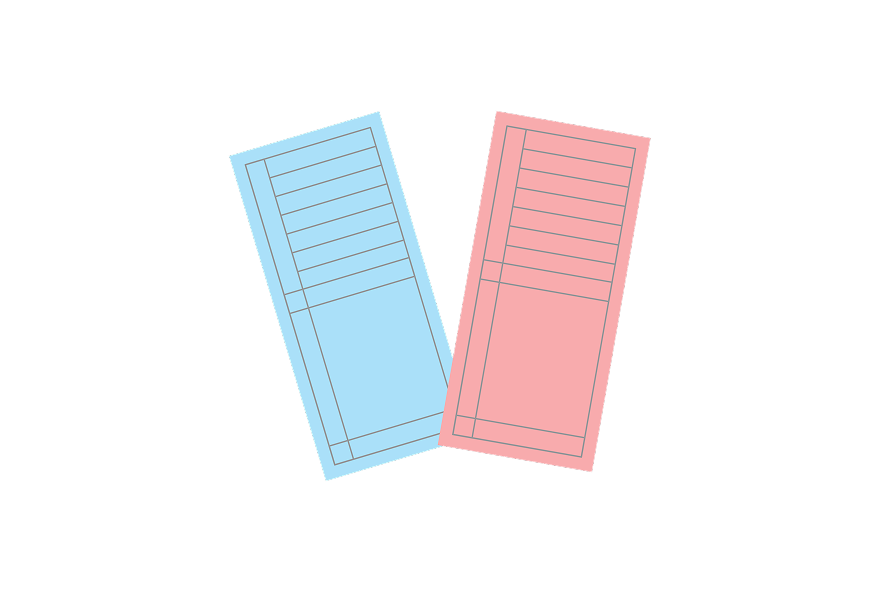
Some serious violations are not handled with a penalty payment or blue ticket. Instead, they are subject to criminal penalties through a “red ticket,” which can lead directly to a trial or arrest.
-
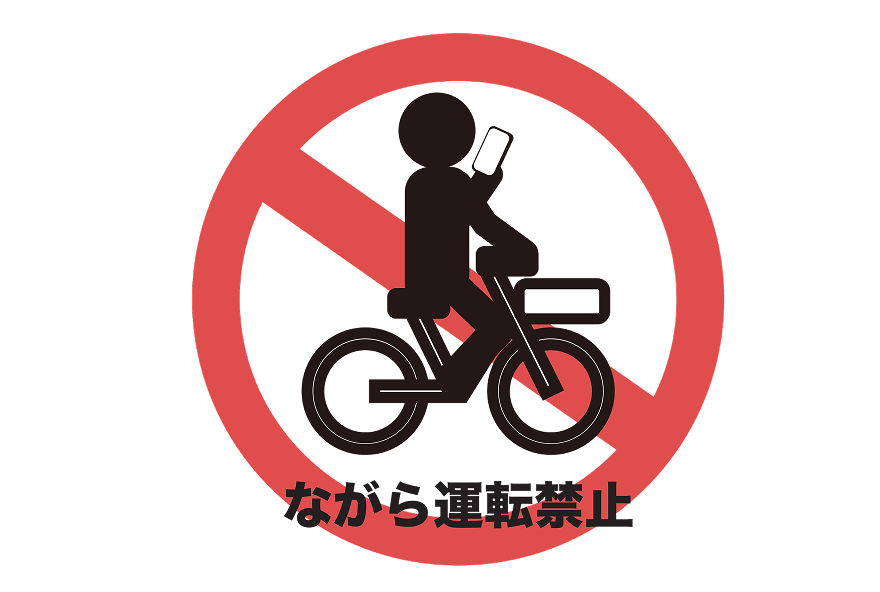
Using a smartphone while riding
Looking at your smartphone screen or talking on the phone while riding a bicycle is now punished more strictly. Even simply holding your phone while riding may cause the police to stop you.
-
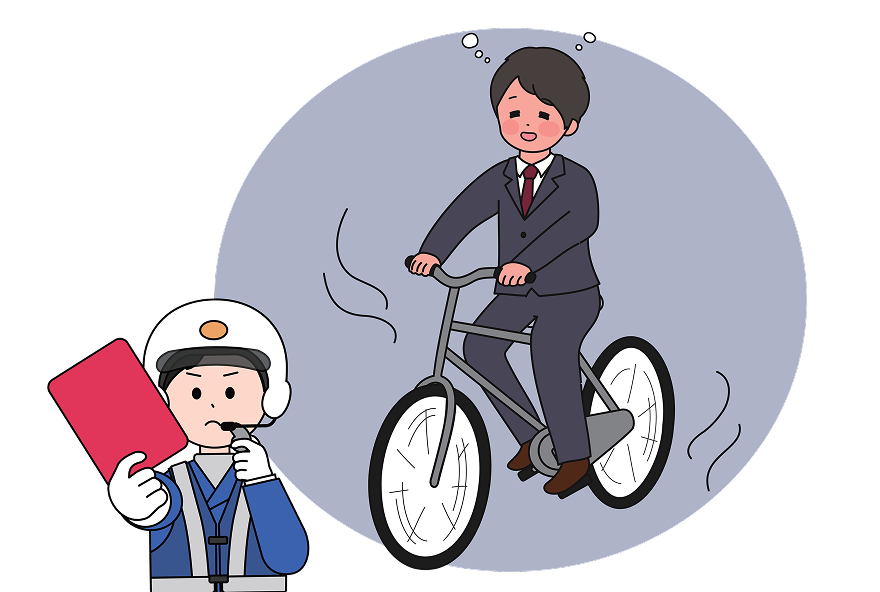
Riding after drinking alcohol
In Japan, the idea that “it is okay to ride a bicycle after drinking because it is not a car” is completely wrong. Riding a bicycle on your way home from an izakaya after drinking can be treated as a serious offense, just like drunk driving a car.
3. Common Everyday Actions That Are Actually Not Allowed
You may often see people doing these things around town in Japan, but the following actions are all violations of the law.
-
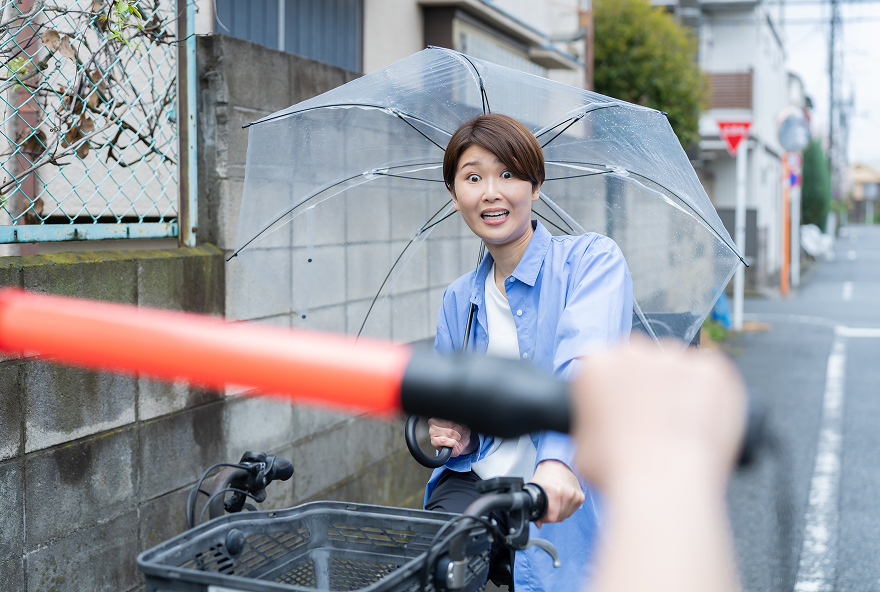
Riding while holding an umbrella
On rainy days, the correct rule in Japan is to wear a raincoat.
-
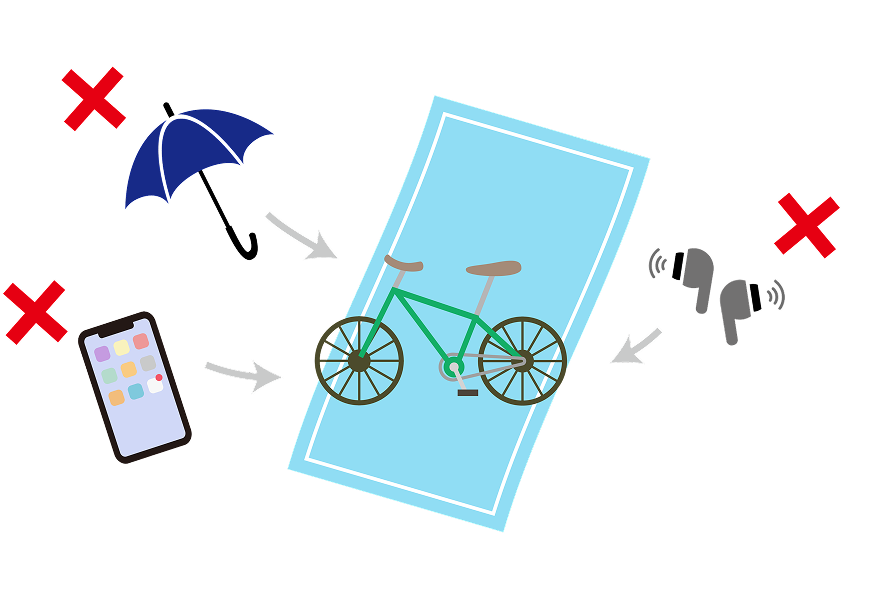
Riding while listening to music with earphones
Riding in a condition where you cannot hear the sounds around you is prohibited.
-
Riding at high speed on the sidewalk
As a general rule, bicycles must be ridden on the left side of the road.

4. What You Should Know About Insurance and Helmets
In many municipalities in Japan, bicycle insurance is mandatory. This is because if you hit someone and injure them, you may be required to pay tens of millions of yen in compensation. Foreign workers in Japan should make sure to check the following points.

-
First, check with your company or registered support organization
Before searching for and signing up for insurance on your own, first ask your employer, supervising organization, or registered support organization. For foreign workers, it is common for these companies or organizations to act as the point of contact and enroll workers in insurance through a group plan. For example, if you are enrolled in a comprehensive insurance plan for foreign nationals, such as one provided through JITCO, it may cover not only medical costs for illness or injury, such as the 30% portion paid by the patient, but also personal liability in daily life, including bicycle accidents.Ask the person in charge at your company about the details of the insurance you are enrolled in, as well as whether the insurance fee is deducted from your salary.
-
Multilingual support for peace of mind in case of an accident
If an accident happens, Japanese law will naturally apply, and you will need to communicate with the police and the other party involved. If your insurance does not provide multilingual support, it may be difficult to explain the situation in Japanese. Therefore, make sure in advance whether you can contact your employer or support organization immediately in the event of an accident and receive assistance.

-
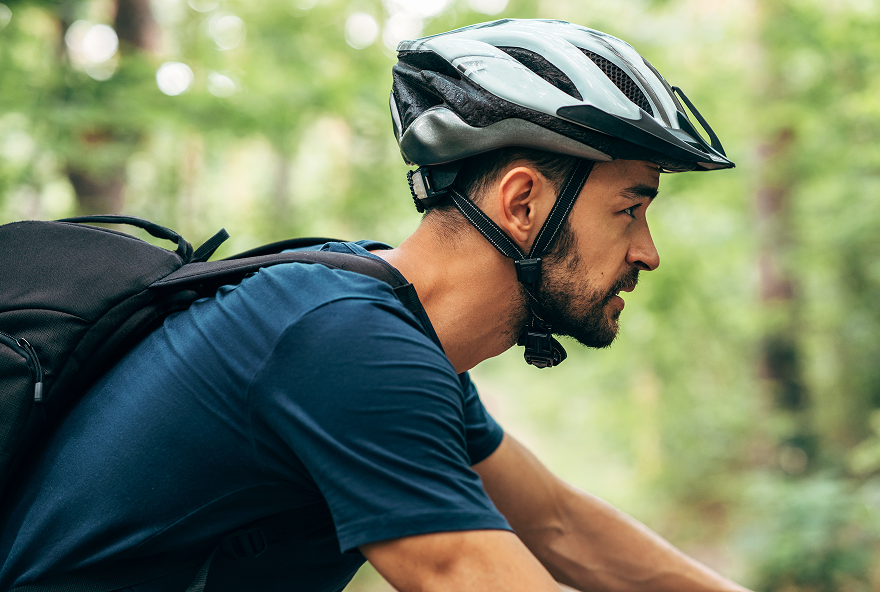
Wearing a helmet is a recommended obligation
Currently, wearing a helmet while riding a bicycle is a “recommended obligation” for all cyclists throughout Japan. Wearing a helmet is strongly recommended in order to protect your life.
Conclusion
Bicycle rules in Japan have become stricter, but they are all in place to protect your life and daily life. Ride on the left side of the road. Do not use your smartphone while riding. Wear a raincoat on rainy days. And make sure to check your bicycle insurance with your company or registered support organization. By keeping these basic rules in mind, you can enjoy a comfortable and safe cycling life in Japan.