Typhoon Safety Measures in Japan: What You Need to Know as the Season Arrives Earlier
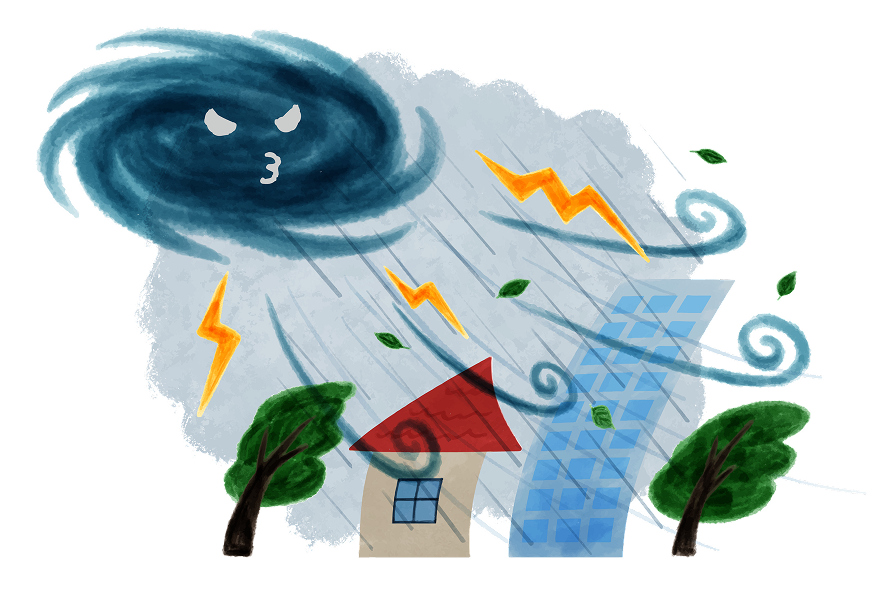
For those working in Japan, some of you may have been surprised by the recent weather forecasts. In the past, Japan’s typhoon season was said to peak around September. However, in recent years, due to factors such as climate change, one major trend is that strong typhoons are forming and approaching Japan much earlier than before. This year as well, typhoons have already formed and made landfall in areas such as Okinawa. Unlike earthquakes, typhoons are disasters that can be predicted in advance through weather forecasts. In this article, we will go over important safety measures to help protect your daily life as Japan’s typhoon season continues to arrive earlier than expected.
1. Things to Check and 3 Safety Measures to Complete by the Day Before a Typhoon Arrives
Once typhoon-related news is announced, the first thing you should do before the rain and wind become stronger is confirm the situation with your workplace. After that, make sure to complete the following three concrete preparations.
First: Confirm Your Work Attendance Status and Emergency Contact Method with Your Company
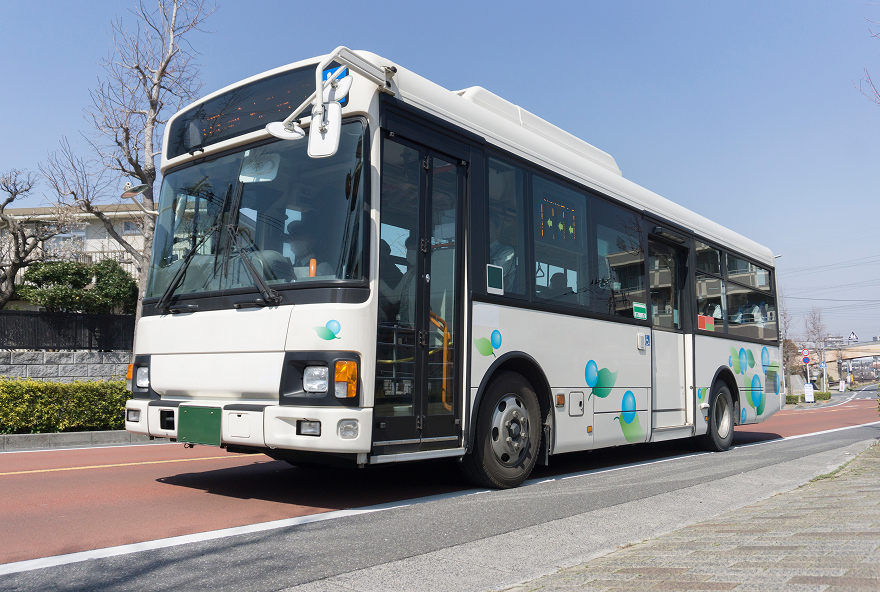
When a typhoon approaches, trains and buses in Japan often stop operating in advance for safety reasons. This is known as a planned suspension of service. If public transportation stops, it may become impossible to commute to work. Because of this, many companies in Japan may switch employees to remote work or instruct them to stay home instead of coming into the office.

To avoid being stranded at a station or getting injured while trying to commute, make sure to check with your supervisor or company by the day before the typhoon is expected to come closest. Confirm whether you should come to work that day and what communication route you should use in case of an emergency.
Once you have confirmed this with your company, move on to the following three safety measures for daily life.
① Prepare Drinking Water and Several Days’ Worth of Food
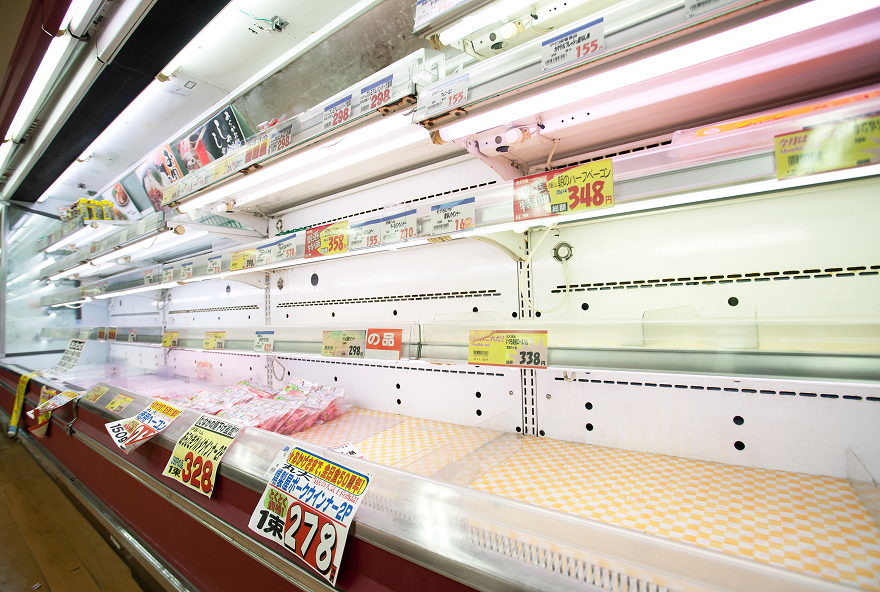
When a typhoon directly hits an area, items such as bread, rice balls, instant noodles, and bottled water can quickly sell out at supermarkets and convenience stores. Prepare early by stocking up on food and drinking water, assuming that you may not be able to go outside for several days.
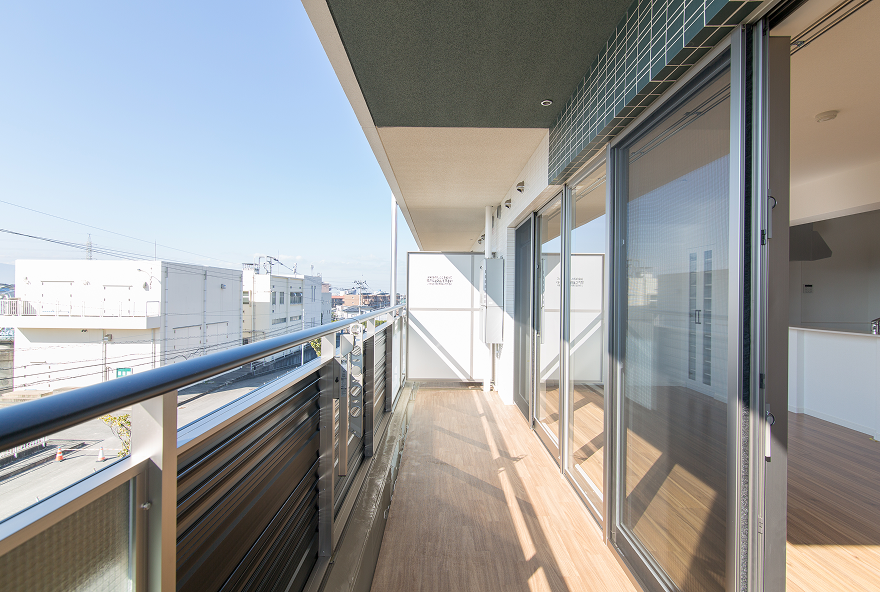
② Bring Everything on Your Balcony Indoors - This Is Extremely Important
There are many accidents where objects blown away by strong winds break windows. Bring everything from your balcony or outside area into your home, including laundry poles, sandals, trash cans, and plant pots. If you keep a bicycle outside, secure it so that it does not fall over. If possible, move it indoors.
③ Prepare for Power Outages and Water Outages
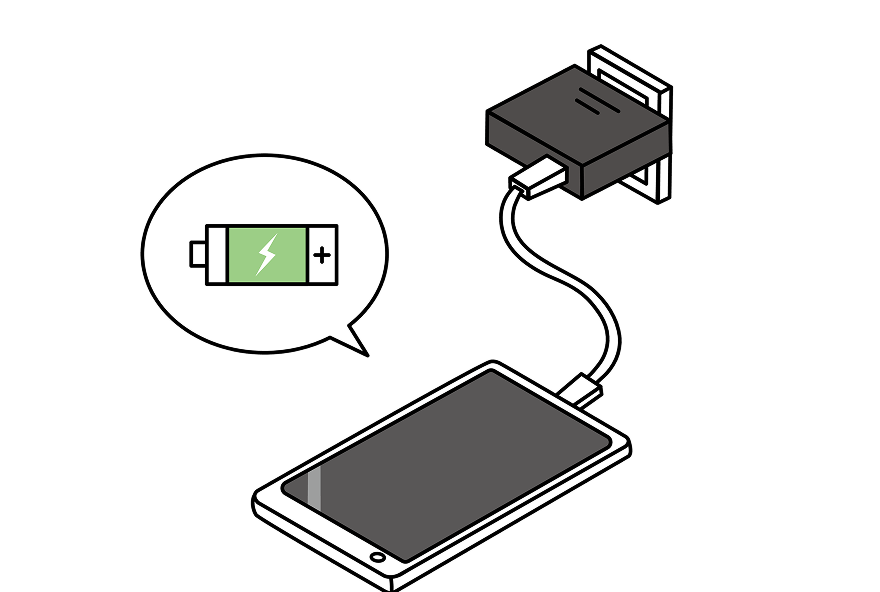
Strong winds can knock down utility poles and cause large-scale power outages. Make sure your smartphone and computer are fully charged, and prepare a portable battery as well.
It is also important to have a flashlight ready in case the power goes out at night. In addition, fill your bathtub with water so that you have daily-use water available for flushing the toilet.

2. Absolute Rules to Follow During a Direct Hit
When a typhoon is at its closest, the conditions outside become extremely dangerous.
-
Do Not Go Outside Under Any Circumstances
Thinking “It should be fine if I only go out for a little bit” or “I’ll just go check the river nearby” can put your life at risk. Keep your windows firmly closed and stay safely indoors.

-
Stay Away from Windows
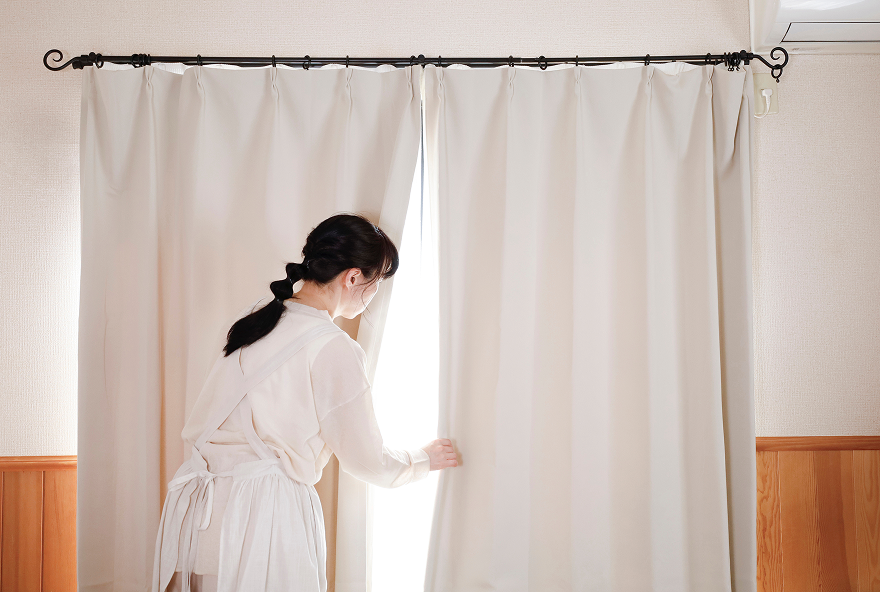
In case flying objects from outside break the glass, make sure to close your curtains or blinds securely. When sleeping, it is also safer to choose a place as far away from windows as possible.
3. Understand the Level of Danger Through News Keywords
Japanese weather forecasts have unique rules and expressions used to explain typhoons.
-
Typhoons Are Referred to by Number, Not by Name
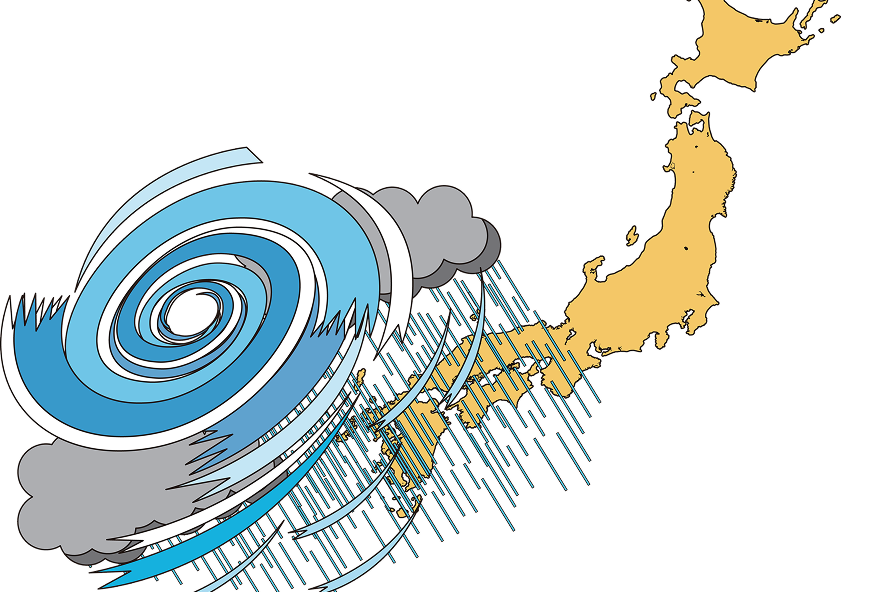
In Japan, typhoons are numbered in the order they form each year. When you see news about “Typhoon No. 1,” it means that the year’s typhoon season has begun.
-
Words That Indicate Danger
If you hear words such as "mouretsu" (meaning “very strong” or “violent”) in the news, it means the typhoon may be powerful enough to cause serious damage, including the possible collapse of buildings. Take the highest level of caution.
*This news was broadcast on September 22, 2025.
Conclusion
Typhoons in Japan are not simply “days with strong rain and wind.” Their threat is becoming something that arrives earlier and earlier each year. However, with early communication with your company and proper preparation for daily life, there is no need to panic. Check the typhoon’s forecasted path regularly, take action as early as possible, and stay safe throughout this year’s typhoon season.