Autumn in Japan! “Koromogae,” the Tradition of Changing Seasonal Clothes, and How to Store Them Properly
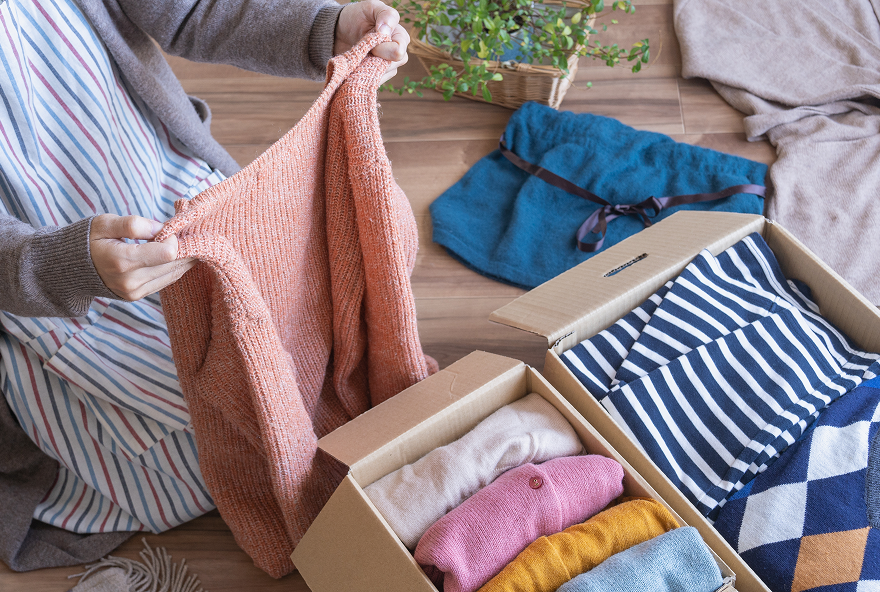
September has arrived, and the days are gradually becoming cooler. Japan has four distinct seasons: spring, summer, autumn, and winter. When the seasons change, people in Japan switch the clothes in their closets and drawers. This seasonal wardrobe change is called “koromogae. In this article, we will introduce the basic rules of koromogae and some practical tips for keeping your clothes clean and in good condition for longer in Japan’s climate.
1. What Is “Koromogae”?
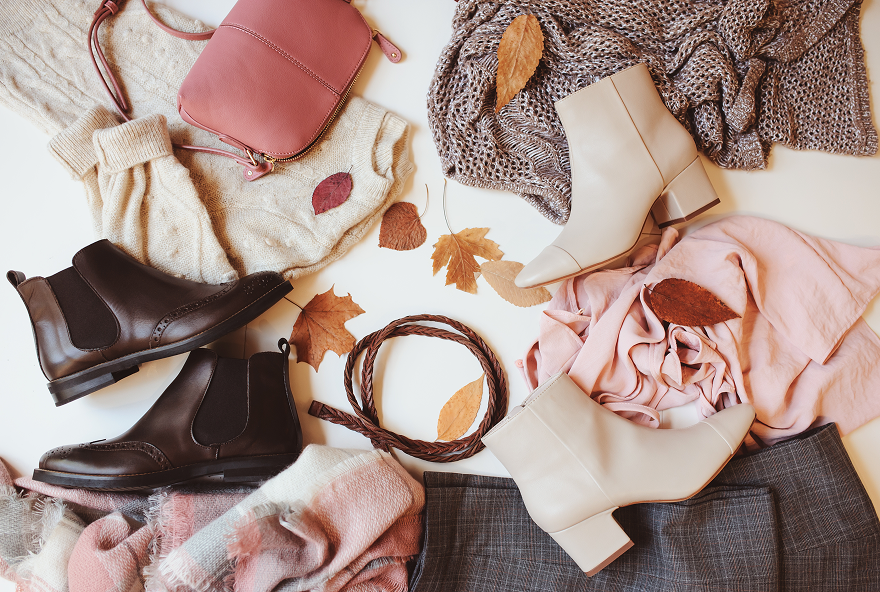
Koromogae is the process of putting away lightweight summer clothes and bringing warmer autumn and winter clothes to the front of your wardrobe. In the past, October 1 was officially designated as the day for the autumn seasonal clothing change in Japan. Even today, many schools and workplaces switch to their autumn uniforms around October 1. For personal clothing, people generally begin changing their wardrobes between late September and early October. A good time to start is when the daily high temperature falls below 25°C. Since warm and cool days often alternate at the beginning of autumn, it is better to change your wardrobe gradually over several days rather than replacing everything at once.
2. An Important Rule Before Storing Summer Clothes: “Shimai-arai”
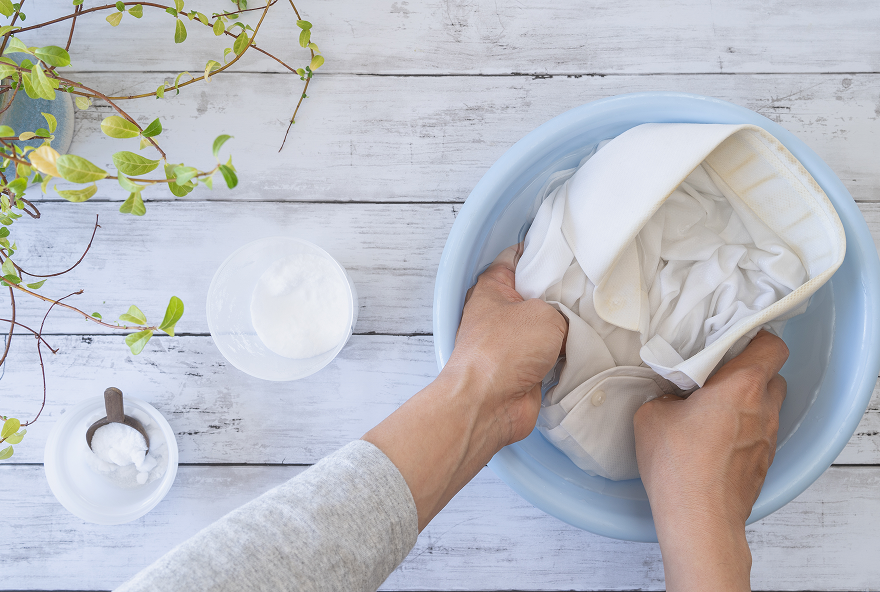
Before putting your summer clothes away at the back of your closet, there is one important step you should always take: “shimai-arai.” Shimai-arai means thoroughly washing your clothes once more before storing them for the season. Even clothes that have already been washed and look clean may still contain invisible traces of sweat and body oils. If they are left in the closet for several months, these stains can cause the fabric to turn yellow. To protect your favorite clothes, wash them once more before storing them and make sure they are completely dry.
3. Items That Protect Clothes From Japan’s Humidity and Insects
Japan has a humid climate, so clothes that remain stored in the back of a closet for a long time may develop mold or be damaged by insects. To store your clothes safely, you can buy the following two items at supermarkets and drugstores in Japan.
-
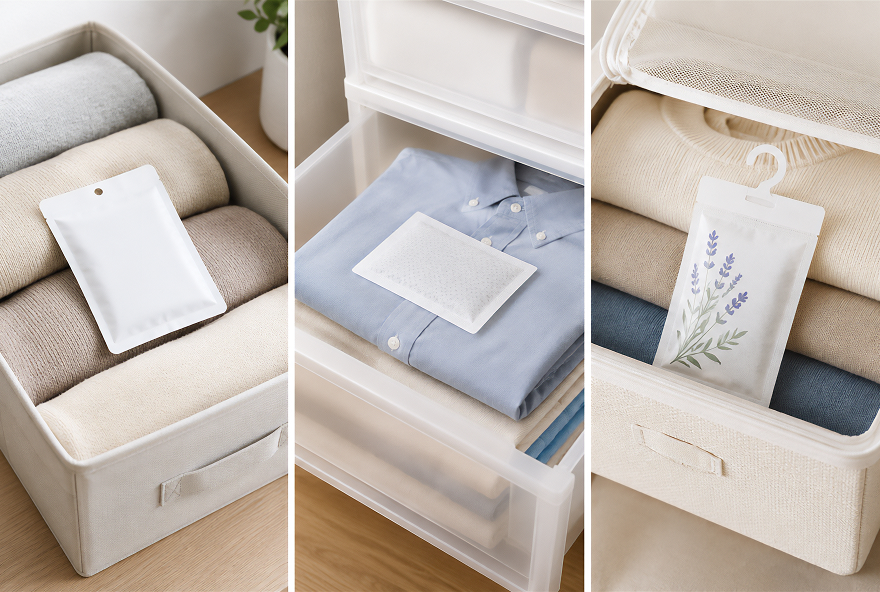
Moth and insect repellent:
These products help keep insects away from your clothes. Some are placed on top of folded clothing, while others can be hung inside the closet.
-
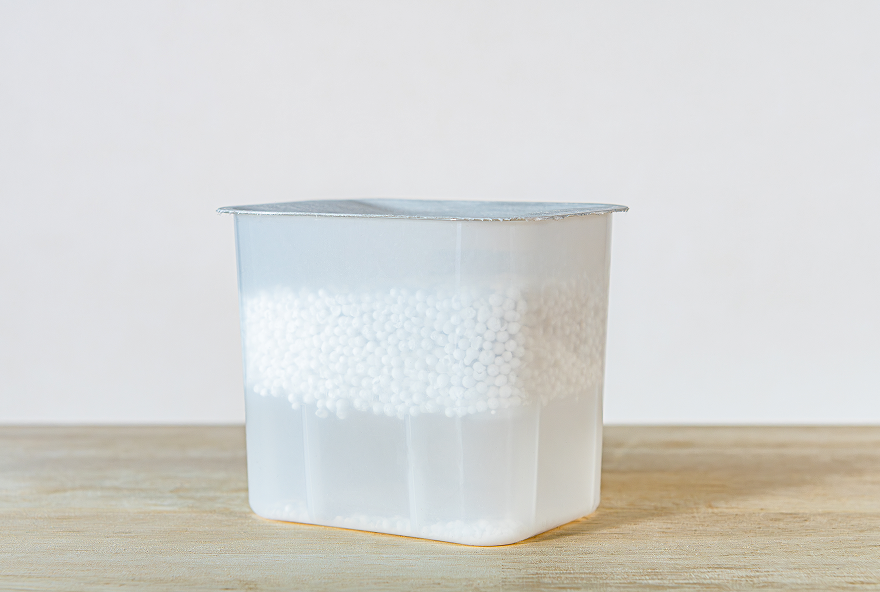
Dehumidifier:
These products absorb excess moisture inside the closet. Container-type dehumidifiers that can be placed on the closet floor are especially convenient. On sunny, dry days, it is also a good idea to open your closet doors and allow fresh air to circulate inside. Regular ventilation can help prevent mold.
4. What Should You Do With Clothes You No Longer Wear? (Recycling and Disposal)
Koromogae is also a good opportunity to sort through clothes you no longer wear. In Japan, there are two main ways to get rid of unwanted clothing.
-
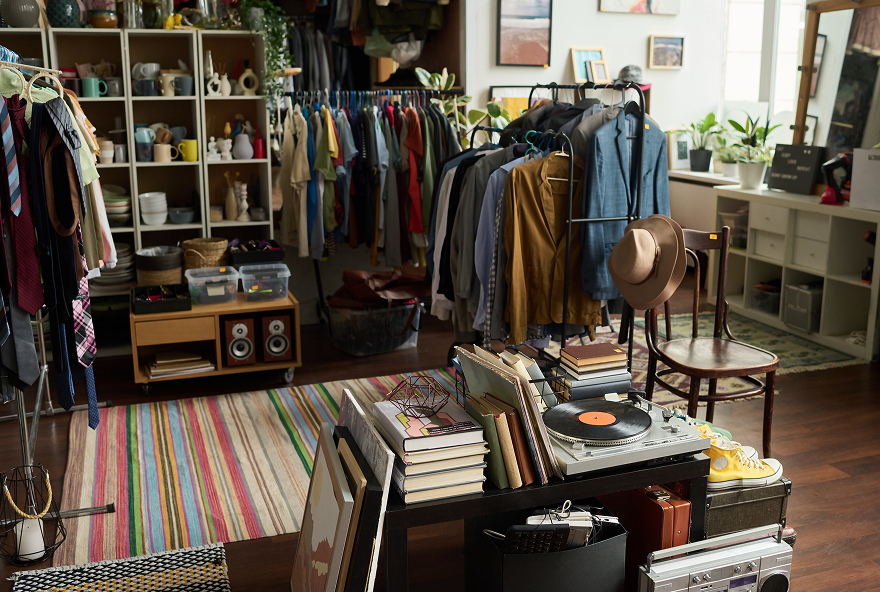
Take them to a secondhand shop:
If your clothes are still clean and wearable, consider taking them to a nearby secondhand or recycling shop before throwing them away. The staff will check the condition of the clothes and may buy them from you. It is an environmentally friendly option because clothes you were planning to discard can earn you some money and be used again by someone else.
-
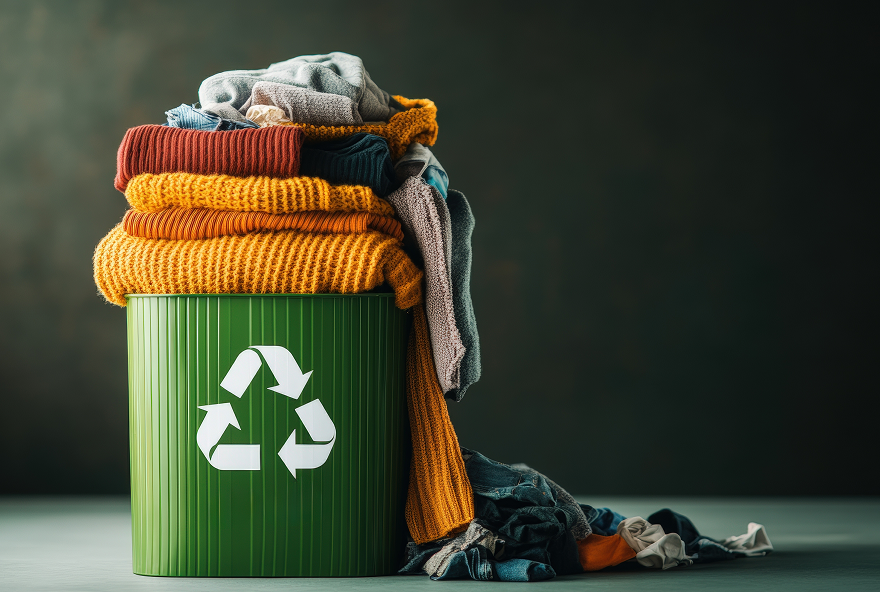
Dispose of them as garbage:
When throwing away old clothes that can no longer be worn, make sure to check your local garbage disposal rules. In many areas, clothing is collected as recyclable waste or used textiles rather than burnable garbage. Rules vary depending on the municipality, so always check your local garbage collection calendar before disposing of clothes.
Summary
Koromogae in Japan is more than simply changing the clothes in your wardrobe. It is also an important custom that helps keep your favorite clothes clean and in good condition for as long as possible. By thoroughly washing your summer clothes before storing them and properly using insect repellents and dehumidifiers, you can enjoy wearing your favorite clothes again next summer. Why not spend a cool weekend gradually organizing your closet and getting ready to welcome Japan’s beautiful autumn?