
Japan in Autumn: Is There a Rabbit on the Moon? A Guide to Enjoying “Otsukimi” for International Residents
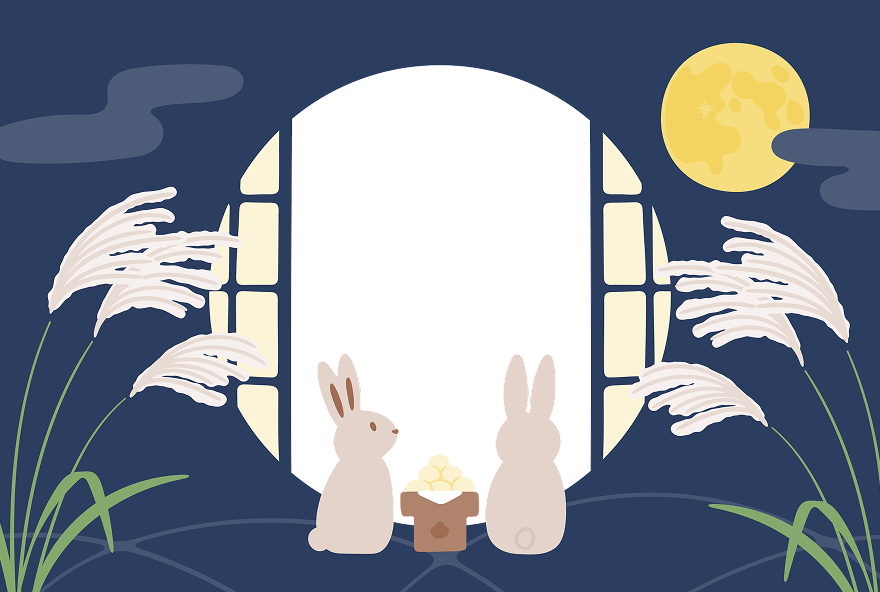
September has arrived, and the evening air is starting to feel cooler. Autumn is a season when the air is clear, making the moon look especially beautiful in the night sky. In Japan, there is a traditional autumn custom called “Otsukimi,” which means enjoying and admiring the beautiful round moon in the autumn night sky. It is one of Japan’s most beautiful seasonal traditions. In this article, we will introduce some interesting Otsukimi customs and easy, modern ways for international residents to enjoy autumn in Japan.
1. What Is “Otsukimi”?
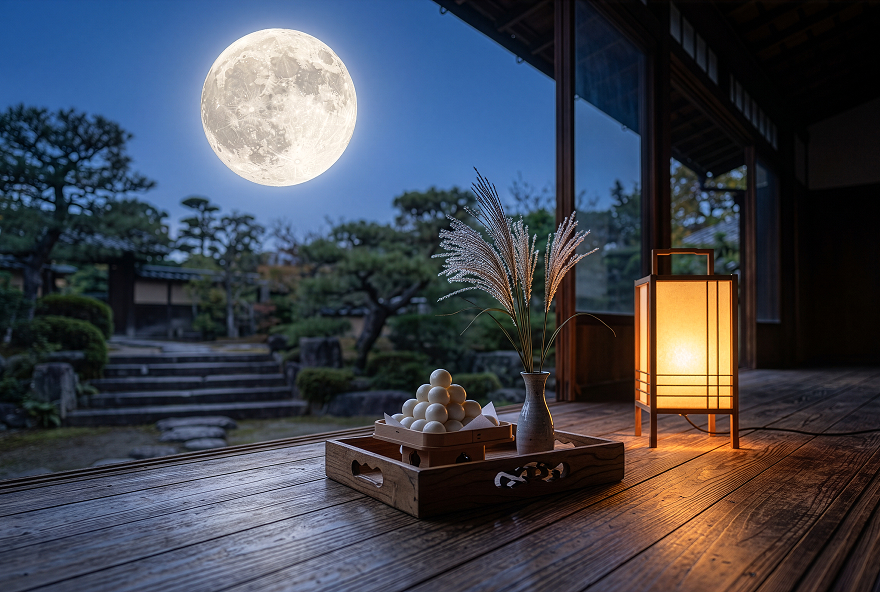
Otsukimi is a tradition that originally came to Japan from ancient China. In Japan, it developed into a celebration to give thanks for the delicious foods and crops harvested during autumn. The most beautiful moon of the year is known as “Jugoya” or the “Chushu no Meigetsu” (Harvest Moon). On this night, people traditionally look up at the moon from their windows, balconies, or gardens and enjoy a peaceful evening.
2. When Is Otsukimi? In 2026, It Is September 25
The date of Otsukimi changes every year. This is because the date is determined using the traditional lunar calendar, which is based on the phases of the moon. For this reason, Otsukimi usually falls sometime between mid-September and early October. In 2026, Jugoya, the main Otsukimi night, will be Friday, September 25. Mark the date on your calendar and remember to look up at the night sky!

3. Is There a “Rabbit” on the Moon?
In different cultures around the world, people see different shapes in the patterns on the moon. Some say they can see a human face, while others see a crab. In Japan, however, people traditionally say that the markings on the moon look like a rabbit making mochi rice cakes. During the Otsukimi season, you may notice many rabbit-themed decorations and products appearing in supermarkets and shops across Japan. What do people in your country see when they look at the moon? It can be fun to compare it with Japan’s moon rabbit!

4. What Do People Prepare for Otsukimi?
Japanese households traditionally display several special items during Otsukimi. Many of them can easily be found at supermarkets and flower shops in Japan.
-
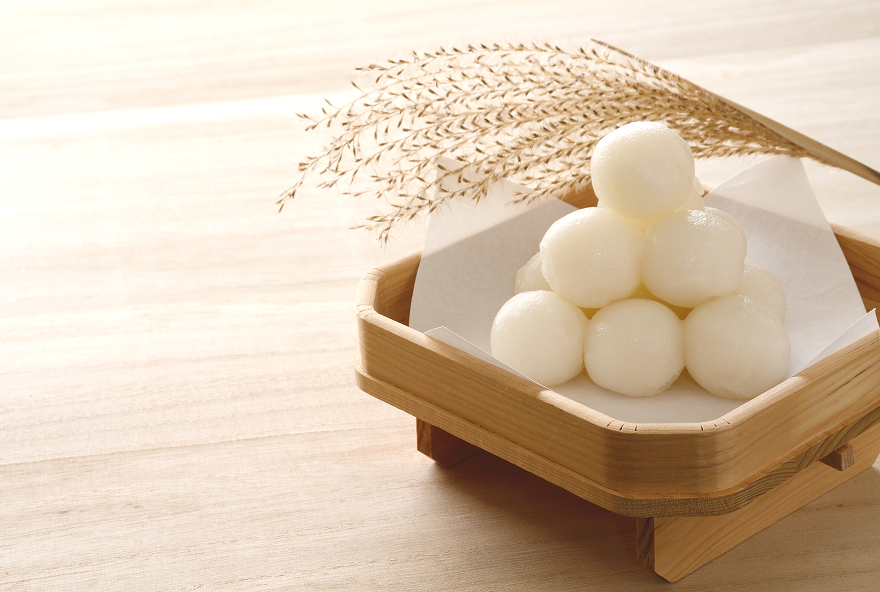
Tsukimi Dango:
White, round rice dumplings shaped like the full moon. They are traditionally stacked in a pyramid and offered to the moon. Afterward, everyone can enjoy eating them together.
-
Susuki (Pampas Grass):
A plant associated with autumn in Japan. Because its shape resembles rice plants, it is displayed as a wish for a good harvest. It is also traditionally believed to help ward off evil spirits.

-
Autumn Vegetables:
Seasonal foods harvested during this time of year, such as taro and sweet potatoes, may also be offered during Otsukimi.
Reference videos explaining Japanese Otsukimi culture and how to display tsukimi dango in English.
5. A Popular Modern Tradition: Seasonal “Tsukimi” Fast-Food Menus
Otsukimi is not only about traditional customs. There are also some fun and easy modern ways to enjoy the season in Japan. Every autumn, restaurants and fast-food chains across Japan begin selling special seasonal items with “Tsukimi” in their names.
-
Tsukimi Burger:
Around September, fast-food chains such as McDonald’s release limited-edition autumn burgers. The round fried egg inside the burger represents the full moon.

-
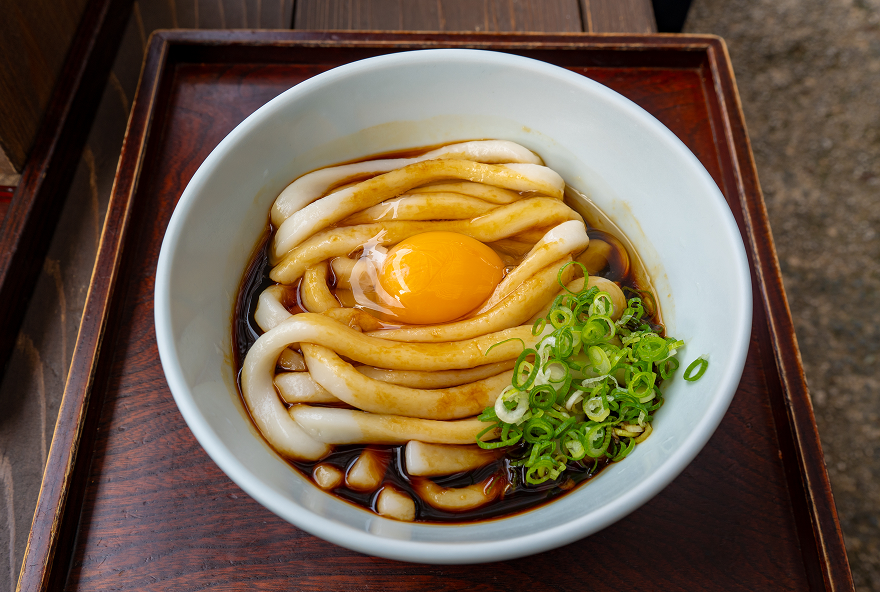
Tsukimi Udon and Tsukimi Soba:
These are Japanese noodle dishes topped with a raw egg. The bright yellow egg yolk looks like a full moon floating in the night sky, which is where the name “Tsukimi” comes from.
In Japan, eggs are often used to represent the moon in food. For busy young people and international residents, enjoying a seasonal “Tsukimi” menu is one of the easiest — and most delicious — ways to experience autumn in Japan.
Enjoy a Delicious Autumn Evening
Otsukimi is a beautiful Japanese tradition that anyone can enjoy. You do not need any special equipment — simply looking up at the night sky is enough to take part. This September 25, why not buy some tsukimi dango from the supermarket, try a seasonal Tsukimi menu at a restaurant, and enjoy the changing seasons in Japan?