Summer Is Finally Here! Japan’s Unique “End of the Rainy Season” and Important Safety Tips
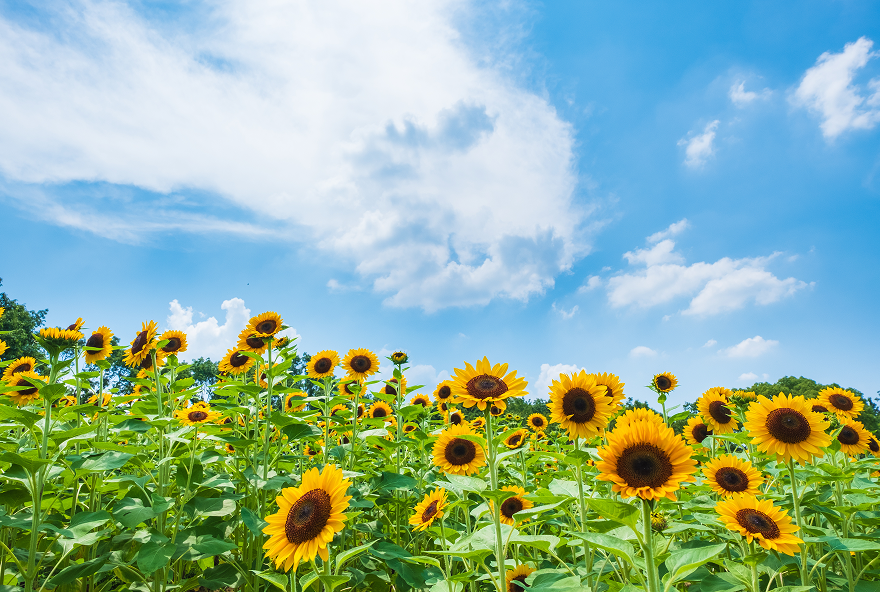
Japan’s long, humid rainy season is known as tsuyu. When gloomy skies continue day after day, laundry refuses to dry and even your mood can begin to feel a little low. However, sometime between mid- and late July, the long rainy season suddenly comes to an end. In Japan, this is called tsuyu-ake, or “the end of the rainy season.” In this article, we will explain how the end of the rainy season is viewed in Japanese society, as well as the important health and lifestyle precautions that foreign residents should know during this time of year.
The “End of the Rainy Season” Announcement Makes Headline News
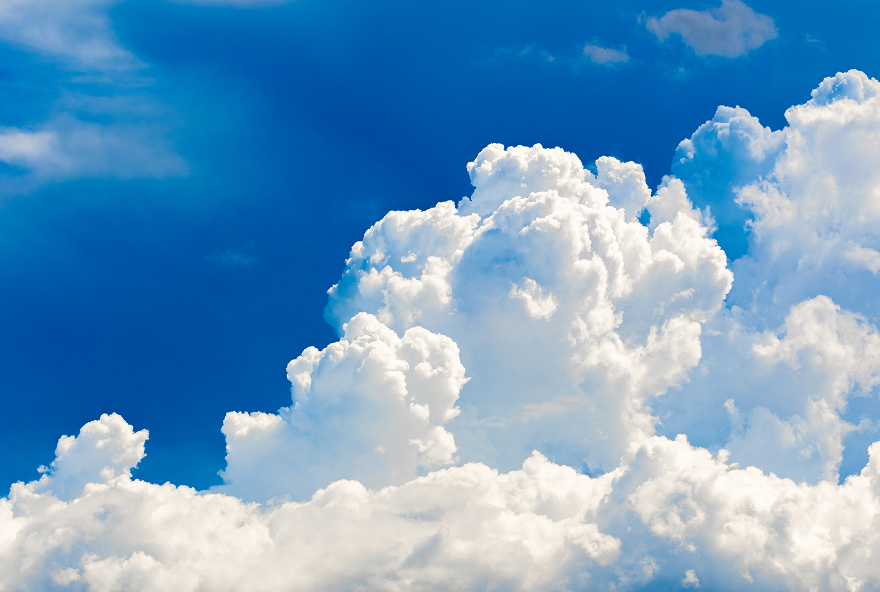
Every year, the Japan Meteorological Agency makes announcements such as, “The rainy season is believed to have ended in the Kanto region today.” The announcement is then widely reported as a major story on television news and weather programs. Street interviews often show people happily saying, “Summer is finally here!” From the day the end of the rainy season is announced, towering cumulonimbus clouds begin to fill the sky and cicadas all start chirping at once. For Japanese people, the end of the rainy season marks the beginning of the intense summer heat, making it an important turning point on the seasonal calendar.
The Most Dangerous Time of Year? Beware of Heatstroke
Although the end of the rainy season is often welcomed with excitement, the greatest danger foreign residents should be aware of is heatstroke. In fact, it is often said that more people are taken to hospital for heatstroke during the first few days after the rainy season ends than during August, the height of summer. During the rainy season, the sun is often hidden behind clouds and temperatures tend to be slightly lower. As a result, our bodies are no longer accustomed to extreme heat. When intense sunlight and temperatures exceeding 35°C suddenly arrive, the body may struggle to adjust to the rapid change, causing people to become unwell.
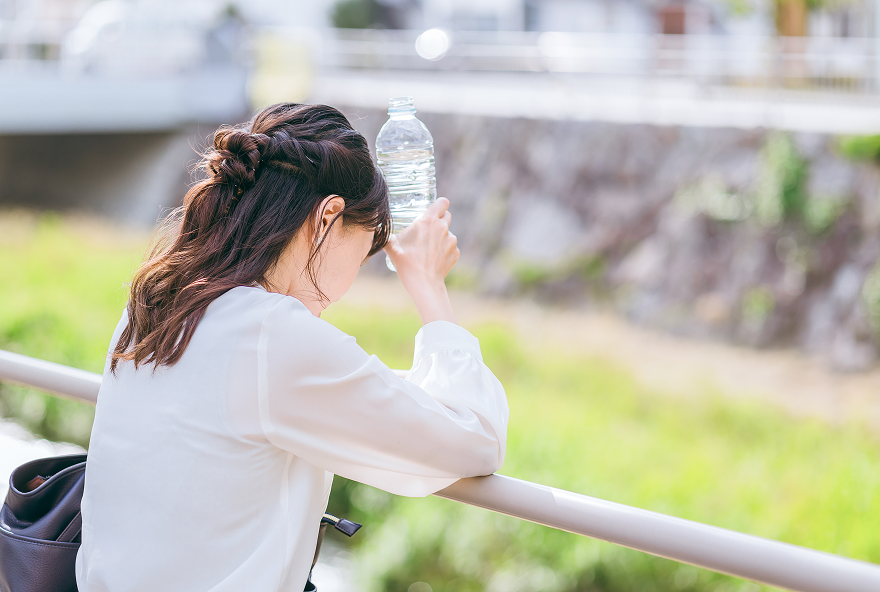
Protecting Your Life Comes First - Never Endure the Heat to Save on Electricity
Once the rainy season ends, Japan’s particularly dangerous combination of high temperatures and high humidity begins. Many people worry about expensive summer electricity bills, but you should never endure excessive heat simply to save money. In Japan, nearly half of heatstroke incidents occur while people are indoors. To protect your health and safety, do not hesitate to take the following precautions.
-
Use the Air Conditioner Without Hesitation
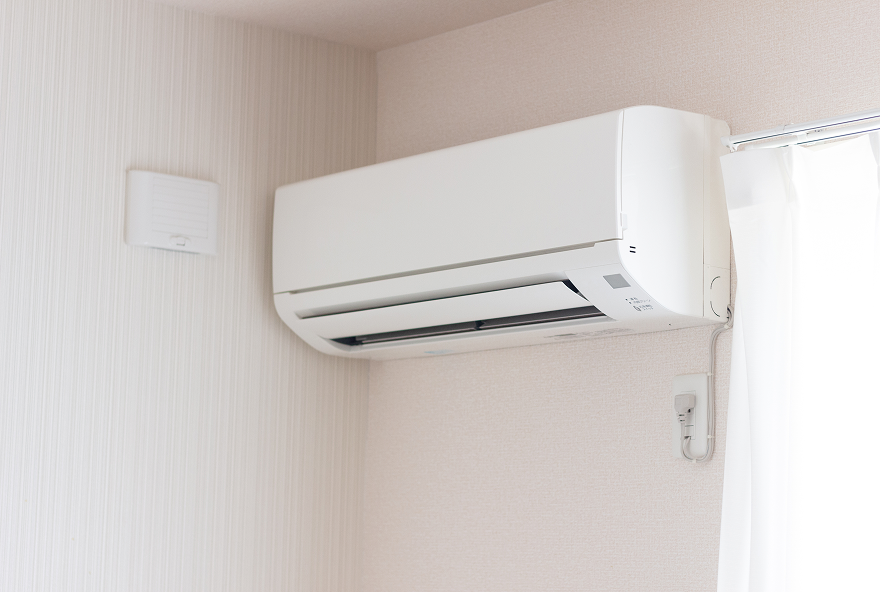
Repeatedly turning your air conditioner on and off because you are worried about electricity costs may actually be counterproductive.Air conditioners consume the most electricity when they first begin cooling a room. Therefore, when leaving home for only a few hours during the day, keeping the air conditioner running in cooling mode may sometimes result in a lower electricity bill overall.
-
Drink Fluids and Replenish Sodium Before You Feel Thirsty
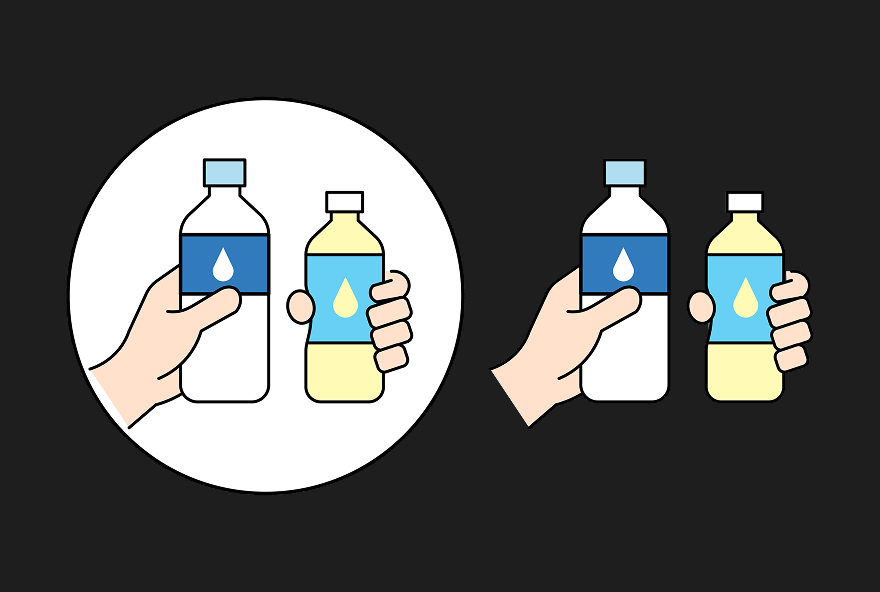
Always keep a drink nearby when spending time in a hot room or going outside.In addition to drinking water, it is extremely important to replace the salt and minerals lost through sweat. Barley tea and sports drinks, such as Pocari Sweat, are widely available at supermarkets and convenience stores.
-
Use Cooling Products to Lower Your Body Temperature Effectively

If setting the air conditioner too low makes you feel tired or sluggish, continue using the air conditioner while also using cooling products. Neck coolers and cooling gel sheets, such as Hie Pita, are available at drugstores and can help cool the body effectively.
Summary
The end of the rainy season is happy news because it brings back blue skies and bright sunshine. At the same time, it also marks the beginning of Japan’s intense “survival summer.” Remember that your health is more important than your electricity bill. Make proper use of air conditioning, drinks, and cooling products so that you can stay healthy and enjoy Japan’s wonderful summer events.