Japan’s Summer Holiday: Rules and Tips for the Obon Break
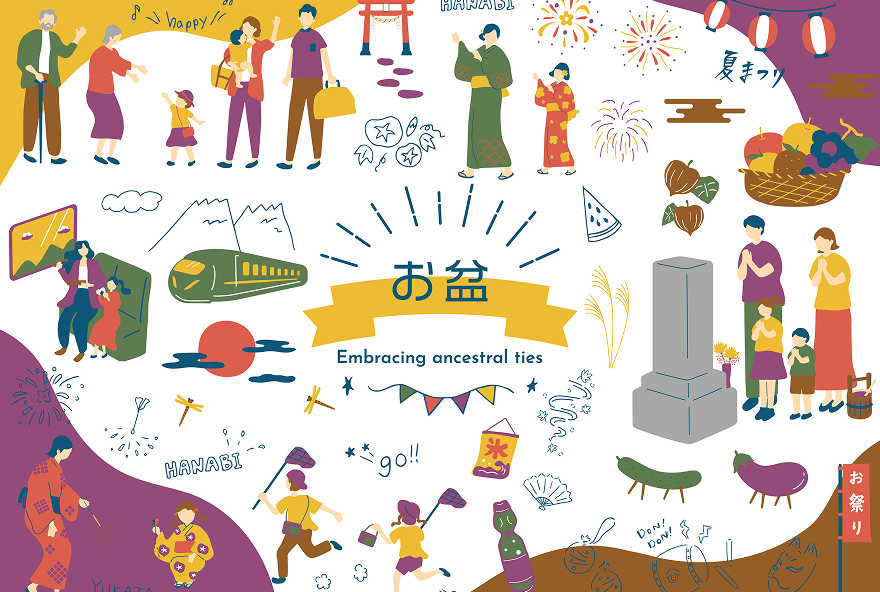
One of the most well-known events of the Japanese summer is Obon. Obon was originally a Buddhist tradition in which families welcome and honor the spirits of their ancestors. However, for people working in Japan, it is also considered one of the country’s three major extended holiday periods, along with Golden Week and the New Year holidays. In this article, we explain how company holidays work during Obon and provide practical tips to help foreign residents enjoy this period without unnecessary trouble.
1. Why Is the Company Closed When It Is Not a Public Holiday?
One of the most confusing things for foreign workers is that many companies close during Obon even though the dates are not marked as national holidays on the calendar.
-
The Standard Obon Holiday Period
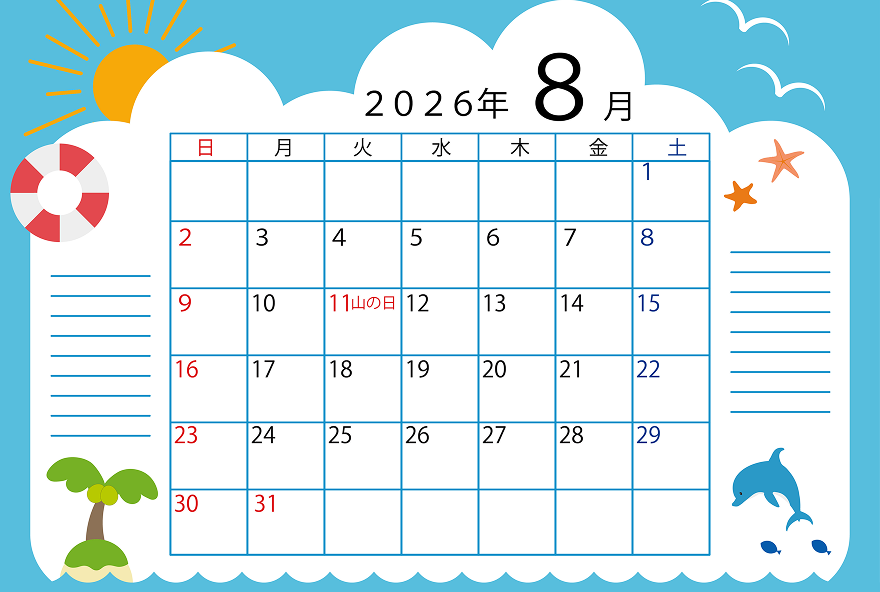
Many companies designate August 13 to August 16 as the Obon holiday, also known as the summer holiday period. In 2026, this period falls from Thursday, August 13 to Sunday, August 16. Although Thursday and Friday are normally working days, many companies throughout Japan will be closed.

-
Combine It with Mountain Day for Up to Nine Consecutive Days Off
In 2026, Mountain Day falls on Tuesday, August 11 and is a national holiday. Monday, August 10 is a regular working day. However, by taking paid leave on that day, employees can connect the holiday with the preceding weekend on August 8 and 9. By also taking Wednesday, August 12 off, it is possible to create a nine-day holiday from August 8 to August 16.
-
Holiday Rules Depend on the Company
Some companies treat the Obon break as a special company holiday and close the entire workplace at the same time. Other companies require employees to use their own paid leave during this period. Be sure to check your company’s employment rules or ask the human resources department in advance to understand which system applies to you.
2. What Are Commuting and the Workplace Like During Obon?
Even when you are required to work as usual during Obon, the atmosphere in the city and at your workplace may feel slightly different.
-
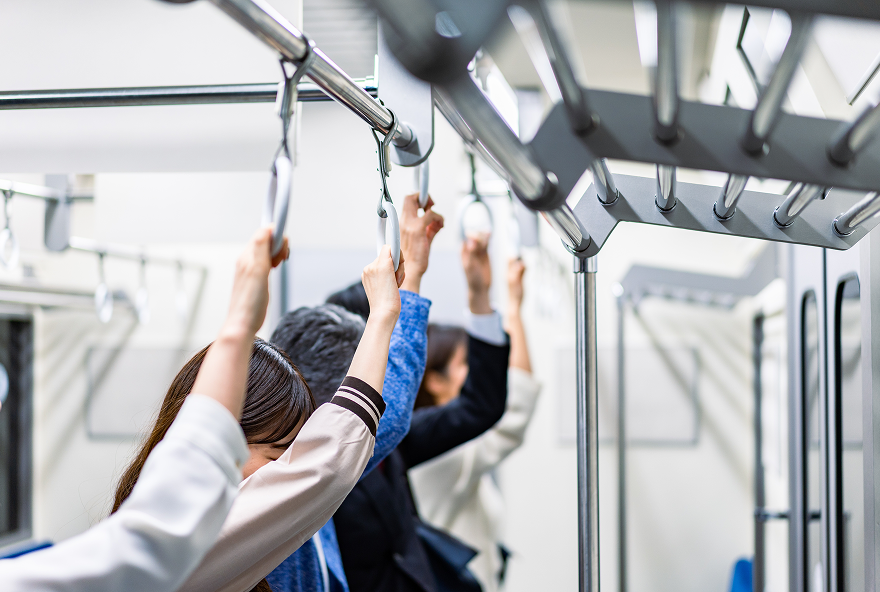
Commuter Trains Are Less Crowded
Schools are already closed for summer vacation, and many businesspeople also take time off during Obon. As a result, the normally crowded morning trains are often surprisingly comfortable.
-
Fewer Calls and Emails
Many other companies are also closed, so the number of external phone calls and emails often decreases significantly. This can be a valuable opportunity to work at your own pace and concentrate on tasks without frequent interruptions.

-
Remember to Set an Out-of-Office Reply
When taking time off during Obon, it is a good idea to set up an automatic out-of-office email reply for colleagues and external contacts. This helps prevent misunderstandings and lets people know when they can expect a response.

3. How Obon Affects Daily Life and How to Prepare
Because many companies close during Obon, various services throughout the city may also be affected. Here are some important points to keep in mind when spending the Obon period in Japan.
-
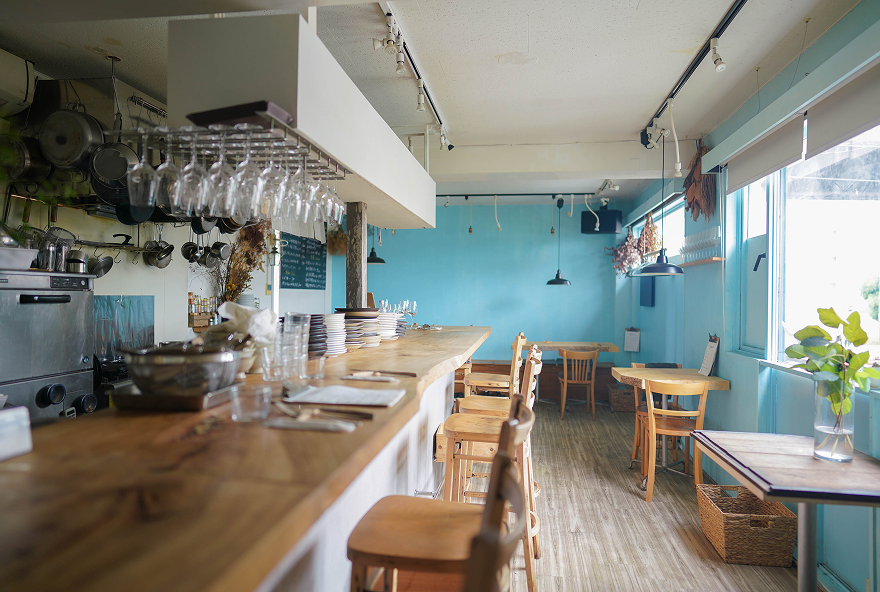
Restaurants and Shops: Watch Out for Temporary Closures
Major chain restaurants, supermarkets, and convenience stores usually remain open as normal. However, independently operated cafés, restaurants, and small local shops often take several days off during Obon. Before visiting a favorite shop or traveling to a restaurant farther away, check its official website or social media account for its Obon opening schedule.
-
Medical Services: Local Clinics May Be Closed
Privately operated dental clinics, internal medicine clinics, and other local medical facilities often close between approximately August 13 and 16. When taking regular medication for a chronic condition, make sure you have enough medicine before the Obon holiday begins.

-
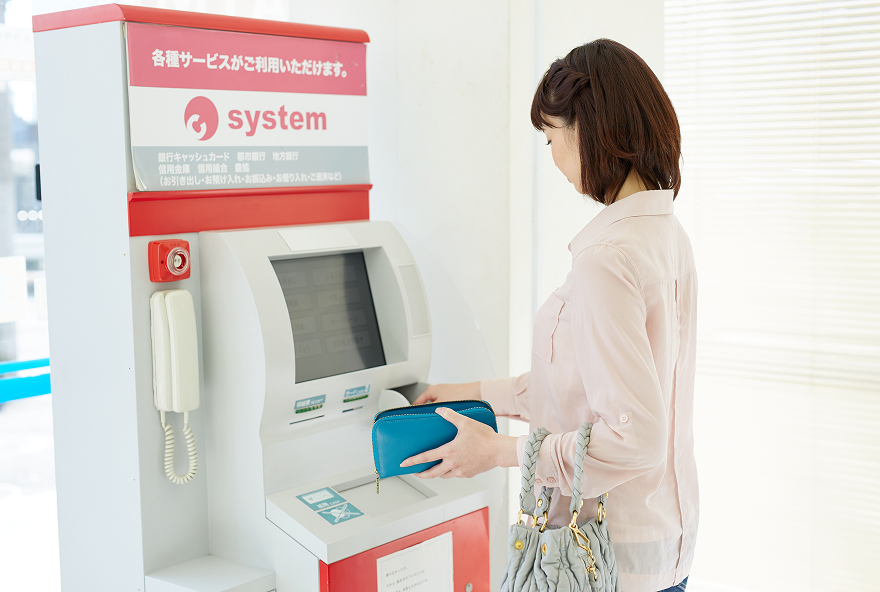
Banking: Branches May Be Open, but Check the Hours
Banks generally operate according to the regular calendar during Obon. However, the opening hours of some branches and ATM areas may change, so it is best to check in advance.
-
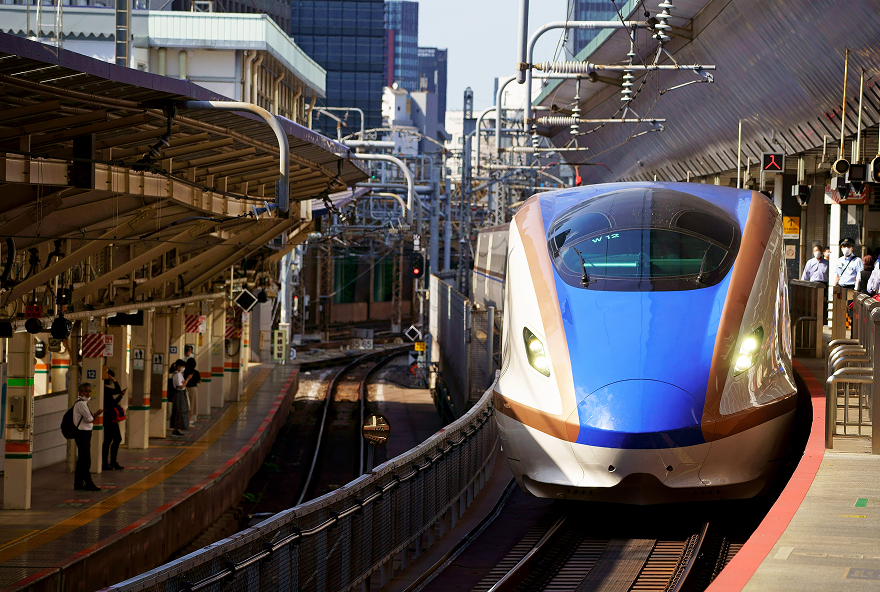
Transportation: Heavy Crowds and Higher Prices
Many people travel back to their hometowns during Obon to visit their families. This tradition is known as kisei. As a result, bullet trains, airplanes, and expressways experience some of their heaviest congestion of the year. Some Shinkansen services may operate with reserved seating only, meaning that no non-reserved seats are available. Hotels may also charge special Obon or peak-season rates that are significantly higher than usual. Travel plans should therefore be made carefully and as early as possible.
4. What do Japanese people do during Obon?
During the holiday, many Japanese people return to their hometowns and spend time with family and relatives.
-
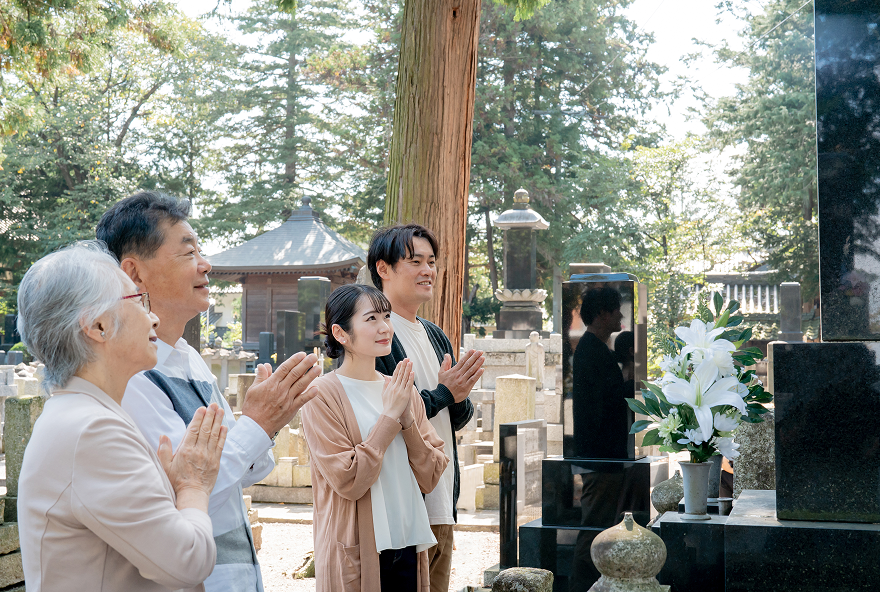
Visiting Family Graves
Families often clean their relatives’ graves and leave flowers and incense as a way of greeting and honoring their ancestors.
-
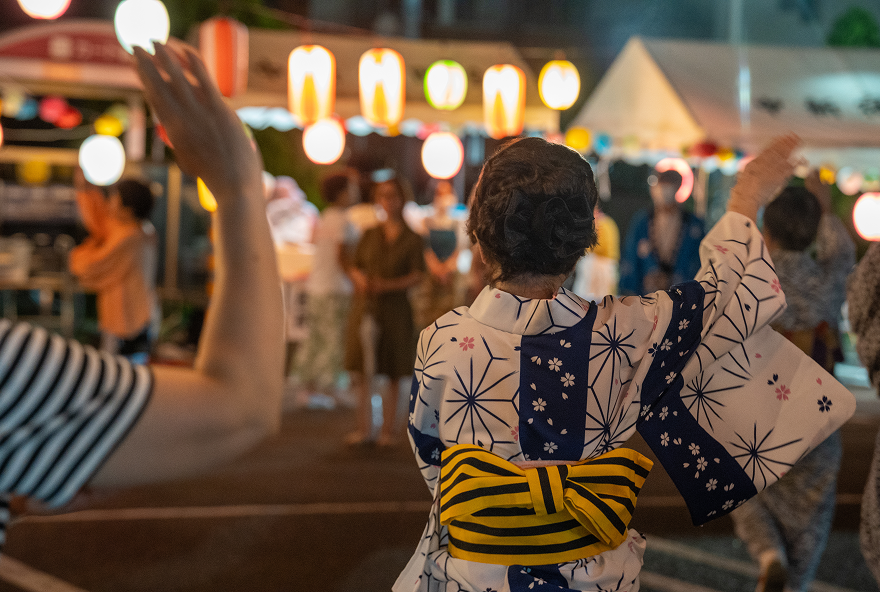
Bon Odori (traditional Japanese dance festival)
Bon Odori is a traditional festival held in local parks, shrines, and other community spaces. Lanterns are displayed, and people wearing yukata dance together in a circle to traditional music. Many Bon Odori events welcome spontaneous participation, so when you come across one, consider joining in and experiencing this part of Japanese culture.
Summary
Obon is a special period when much of Japan shifts its focus toward family, tradition, and rest. Check your company’s holiday rules carefully, confirm shop opening hours, and make travel arrangements early so that you can enjoy a relaxing and meaningful summer holiday.