
Never get lost again! A guide to riding Japan's local buses.
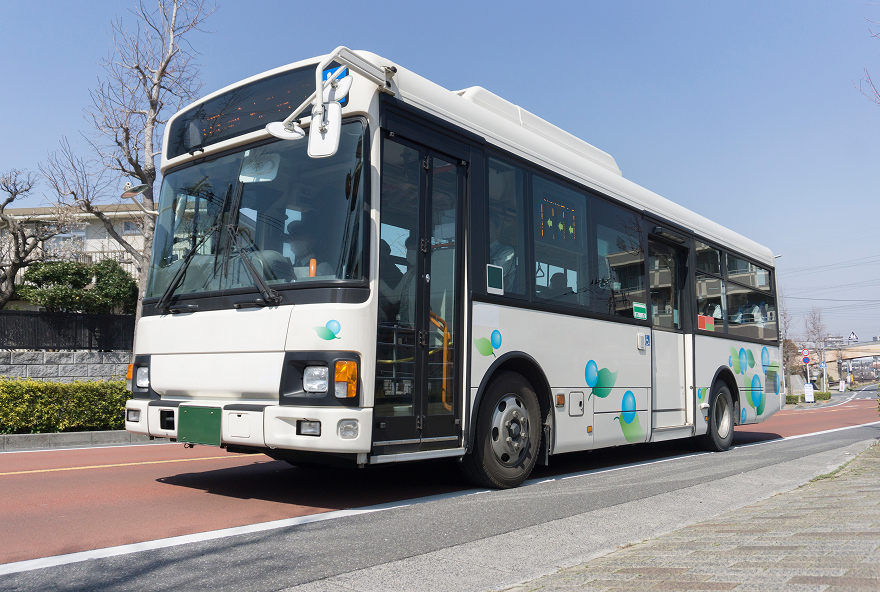
While Japanese trains and bullet trains are very convenient, local buses are indispensable when going to places a little further from the station, residential areas, or when sightseeing.
For those who are worried about things like "It seems difficult to ride the bus" or "I don't know how to pay," we will explain the basic rules and steps in an easy-to-understand way so that foreigners working or living in Japan can ride the bus with peace of mind!
[First of all]
● Unlike taxis, you cannot hail a bus on the roadside and board it midway. Please be sure to board the bus from the designated "bus stop".
● Bus fare payment rules differ between "large cities like Tokyo" and "rural/suburban areas."
If you're unsure, you can either follow what other passengers are doing, or prepare a transportation IC card (such as Suica or PASMO) and cash (1,000 yen bills and coins) before boarding, which will allow you to handle most situations smoothly.
If you're unsure, ask the bus driver.
1. There are two ways to ride a bus in Japan!
The most confusing thing about buses in Japan is that "where to board and when to pay" varies depending on the region and the bus company. There are broadly two patterns:
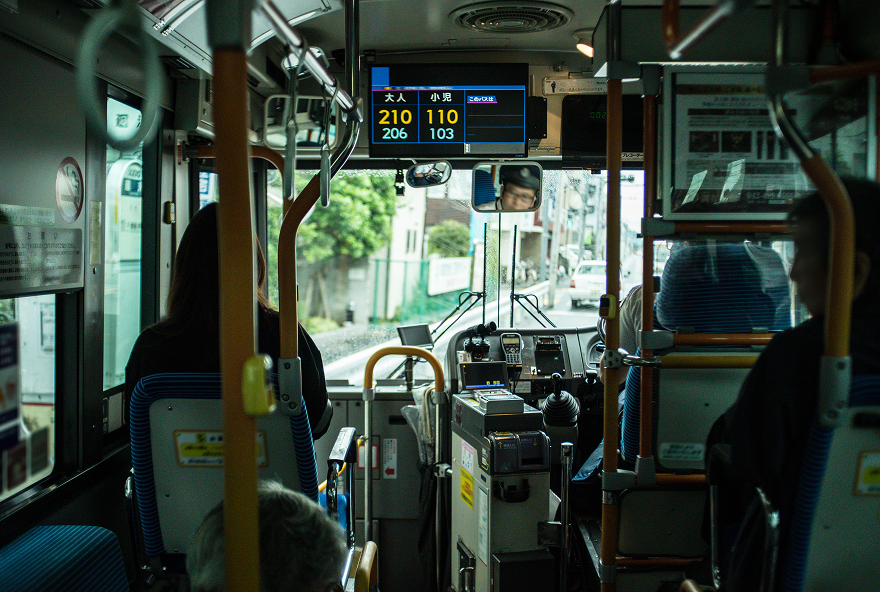
patternABoarding in front, payment in advance (flat fare)
-
Areas with high prevalence:
Tokyo's 23 wards, Yokohama City and other major metropolitan areas
-
Features:
The fare is the same no matter how far you go.
-
flow:
- Get on through the front door.
- As soon as you board, put the fare into the fare box. ICTouch your card(Or pay in cash in advance.)
- When you arrive at your destination, get off through the "rear door".
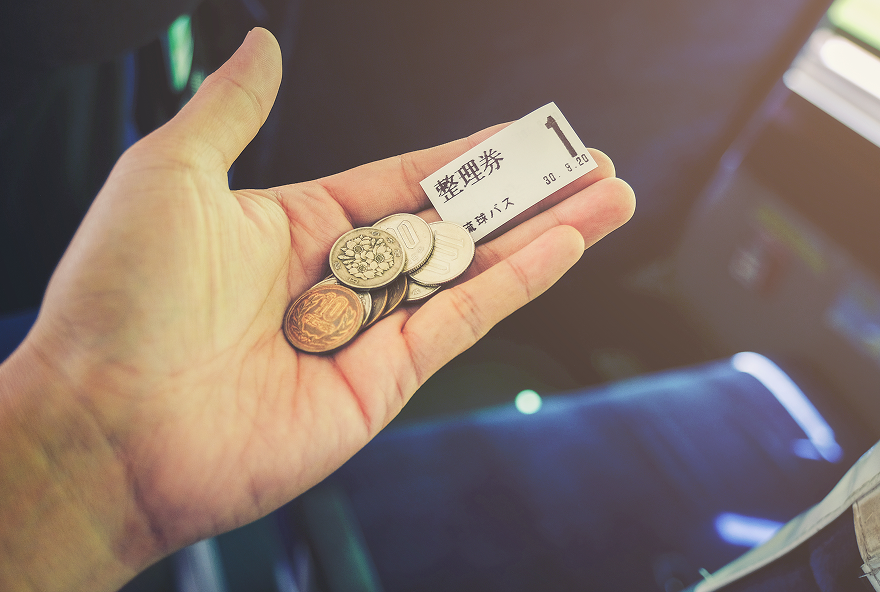
Pattern B: Boarding at the rear, payment upon arrival (numbered ticket, distance-based fare)
-
Areas with high prevalence:
Regional cities, suburbs, Kansai area (Kyoto, Osaka, etc.)
-
Features:
The fare varies depending on the distance traveled.
-
flow:
- Enter through the rear (or middle) door.
- When getting inICCardtouch(To the lit reader). If paying with cash, take a numbered ticket from the ticket machine.
- Press the stop button, check the fare, and get off through the front door (once you get off, check again)IC(Tap your card, or put cash and your numbered ticket into the fare box.)
2. Three steps to taking the bus
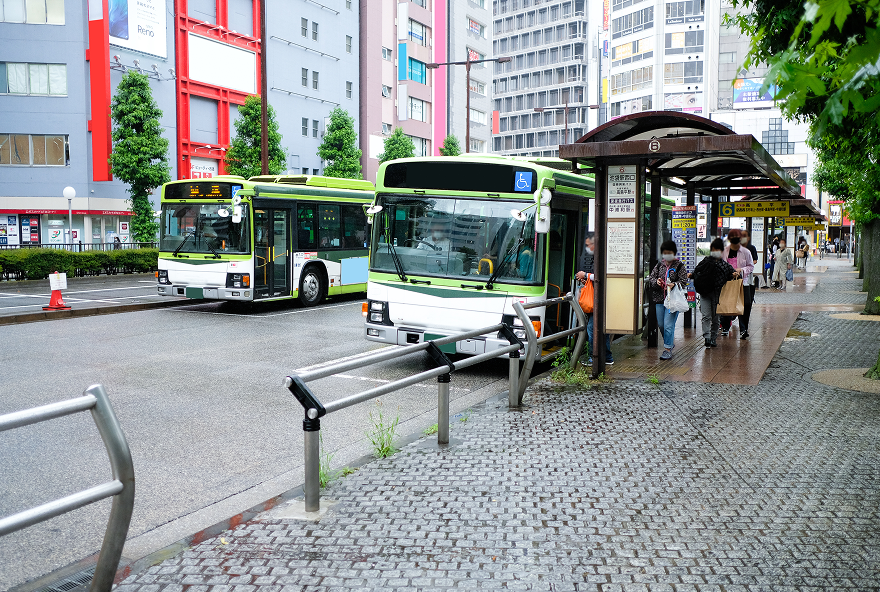
Step 1: Wait at the bus stop and confirm your destination.
Bus stops have timetables and destinations posted. The "route number (numbers or kanji)" and "destination" are located on the front and sides of the bus. DestinationPlease check the following before boarding:
Step 2: Press the "button" when you want to get off.
When the next stop is announced inside the bus, press the "Stop Button" located on the wall or handrail. When you press the button, the light will illuminate and say "Next stop."
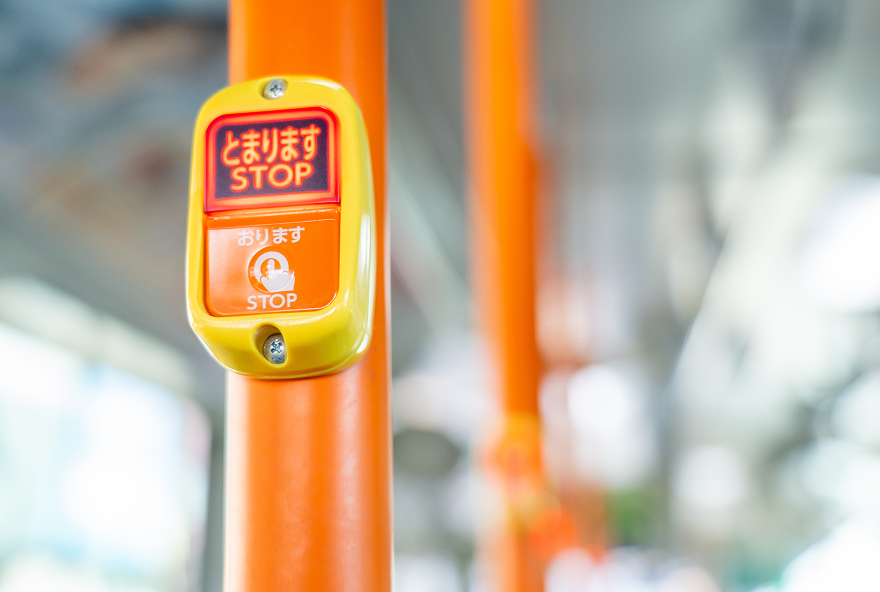
[Manners Note] Do not stand up until the bus has come to a complete stop!
In Japan, it is considered good manners to remain seated on buses until the bus has come to a complete stop, for safety reasons. If you start moving while the bus is moving, there is a risk of falling, and the driver may warn you, so please wait until the bus has come to a complete stop before standing up.
Step 3: Pay the fare and get off (if paying after the ride/boarding after the ride).
(Note: If you paid in advance and boarded at the front, you will have already paid when you boarded, so you will exit through the rear door.)
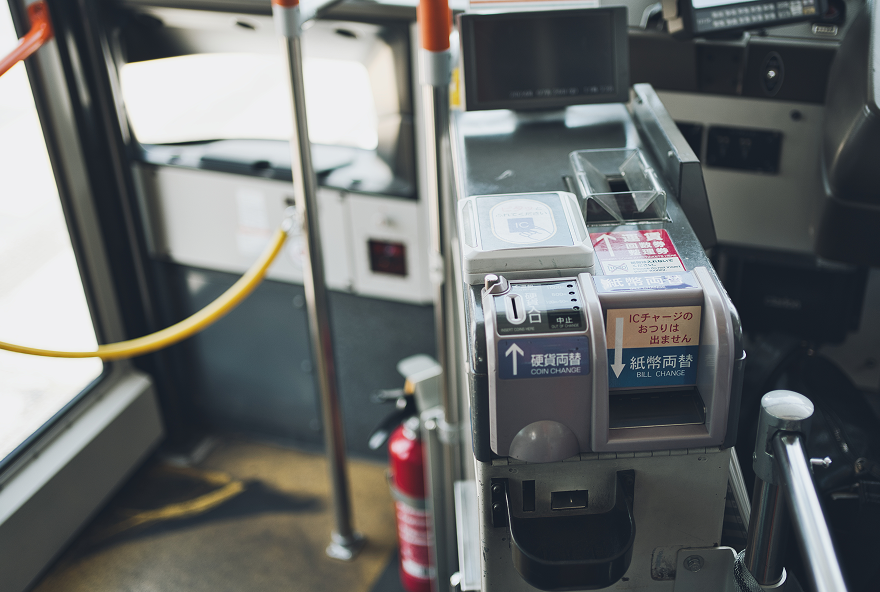
-
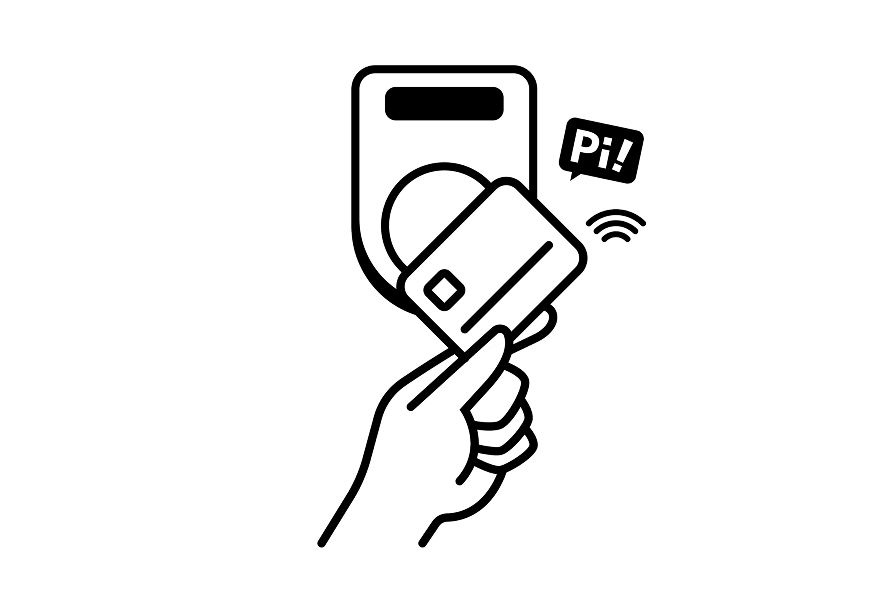
For IC cards:
Touch your card firmly to the reader on the fare box until you hear a "beep" sound.
-
If paying by cash:
Check the amount corresponding to your ticket number displayed on the overhead monitor, and place it in the fare box along with your ticket.
Many bus fare boxes are designed so that no change is given. If you don't have small change, you can use the change machine attached to the fare box while the bus is stopped, not while it's moving. ChangeYou exchange your money for 1000 yen bills or coins at the cashier before paying.
3. Mastering the Bus! Recommended Apps & Website Usage Tips
Unlike trains, buses can be delayed due to road congestion (traffic jams). That's where digital tools come in handy.
-
Use the official app/website (bus location system) of each bus company.
Many bus companies, including Toei Bus, Keio Bus, Seibu Bus, and Kanagawa Chuo Kotsu, offer a "bus location system" (busloc) through their official apps and websites.
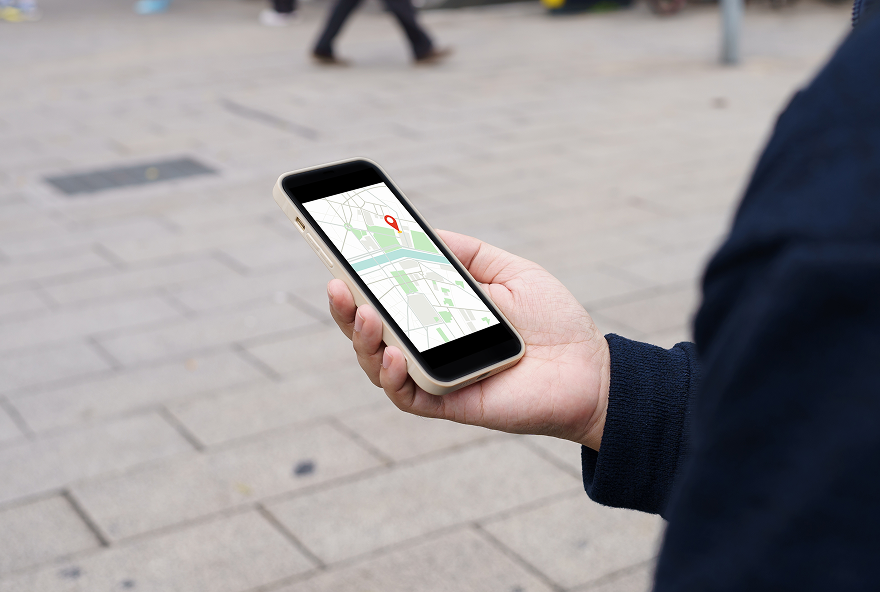
You can check in real time on your smartphone "how many minutes until the bus arrives at the bus stop you're waiting for" and "where the bus is currently located," eliminating the need to wait unnecessarily at the bus stop.
For information on service cancellations and delays during bad weather (typhoons, heavy snow, etc.), the official website is the most accurate and fastest source.
-
Use apps like Google Maps or Navitime in conjunction with this.
Google Maps is convenient for finding directions to your destination. The system will display information such as "which bus stop to board from," "which bus route to take," and "how much the fare is."
-
Check your IC card balance before boarding.
While it's sometimes possible to top up your card with cash on the bus (often only accepting 1,000 yen bills), you might feel rushed if there's a line of people behind you. The safest option is to top up your balance in advance at a train station or convenience store.
summary
Japanese buses may seem complicated at first glance, but "when boarding, observe what the people around you are doing."thing andKnowing how to check real-time train status on apps or official websites will help you deal with delays and missed trains without panicking.
Mastering the bus system will make life in Japan and your weekend outings much more convenient and enjoyable. Please give it a try!