Ise Shrine - A Historical Shrine Beloved by the Japanese People

Located in Ise City, Mie Prefecture, Ise Jingū is often affectionately called “O-Ise-san” or referred to as “the home of the heart of the Japanese people”. It is one of Japan’s most famous and revered shrines. Unlike Otera, which are Bhuddist temples, Ise Jingū is a Shinto institution.
The shrine complex consists of two main sanctuaries: the Outer Shrine (Gekū), formally known as Toyouke Daijingū, and the Inner Shrine (Naikū), known as Kōtai Jingū.
In addition to these, the shrine encompasses 14 betsugū (auxiliary shrines ), 43 sessha (branch shrines), 24 massha(sub-shrines), and 42 shokansha (administrative shrines)—a total of 125 shrines altogether. The entire complex area is roughly the same size as Setagaya Ward in Tokyo, making it a vast and significant sacred site.
Gekū (Outer Shrine)
The Outer Shrine (Gekū) is located in the center of Ise City, in Toyokawa chō (town), and has a history of around 1,500 years.
The Gekū enshrines Toyouke no Ōmikami, the guardian deity of food, clothing, shelter, and industry. Toyouke no Ōmikami is known as the deity who offers food to Amaterasu Ōmikami, who is enshrined in the Naikū (Inner Shrine).
There is a long-standing custom that says,
“When visiting Ise, start from the Outer Shrine.”
It is therefore traditional for worshippers to visit Gekū first.
The main sanctuary of Gekū is officially called Toyouke Daijingū.
In addition, there are several secondary sanctuaries (Betsugū), each dedicated to different deities.
Betsugū (Auxiliary/Annex Shrines)
■Taka no Miya
Takanomiya Shrine enshrines Toyouke-no-Omikami Aramitama. It is the most important branch shrine of the Geku, and its building is the second largest after the Main Shrine. It represents God's powerful and lively heart.
■ Tsuchi no Miya
Tsuchinomiya Shrine enshrines Ootsuchi no Mioya no Kami. This god is believed to be the protector of the land and rivers. Of the outer shrine's branch shrines, this is the only one that faces east.
■Kaze no Miya
Kazenomiya Shrine enshrines Shinatsuhiko-no-Mikoto and Shinatobe-no-Mikoto. These gods are in charge of wind and rain. Since ancient times, he has been worshipped with great care as an important god who protects agricultural crops.
Naikū (Inner Shrine)
The Naikū (Inner Shrine) is located in Ujita chō, Ise City, along the banks of the Isuzu River. With a history of about 2,000 years, it is considered the heart of Ise Grand Shrine and its most sacred sanctuary.
It enshrines Amaterasu Ōmikami, the sun goddess and central deity of Japanese mythology. As the goddess of the sun, she symbolizes gratitude for the blessings of life and has been revered by countless people since ancient times.
Uji Bashi (Bridge)
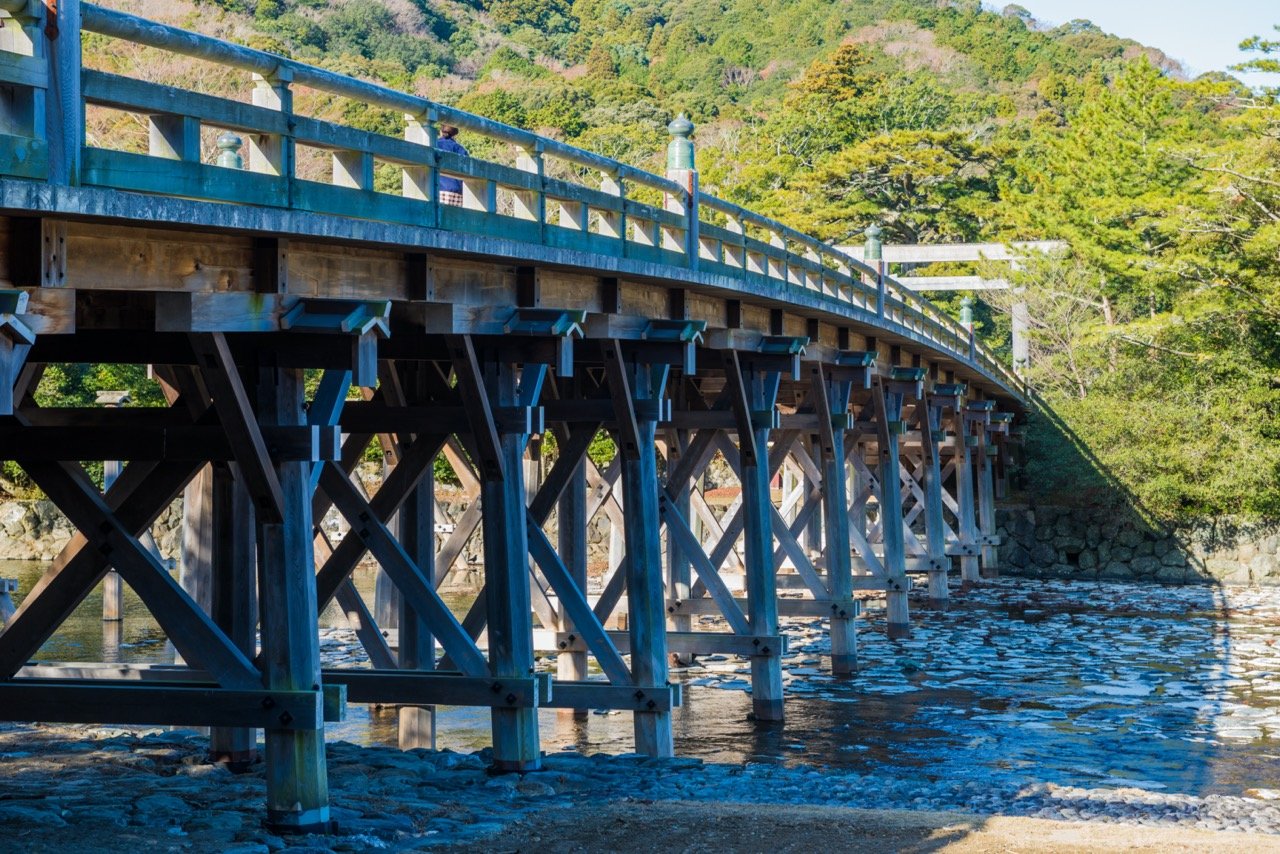
The serene flow of the Isuzu River and the tranquil, mystical atmosphere surrounding by the shrine buildings aged over 1,000 years old, give visitors a special feeling of awe.
At the entrance of the Naikū stands the Uji Bridge, said to connect the world of humans with the divine realm. This gracefully curved, quintessentially Japanese-style bridge stretches across the Isuzu River, and crossing it is believed to mark a spiritual transition, from everyday life into a sacred world.
The Naikū consists of the main sanctuary, Kōtai Jingū, and two betsugū: Aramatsuri no Miya and Kazahi no Miya.
Betsugū
■ Aramatsuri no Miya
Aramatsuri no Miya is dedicated to Amaterasu Ōmikami’s Aramitama, the fierce and active aspect of the sun goddess’s spirit. This shrine is the second largest and most important auxiliary shrine within the Naikū.
The Aramitama represents Amaterasu’s strong and courageous heart, and people worship here to receive strength and courage in times of hardship. Many visit this shrine seeking bestowment of energy and resolve when facing challenges.
■ Kazahi no Miya
Kazahi-no-miya enshrines two deities: Shinatsuhiko no Mikoto and Shinatobe no Mikoto. These gods govern wind and rain and have long been worshiped as protectors of agriculture. They are also the divine children of Izanagi no Mikoto, and, just like the Kazenomiya of the Gekū, are revered with great importance.
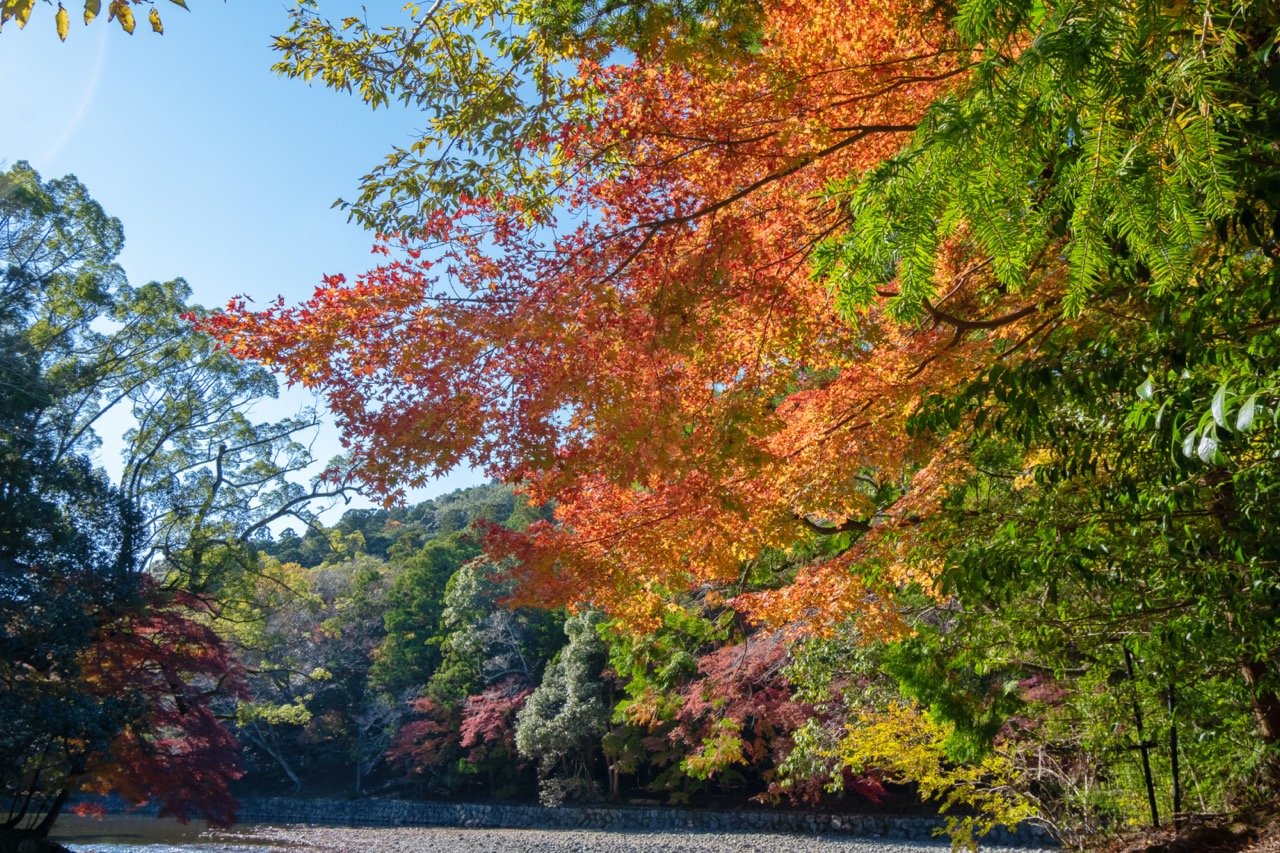
From Kazahi no Miya Bridge, visitors can enjoy the lush greenery of spring and summer or the brilliant autumn foliage, making it a great place to experience the natural beauties of each season.
Events and Matsuri Throughout the Year
At Ise Jingū, numerous Shinto rituals, events, and matsuri are held throughout the year. Approximately 1,500 rituals are held annually.
These are conducted to pray for the peace of the nation and the well-being of its people.
Since ancient times, Japan has been called “Toyoakihara no Mizuho no Kuni” - the abundant land of lush reeds and golden rice. Blessed with water and rice, the country has long regarded rice not only as a staple food but also as a precious offering to the gods.
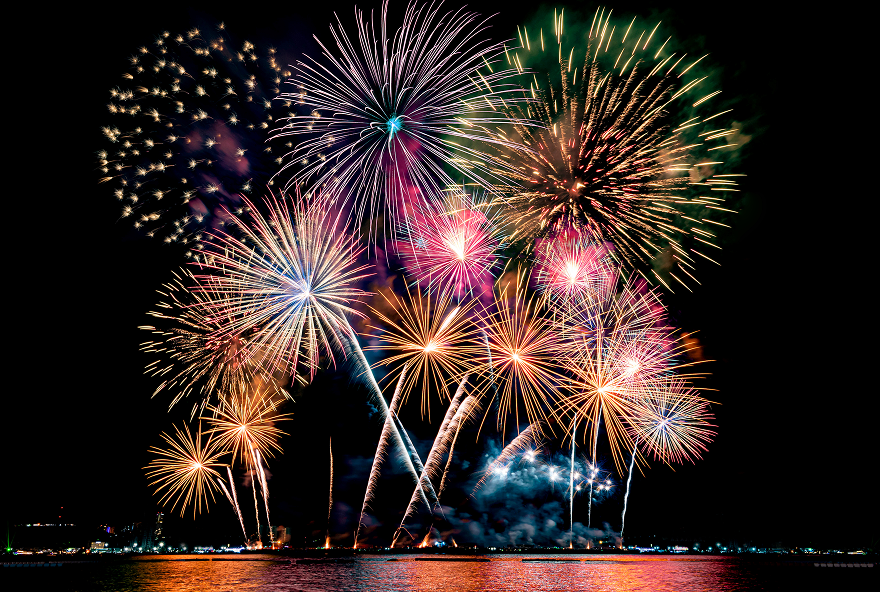
The matsuri follow the natural rhythm of a year, from the sprouting of rice plants to their harvest. In spring and autumn, the Kagurasai (Sacred Dance Festivals) are celebrated. In summer, the Ise Jingū Fireworks Festival lights up the night sky with around 9,000 fireworks dedicated to the shrine and the deities enshrined in them.
Throughout the four seasons, many other traditional events, such as the Ise Jingū Grand Sumo Tournament, are also held, allowing visitors to experience the shrine’s deep connection to Japan’s culture and nature.
Nearby Sightseeing Spots
We also recommend trying out Ise-Shima delicacies at places like Okage Yokocho, located near the Naikū.
If you want to know more, you might want to check out the links below:
Manners and Advice
- Please be quiet within the shrine grounds, and refrain from shouting or running.
- When taking photos, please follow the rules and be careful not to get in the way of the worshippers.
- You can further your experience by learning the proper steps of worship, such as how to purify your hands and mouth in the Isuzugawa.
- Do not litter; make sure to put trash in their appropriate bins.
- You may be walking for long periods of time - stay hydrated and wear comfortable footwear.
Conclusion
Ise Jingū has been a special place for the Japanese people for a very long time. By visiting both the Gekū and the Naikū, or all of the Betsugū, you might feel a deeper connection to the shrine and nature in its surrounding area, as well as a further understanding of its history. Please enjoy a quiet and spiritually enriching visit while observing proper etiquette and manners. It will surely be a special memory of your time in Japan.