More Than a Combat Sport: Discover the World of Japan’s National Sport, Sumo

“Hakkeyoi, Nokotta!”
At the referee’s call, the thunderous sound of massive wrestlers colliding fills the arena. Japan’s national sport, sumo, is truly unlike any other in the world.At first glance, it may seem simply like “big men pushing each other,” but beneath the surface lies a rich blend of Japanese spirit, religious tradition, and astonishing physical ability.In this article, we’ll explore the fascinating appeal of sumo, something that grows more intriguing the deeper you look, and the intense world of training that supports it behind the scenes.
The Basics of Sumo: Surprisingly Simple Rules
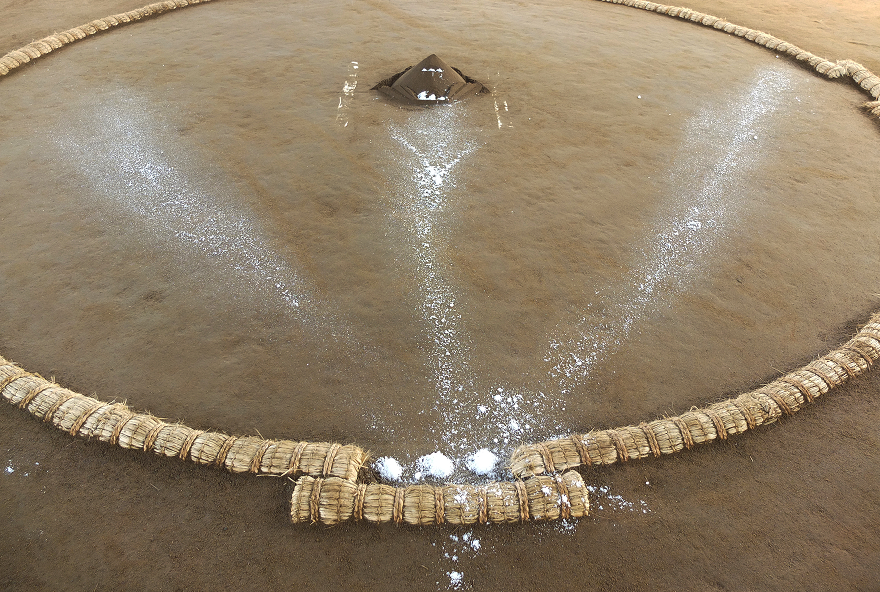
The rules of sumo are extremely straightforward. Inside a circular ring (dohyo) measuring 4.55 meters in diameter, two wrestlers wearing a belt called a mawashi face off.
How a Match Is Decided
A sumo wrestler (referred to as "rikishi" in Japanese) loses if:
- Any part of the body other than the soles of the feet touches the ground.
- The wrestler steps outside the ring.
Unlike boxing, there are no weight classes. A smaller rikishi weighing 100 kg can defeat a massive 200 kg opponent using speed and technique. This kind of dramatic upset, often called a “giant killing”, is one of the most thrilling aspects of sumo.
★ Quick Fact Check !
- History: A sacred ritual dating back over 1,500 years, originally performed to pray for abundant harvests
- Highest Rank: Yokozuna - a figure who must embody not only strength, but dignity and character, often compared to a deity.
- Tournaments: Held six times a year in odd-numbered months (January, May, and September tournaments take place at Tokyo’s Ryōgoku Kokugikan)
The Secret Behind Their Strength: The Grueling “Morning Training”
The reason rikishi are so powerful in the ring lies in the harsh daily training known as asa-geiko (morning practice), held every single morning.
1. The Sounds of Collision Impact and Intensity
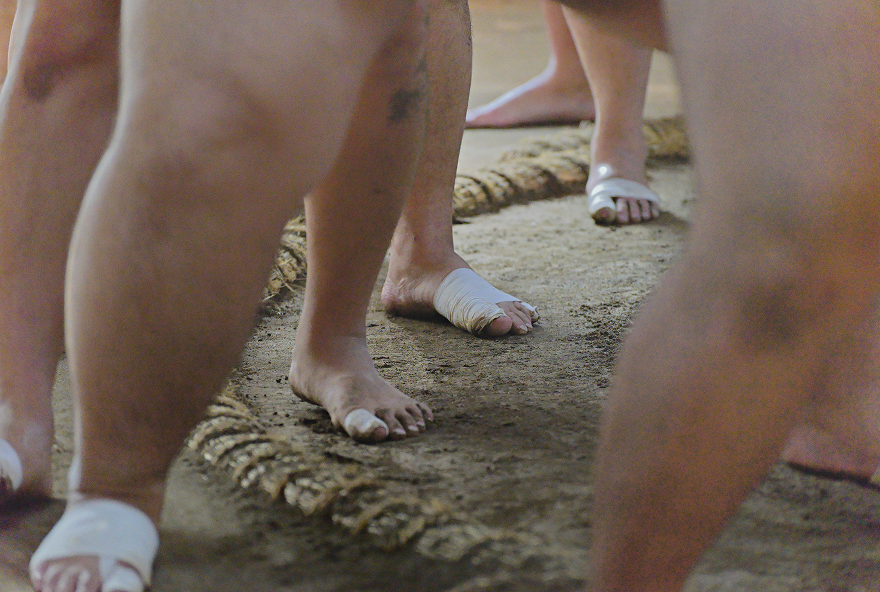
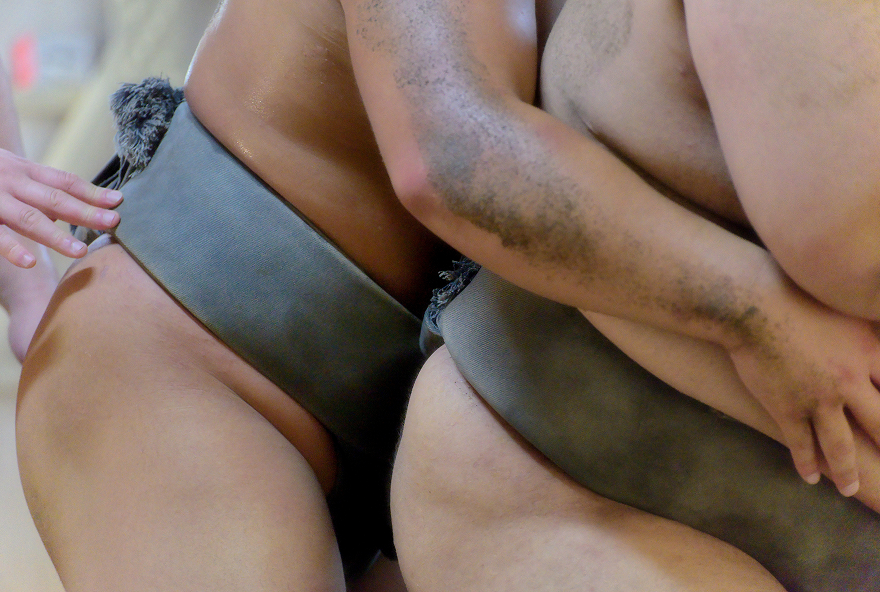
Morning training begins early, around 6–7 a.m. There is no background music playing like you might hear at your local gym - only the sound of heavy breathing and the sharp “BACHIN!” as bodies crash violently into one another. Rikishi charge at their opponents again and again, pushing their bodies to the absolute limit. Even on freezing winter mornings, steam can be seen rising from their backs as sweat evaporates. The sight is nothing short of superhuman.
2. The Importance of "Shiko"
The movement in which a rikishi raises one leg high and stomps it powerfully onto the ground is called shiko. This is not merely a performance. It is a vital exercise for building extraordinary lower-body strength. At the same time, it carries a symbolic meaning: driving away evil spirits from the earth.
A Tourist Highlight: Can You Watch The Trainings?
At some sumo stables (called “sumo-beya”), it is possible to observe morning practice through large street-facing windows. Watching training from such close range is incredibly powerful, and likely to become a once-in-a-lifetime memory. Each sumo-beya handles practice-viewing inquiries individually. Try contacting the sumo-beya directly or searching online in advance for details.
What Makes Sumo Amazing: Three Fascinating Mysteries
1. Why Do Rikishi Throw Salt?
Have you ever seen rikishi dramatically scatter salt before a match? This is known as “purifying salt.” The ritual is meant to cleanse the dohyo, a sacred space, of evil spirits, as well as to pray for protection from injury.
2. The Rikishi Hairstyle: "Chonmage"
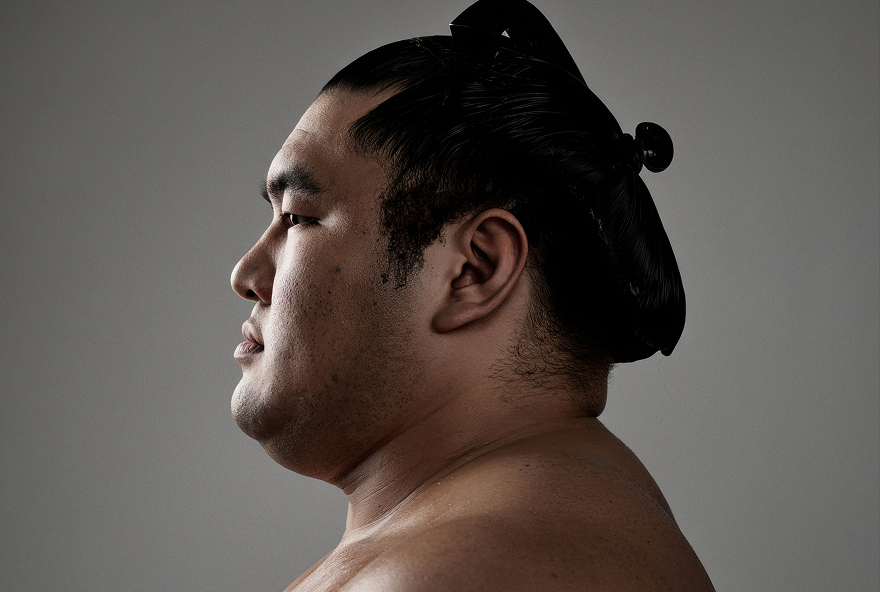
Rikishi are the only people in modern Japan who regularly wear the traditional samurai hairstyle known as chonmage. Beyond tradition, the hairstyle also serves a practical purpose; it acts as a cushion to help protect the head. When a rikishi retires, the ceremonial cutting of the topknot, called the danpatsu-shiki, is an emotional event that few fans can watch without tears.
3. A Rikishi’s Diet: "Chankonabe"
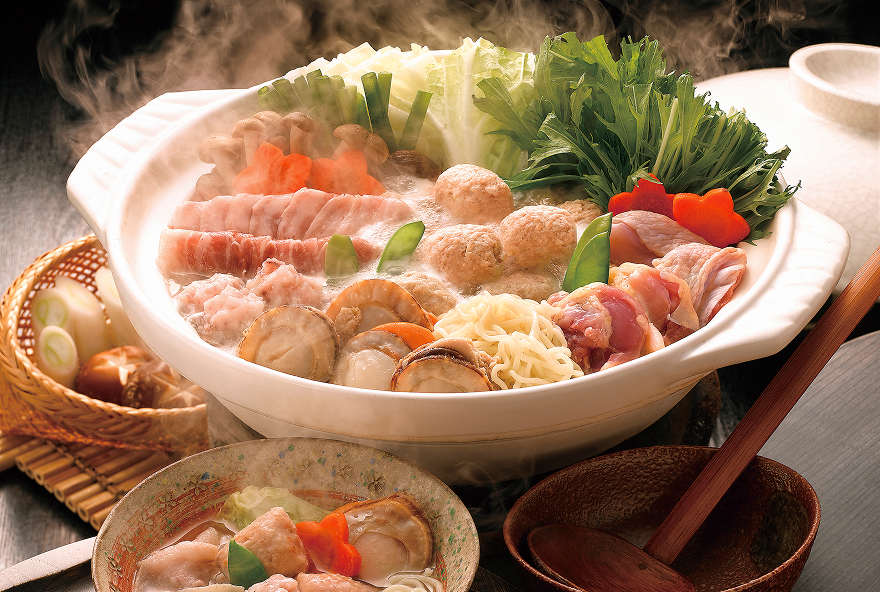
The secret behind their powerful bodies lies not only in their training, but also in their food. All meals eaten by rikishi are collectively called chanko, with chanko nabe (hot pot) being the most famous. Packed with meat, fish, and large amounts of vegetables, this dish is both nutritious and surprisingly healthy. In fact, near many sumo-beta, you’ll find excellent chanko nabe restaurants run by retired rikishi - well worth a visit.
A Guide to Watching Sumo for the First Time
How Can You Get Tickets?
Tickets for official tournaments can be purchased through the official website, but because sumo is so popular, they often sell out quickly. A good alternative is to line up early in the morning to buy same-day tickets (unreserved seating), or simply enjoy watching from home on TV. NHK also offers bilingual broadcasts with English audio commentary, making it easy for international viewers to follow along.
The Classic Sumo Snack: "Yakitori"
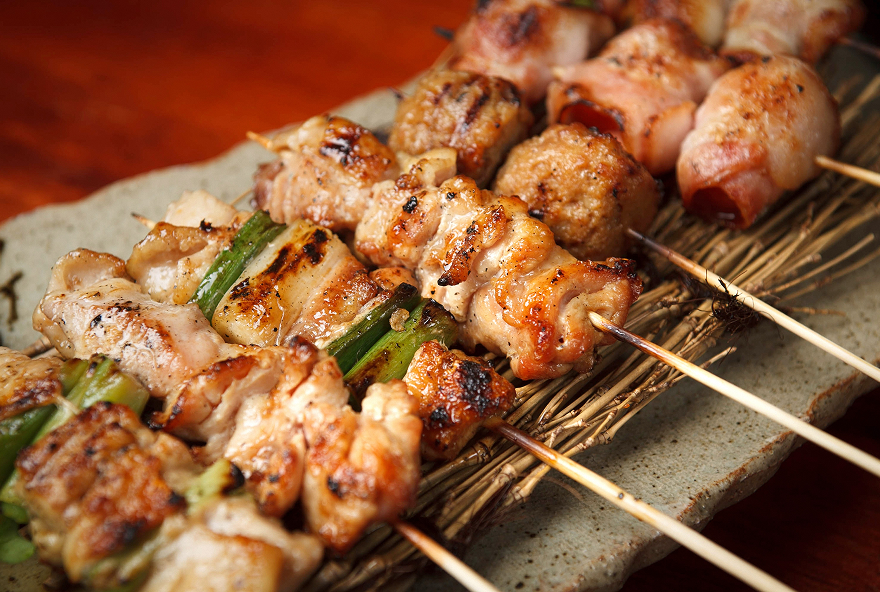
When it comes to sumo food, nothing is more iconic than yakitori (grilled chicken skewers). Chicken is considered lucky because it stands on two legs and never touches the ground with its hands, symbolizing “not losing” in sumo. For this reason, it has long been a popular snack at matches.
Tips and Etiquette
- Cheer out loud: Call out the name of your favorite rikishi and applaud good matches.
- Don’t throw seat cushions: In the past, spectators threw their cushions when a yokozuna lost, but this is now prohibited for safety reasons.
In Conclusion
Sumo is not just a sport - it holds may reflections of Japanese traditional culture itself. Watching rikishi stake their entire lives on bouts that last only seconds is deeply moving and unforgettable. If you’re in Tokyo in January, May, or September, be sure to visit Ryōgoku Kokugikan. The sounds and intensity that television can’t necessarily fully convey, will leave you in awe.