Kabuki: Entertainment that Embraces the Soul of Japan

Just as Japan’s summer in Kyoto is marked by the long-standing tradition of the Gion Festival, Japanese theater also has a long proud history in the form of Kabuki, which is registered as a UNESCO Intangible Cultural Heritage.Kabuki is not just a play - it is a comprehensive art form that unites music, dance, and vividly colorful stage design. It is reminiscent of, and in many ways is, a “Japanese version” of opera.
The History of Kabuki: Starting Off With A “Rock N’ Roll” Spirit?
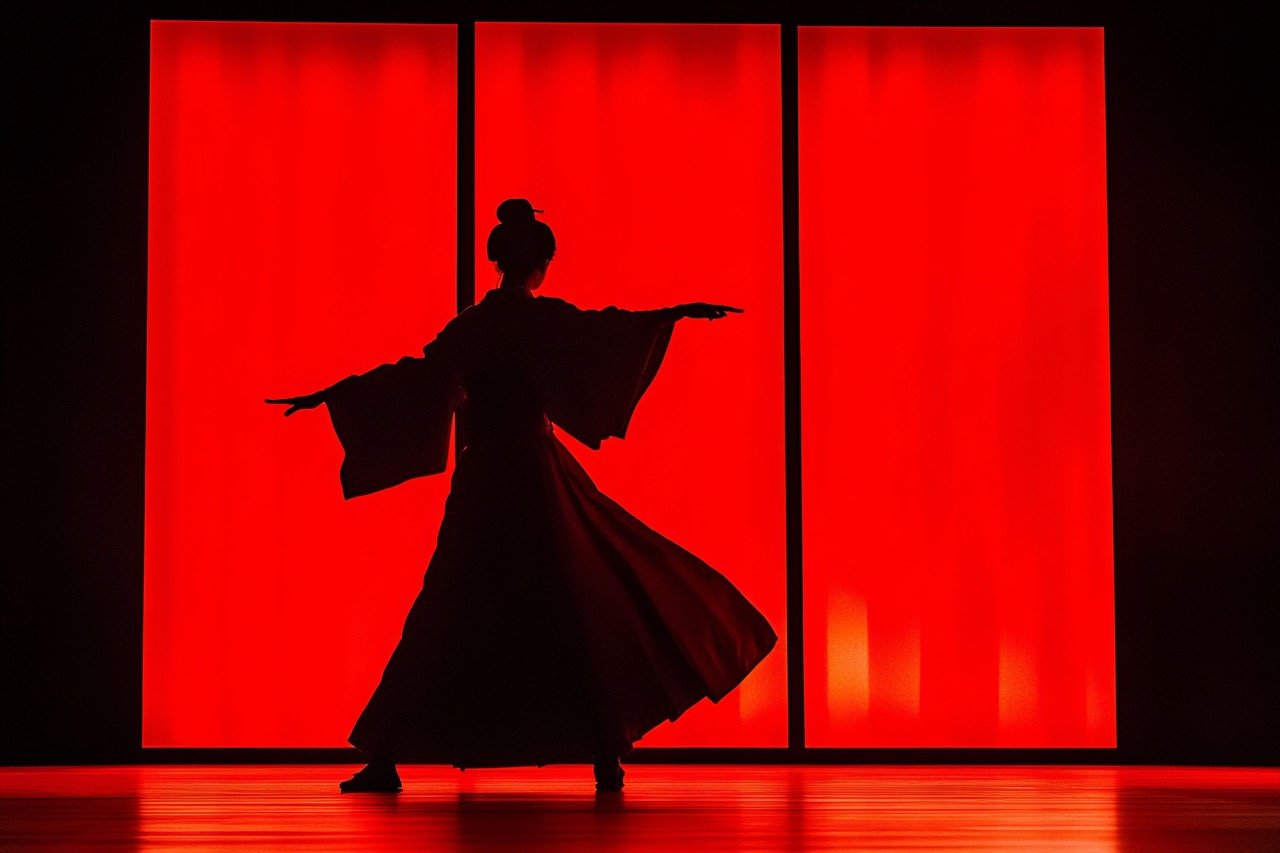
The history of Kabuki goes back about 400 years (to around 1603). It was a woman named Okuni of Izumo who started it all. She performed a new style of dance along the riverside in Kyoto, which is considered the origin of Kabuki.
What Does “Kabuki” Mean?
The name “Kabuki” comes from the word “kabuku”, which means “to dress flamboyantly, to be unconventional, or to act outside the norms of society.” In other words, Kabuki was born from a spirit that was “rock” and “punk” - ahead of its time and intentionally rebellious.
Later, in order to maintain public properities, women were prohibited from performing, and Kabuki evolved into the male-only performance style that continues today.
★ Key Points !
- Origin: Early 17th century, started by a woman in Kyoto
- Name meaning: Spirit of “kabuku” (unconventional, breaking norms)
- Evolution: From female performers to male-only theater
The Wonders of Kabuki: Three Captivating Highlights
① The Beauty of the Onnagata
One of the most captivating aspects of Kabuki is the onnagata - male actors embodying female roles. Every detail is meticulously calculated: the movement of the fingertips, the way they walk, even how they project their voice. Their goal is to appear more graceful and more “feminine” than real women themselves. This is meant to be an ultimate form of performance, born from the pursuit of an idealized beauty.
② The Aesthetics of the “Kata”: Kabuki’s Signature Poses
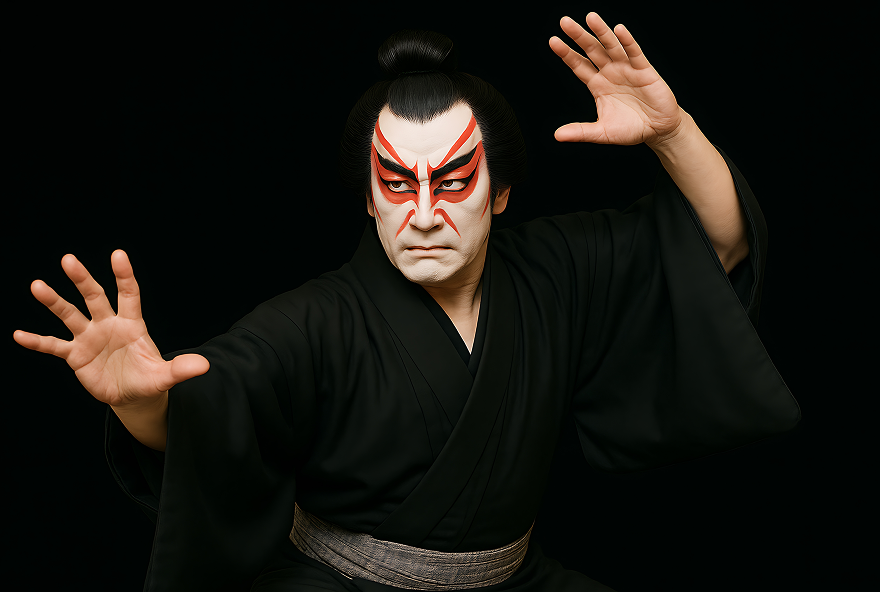
Kabuki is built on a system of traditional forms, called kata, that has been passed down for centuries. There is a meticulously crafted kata for every emotion - crying, laughing, anger, and more.
One of the most striking examples is the mie, a dramatic pose struck at the climax of the story when the actor suddenly freezes in place. It’s a breathtaking moment in which the performer releases a surge of energy directly toward the audience.
③ Live Music That Brings the Stage to Life
Throughout the performance, music is played continuously from the edge of the stage or behind the scenes.
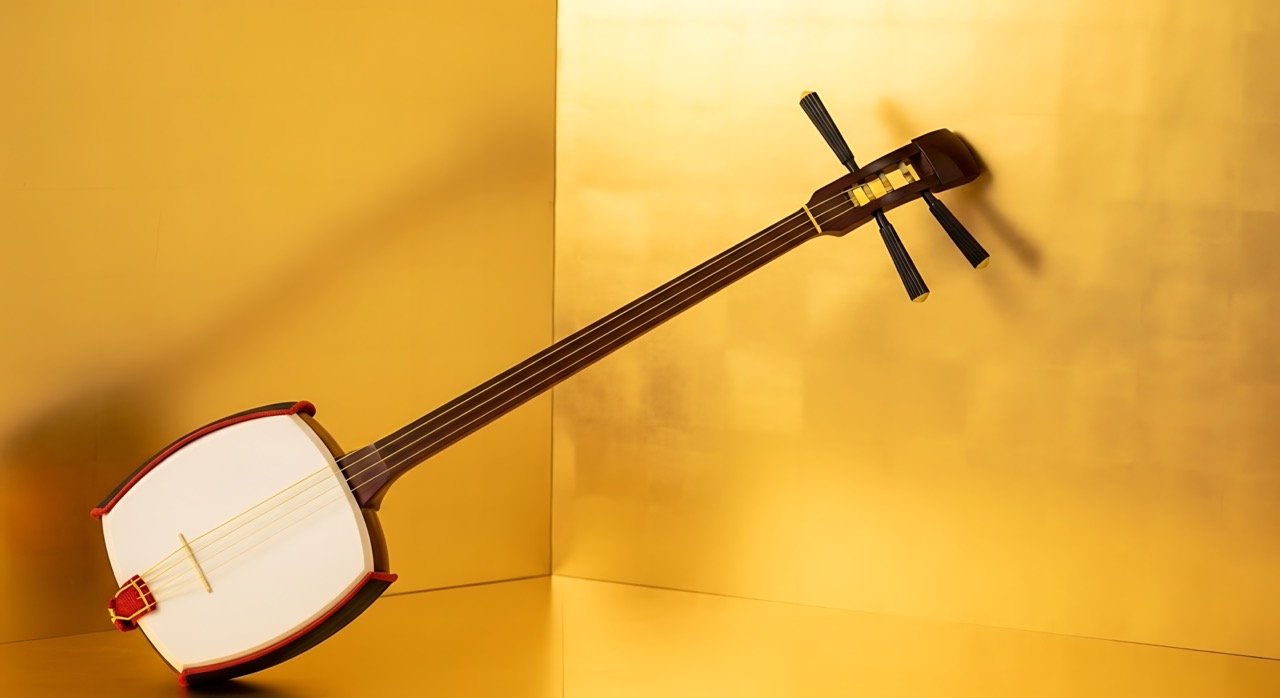
- Shamisen:
The shamisen expresses the mood of each scene and the feelings of the characters through its sound.
- Tsuke (sound effects):
When an actor runs or strikes a dramatic pose, wooden clappers are slammed together to create sharp, powerful sound effects like “bata-bata!” or “ba!”. These sounds dramatically amplify the impact and intensity of the actors’ movements.
Kabuki Actors and the World of “~maime” (Role Types)
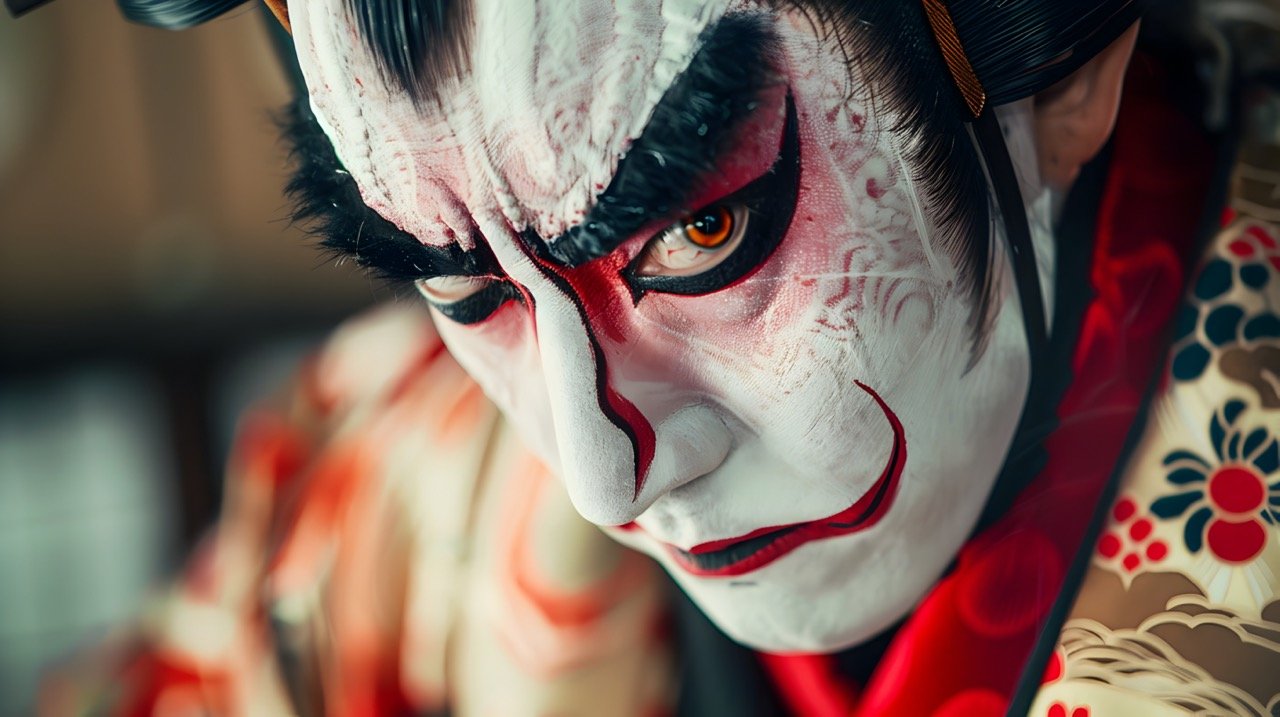
In Japanese, expressions like “ichimaime,” “nimaime,” and “sanmaime” are still used today to describe a person’s looks or personality. These terms actually originate from Kabuki’s system of classifying actors.
In Kabuki, performers were categorized as “~maime” depending on the type of role they played:
- Ichimaime (First Role Type):
Actors who played witty, humorous, or playful characters
- Nimaime (Second Role Type):
Actors who played handsome, refined young men
- Sanmaime (Third Role Type):
Actors who played foolish or comical characters meant to make the audience laugh
Over time, these categories spread beyond the theater world. Today, the terms ichimaime, nimaime, and sanmaime have become everyday ways to describe someone’s character or appearance. For example, calling a man “nimaime” to mean “handsome” comes directly from this Kabuki tradition.
A Beginner’s Guide to Experiencing Kabuki
Head to the Theater
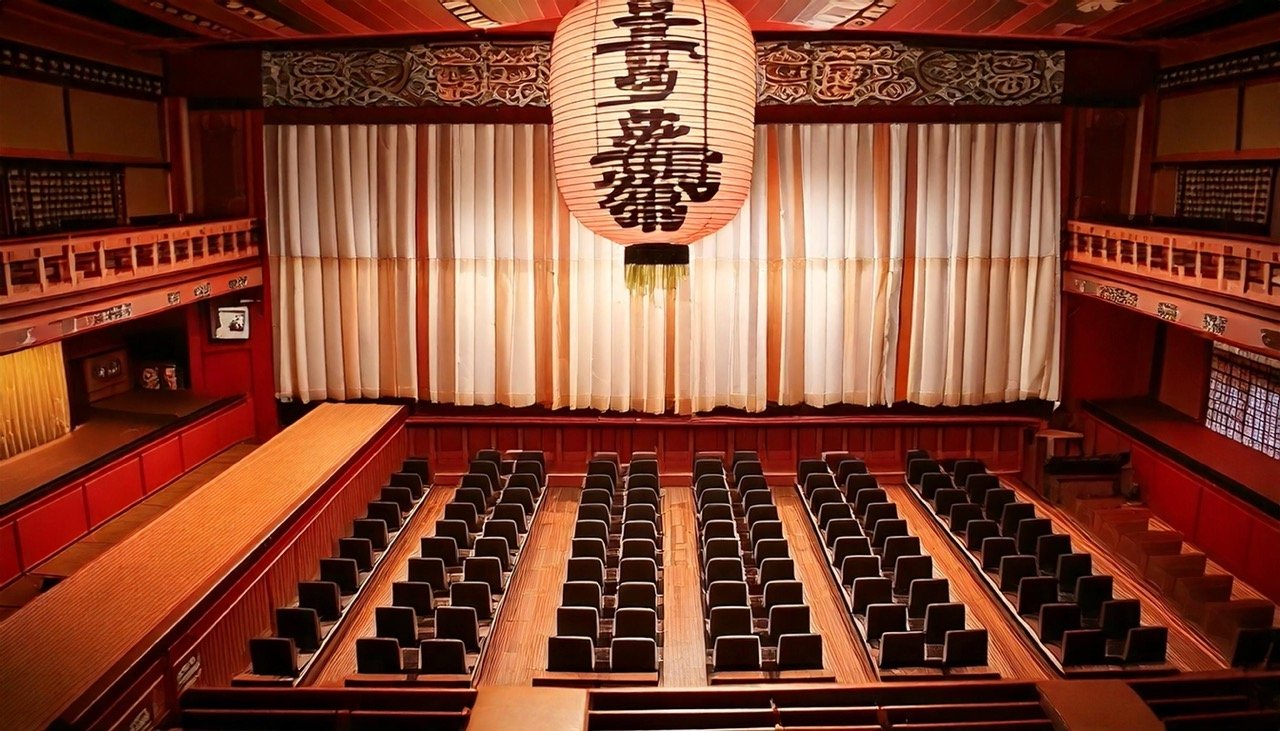
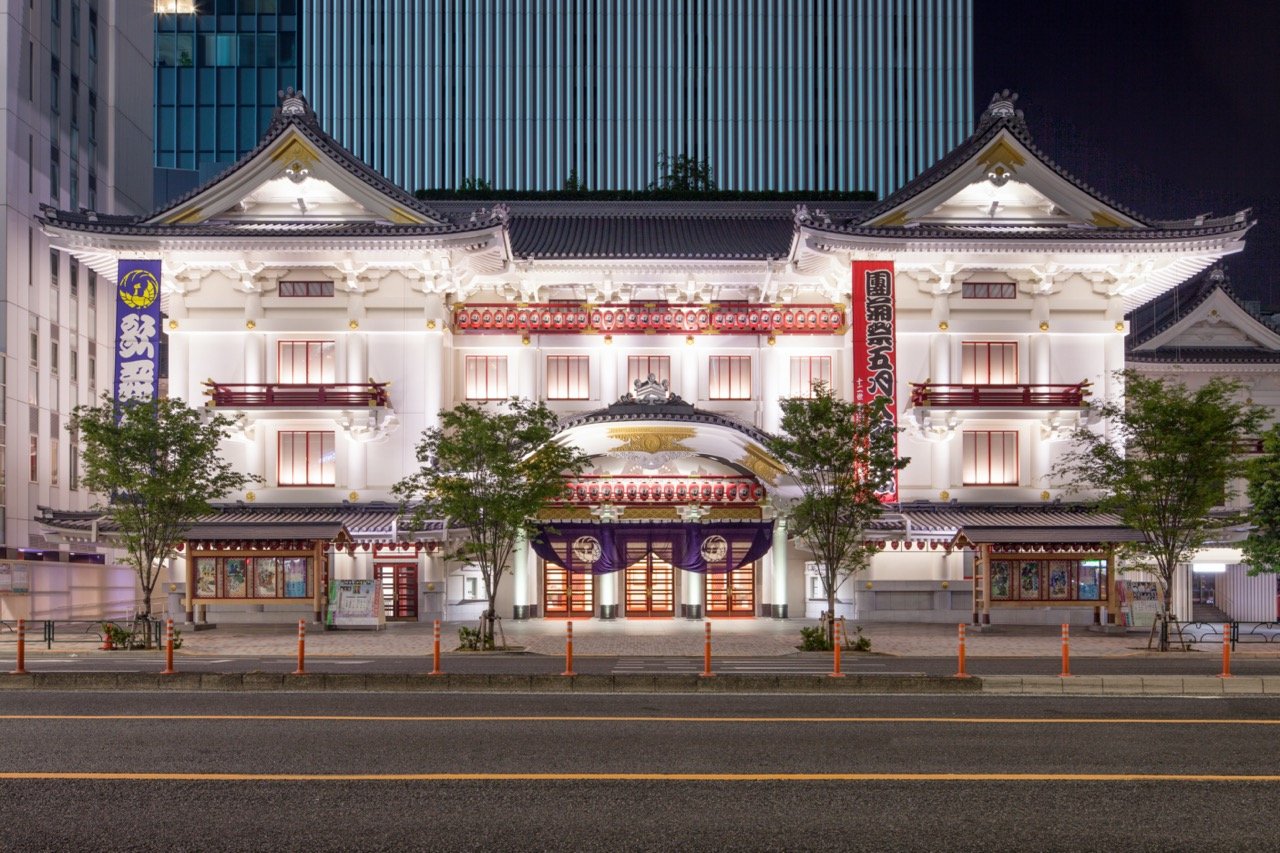
Tokyo’s Kabukiza is worth visiting for the building alone - it’s a stunning example of traditional Japanese architecture. Once you step inside, you’re transported into an entirely different world.
Tips for Enjoying the Show
- Get the “Earphone Guides”:
Renting the English audio guide removes any language barriers and makes the performance much easier to follow.
- Try the “One-Act Seats” (Hitomakumise):
Even if you don’t have time to watch the entire program, some theaters offer a system where you can view just one act of your choice at a lower price and within a short time.
- Enjoy the bento culture:
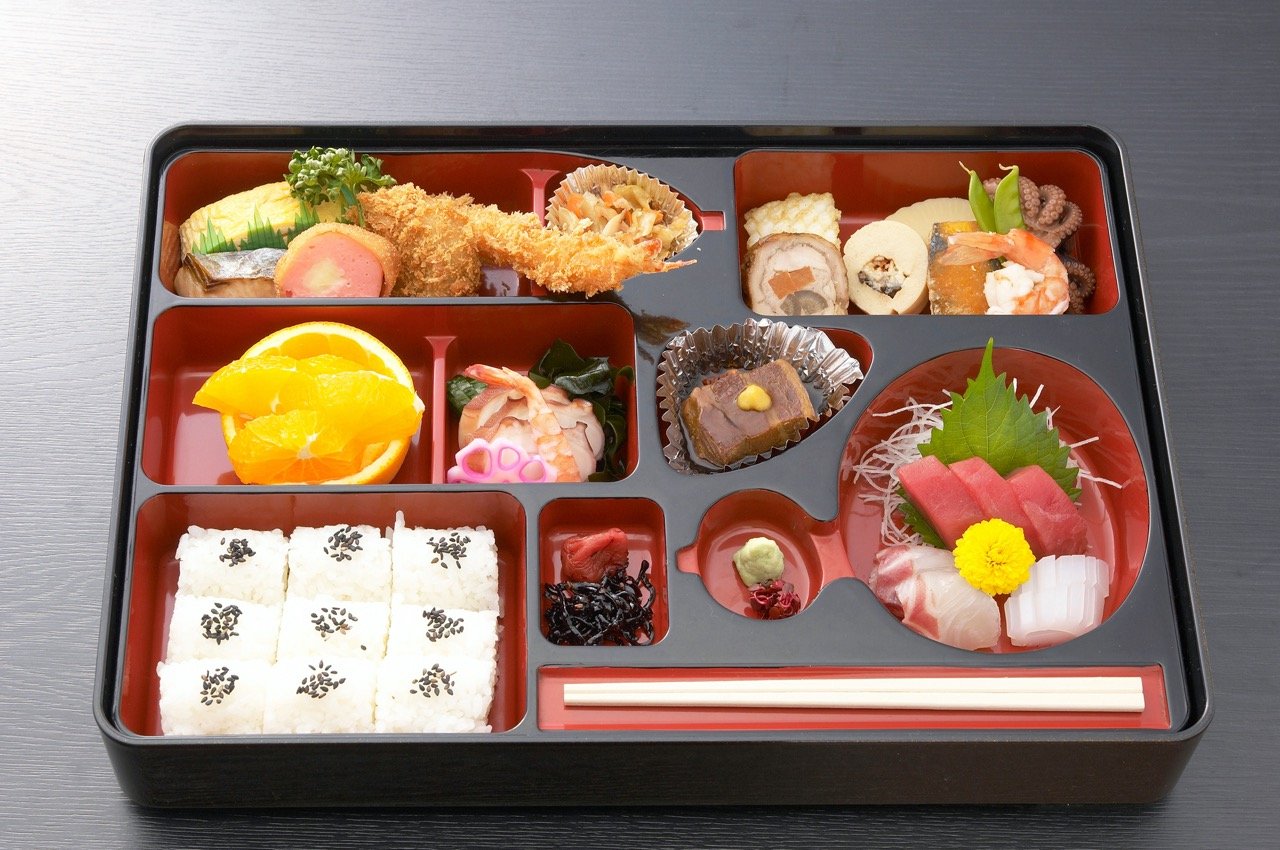
One of Kabuki’s unique pleasures is eating a makunouchi bento (directly translates to : “within-curtain” lunch boxes) at your seat during the intermission - a tradition loved by many theatergoers.
Advice & Etiquette
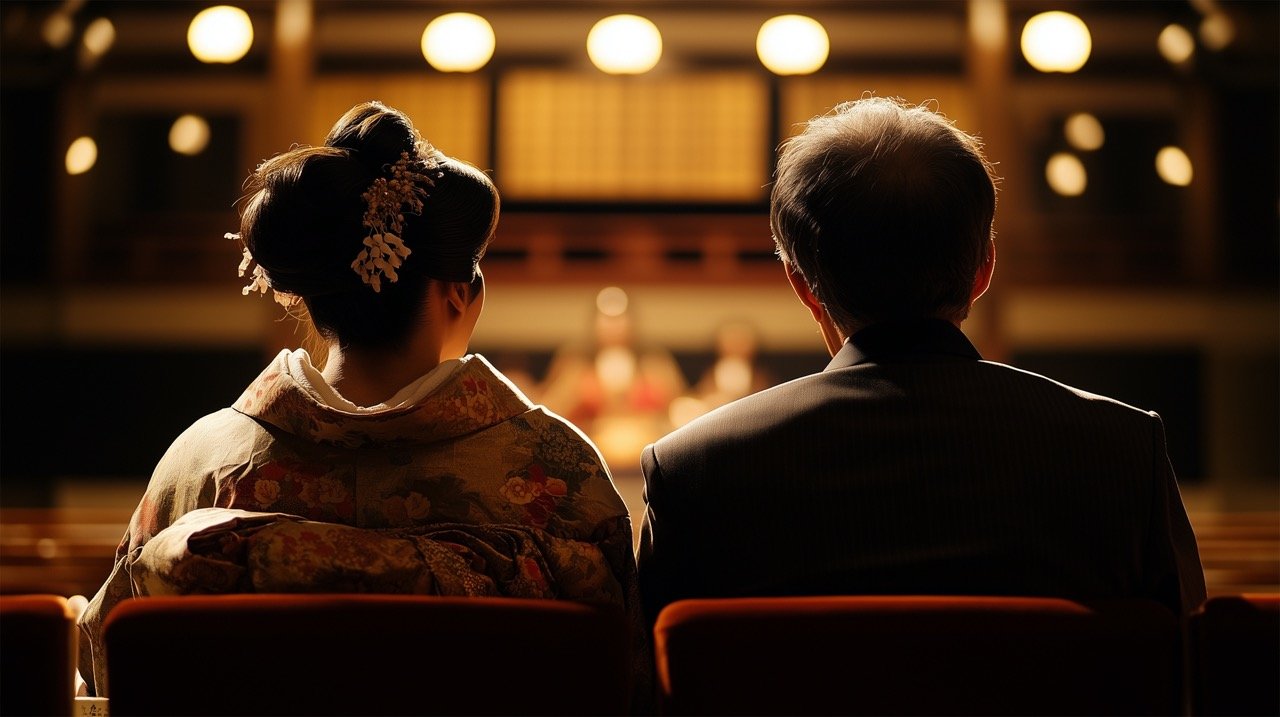
- Stay quiet but passionate :
Talking and photography are forbidden during the performance, but don’t hesitate to give a big round of applause when you’re moved.
- Dress code :
There’s no strict dress code. T-shirts and jeans are perfectly fine, but dressing up a little can make the experience feel even more special.
In Summary
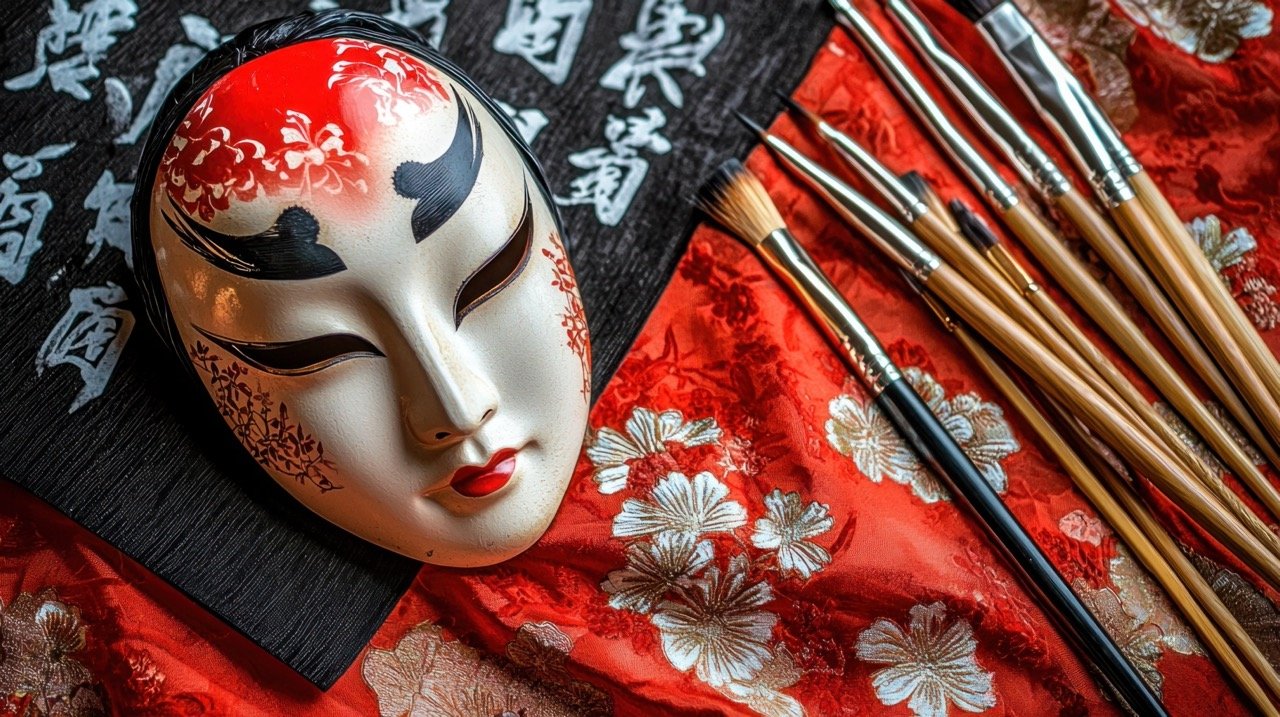
Kabuki may be old, but it’s an art form full of constant new discoveries. It’s a dazzling world of Japanese beauty that carries the “kabuku” spirit passed down for 400 years. Be sure to experience it at least once with your own eyes - it’s something that may stay with you for the rest of your life.