Men Just Have to Wait: Japan’s Unique Valentine’s Day and the Culture of ‘Giri Choco’

Valentine’s Day, celebrated around the world on February 14, is a day to celebrate love. However, if you are living and working in Japan, you might feel a little confused by how differently it is observed compared to your home country.
You might wonder: "Why don’t men give bouquets of flowers?" or "Why do people hand out chocolates at work?"
In this article, we’ll introduce Japan’s unique Valentine’s Day culture, which is rare even by global standards, along with the important customs surrounding return gifts that you should know about.
1. In Japan, women take the leading role on Valentine’s Day
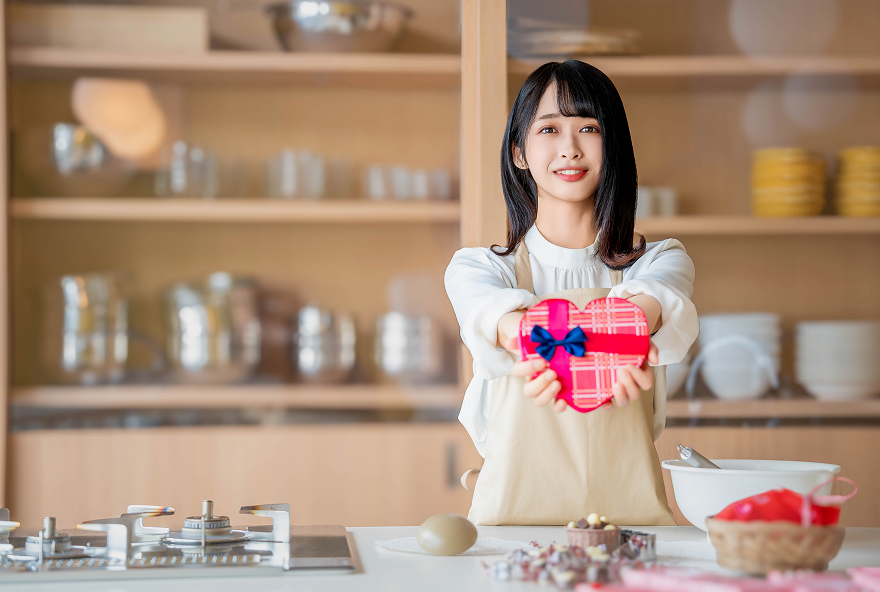
In Western countries, it is common for men to give gifts or cards to women, or for couples to exchange presents with each other. In Japan, however, the day traditionally became known as a time when women give chocolates to men to confess their feelings. This custom is said to have spread from the 1950s onward, largely due to marketing campaigns by confectionery companies.
2. The Many Types of Chocolate in Japan
What makes Valentine’s Day in Japan unique is that chocolates carry different social meanings, and the name and purpose change depending on the relationship between the giver and the recipient.
Honmei Choco (本命チョコ)
This is chocolate given to a romantic partner or someone you truly have feelings for. People often choose handmade chocolates or high-end chocolates from famous brands to show sincerity and special affection.

Giri Choco (義理チョコ)
This may be the most confusing custom for people from outside Japan.
“Giri” means obligation. These chocolates are given without romantic feelings, usually to male bosses, coworkers, or business associates as a gesture of appreciation or to maintain smooth workplace relationships.
In the past, giving giri choco was almost a required office event in Japan. However, in recent years, more companies have started discouraging or banning the practice due to concerns such as harassment issues or the financial burden placed on employees.

Tomo Choco (友チョコ)
These are chocolates exchanged between friends, especially among girls and young people. For many students and younger generations, this has become the main Valentine’s activity.

Jibun Choco (自分チョコ)
This refers to chocolate bought as a treat for oneself. In fact, it is often said that this category now sells the most at department store Valentine’s events, as people choose luxurious chocolates as a personal reward.

3. “White Day” ; An Important Related Custom to Know
If you are a man and receive chocolate on February 14, there is something important you should keep in mind. In Japan, Valentine’s Day is paired with another event called White Day.

March 14 - The Day to Return the Favor
Exactly one month after Valentine’s Day, men are expected to give return gifts to those who gave them chocolates. Failing to do so could potentially strain personal or workplace relationships.
What Should You Give in Return?
Common White Day gifts include cookies, marshmallows, candies, or handkerchiefs. Each item is sometimes said to carry its own meaning, so some people choose gifts carefully based on the message they want to convey.
In the past, there was an informal rule known as “sanbai gaeshi” (triple return), suggesting that the return gift should be worth three times the value of what was received. Today, however, giving something of similar value is generally considered perfectly acceptable as long as your appreciation is clearly expressed.
4. Where Should You Buy Valentine’s Chocolate?
Department Stores and Special Event Venues
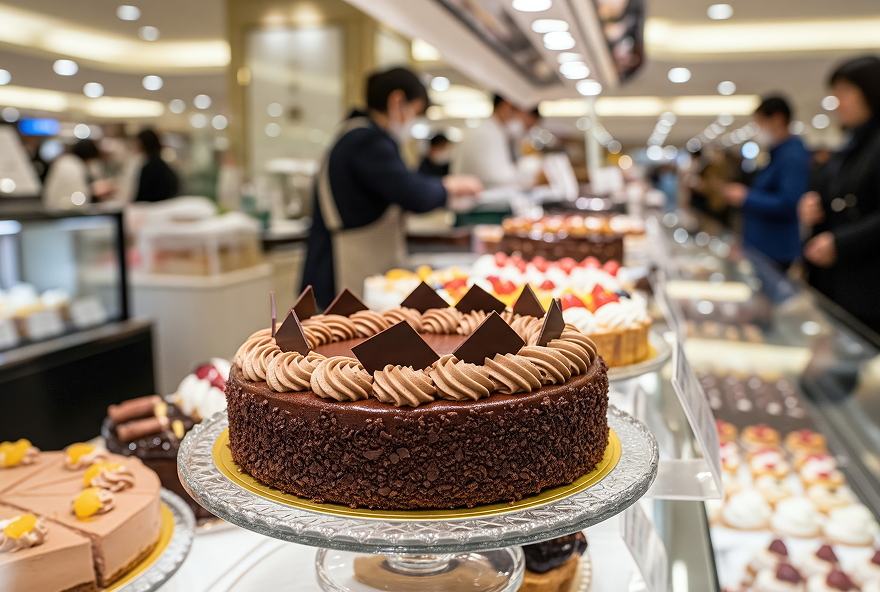
Starting in late January, major department stores across Japan, such as Isetan and Takashimaya, begin hosting large Valentine’s Day events. Famous chocolatiers from around the world gather in Japan during this period, turning these venues into something like a festival of chocolate.
Although the venues can become very crowded, visitors can often enjoy tasting samples and viewing beautifully crafted, artistic chocolates, making it an enjoyable experience even just to browse.
In Conclusion
In Japan, Valentine’s Day has evolved into more than just a romantic occasion. It has become an event where people express appreciation, enjoy making or choosing delicious chocolates, and simply have fun. So if you receive giri choco at work, don’t be surprised - try to enjoy it as part of Japan’s unique communication culture. And for all the men out there, don’t forget to mark March 14 - White Day on your calendar!