The Magic of Spring! Everything About Japan’s Cherry Blossoms and Hanami Culture - History and Basics [Part 1]

Spring in Japan is, above all, synonymous with cherry blossoms. From late March through April, the entire country is painted in a delicate shade of pale pink, transforming everyday landscapes into something quietly extraordinary. For those from abroad living in Japan, this brief season often feels like the most beautiful and exhilarating time of the year - a moment when nature and culture seem to meet in perfect harmony. Even outside Japan, the association of “Japan = Sakura” has become widely recognized. For Japanese people, the affection for cherry blossoms runs far deeper than the appreciation of its physical beauty. Sakura carry layers of meaning- ephemerality, renewal, and the gentle awareness that life’s most precious moments are fleeting. To understand cherry blossoms is, in some sense, to understand a part of the Japanese mentality towards life. In this two-part series (you can read Part 2 here), we explore the tradition of hanami, or flower viewing, beginning with its origins.
1. The Origins of Hanami: When Plum Blossoms Took Center Stage
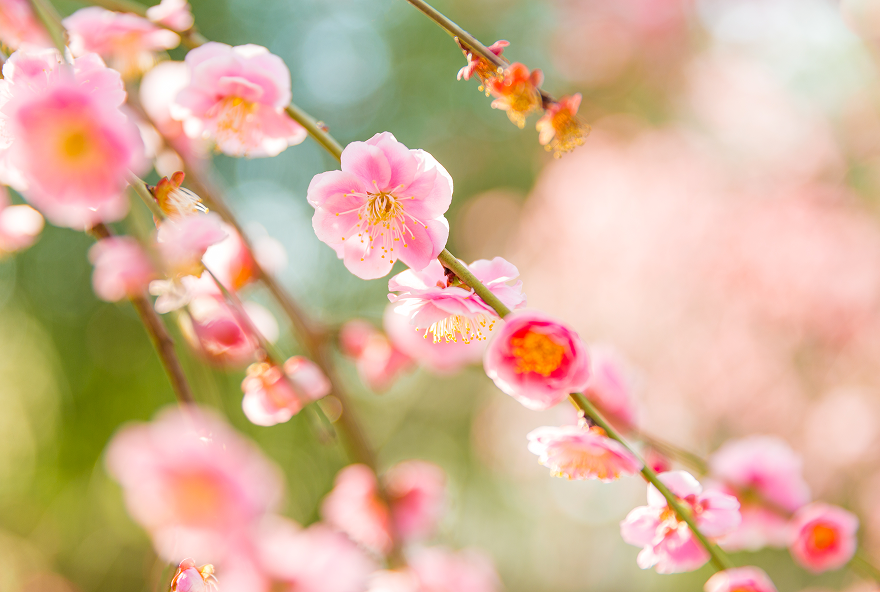
The custom of hanami dates back more than 1,300 years, to the Nara period in the 8th century. Interestingly, the flower most admired at the time was not the cherry blossom, but the plum blossom, which had been introduced from China. Plum blossoms, with their subtle fragrance and early bloom, were cherished by the aristocracy and often celebrated in poetry and gatherings. It was not until the Heian period, from the 9th century onward, that cherry blossoms began to eclipse plums in popularity. As court culture flourished, so did an appreciation for native Japanese aesthetics. Aristocrats would gather beneath blooming sakura trees, composing poetry, drinking sake, and hosting refined, elegant celebrations. These scenes, graceful and contemplative, form the earliest roots of what we now call "hanami". The more familiar image of hanami today - friends and families spreading out picnic sheets, sharing food and laughter under the blossoms - emerged much later, during the Edo period in the 17th century. As the practice spread from the elite to the general population, it evolved into a lively, communal tradition, blending festivity with a quiet reverence for the passing beauty of the season. In this way, hanami has grown from an aristocratic pastime into a beloved cultural ritual, one that continues to bring people together each spring beneath the fleeting bloom of the sakura.
2. There's More Than One Type of Cherry Blossom!
While Japan is home to hundreds of varieties of cherry blossoms, the ones you commonly see in cities and parks tend to fall into a few representative types. Each differs in shape and blooming period, so taking a moment to notice these differences can make hanami even more enjoyable.
-
Somei Yoshino
Accounting for around 80% of cherry trees in Japan, this is the most famous variety. Its defining feature is that the pale pink flowers bloom all at once before the leaves appear, giving the entire tree a soft pink, cloud-like appearance.
-
Shidarezakura (Weeping Cherry Blossom)
With branches that gracefully droop downward like a willow, this variety is often found in historic temples and shrines. It carries a refined, traditional elegance that feels almost poetic.
-
Yaezakura (Double Cherry Blossom)
Blooming slightly later - around mid-April, after the Somei Yoshino have fallen - this variety features layered petals that create a soft, rounded, almost fluffy shape. Its color is a richer, deeper pink.
3. The Nation Awaits: Japan’s “Sakura Zensen" (Cherry Blossom Front)
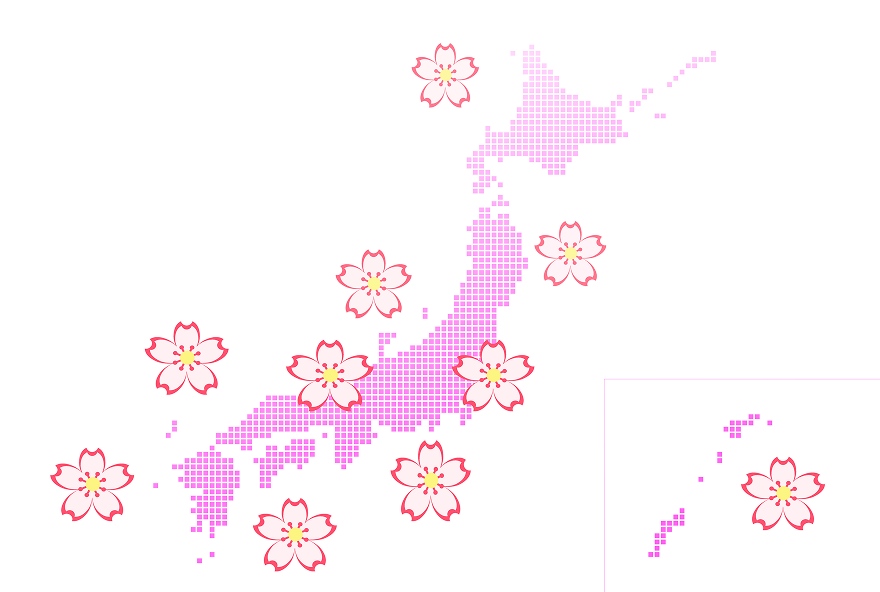
As February turns to March each year, a quiet anticipation begins to build across Japan. On daily weather reports, cherry blossom forecasts often take center stage, followed closely, almost ritualistically, by millions of viewers. Cherry blossoms do not bloom all at once across the country. Instead, they begin in the warmer southern regions - typically in Okinawa as early as late January - and gradually move northward, reaching Hokkaido around early May. This gentle, wave-like progression of blooming is known as the sakura zensen, or “cherry blossom front.” People eagerly track this movement:
"When will the blossoms open in Tokyo?"
"Will they reach full bloom by the weekend?"
Such questions become part of everyday conversation. Friends, families, and colleagues check forecasts closely, carefully timing their hanami gatherings to coincide with the brief window when the blossoms are at their peak. In this way, the sakura zensen is more than just a natural phenomenon - it is a shared national rhythm, quietly uniting people across Japan in a collective celebration of spring.
4. A Different Face by Day and Night - The Magic of Yozakura
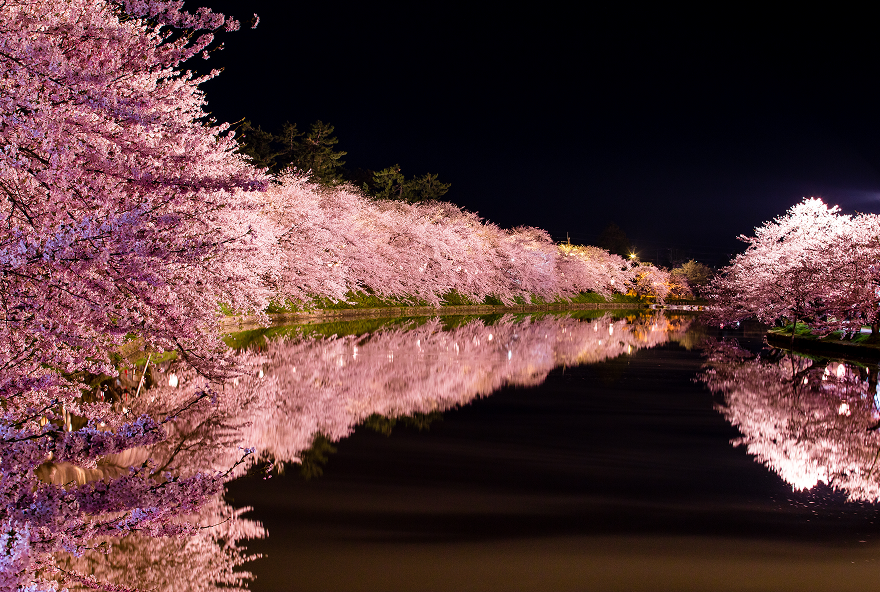
Hanami is not only something to be enjoyed during the day. As evening falls, many parks and riversides illuminate their sakura trees, revealing a completely different atmosphere. This nighttime experience is known as yozakura (Night Sakura). Under the soft glow of traditional paper lanterns, or chochin, the blossoms take on a dreamlike, almost mysterious beauty - far removed from their gentle, airy look in daylight. The contrast of light and shadow gives the scene a quiet depth, as if the trees themselves are softly glowing in the dark. For many Japanese office workers, stopping by a park after work to enjoy yozakura with colleagues - often with a drink in hand - is one of the season’s simple but cherished pleasures. It’s a chance to relax, connect, and appreciate the fleeting nature of spring together.
Just one practical note: spring nights can still be quite cold, so bringing a warm coat is essential if you plan to stay out for a while.
5. Why Do Japanese People Love Cherry Blossoms So Much?
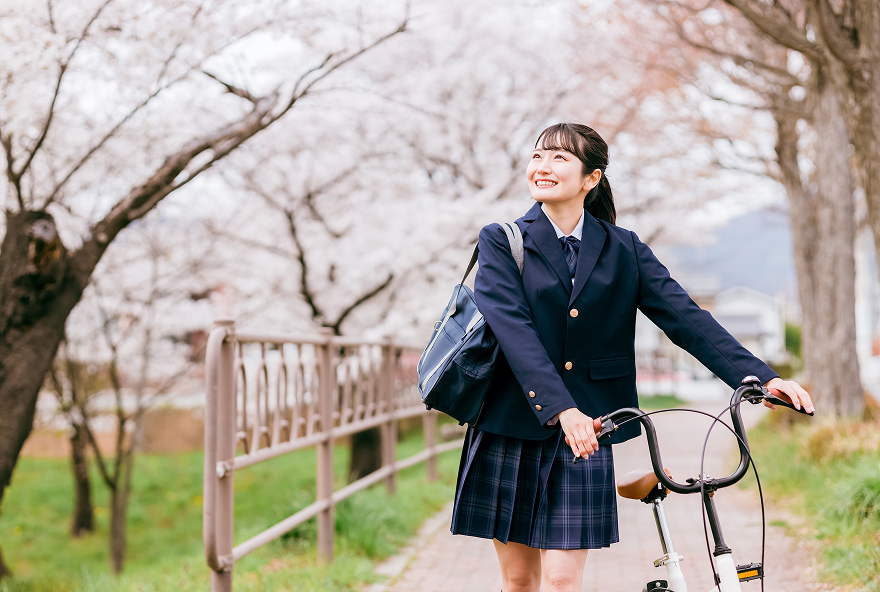
The deepest reason lies in how briefly they live. From the moment the blossoms begin to open, it takes only about a week to reach full bloom. And almost as quickly, they fall, scattered by spring rain or a passing gust of wind. Their beauty is inseparable from their fragility. In Japan, there is a long-held mentality that finds beauty not in what lasts forever, but in what fades. Cherry blossoms embody this idea perfectly; they are so moving precisely because they cannot be held onto. There is also a quiet emotional timing to their season. Late March to early April marks a turning point in Japanese life - the time of graduations, farewells, and new beginnings in schools and companies. As petals drift through the air, they seem to carry with them memories of partings and fresh starts, moments of both hope and gentle, bittersweet sadness. Perhaps this is why sakura are not only admired, but also "felt". They return each year, unchanging in appearance, yet never experienced in quite the same way twice - always reminding people of time passing, and of the beauty within that fleetingness.
6. Must-Visit Hanami Spots in Japan
There are countless famous cherry blossom spots across Japan, but for those experiencing their first spring here, these three locations, each with a distinct atmosphere, are especially worth visiting.
① [Shinjuku Gyoen] For a Calm, Relaxing Picnic
-
Features
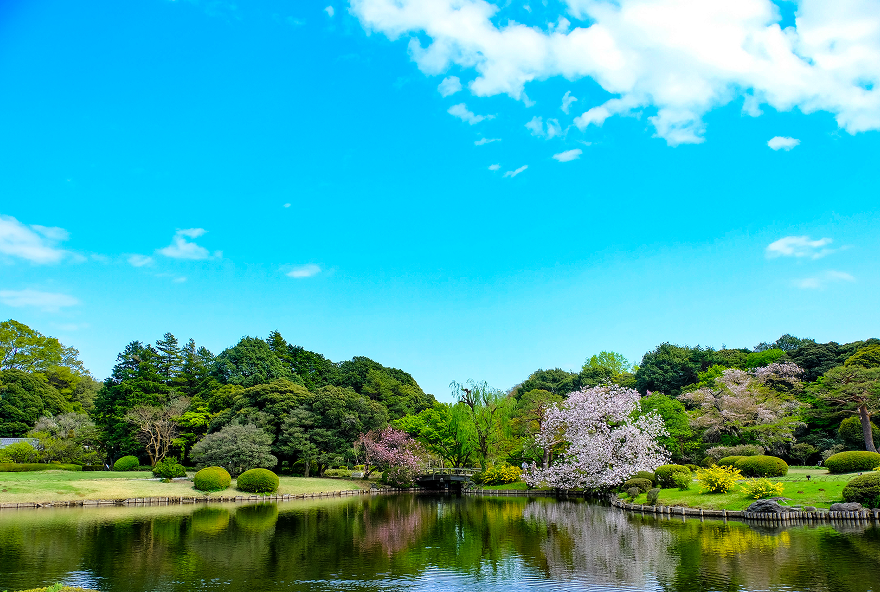
Located in the heart of Tokyo, this spacious park offers wide, beautifully maintained lawns. With around 60 varieties of cherry blossoms, you can enjoy an extended blooming season.
-
Why It’s Special
This park has a "No Alcohol" policy.
Therefore, it's perfect for those who want to enjoy a quiet and peaceful picnic, rather than the boisterous, traditional Japanese cherry blossom viewing, and is ideal for families.
② [Meguro River] A Romantic Walk Under the Night Blossoms
-
Features
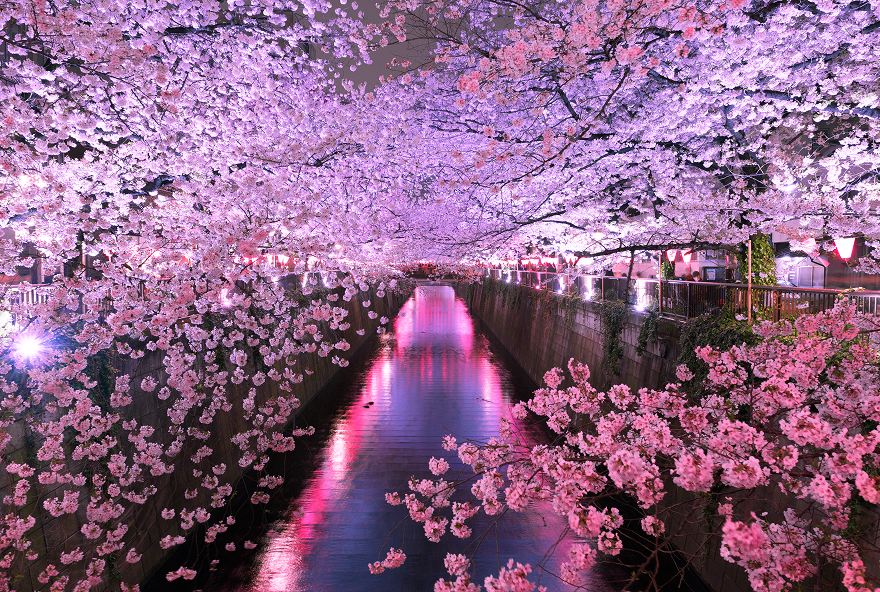
About 800 cherry trees line a 4-kilometer stretch along the river, forming a stunning tunnel of blossoms. This is a walking-style hanami spot rather than a picnic area.
-
Why It’s Special
At night, pink lanterns light up the trees, and their reflections shimmer on the water. It’s especially beautiful for evening strolls, dates, or photography.
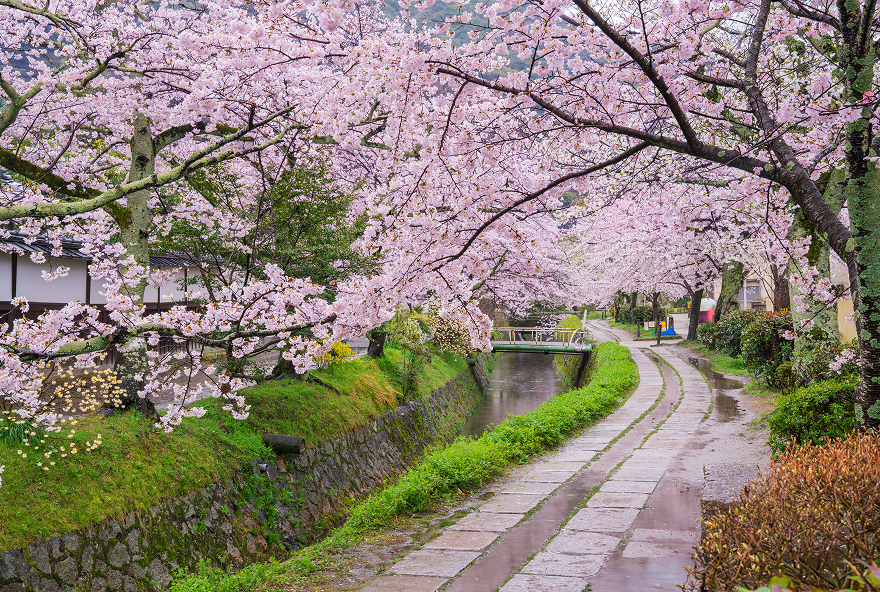
③ [Philosopher’s Path] A Taste of Traditional Japan
-
Features
A 2-kilometer path along a narrow canal near Ginkaku-ji in Kyoto, surrounded by traditional houses and temples.
-
Why It's Special
It offers a quiet, nostalgic atmosphere unique to Kyoto. You may also see hana-ikada, where fallen petals gather and float across the water’s surface like a soft pink carpet.
In Conclusion
When you understand the stories behind cherry blossoms and the places where they bloom, doesn’t the scenery begin to feel even more beautiful? In the next part, we’ll explore the essentials for hosting your own hanami picnic in the park, along with the important rules and etiquette you should follow in Japan. Stay tuned!