The Magic of Spring! Everything About Japan's Cherry Blossoms and Cherry Blossom Viewing Culture [Part 2]

In the first part of this series, we explored the historical background and cultural significance behind the Japanese appreciation of cherry blossoms. In this second installment, we present a practical guide to enjoying hanami in public parks, along with a curated selection of recommended scenic spots in both Tokyo and regional areas. When participating in hanami in Japan, it is important to be aware of certain unspoken rules observed in public parks. Failing to follow these customs may detract from the overall experience. With proper preparation, visitors can fully appreciate and enjoy the beauty of Japan’s spring season.
1. Preparing for Hanami: What Is “Place-Holding”?
At popular cherry blossom viewing spots such as Tokyo’s Ueno Park and Yoyogi Park, weekends during the sakura season can become अत्य crowded. To secure a suitable space, a practice known as “place-holding” (場所取り) is commonly carried out.
-
An Early Start Is Key
In order to claim a good spot, people often arrive at the park early in the morning, sometimes as early as 5:00 a.m., to lay down a blue tarp and wait for the rest of their group to arrive. This task is even considered a customary responsibility for new employees in some Japanese companies.

-
Etiquette and Rules
Leaving a tarp unattended is generally discouraged. If a space is reserved without anyone present, park staff may remove the sheet. As a matter of proper etiquette, at least one person should remain on-site at all times.
2. Remeber These Essentials: The “Three Key Items” for Hanami
Spring in Japan can be unpredictable. To ensure a comfortable and enjoyable hanami experience, it is essential to bring the following three items:
-
Blue Tarp
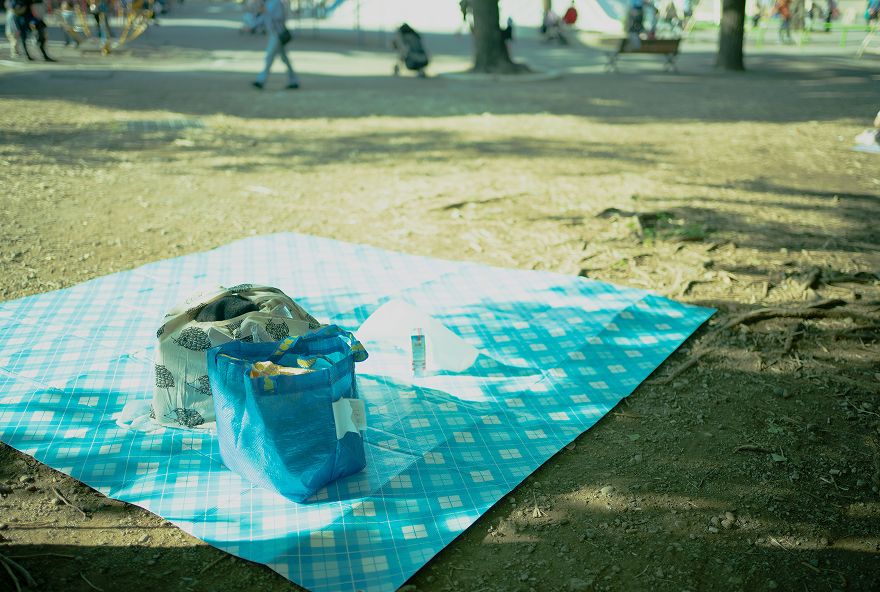
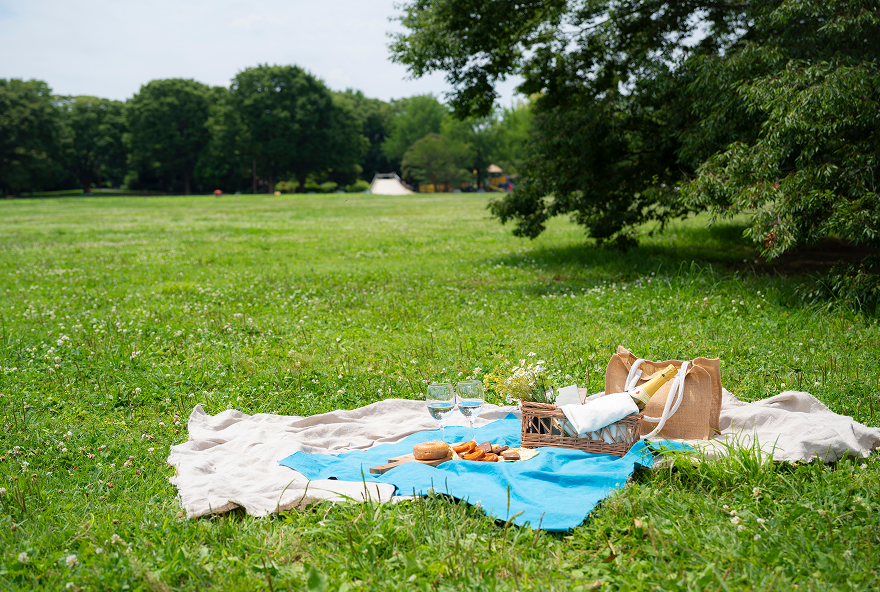
In Japan, it is uncommon to sit directly on the grass during a picnic. Instead, people typically lay down a durable, waterproof tarp - readily available at home improvement stores and 100-yen shops - and remove their shoes before stepping onto it. This is considered the standard Japanese style.
-
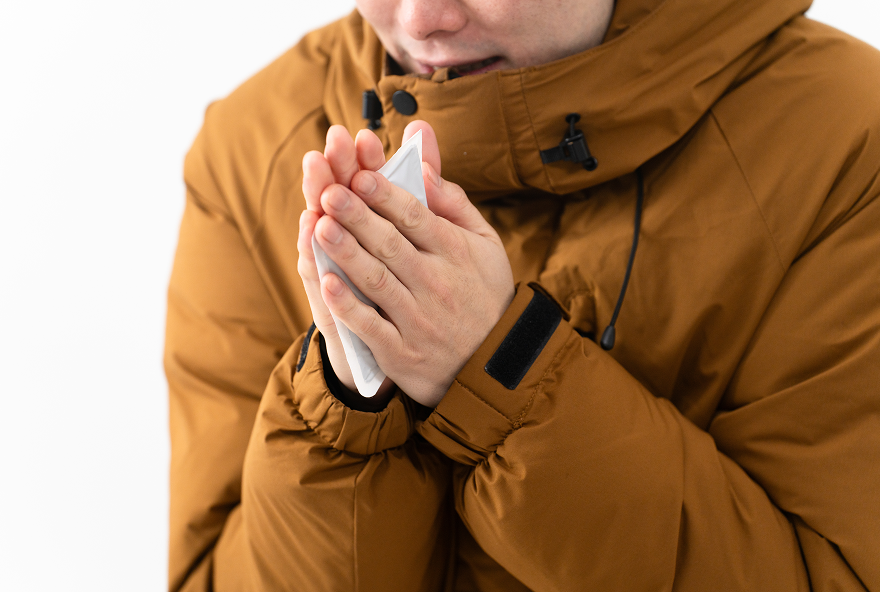
Warm Clothing
This is perhaps the most important item. While temperatures may feel pleasant during the day, they can drop sharply after sunset - a phenomenon known in Japanese as hanabie (花冷え), or “cherry blossom chill.” Without proper layers such as a down jacket or a blanket, it can become too cold to comfortably enjoy the gathering.
-
Garbage Bags
Public parks in Japan rarely provide trash bins. The principle of “taking your garbage home with you” is strictly observed. It is advisable to bring several large garbage bags to manage waste responsibly.

3. Essential Etiquette: Rules to Observe During Hanami
Cherry blossom trees are delicate and require careful treatment. To ensure that everyone can enjoy hanami comfortably and respectfully, the following etiquette should always be observed:
-
Do Not Touch or Break the Branches
Pulling on or shaking branches to capture visually appealing photos is strictly prohibited. Human body heat and oils from the hands can damage the tree and make it more susceptible to disease. It is best to admire the blossoms without direct contact.
-
Do Not Sit on the Tree Roots
The roots of cherry trees spread close to the surface of the ground. Placing sheets and sitting directly on these roots can prevent the tree from properly absorbing air and nutrients, ultimately weakening it. It is recommended to sit at a slight distance from the trunk.
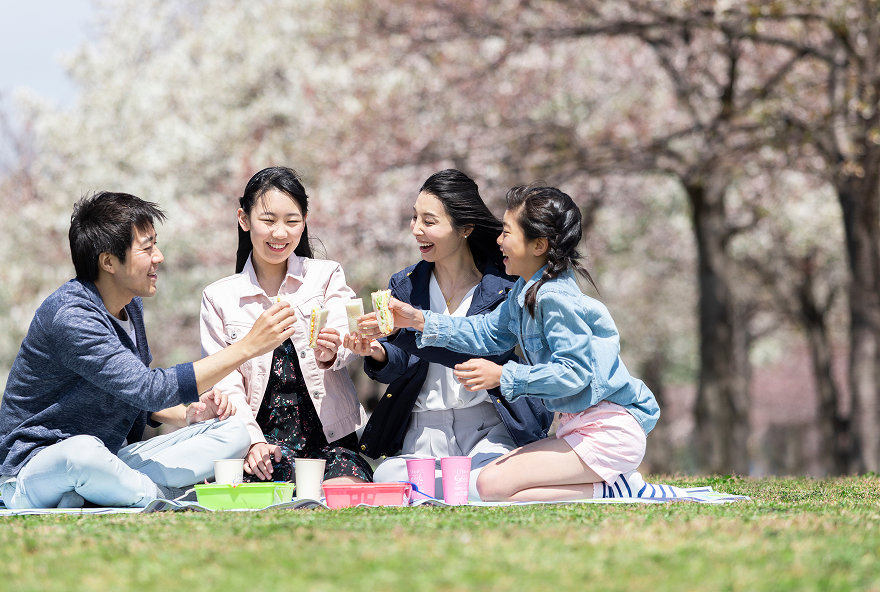
4. “Dumplings over Flowers”? Enjoy the Flavors of Spring
There is a well-known Japanese proverb, “hana yori dango,” which suggests that practical pleasures - such as enjoying delicious food - are often valued more than simply admiring flowers. While cherry blossoms remain the centerpiece of hanami, food is an equally important part of the experience.
-
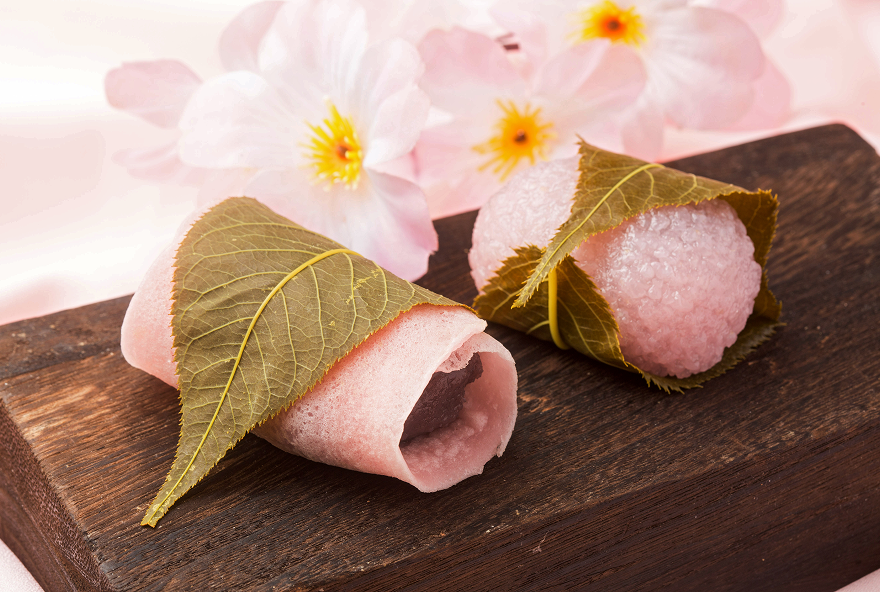
Sakura Mochi
A traditional Japanese confection consisting of pink-colored rice cake wrapped in a salted cherry blossom leaf. The balance of sweetness and subtle saltiness is distinctive, and the leaf itself is also edible.
-
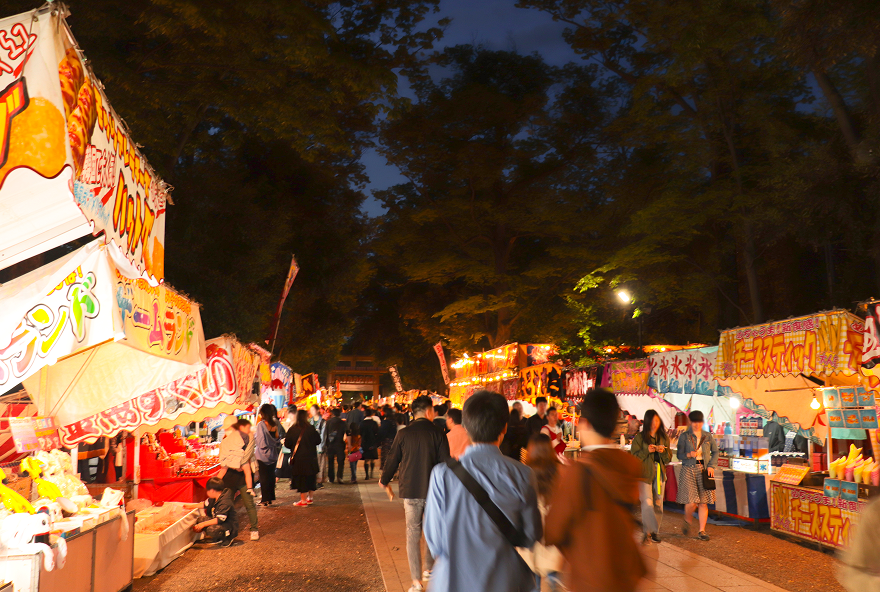
Yatai (Food Stalls)
Large parks often feature numerous yatai during the hanami season. Popular options include takoyaki (octopus-filled savory balls) and yakisoba (stir-fried noodles), best enjoyed freshly prepared and hot. Please note that many stalls accept cash only, so it is advisable to come prepared.
5. Guide to Spectacular Cherry Blossom Viewing Spots
While several recommended locations were introduced in the first part, Japan is home to many more remarkable cherry blossom destinations that should not be missed. As a conclusion to this series, we present a selection of must-visit “classic” spots in Tokyo, along with legendary scenic locations across regional Japan that are well worth the journey.
[Classic Spots in Tokyo]
-
Ueno Park
One of Tokyo’s most famous hanami locations, where over 1,000 lanterns are displayed during the season. Visitors can experience the lively and festive atmosphere that is uniquely characteristic of hanami in Japan, with many groups gathering for celebrations.
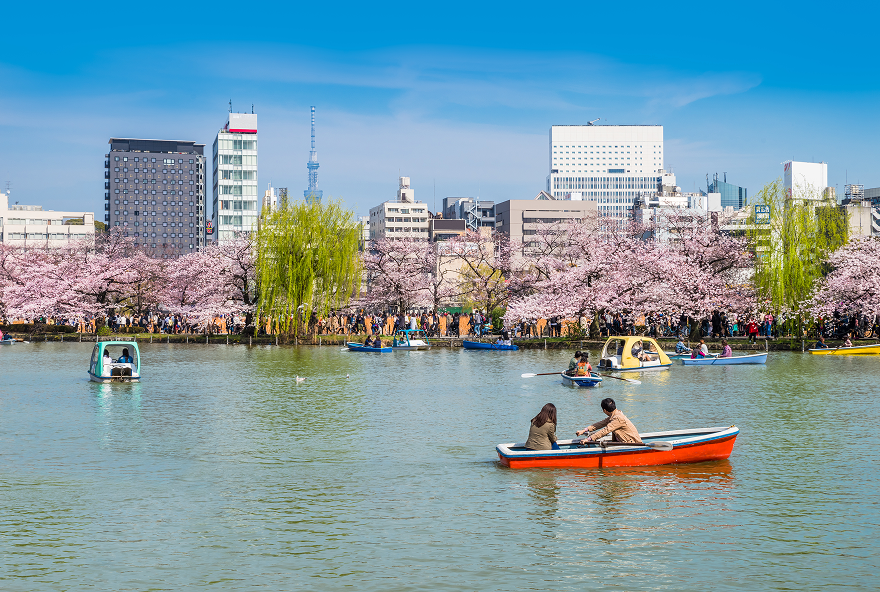
The official website for Ueno Park is linked here
-
Chidorigafuchi
An elegant setting where cherry blossoms line the moat of the Imperial Palace. Viewing the blossoms from a boat, drifting beneath a tunnel of sakura, offers a particularly romantic experience, making it a popular choice for couples.
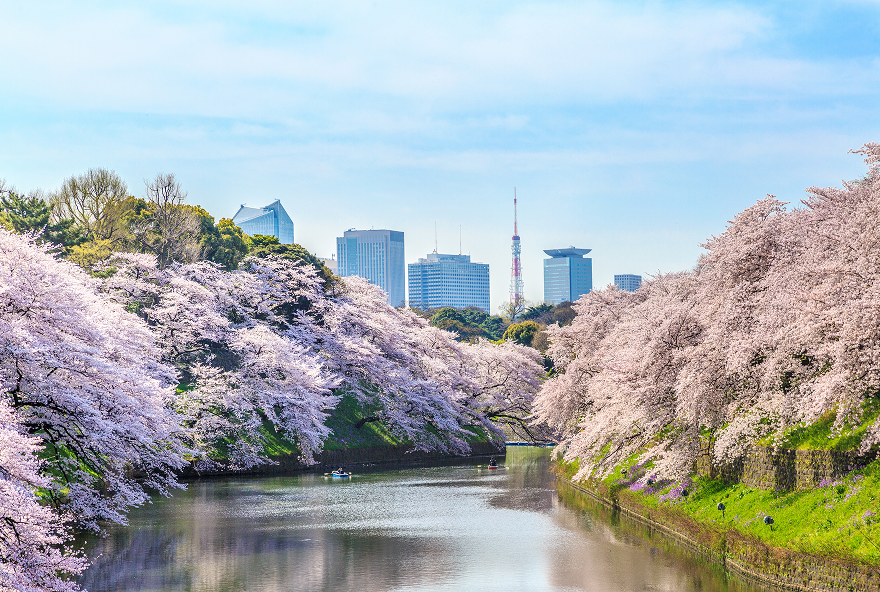
The Chidorigafuchi Greenway "spot introduction" on the Chiyoda Ward Tourism Association website is linked here
[Scenic Spots in Regional Japan]
-
Hirosaki Park (Aomori Prefecture)
Renowned worldwide for hanaikada, where fallen petals blanket the water’s surface, transforming the moat into what appears to be a pink carpet. The best viewing period is typically from late April to early May.
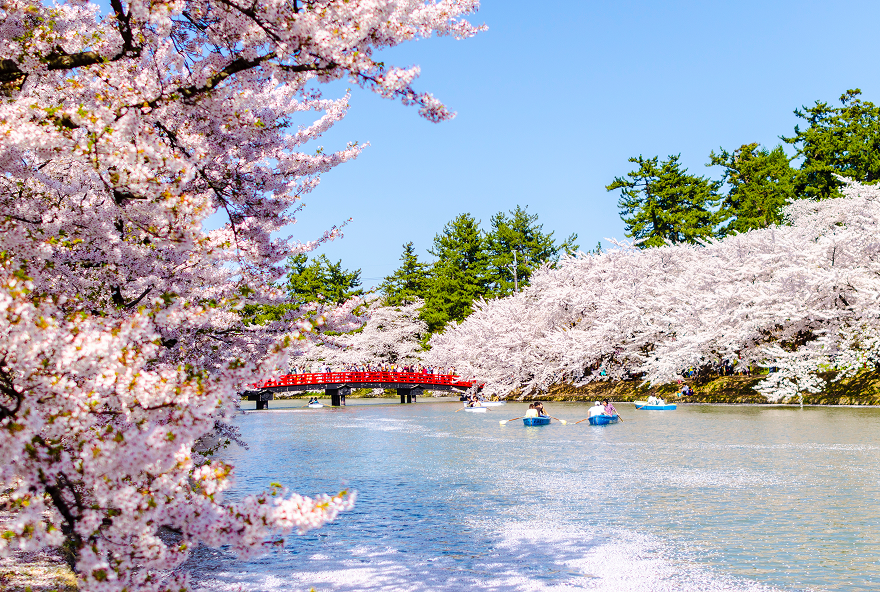
The Hirosaki Park website is linked here
-
Himeji Castle (Hyogo Prefecture)
A UNESCO World Heritage Site, this iconic white castle creates a striking contrast with the soft pink of the surrounding cherry blossoms. The scenery evokes the beauty of a traditional samurai-era landscape.
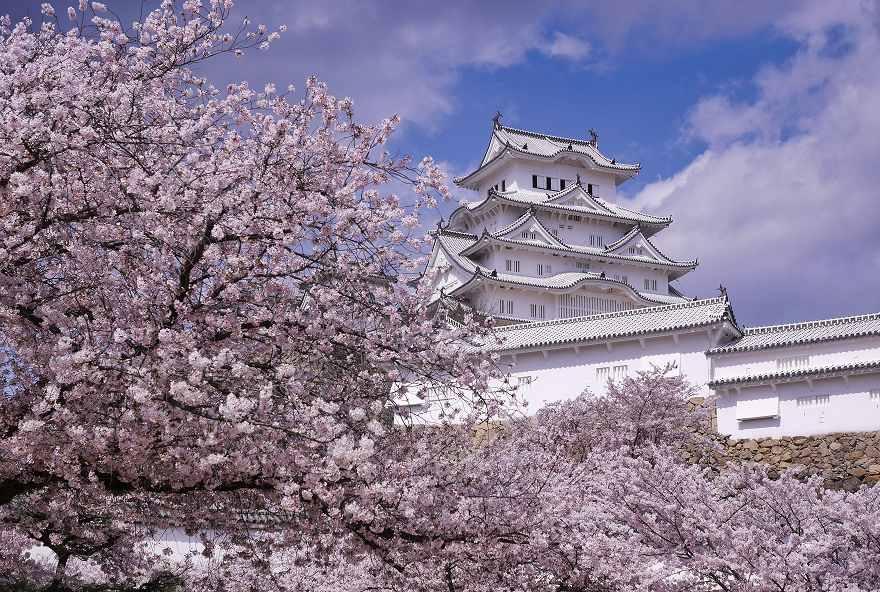
The page for cherry blossom events on Himeji Castle's official website is linked here.
-
Arakurayama Sengen Park (Yamanashi Prefecture)
Currently one of the most popular destinations among international visitors, this spot offers a quintessential Japanese view: Mount Fuji, a five-story pagoda, and cherry blossoms all in a single frame.
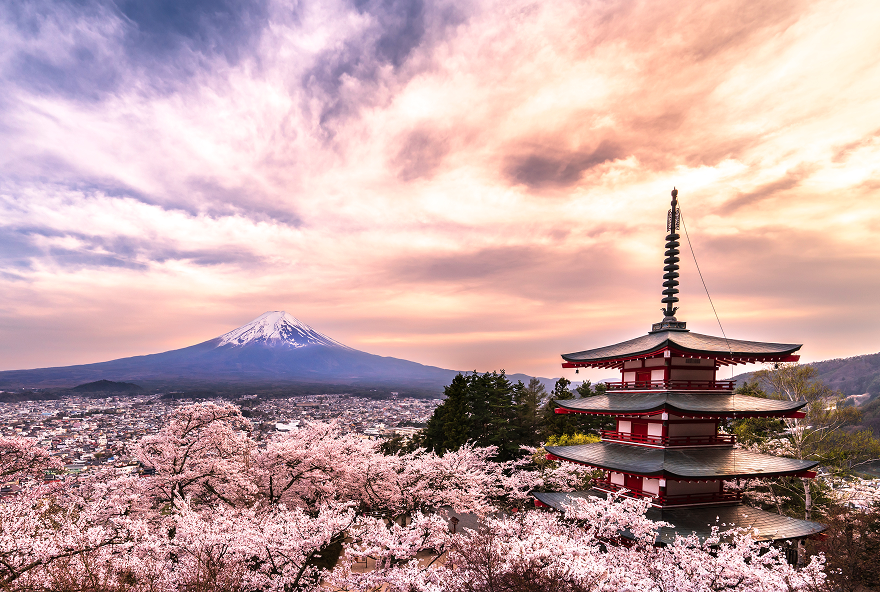
The page for Arakurayama Sengen Park on the Yamanashi Prefecture tourism website is linked here.
In Conclusion
Hanami in Japan is far more than a simple picnic. It is a special occasion where people gather beneath the beauty of cherry blossoms, share the lingering chill of early spring, enjoy seasonal foods, and deepen their bonds with friends and companions.
Whether you choose to relax in a nearby park or travel by shinkansen to witness breathtaking scenery in regional areas, observing proper etiquette will ensure a more positive experience. Embrace the magic of Japan’s spring and enjoy it to the fullest.