Stay Warm This Winter in Japan! A Guide to the Comfort and Safe Use of Kotatsu and Electric Heaters
November has arrived, and temperatures across Japan are starting to drop rapidly. If you've come from a warmer country or are used to living in a home with central heating, you might be surprised by just how cold Japanese homes can get during winter.
Many Japanese homes were traditionally designed to stay cool during hot, humid summers. As a result, cold air can easily enter through windows and floors during the winter months. This leaves many foreign residents struggling with problems like, "Why are my feet freezing even though the air conditioner is on?" or "How can I stay warm without spending a fortune on electricity?"
Fortunately, Japan has two popular heating appliances that can make winter significantly warmer and more enjoyable: kotatsu (heated tables) and electric space heaters.
In this guide, we'll explore what makes these appliances so comfortable, how to enjoy them as part of Japanese winter culture, and the essential safety rules you need to follow to prevent fires and injuries.
1. Why Are Kotatsu and Electric Heaters So Popular? Discover Their Incredible Warmth!
Unlike air conditioning systems, kotatsu tables and electric heaters offer unique benefits that make them particularly suited to Japanese homes.
Say Goodbye to a Hot Face and Freezing Feet!
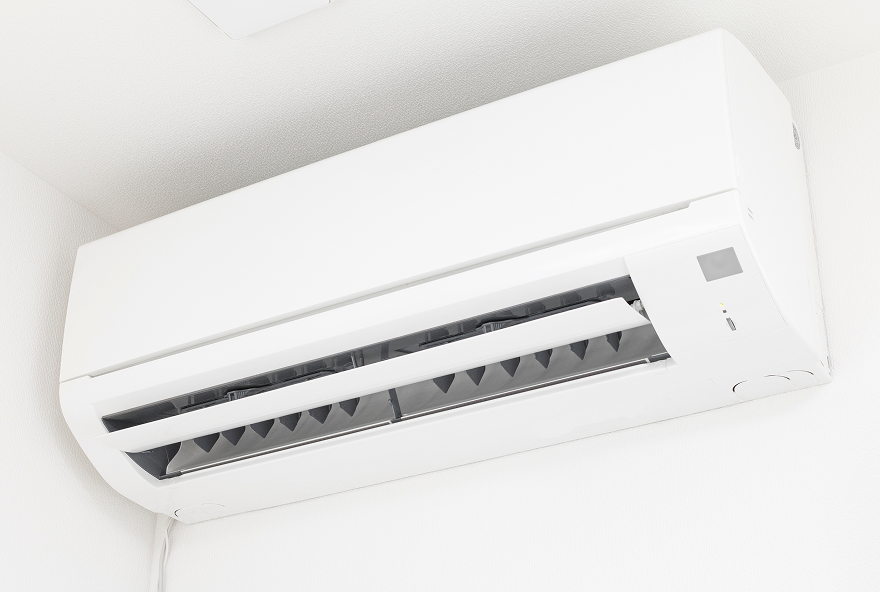
Warm air naturally rises toward the ceiling. This means that when you use an air conditioner for heating, your head and face may feel uncomfortably hot while your feet remain freezing cold.
A kotatsu solves this problem by warming your lower body directly.
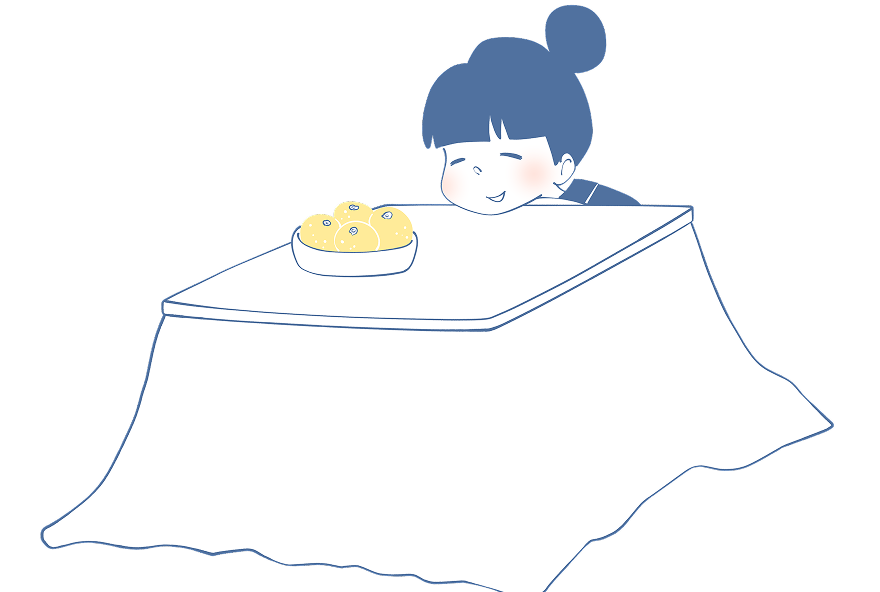
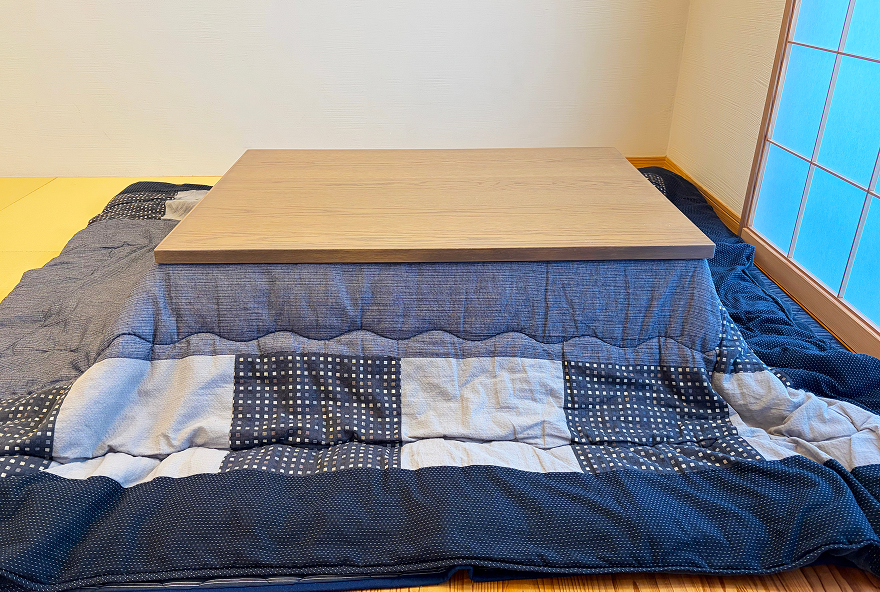
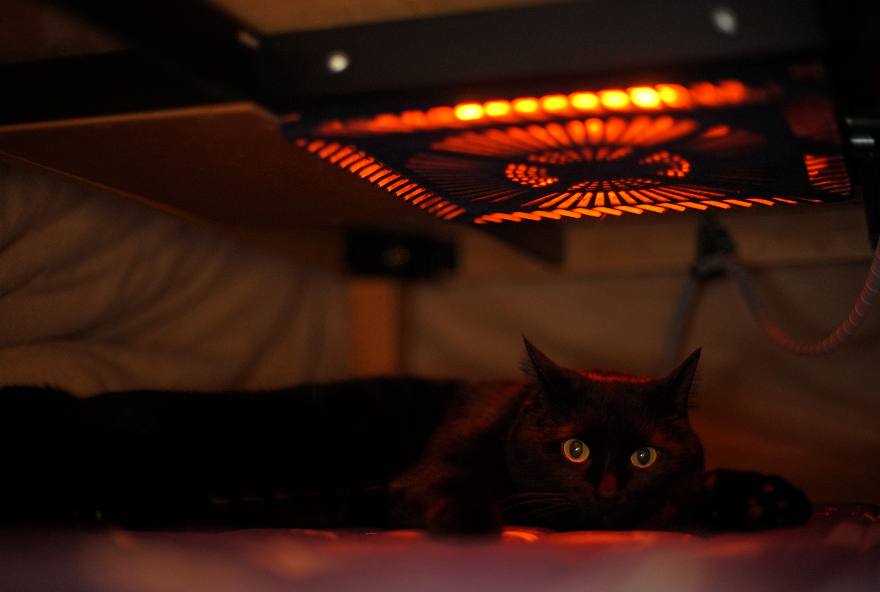
A kotatsu is a low table equipped with a heater underneath and covered with a thick blanket. The heater warms the enclosed space beneath the table, keeping your legs and feet comfortably warm.
By warming the parts of your body that tend to get cold first, a kotatsu can help you feel warmer overall. And because it doesn't blow warm air around the room, it is less likely to cause the dry throat or skin discomfort sometimes associated with forced-air heating.
Feel Warm in Just Seconds!
On freezing winter mornings, getting out of bed can feel almost impossible. That's when an electric space heater becomes especially useful.
Many radiant electric heaters begin producing heat almost immediately after being switched on. Some models glow orange and provide noticeable warmth within just one to three seconds.
They're particularly convenient when getting dressed in the morning or briefly warming up chilly areas such as kitchens and changing rooms.
Kotatsu tables are equally comforting. Once the space beneath the blanket warms up, the thick covering helps trap the heat, keeping your legs cozy even when it's snowing outside.
Kotatsu Tables Can Be Surprisingly Affordable to Run!
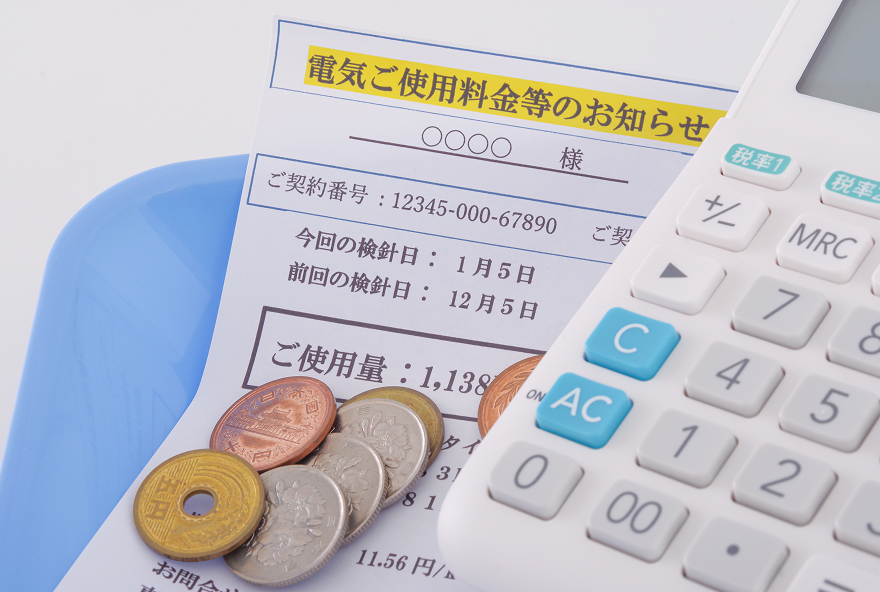
Unlike air conditioners, which heat an entire room, a kotatsu only heats the small space underneath its blanket.
When used on a low or medium setting, some kotatsu models cost approximately 2–5 yen per hour to operate, depending on their power consumption and electricity rates.
This makes them an economical way to stay comfortable during the colder months.
2. Experience Japanese Winter Culture! How to Set Up and Enjoy a Kotatsu
You may have seen kotatsu tables in Japanese anime such as Doraemon or Chibi Maruko-chan.
These traditional heated tables are a beloved part of Japanese winter life, and they're surprisingly easy to set up.
You can find affordable kotatsu tables and accessories at stores such as Nitori, home improvement centers, and secondhand shops.
A standard kotatsu setup consists of three main components.
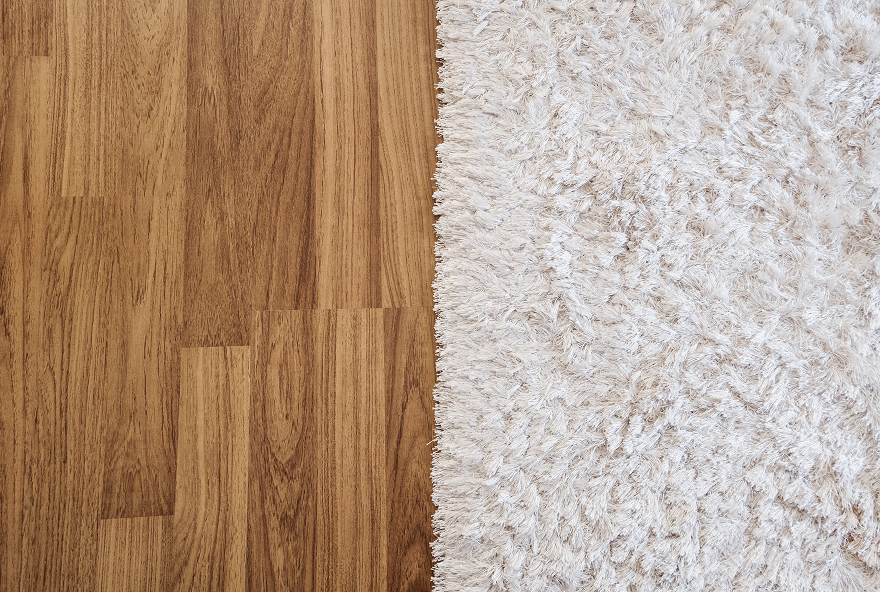
1. Floor Mat or Rug (Shikibuton)
First, place a thick mat or rug on the floor to prevent cold air from reaching your legs.
For extra insulation, you can place an aluminum thermal insulation sheet underneath the rug. These sheets are often available at 100-yen shops and can help reduce heat loss through the floor.
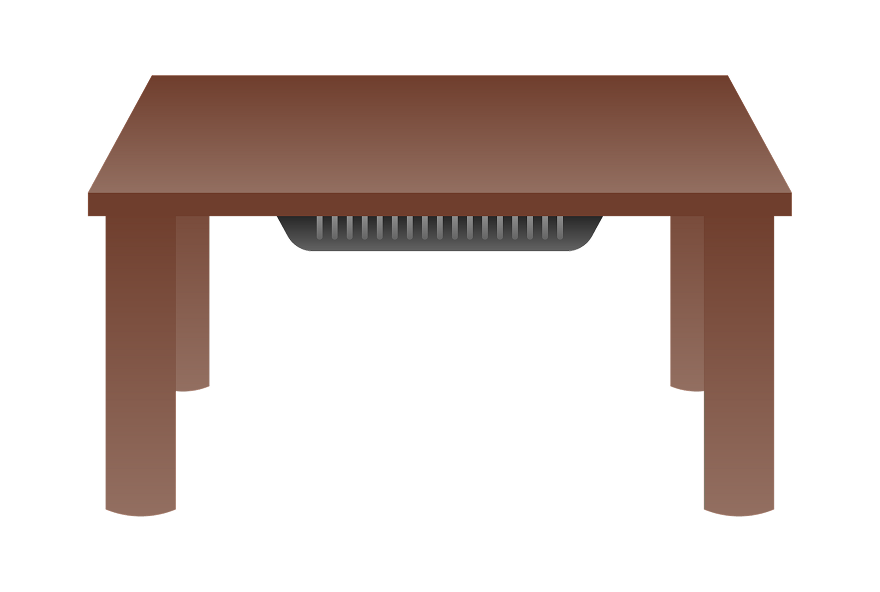
2. Kotatsu Table with a Built-in Heater
Next, place the kotatsu table on top of the rug.
The table has an electric heater attached to its underside, which warms the space around your legs.
3. Kotatsu Blanket (Kakebuton)
Drape a thick kotatsu blanket over the table frame, then place the removable tabletop over the blanket to hold it in place.
And that's it! Your kotatsu is ready to use.
When spring arrives and temperatures rise, you can remove the blanket and use the kotatsu as an ordinary table throughout the rest of the year.
The Japanese Way to Enjoy a Kotatsu
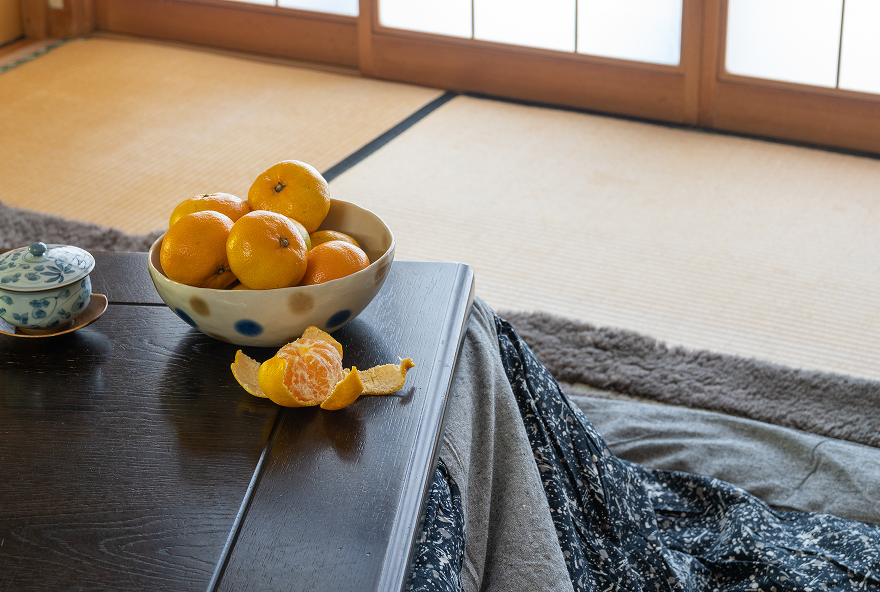
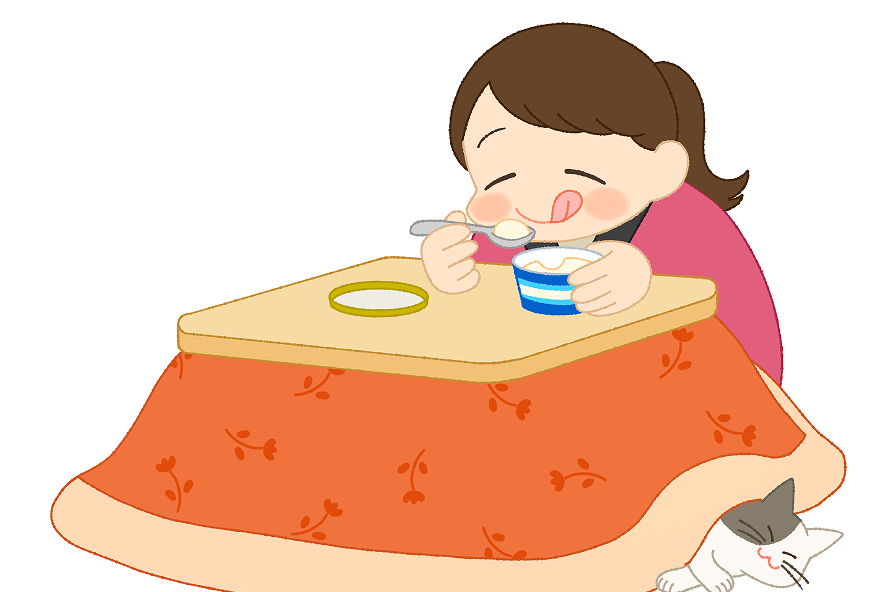
One of Japan's most beloved winter traditions is sitting under a warm kotatsu while eating cold mandarin oranges (mikan) or ice cream.
There's something wonderfully comforting about enjoying a cold snack while your legs are wrapped in warmth.
Another popular activity is inviting friends over for a nabe party, or Japanese hot pot party.
Nabe is a traditional winter meal in which vegetables, meat, tofu, and other ingredients are cooked together in a pot of hot broth at the center of the table.
Gathering around a steaming pot of food while staying warm under a kotatsu is a perfect way to enjoy the Japanese winter.
There's even a funny Japanese expression for people who love their kotatsu so much that they never want to leave it: kotatsumuri.
It's a combination of kotatsu and katatsumuri (snail), comparing someone curled up inside their kotatsu to a snail hiding inside its shell!
3. Extremely Important! What You Must NEVER Do with an Electric Heater
Although electric heaters are convenient, they can also pose serious fire risks when used incorrectly.
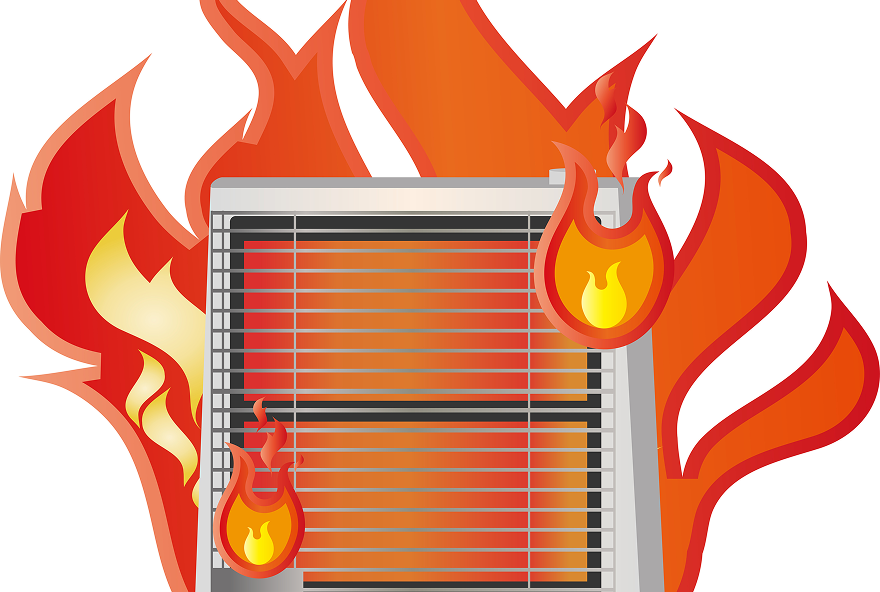
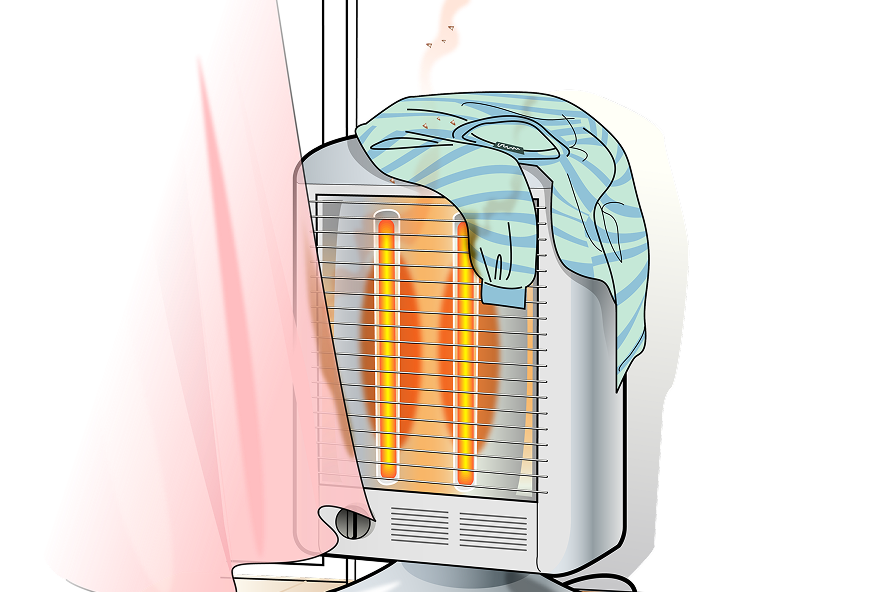
Electric heaters may not produce visible flames, but their heating elements can become extremely hot. If clothing, bedding, or paper comes into contact with them, these materials can catch fire.
Here are three essential safety rules.
Never Sleep with an Electric Heater Next to Your Bed
Placing an electric heater too close to your bed is extremely dangerous.
While you're sleeping, a blanket or comforter may accidentally fall onto the heater. The fabric can quickly overheat and catch fire.
Always turn off your electric heater before going to sleep.
Never Dry Clothes on or in Front of an Electric Heater
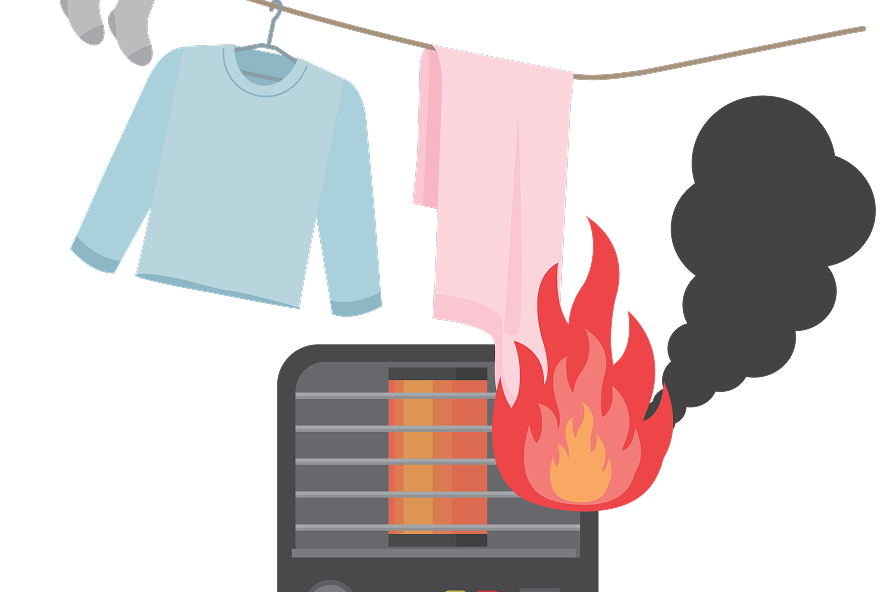
You might think that wet clothes cannot catch fire, but this is a dangerous misconception.
As clothing dries, it becomes increasingly flammable. If a shirt, towel, or piece of underwear falls onto a hot heater, it can ignite and cause a serious fire.
Never hang laundry above or directly in front of an electric heater.
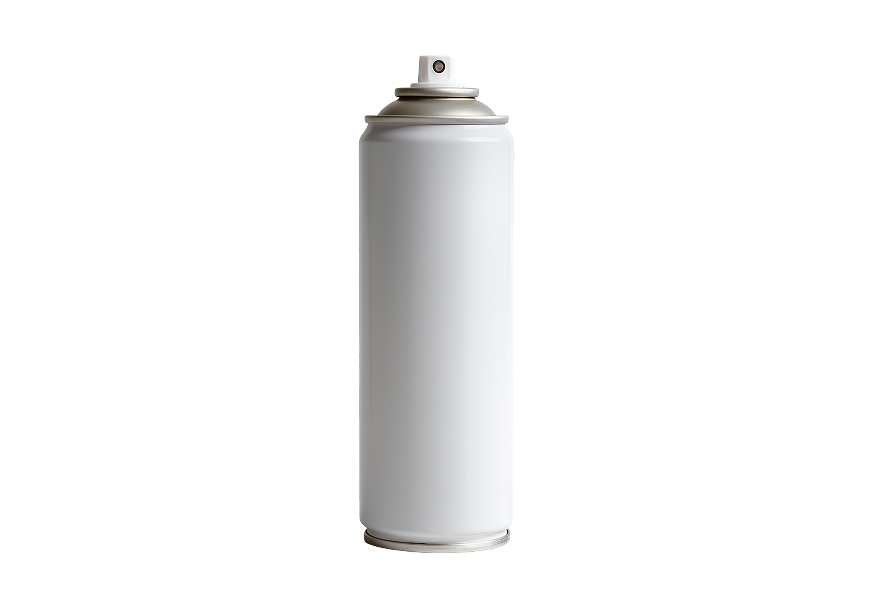
Keep Spray Cans Away from Heaters
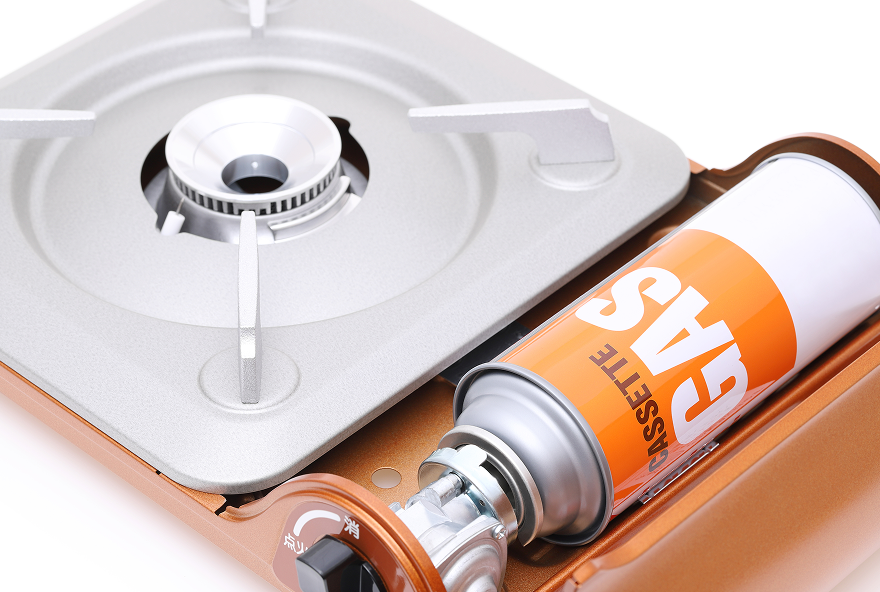
Aerosol cans containing insecticide, hairspray, or gas for portable cooking stoves can become extremely dangerous when exposed to heat.
As the temperature inside a pressurized can rises, it may rupture or explode.
As a general safety precaution, keep the area within at least one meter of an electric heater clear of clothing, bedding, paper, aerosol cans, and other potentially hazardous objects. Always follow the clearance distances specified by the manufacturer.
4. Be Careful! Kotatsu Fires, Low-Temperature Burns, and Dehydration
Kotatsu tables may seem harmless because they provide such gentle, comfortable warmth.
However, improper use can cause fires, burns, and other health problems.
Make sure to follow these important safety guidelines.
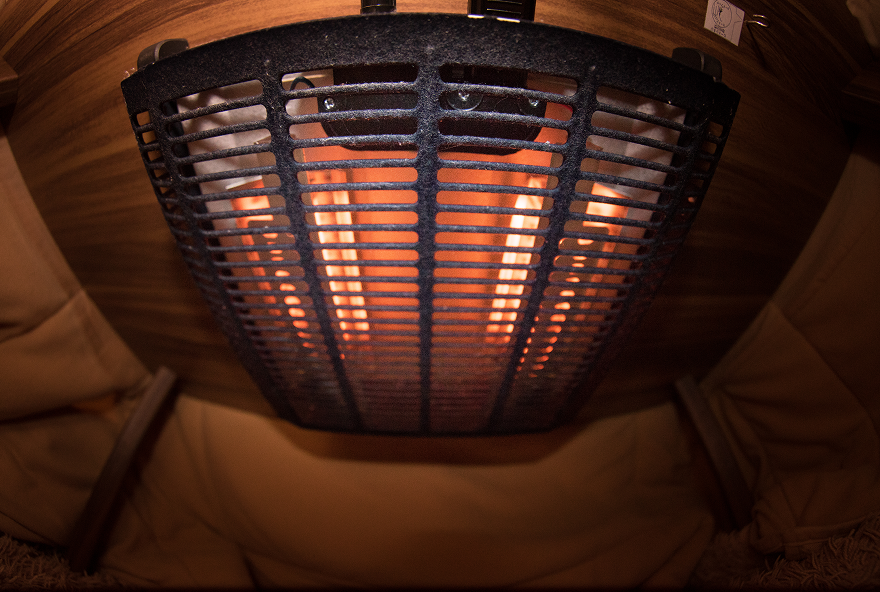
Never Put Clothes or Socks Inside a Kotatsu
You might be tempted to place tomorrow's clothes or a pair of socks inside the kotatsu to warm them up.
Don't do it!
If fabric touches the heater or its protective grille, it can overheat and potentially catch fire.
The same applies to cushions, pillows, and other objects. Never stuff anything underneath the kotatsu where it could come into contact with the heating element.
Never Sleep Overnight in a Kotatsu
It's easy to become sleepy while relaxing under a warm kotatsu.
However, sleeping inside one for several hours can be dangerous.
There are two major risks to be aware of.
-
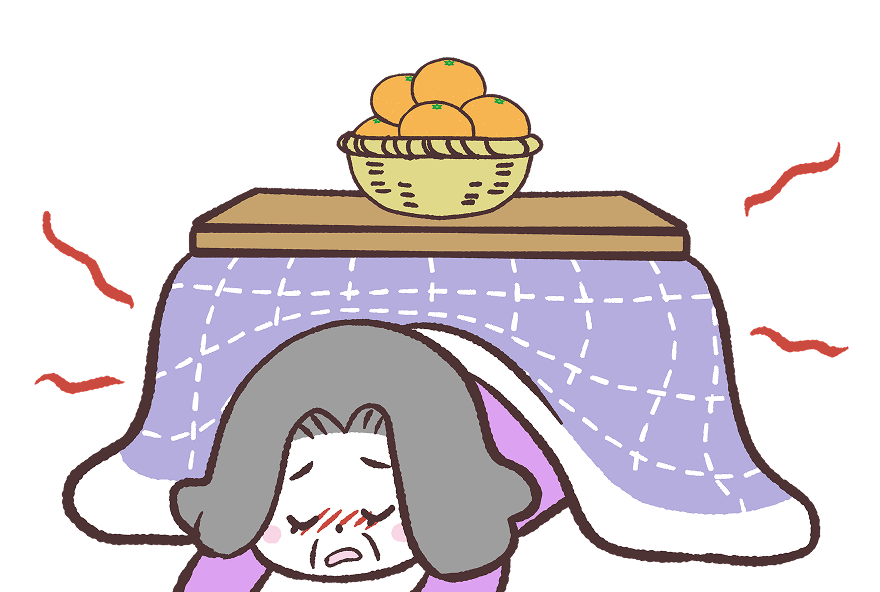
Risk 1: Low-Temperature Burns
Even temperatures that initially feel comfortable can cause serious burns when your skin remains exposed to heat for an extended period.
Prolonged contact with temperatures around 44–50°C can damage the deeper layers of the skin, particularly around the ankles and shins.
These injuries are called low-temperature burns (teion yakedo) and may require medical treatment.
-
Risk 2: Dehydration and Physical Discomfort
Spending the entire night inside a heated kotatsu can cause excessive sweating and fluid loss.
This may lead to dehydration, fatigue, and other physical discomfort.
If you start feeling sleepy, turn off the kotatsu and move to your bed or futon instead.
5. Why Did the Lights Suddenly Go Out? Electrical Outlets and Circuit Breaker Safety
Japan's standard household voltage is 100V, and homes have limits on how much electricity can be used simultaneously.
Electric heaters and kotatsu tables draw electricity, so it's important to use their power cords correctly.
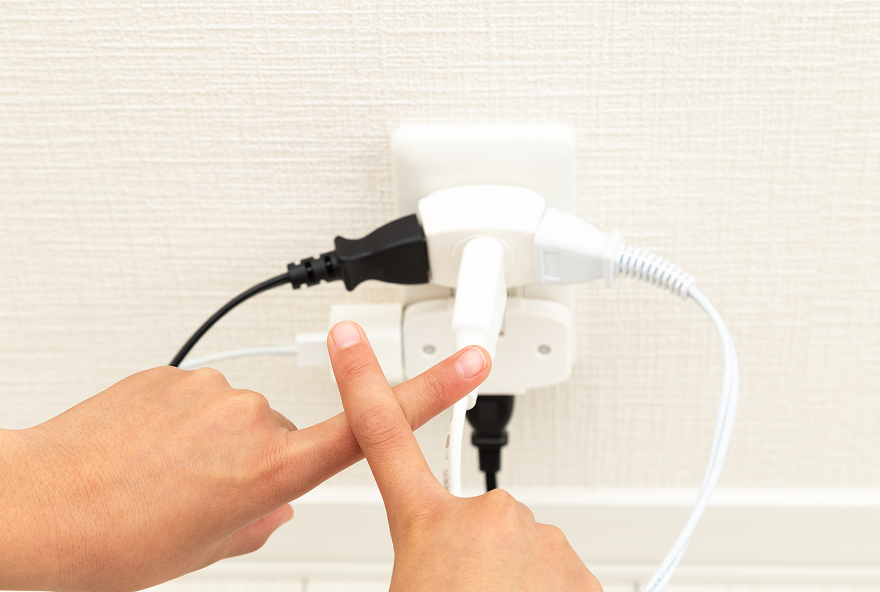
Never Use an Extension Cord or Overloaded Power Strip with an Electric Heater
Electric space heaters often consume between 800W and 1,200W of electricity.
Connecting a high-powered heater to an unsuitable extension cord or overloaded power strip can cause the wiring to overheat, melt, or catch fire.
For safety, plug your electric heater directly into a wall outlet, following the manufacturer's instructions.
Avoid using inexpensive, low-capacity extension cords or multi-plug adapters.
Avoid Using Several High-Powered Appliances at Once
Imagine you're using an electric heater while also running a microwave, electric kettle, or hair dryer.
Each of these appliances uses a significant amount of electricity.
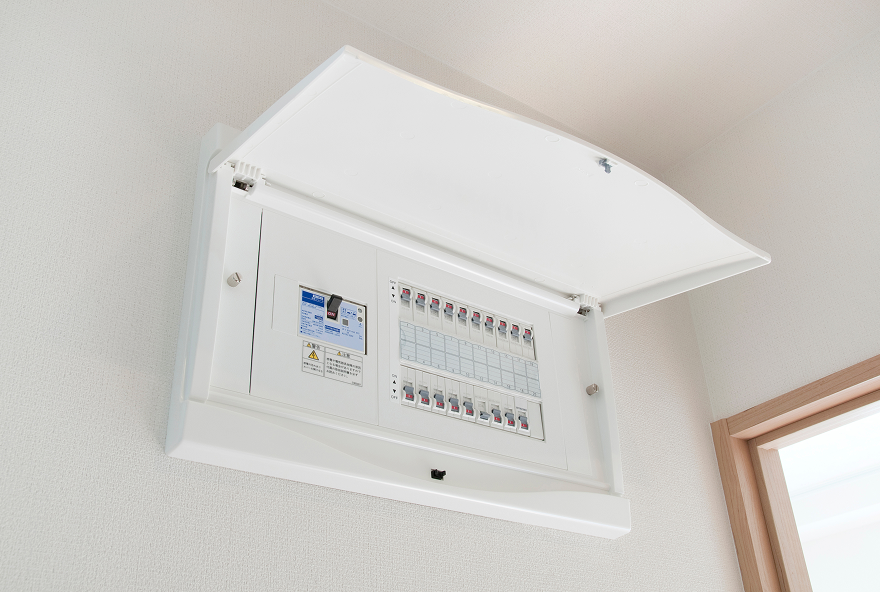
If their combined electricity consumption exceeds the capacity of your home's electrical circuit or contracted power supply, the circuit breaker may trip, suddenly cutting off electricity.
To prevent this, avoid operating multiple high-powered appliances on the same circuit at the same time.
Never Crush or Pull a Kotatsu Power Cord
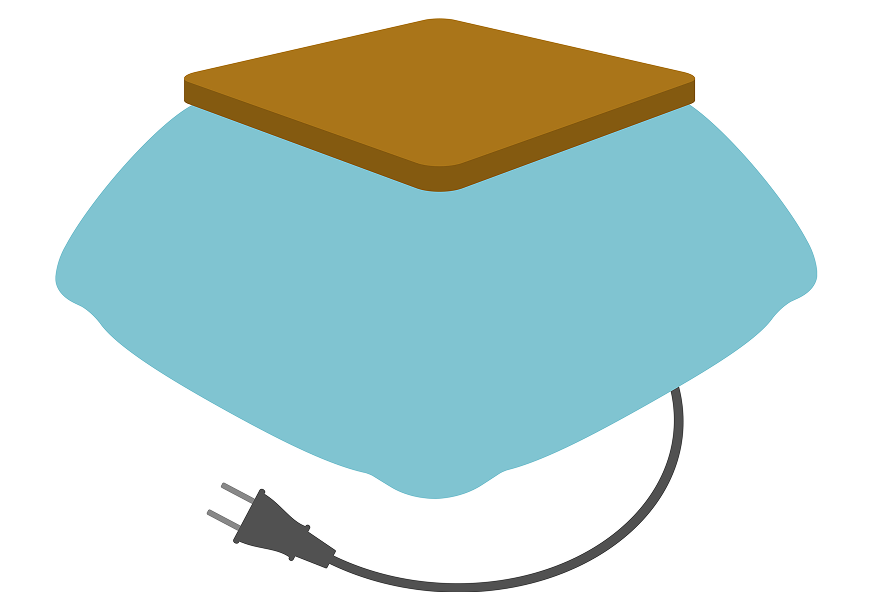
Be careful not to place the legs of your kotatsu table or other heavy furniture directly on its power cord.
Crushing, sharply bending, or pulling the cord can damage the wires inside.
Damaged wiring can result in electrical shorts, sparks, overheating, or fires.
Always keep power cords positioned safely and check them regularly for signs of damage.
6. Make It a Daily Habit! Your 3-Second Safety Check Before Leaving Home or Going to Bed
One of the easiest ways to prevent heating-related accidents is to develop a quick safety routine.
Before leaving home or going to sleep, check these three things.
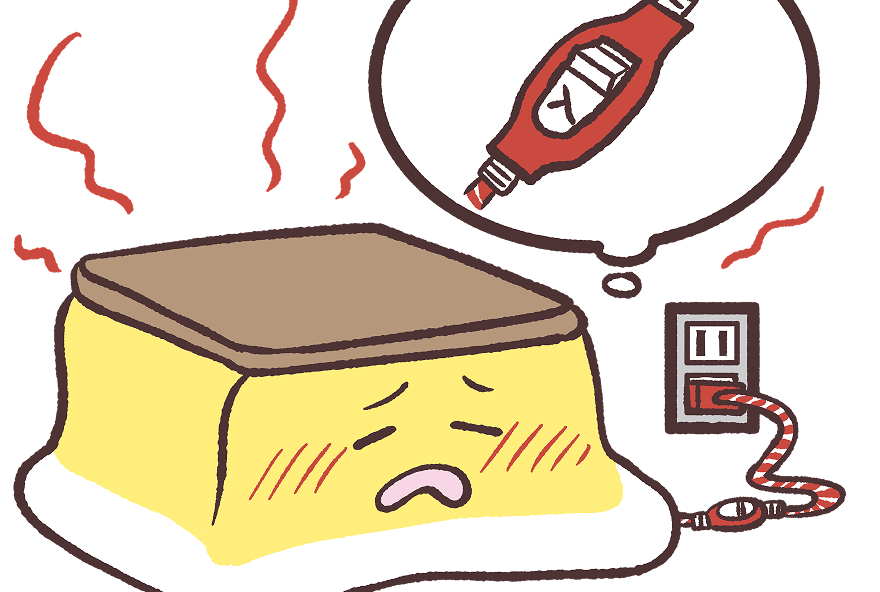
1. Are All the Heaters Switched OFF?
Make sure both your electric heater and kotatsu are completely turned off.
For additional safety, unplug them when they are not in use, particularly before leaving home for an extended period.
2. Is the Area Around Your Electric Heater Clear?
Look around your heater.
Are there any clothes, blankets, towels, papers, or aerosol cans nearby?
Keep the surrounding area clear of flammable or hazardous objects, maintaining the safe distances recommended by the manufacturer.
3. Is the Space Inside Your Kotatsu Empty?
Lift the kotatsu blanket and look underneath the table.
Make sure no socks, clothing, tissues, or other objects have been accidentally left near the heater.
A few seconds of checking can help prevent a serious accident.
Conclusion: Stay Warm, Stay Safe, and Enjoy Winter in Japan!
Japanese winters can be surprisingly cold, especially if you're not used to living in homes without central heating.
Fortunately, kotatsu tables and electric space heaters can make the colder months much more comfortable.
Kotatsu tables are particularly useful for keeping your legs warm while helping you manage electricity costs, while electric heaters provide quick, targeted warmth when you need it.
You may also be able to find affordable heating appliances during November sales or at local secondhand stores and home improvement centers.
Whether you're enjoying mandarins under a kotatsu, sharing a warm nabe dinner with friends, or simply relaxing at home on a snowy day, these appliances can make winter in Japan a much more enjoyable experience.
Just remember to follow the essential safety precautions and make your 3-second safety check part of your daily routine.
Stay warm, stay safe, and make the most of Japan's wonderful winter traditions!
And don't forget: winter is also the perfect season for nabe, Japan's comforting hot pot dish made by simmering vegetables, meat, and other ingredients together in a delicious broth at the center of the table.