More than just shopping! A handy guide to using Japanese convenience stores.
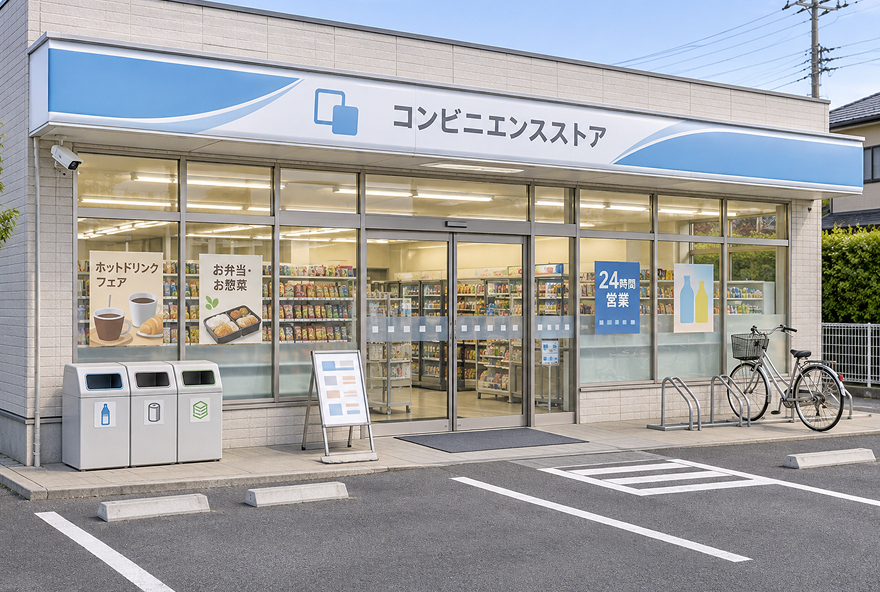
If you live in Japan, chances are you visit a convenience store, or konbini (コンビニ), almost every day.
But Japanese convenience stores offer much more than just rice balls, bento boxes, and drinks. You can pay utility bills, withdraw cash, send packages, and take care of many other everyday errands, all in one place.
For people coming from overseas, the range of services available at Japanese convenience stores can be surprising. You might find yourself wondering, "Wait, I can pay my bills here?" or "What did the cashier just ask me?"
In this guide, we'll introduce the many services available at Japanese convenience stores, useful Japanese phrases you'll hear at the checkout, the differences between Japan's major convenience store chains, and a few important etiquette tips to help you shop with confidence!
1. What Makes Japanese Convenience Stores Different?
In many countries, convenience stores are primarily small shops where people stop to buy drinks, snacks, cigarettes, and other everyday essentials.
In Japan, however, convenience stores are much more than that. They function as an essential part of daily life, offering everything from ready-made meals and household necessities to financial and administrative services.
Many are open 24 hours a day
Most Japanese convenience stores are open around the clock, making them especially useful when you need something late at night or early in the morning.
However, not every location operates 24 hours a day, so it's worth checking the opening hours of stores in your neighborhood.
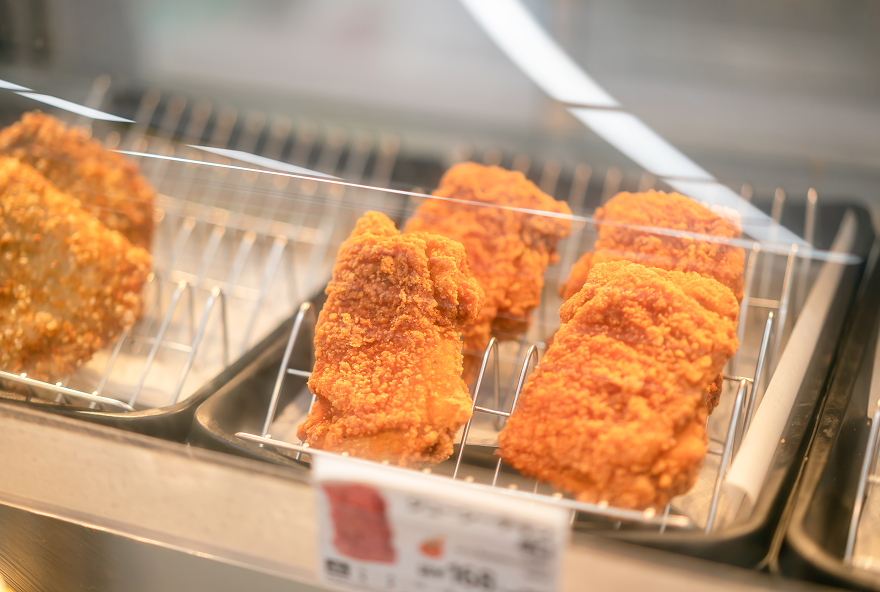
Hot, ready-to-eat food is available
Near the checkout counter, you'll often find a selection of hot snacks, such as fried chicken, steamed meat buns, and oden, a Japanese hot pot dish typically available during the colder months.
Many stores will also heat up your bento box or pasta in the microwave upon request, making it easy to enjoy a hot meal on the go.
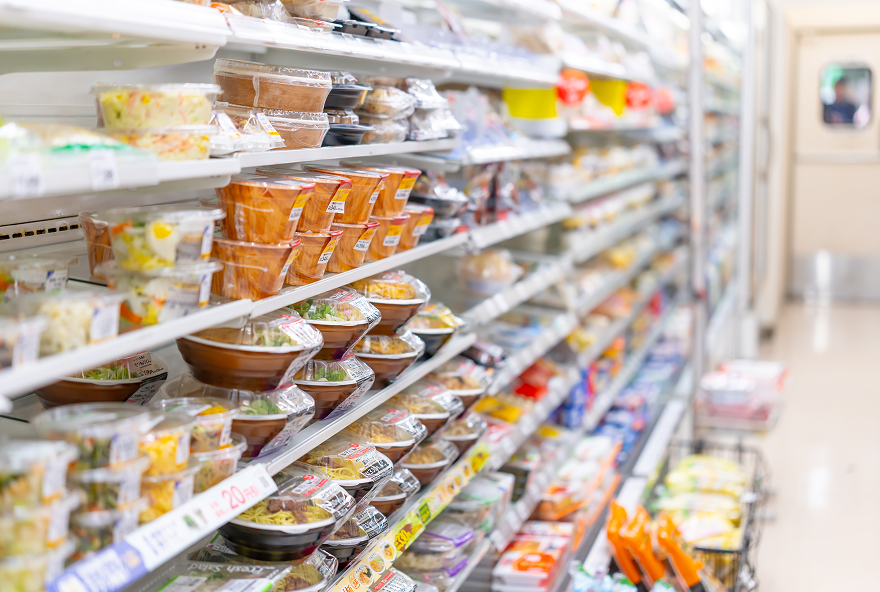
Stores are generally clean and well-organized
Japanese convenience stores are known for their neatly arranged shelves, clean interiors, and polite customer service.
Many international visitors are so impressed by the experience that they share videos of Japanese convenience stores on social media!
2. More Than Shopping! 6 Useful Services Available at Convenience Stores
Japanese convenience stores offer a surprisingly wide range of services beyond shopping.
Here are six particularly useful ones to know about.
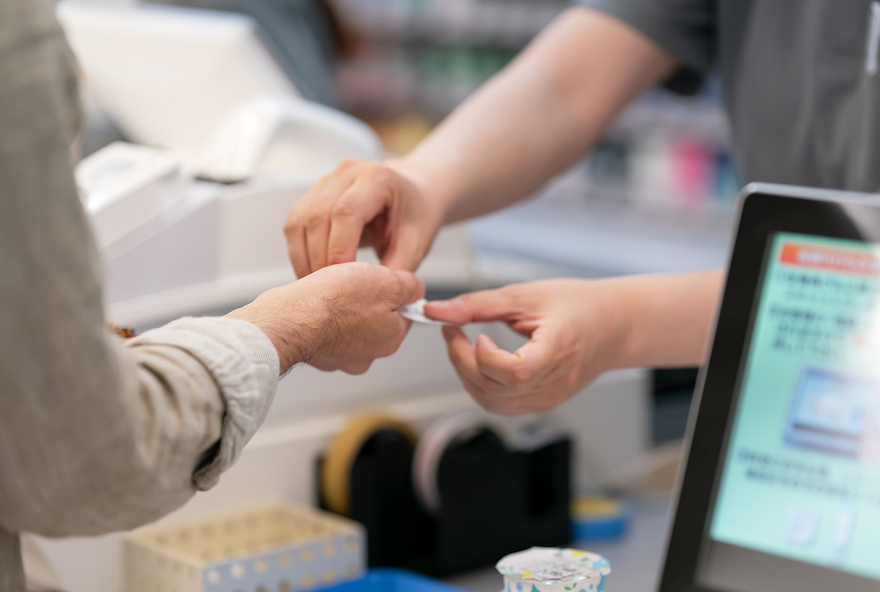
1. Paying Utility Bills, Taxes, and Online Shopping Orders
Did you know you can pay your electricity, gas, and water bills at a convenience store?
Many stores also accept payments for certain taxes, mobile phone bills, and online shopping purchases.
Simply bring the payment slip (haraikomi-hyō, 払込票) you received in the mail or show the payment barcode on your smartphone at the checkout.
Many of these payments must be made in cash, so make sure you have enough on hand.
After paying, keep your receipt or payment confirmation as proof of payment.
2. Withdrawing Cash from ATMs
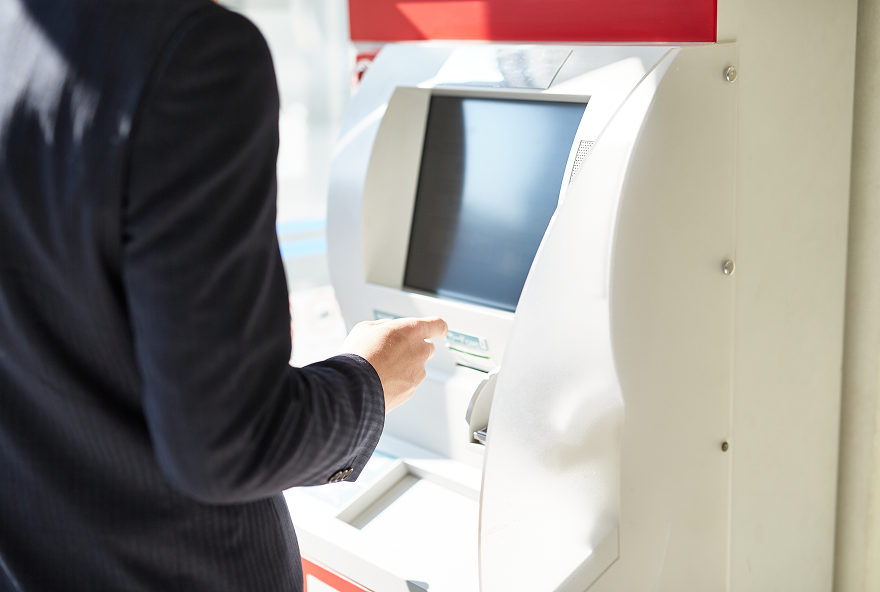
Most convenience stores have ATMs where you can withdraw Japanese yen.
One particularly useful option for international residents and travelers is the Seven Bank ATM, commonly found inside 7-Eleven stores.
Many Seven Bank ATMs accept internationally issued cards, including cards using the Visa, Mastercard, and UnionPay networks.
The ATMs also offer multilingual screen instructions, making them relatively easy to use even if you don't speak Japanese.
However, keep in mind that withdrawal fees may apply, and not all foreign-issued cards are supported.
3. Sending and Receiving Packages
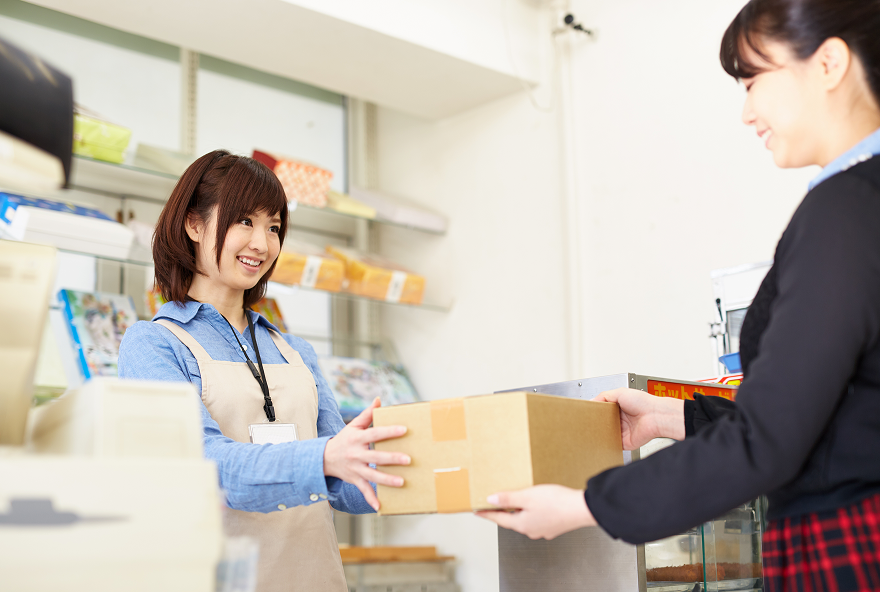
You can send packages from Yamato Transport, Japan Post, and other carriers from convenience stores. Additionally, you can have items ordered online picked up at a nearby convenience store instead of your home, which is very convenient for people who are not home during thea
Convenience stores can also serve as convenient drop-off and collection points for parcels.
Depending on the store, you can send packages using delivery services such as Yamato Transport or Japan Post.
You may also be able to have online purchases delivered to a nearby convenience store instead of your home.
This can be especially helpful if you're frequently away during the day and cannot receive packages in person.
Important: Not every convenience store handles every delivery service. For example, 7-Eleven and FamilyMart generally do not accept standard Japan Post Yu-Pack parcels at the counter, although some locations have parcel lockers that support additional services.
Always confirm which shipping services your chosen store offers before bringing your package.
4. Copying, Printing, and Scanning Documents
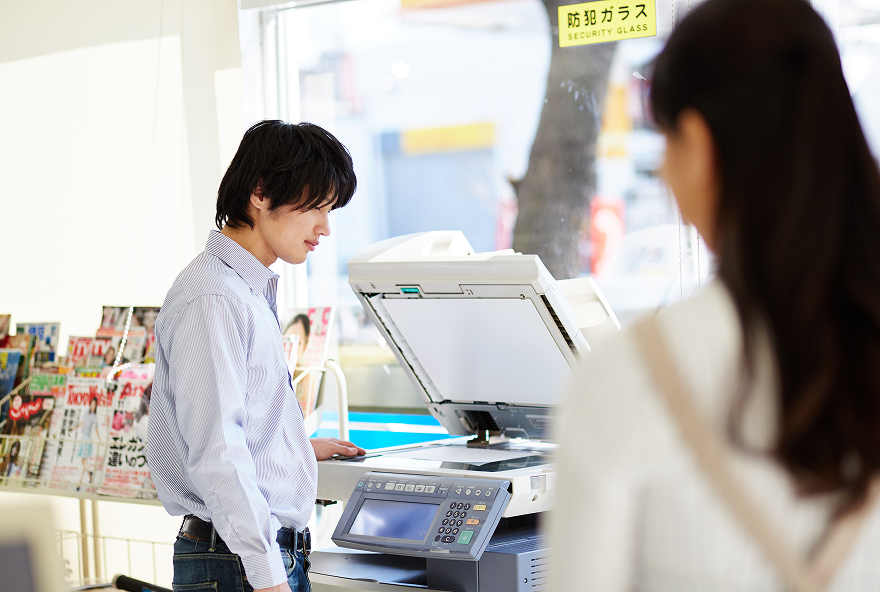
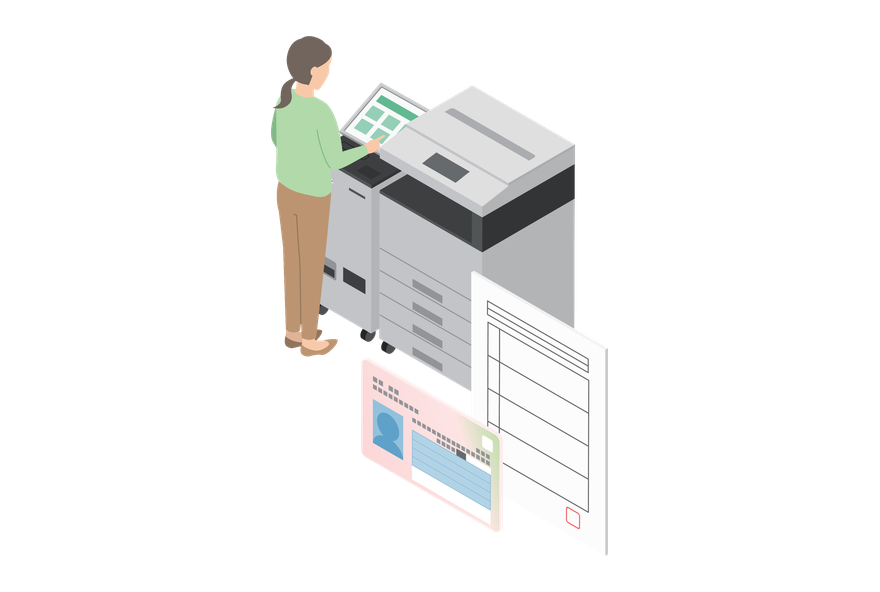
Most convenience stores have multifunction printers, commonly called multi-copy machines (マルチコピー機).
These machines allow you to:
- Photocopy documents
- Print files from your smartphone or USB drive
- Scan documents and save them as digital files
They are particularly useful when preparing resumes, printing application forms, or organizing documents for residence-related procedures.
If you don't own a printer at home, your nearest convenience store can be a lifesaver!
5. Printing Concert and Event Tickets
Planning to attend a concert, sporting event, or visit a theme park?
Depending on the ticket provider, you may be able to pay for and print your tickets at a convenience store.
For many ticketing services, the process involves entering your reservation number into an in-store terminal or multifunction printer.
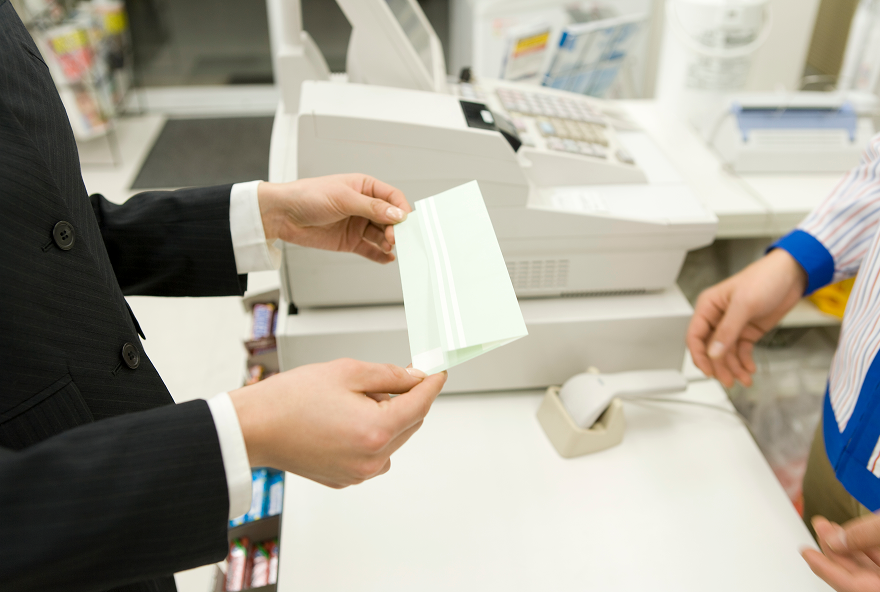
The machine then prints a payment or ticket collection slip, which you take to the checkout counter to complete the process.
The exact procedure varies depending on the event and ticketing service, so be sure to follow the instructions provided when booking.
6. Obtaining Official Documents, Including Residence Certificates
One of the most surprising services offered by Japanese convenience stores is the ability to obtain certain official government documents.
If you have a My Number Card (Mainanbā Kādo, マイナンバーカード), you may be able to use a convenience store's multifunction printer to obtain documents such as:
- A copy of your residence certificate (jūminhyō no utsushi, 住民票の写し)
- A seal registration certificate (inkan tōroku shōmeisho, 印鑑登録証明書)
In many municipalities, this service is available from 6:30 a.m. to 11:00 p.m., including weekends and some public holidays.
This is particularly convenient if you work during normal government office hours.
In some cases, the issuance fee may even be lower than at your local municipal office!
However, you'll need your My Number Card and its four-digit PIN. The documents available also vary depending on your municipality.
3. Five Useful Japanese Phrases You'll Hear at the Checkout
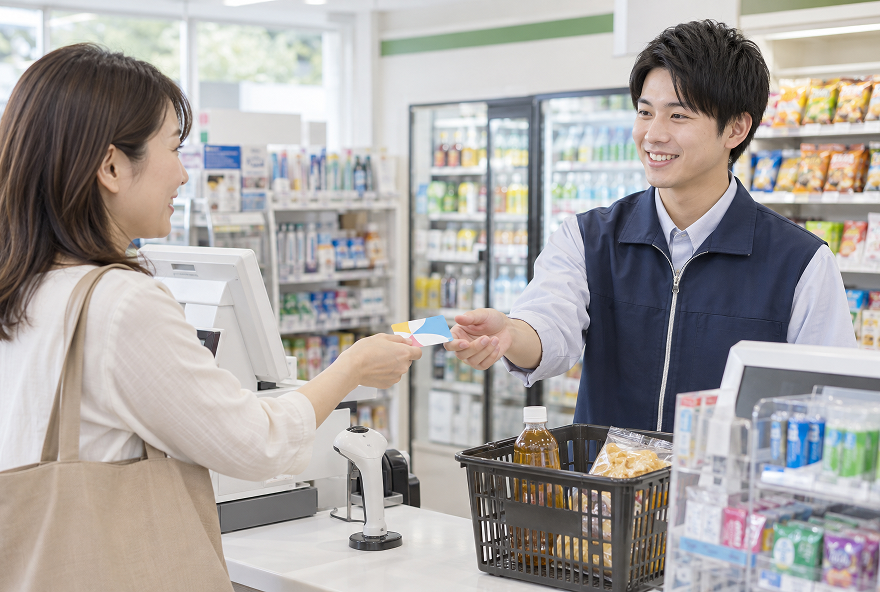
If you're new to Japan, checking out at a convenience store can feel a little intimidating, especially when the cashier starts asking questions in Japanese.
Fortunately, most of these questions are very simple.
Here are five common phrases worth learning.
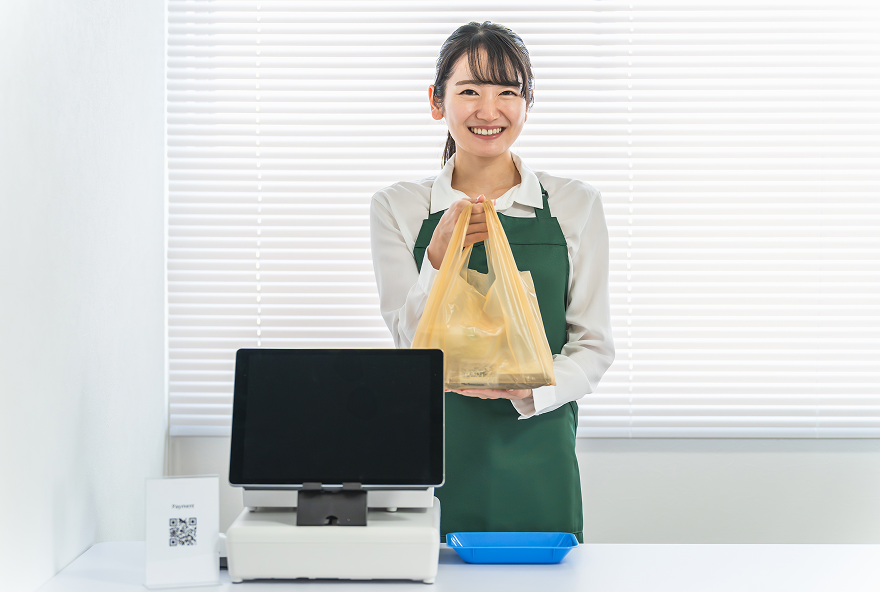
1. 「袋はご利用ですか?」(Fukuro wa go-riyō desu ka?)
"Would you like a bag?"
In Japan, plastic shopping bags generally cost a few yen.
If you'd like one, simply say:
「お願いします」(Onegaishimasu) - "Yes, please."
If you don't need one, you can say:
「大丈夫です」(Daijōbu desu) - "No, thank you."
Bringing your own reusable shopping bag is a great way to save money and reduce waste.
2. 「温めますか?」(Atatamemasu ka?)
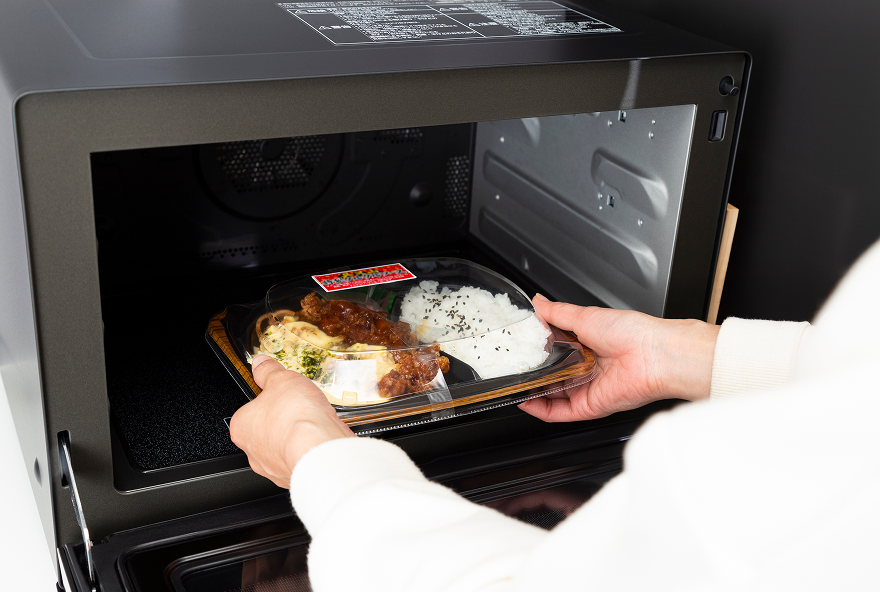
"Would you like this heated up?"
If you're buying a bento box, pasta, or another prepared meal, the cashier may ask whether you'd like it heated in the microwave.
If you do, just say:
「お願いします」(Onegaishimasu) - "Yes, please."
3. 「お箸(スプーン)はおつけしますか?」(Ohashi / supūn wa otsuke shimasu ka?)
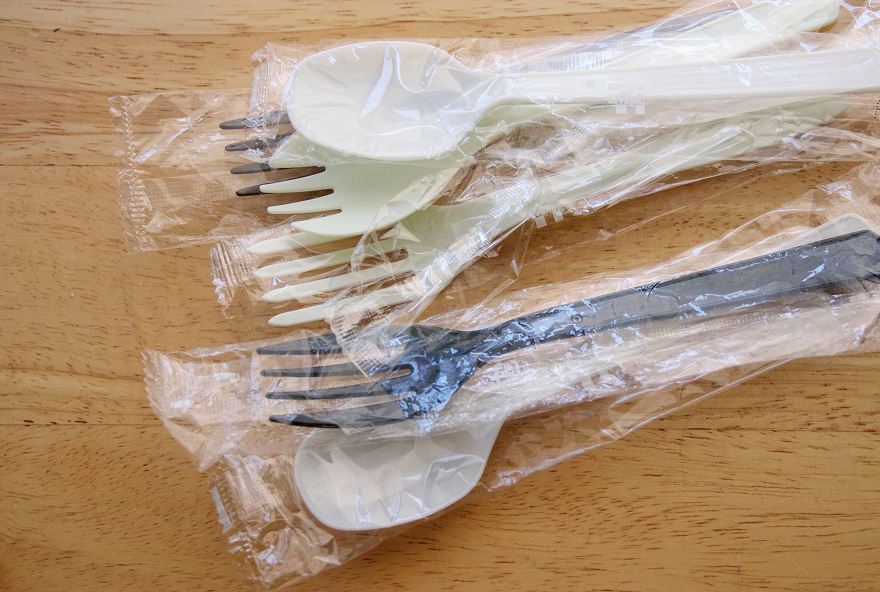
"Would you like chopsticks or a spoon?"
When purchasing bento boxes, instant noodles, or desserts, the cashier may offer you disposable utensils.
You can simply say "Yes, please" or specify how many you need.
4. 「ポイントカードはお持ちですか?」(Pointo kādo wa omochi desu ka?)
"Do you have a points card?"
Many convenience store chains have loyalty programs that allow customers to collect points when shopping.
If you have a participating points card or app, you can show it to the cashier.
If you don't, simply say:
「ないです」(Nai desu) — "No, I don't."
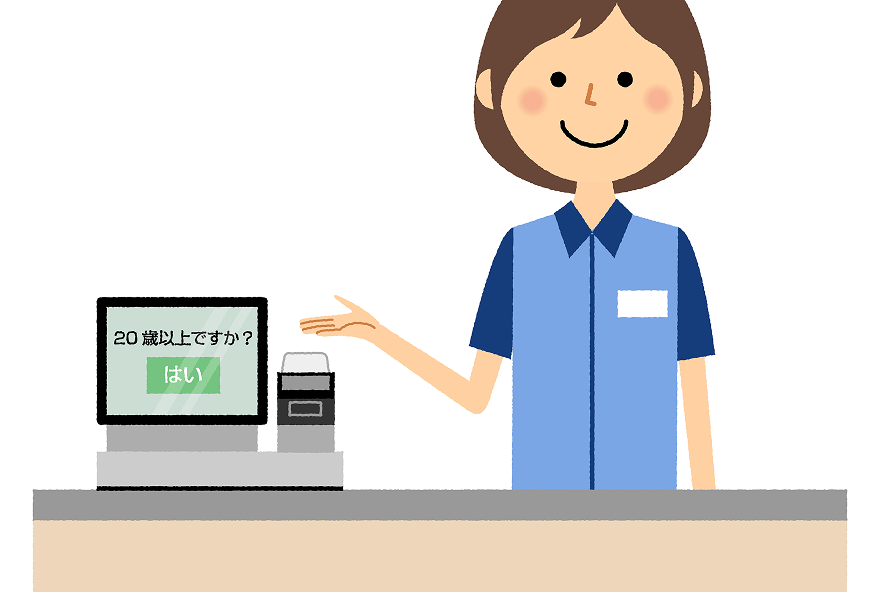
5. 「画面のボタンを押してください」(Gamen no botan o oshite kudasai)
"Please press the button on the screen."
If you're purchasing alcohol or tobacco, you may be asked to confirm your age on the checkout screen.
You'll typically see a message asking whether you are 20 years old or older.
In Japan, the legal age for purchasing alcohol and tobacco is 20, even though the age of adulthood is 18.
This may be surprising if you come from a country where the legal drinking age is 18.
Depending on the circumstances, staff may also ask to see identification to verify your age.
What about self-checkout and cashless payments?
Self-checkout registers are becoming increasingly common at Japanese convenience stores.
Many stores also accept credit cards, electronic money such as Suica and PASMO, and QR-code payment services.
However, some transactions, including certain bill payments, cannot be completed using regular cashless payment methods.
4. What's the Difference? Japan's Three Major Convenience Store Chains
Japan has three major convenience store chains, each with its own popular products and distinctive features.
While they offer many similar services, there are a few differences worth knowing.
FamilyMartFamilyMart)
Features
FamilyMart is particularly famous for its popular fried chicken snack, Famichiki (ファミチキ).
It also offers an original clothing and accessories line called Convenience Wear, featuring everyday essentials such as socks, towels, and underwear.
This makes FamilyMart especially useful when you suddenly need a basic clothing item while traveling or staying away from home.
Official website
*Due to copyright restrictions, we cannot display the actual image; therefore, this is a placeholder image.
Lawson (LAWSON)
Features
LAWSON is known for its Karaage-kun (からあげクン), a popular bite-sized fried chicken snack, as well as its wide range of desserts and ready-made meals.
The company also operates different types of convenience stores, including Natural Lawson, which focuses on health-conscious products, and Lawson Store 100, which offers a wider selection of groceries and affordable everyday essentials.
Official website
*Due to copyright restrictions, we cannot display the actual image; therefore, this is a placeholder image.
Seven-Eleven (7-Eleven)
Features
7-Eleven is Japan's largest convenience store chain by number of locations.
Its Seven Bank ATMs are especially helpful for international visitors, as many accept foreign-issued bank cards.
7-Eleven is also well known for its rice balls, bento boxes, and its private-label product range, Seven Premium, which includes a wide selection of food and everyday items.
Official website
*Due to copyright restrictions, we cannot display the actual image; therefore, this is a placeholder image.
5. Convenience Store Etiquette: What You Should Know
Japanese convenience stores are generally easy to use, but there are a few etiquette rules worth keeping in mind.
Following these simple guidelines will help you avoid misunderstandings and make your shopping experience more pleasant.
-
Ask Before Using the Restroom When Appropriate
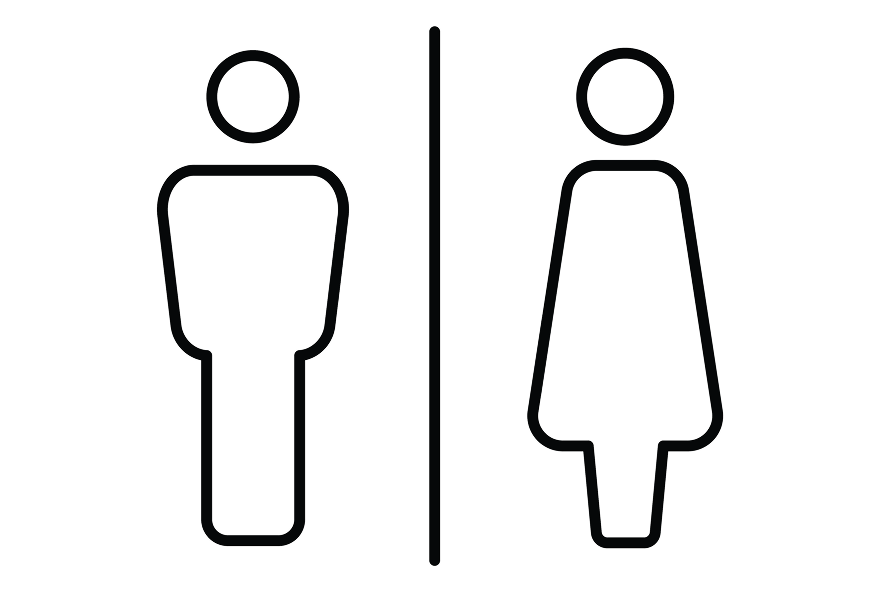
Many convenience stores provide restrooms that customers can use free of charge.
In some stores, it's polite to let a staff member know before using the restroom by saying:
「トイレを借ります」(Toire o karimasu) — "May I use the restroom?"
However, not every store requires you to ask.
Some locations also restrict restroom access for security reasons or do not have public restrooms at all.
If you use the facilities, buying a small item afterward can be a thoughtful gesture, although it isn't always required.
-
Don't Throw Household Garbage into Store Trash Bins
Convenience store trash bins are generally intended for waste generated by products purchased and consumed at the store.
Bringing garbage from home and disposing of it in these bins is considered inappropriate.
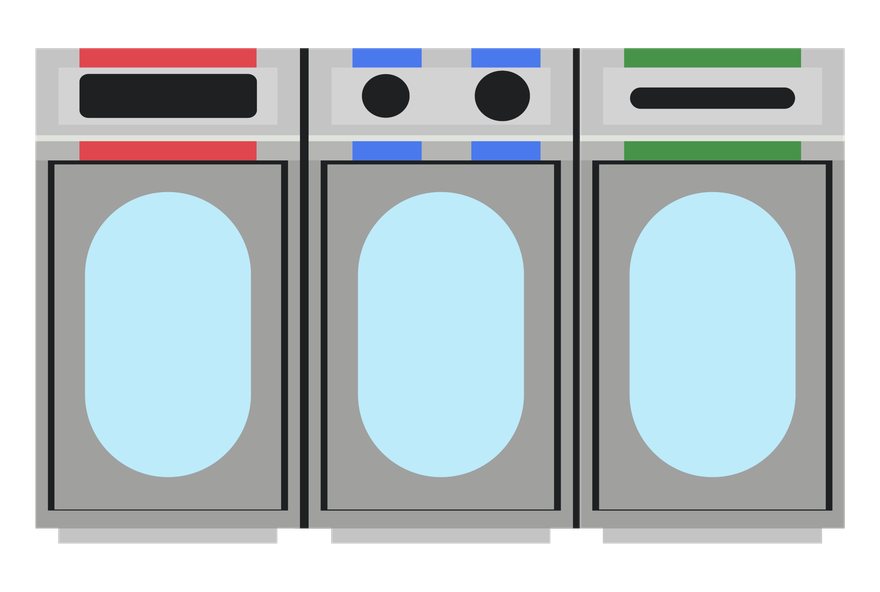
Always follow the store's waste separation rules, which may include separate bins for burnable waste, plastic bottles, cans, and glass bottles.
-
Avoid Making Noise Outside the Store
Convenience stores are often located near residential areas.
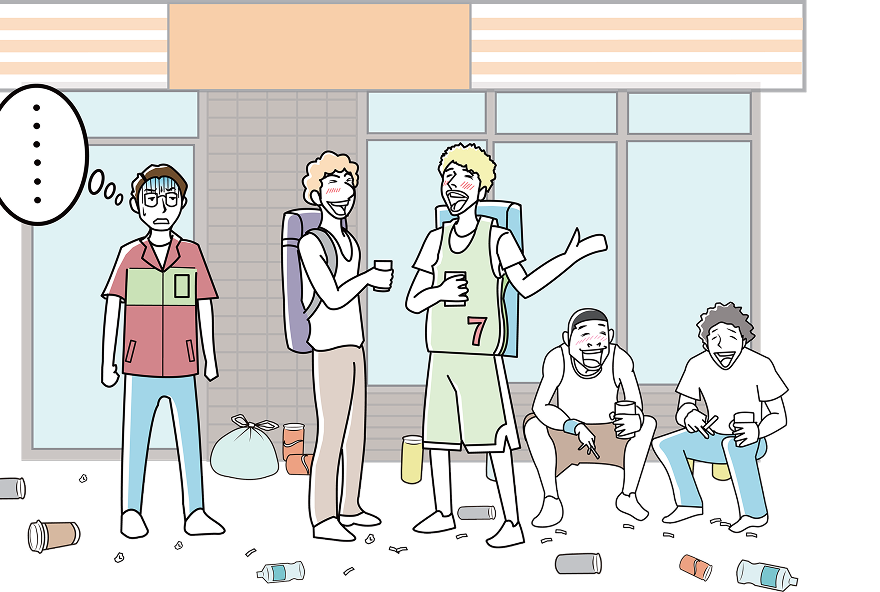
Gathering in large groups, speaking loudly, or sitting around the store entrance late at night can disturb nearby residents.
If a store has a designated eat-in area, use it when appropriate.
Otherwise, avoid blocking entrances, parking areas, or walkways.
-
Don't Open Products Before Paying
In Japan, you should generally pay for products before opening or consuming them.
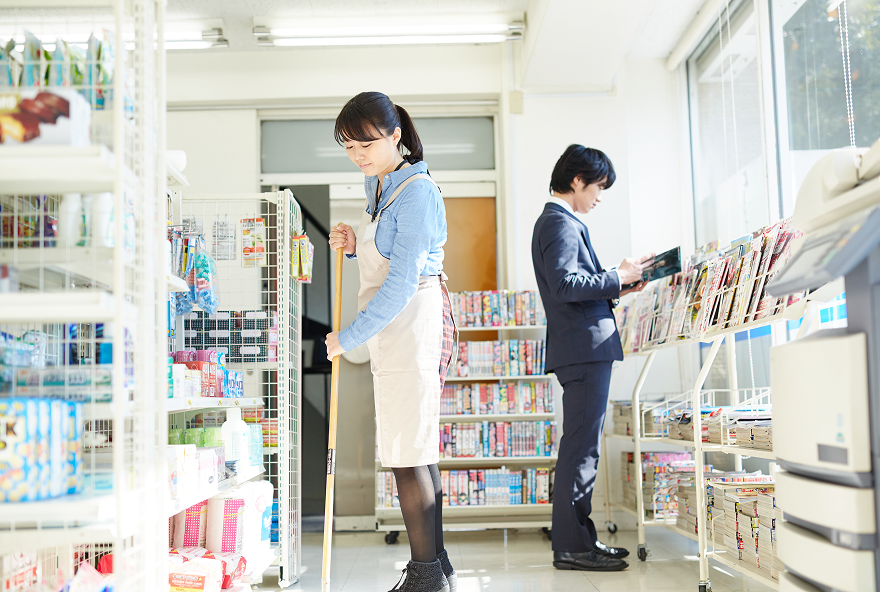
Reading magazines without purchasing them, known as tachiyomi (立ち読み), may also be discouraged or prohibited, especially when magazines are sealed or taped shut.
Be mindful of store policies and respect products that you haven't purchased.
Conclusion: When in Doubt, Your Local Konbini Might Have the Answer!
Japanese convenience stores are so much more than places to grab a quick snack.
From paying bills and withdrawing cash to sending packages, printing documents, and obtaining official certificates, they offer an incredible range of services that can make everyday life in Japan easier.
Once you're familiar with a few common checkout phrases and basic convenience store etiquette, you'll find that using a konbini is easy, even if your Japanese isn't perfect.
Whether it's the store near your home, office, or local train station, make the most of Japan's convenience stores and discover just how helpful they can be!