Visiting a Hospital or a Doctor's Office in Japan

There may come a time where you need to visit a hospital or a doctor's office in Japan. However, it can be a little intimidating to go to a hospital in a new country. There may be many aspects that are unfamiliar, such as how to make a reservation, using heatlh insurance, and language barriers. This article will guide you through the process of visiting a hospital in Japan.
Things to Be Aware of When Getting Medical Attention
Types of Medical Institutions
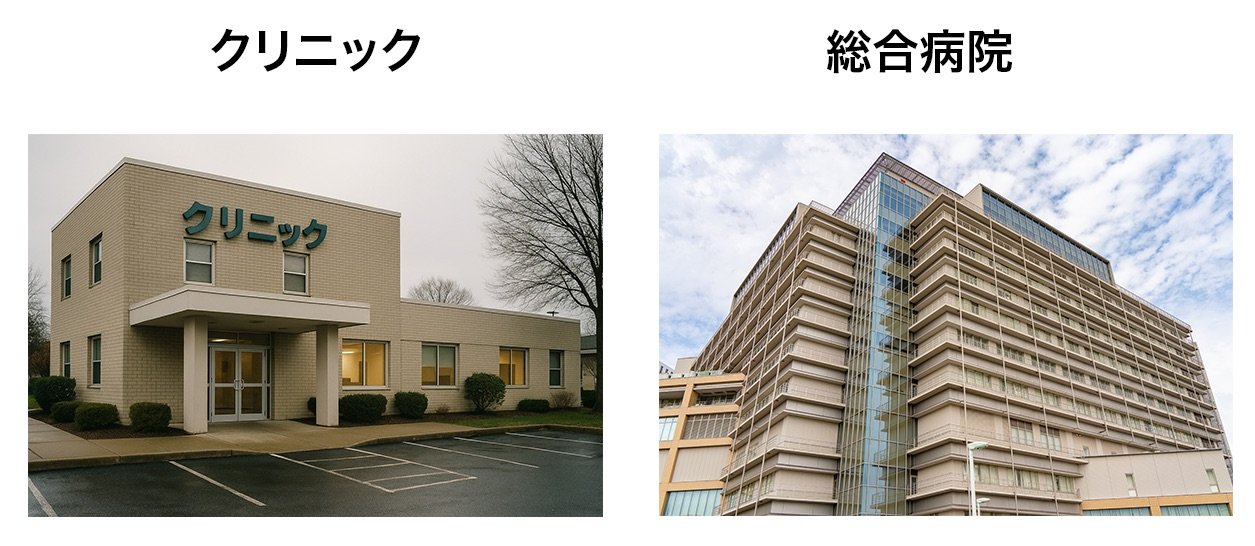
There are several diffrent types of medical institutions in Japan.
- Clinics: Treat everyday illnesses such as colds, as well as minor injuries.
- General hospitals and university hospitals: For serious illnesses or for specialized treatments.
Insurance Card Required
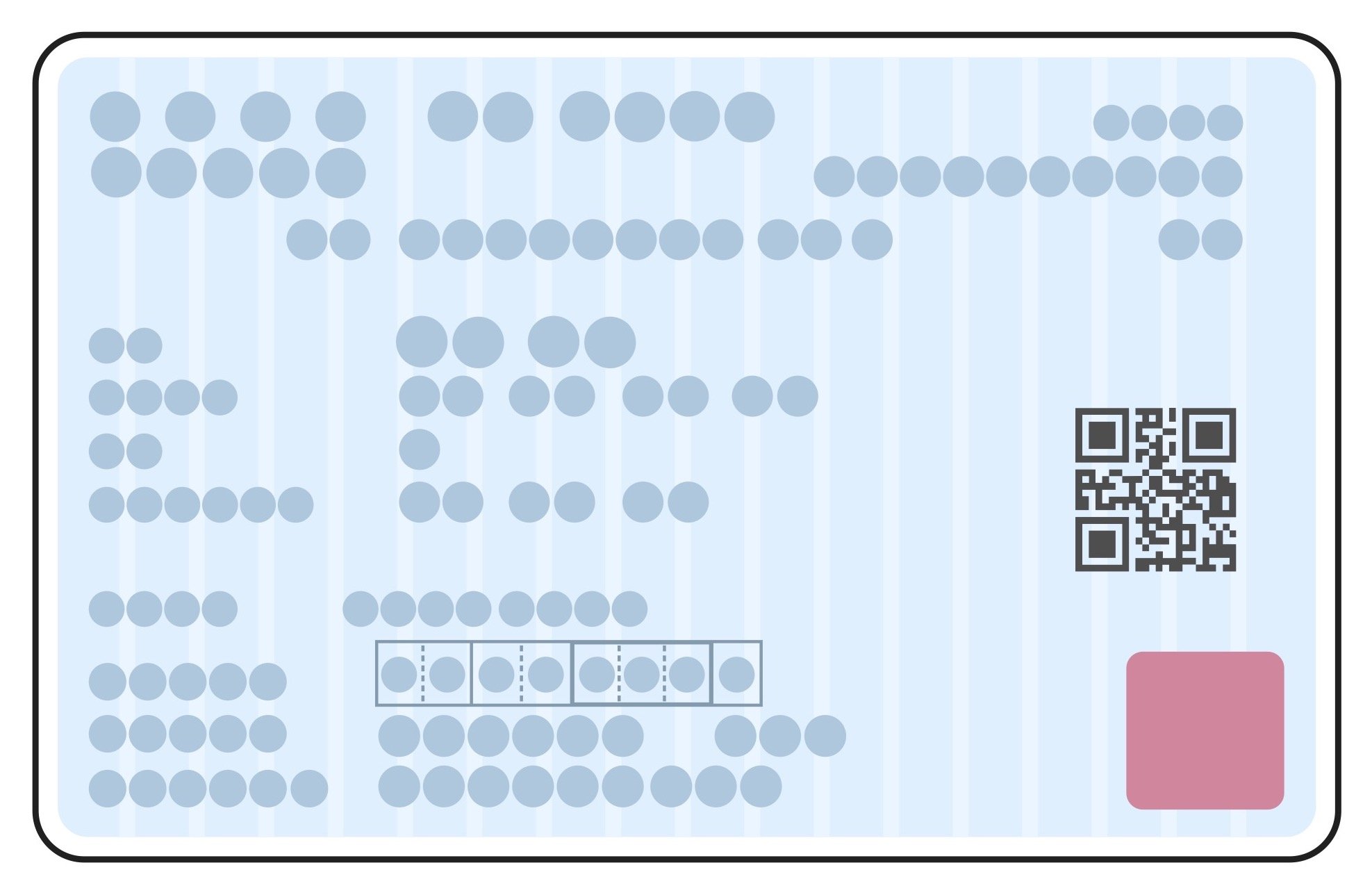
In most cases, Japanese employers enrol their employees into a health plan. In the case your employer does not enrol you into a plan, you will need to enrol into a national health insurance plan. For more information on this, please see the following article : Guide to Administrative Procedures for Starting Life in Japan
By showing your health insurance card at the reception, you can reduce your medical expenses; you will be paying for 30% of your total medical fees.
Steps to Visit a Hospital
1. Finding a Hospital or Clinic
- Internet - You can find them on applications such as Google Maps, or on your local foreign support center's website.
- Depending on your symptoms, you will be treated in different departments, such as internal medicine, surgery, or otolaryngology.
Example keywords: "●●Station Internal Medicine Clinic", "Foreigner Friendly Clinic"
2. Make a Reservation (if necessary)
- Smaller clinics may not require an appointment.
- General hospitals and popular clinics usually require advance reservations.
- Appointments can be made by phone or through the hospital's website.

3. Go to the Hospital / Clinic
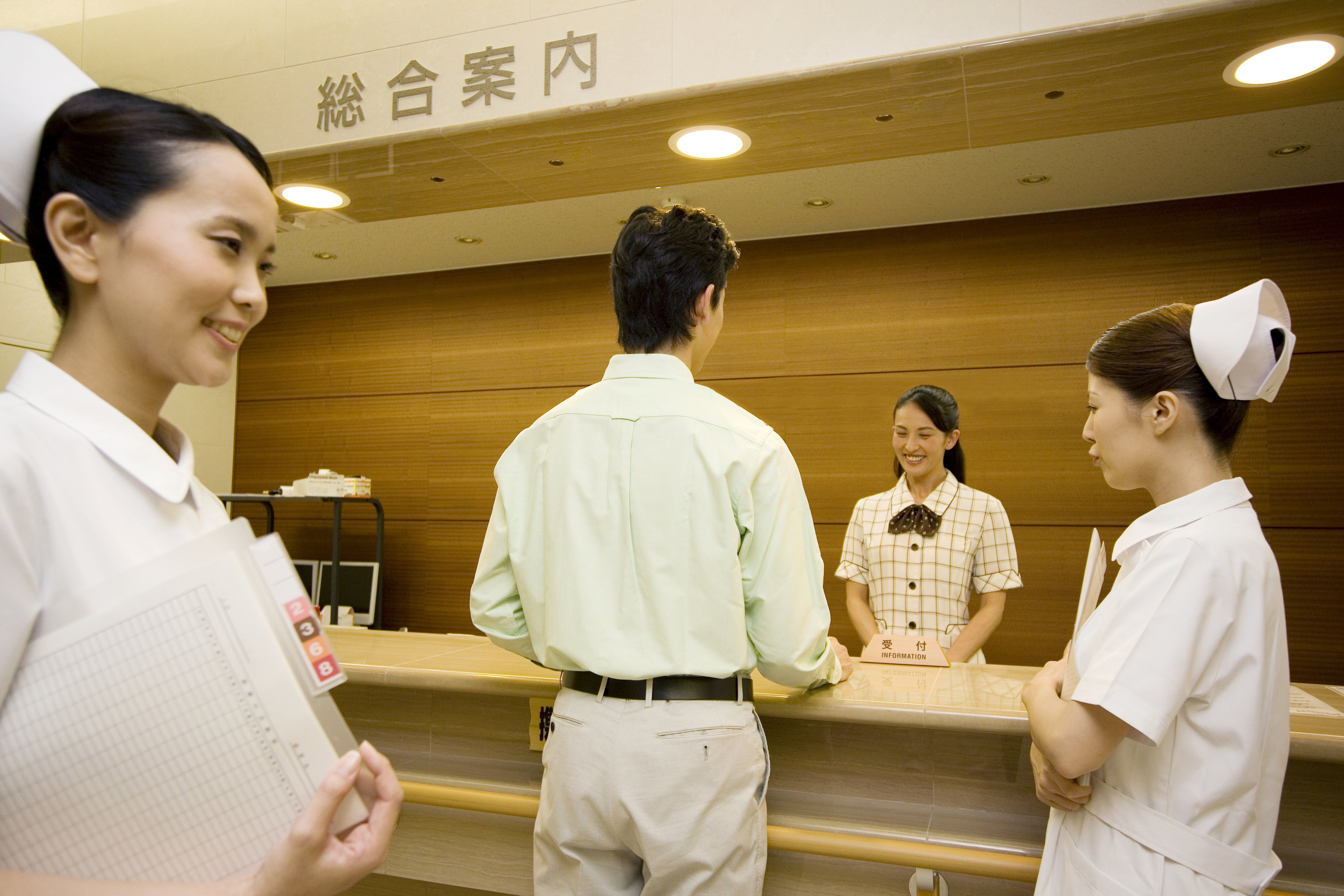
Please present the following at the reception:
- Health insurance card
- Residence card (if necessary)
- Consultation ticket (second time onwards)
If you are worried about communicating your symptoms and concerns in Japanese, inform the receptionist that you need an interpreter.
Commonly used Japanese phrases:
- "はじめてです" → First visit
- "○○がいたいです" → When describing a physical symptom (that something hurts)
- "英語の通訳はいますか?"→ "Is there an English interpreter?"
4. Get Examined
- When you are called, enter the examination room.
- Explain your symptoms to your doctor.
- If you're not confident in your Japanese skills, you can use a translation app.
5. Pay the Bill
- Once your examination is over, you will pay your fees at the reception.
- If you have health insurance, you will only have to pay 30% of your total fees.
example:5,000yen total fees → 1,500yen out of pocket payment.
6. Receive Medication
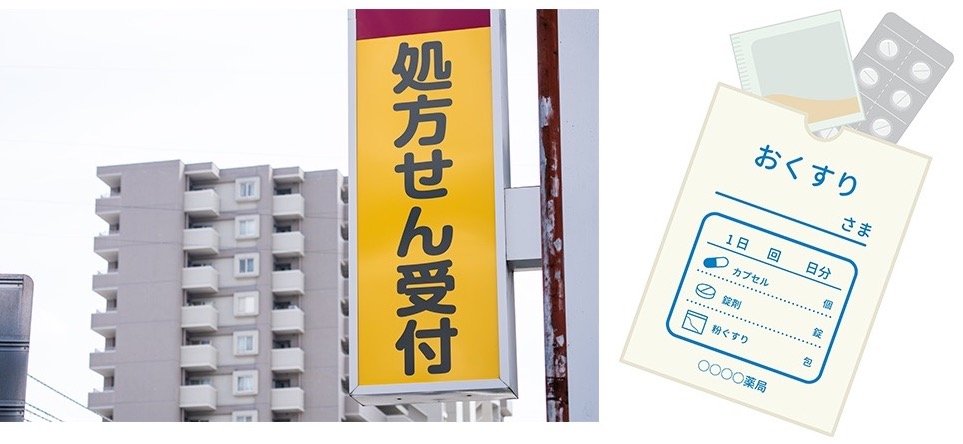
- You will receive a prescription from your doctor.
- Take the prescription to a nearby pharmacy. For details, please see this article: How to Get Medicine at Japanese Drugstores and How to Use Prescriptions
- A pharmacist will prescribe the medicine.
Common pharmacy phrases:
- "この薬はいつ飲みますか?"→ When should I take this medicine?
- "副作用(ふくさよう)はありますか?"→ Are there any side effects?
Support for Non-Japanese Speakers
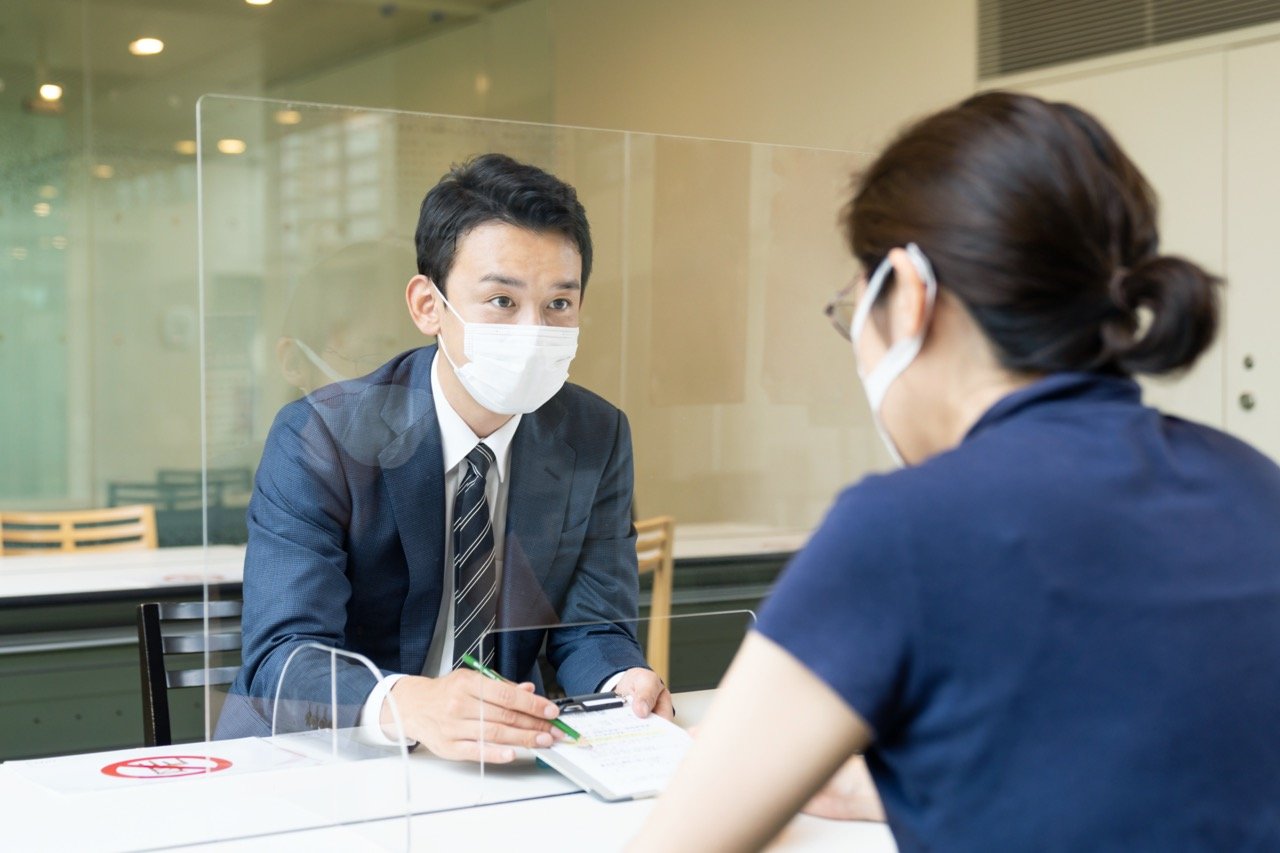
- Multilingual hospitals: There are hospitals that offer services in English, Chinese, Vietnamese, and other languages.
- Interpretation services: Free medical interpretation services are available in some areas.
Try searching for "multilingual hospital (多言語 対応 病院) + area name."
Where to Go for Advice When You're Unsure
- Foreigner Support Center
- City Hall's International Affairs Division
- NPO organization (multilingual support available)
In Summary
Going to the hospital in Japan may be a little scary at first, but if you know what to expect, it'll be less nerve wracking. If you have an insurance card, medical expenses will be cheaper, and there is also support available for those who are not confident in their Japanese speaking skills. The important thing is to go to the hospital as soon as possible, don't push yourself too hard or avoid going out of fear! There is help available for you.