Encountering an Earthquake: What to Do When the Ground Shakes – How to Respond During an Earthquake

Japan is one of the countries in the world most prone to earthquakes. While it is full of beautiful seasons and nature, we constantly live alongside natural disasters.Whether you are visiting or residing in Japan, it is important to ask yourself,
“If the ground suddenly began shaking violently, would I be able to stay calm?”
It is natural for foreigners who are not used to earthquakes to feel afraid. However, if you know what to do, you will be able to protect yourself. This article explains what you should do so that in the event of an earthquake, you will be able to stay calm and get yourself to safety.
STEP 1: During the shaking (0 ~ 2minutes)
“Do nothing at first - just take cover.”
When you feel the tremor, do NOT run outside or rush to turn off flames.
Practice the “Shake Out” method:
- DROP: Keep your center of gravity low to avoid falling. Immediately lower your posture.
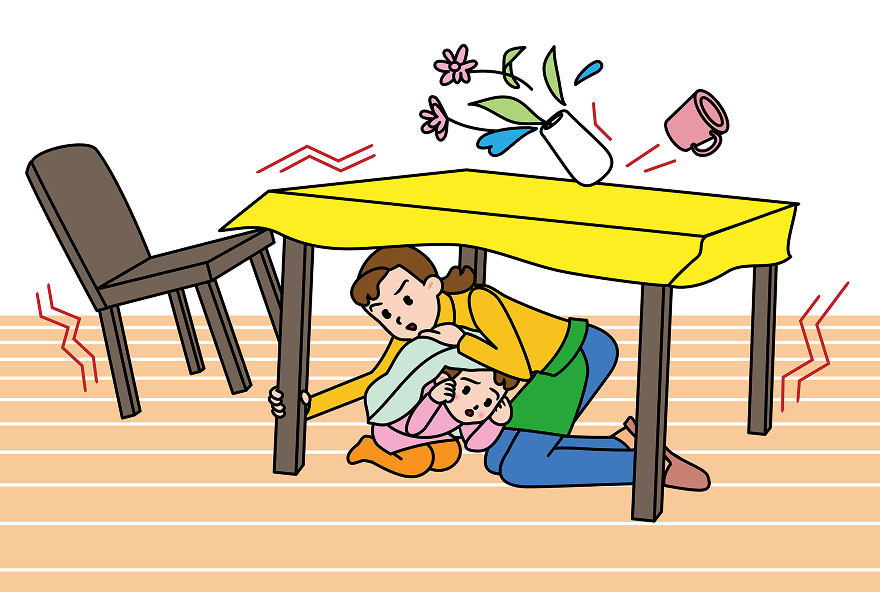
- COVER: Take cover under a desk or table to protect your head and body from falling objects. If there are no desks nearby, shield your head with a bag or cushion.
- HOLD ON: Stay put and hold onto something, such as the table legs, to stabilize yourself until the shaking stops.
STEP 2: After the shaking stops (2 - 5 minutes)
“Open exits and put on shoes.”

Even if the initial tremor stops, do NOT assume it is now completely safe. Aftershocks (“yoshin”) may occur.
- Open doors :
Earthquake damage can warp doors/ doorways, making them difficult to open. Secure an escape route by opening doors and windows.
-
Put on shoes :
Glass shards and other sharp objects such as pieces of chinaware, may be scattered across the floor. Prevent injuries by putting on slippers or shoes immediately.
-
Extinguish flames :
If you were in the middle of cooking or otherwise had flames open, now is the time to put out the fire.
The Correct Actions to Take, Based on Different Locations
When an earthquake occurs, the way you protect yourself depends on where you are.
1. If you are in an elevator
Elevators are one of the most stressful places to be during an earthquake, as it feels there is no escape. Take the following steps as soon as you feel shaking:
-
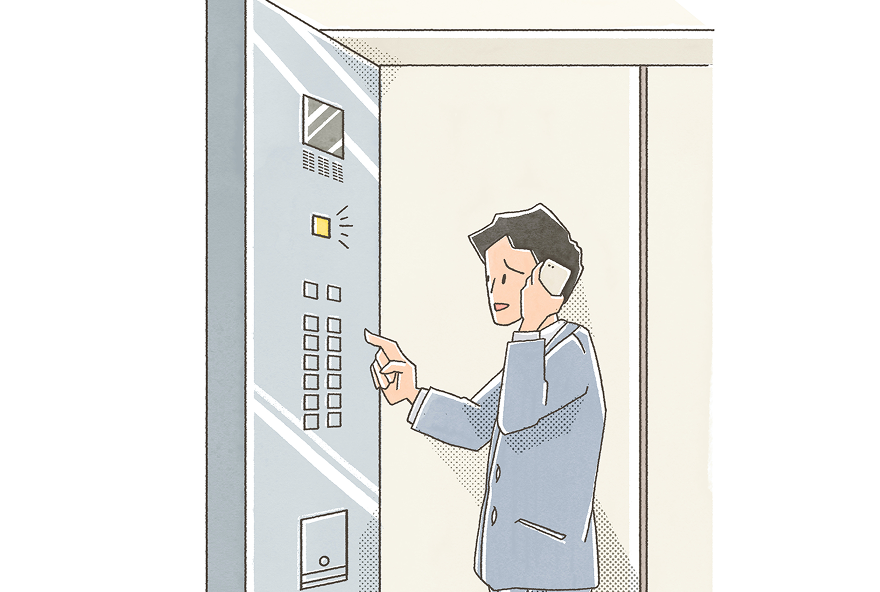
Press all floor buttons :
Any floor will do - try to get the elevator to stop at the nearest level, so that you can get out immediately.
-
Do not force the doors open:
If you are trapped, do not try to pry the doors open - it’s dangerous. Press the Emergency button to contact outside help and wait for assistance.
2. If you are on a train
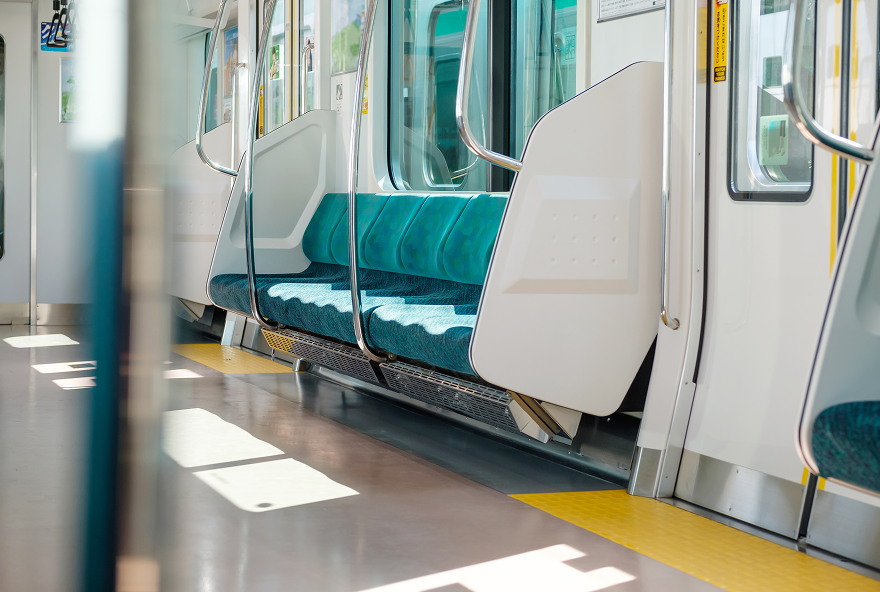
Japanese trains automatically apply emergency brakes if strong shaking is detected.
-
Hold onto handrails :
Grip the dangling straps or railings firmly to avoid falling during the sudden stop.
-
Do not go outside :
Never open the doors and step onto the tracks - it is understandable to want to do this out of fear, but do not do this. Trains may be coming from the opposite direction, which is extremely dangerous. Wait inside until the conductor makes an announcement.
3. If you are in a convenience store or supermarket
These places pose high risk, as it is filled with items that can fall from above.

- Protect your head with a basket :
Use a shopping basket as a helmet and crouch down away from shelves.
-
Do not rush to the exit :
Running to the exit in a panic can cause collisions with others, leading to a domino effect. Stay put until the shaking stops.
How to Find Evacuation Sites
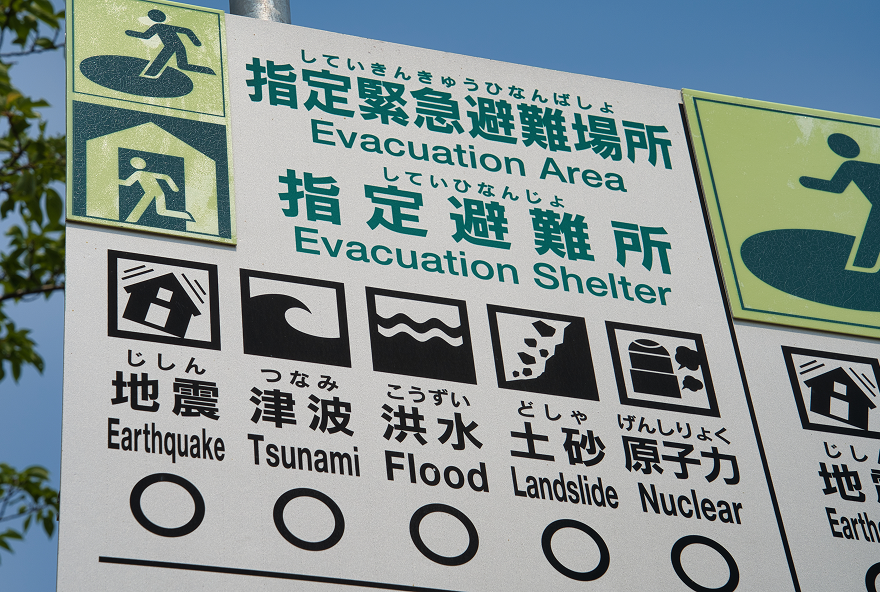
If your home is at risk of collapsing, or if there is a risk of a tsunami, you need to move to a safe location. These places are called evacuation shelters.
1. Search on Google Maps
The easiest way is to use your smartphone. Open Google Maps and search for “Evacuation shelter” or “Hinanjyo”. Nearby elementary schools and parks will be shown.
2. Look for “green signs” in the city
Japanese towns have signs indicating evacuation sites. Look for a green background with a running person symbol. It’s a good idea to check and be aware of where these signs are when you walk around in your day to day life.
3. Familiarize yourself with known “temporary refuge facilities”
Large train stations, department stores, and hotels sometimes serve as temporary refuge facilities for people unable to get home. Instead of forcing your way back home, you can enter a nearby large, safe building and wait for further information.
Important: Protect Yourself from Crime
Japan is a generally safe country, but during disasters, criminals may take advantage of the chaos to commit pickpocketing or burglaries. When the city is under a state of panic, it is especially important to stay calm and pay attention to the following:
-
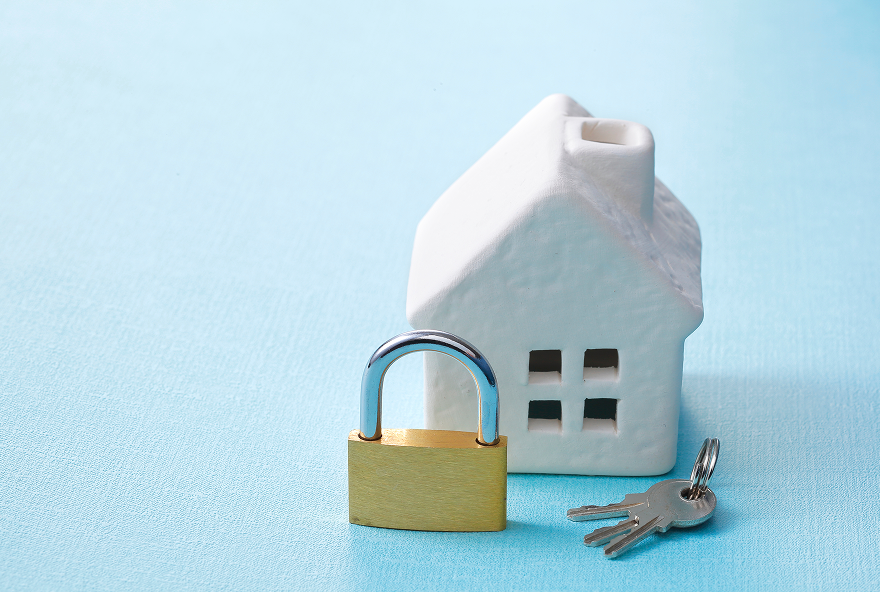
Lock your home before leaving :
Even if you are in a hurry, make sure to lock your doors before evacuating.
-
Keep valuables on your person :
Carry your passport, Residence Card, and wallet on your body in a bag like a crossbody or sling bag - don’t leave them in a backpack.
-
Protect your belongings at evacuation shelters :
At shelters crowded with many people, avoid leaving your items unattended, even briefly, such as when going to the restroom.
Japanese Phrases to Remember to Protect Your Life
During a disaster, English announcements may not be broadcasted immediately. It’s useful to know the meaning of words shouted by Japanese people around you:
- 「Jishin da!(地震だ!)」 = (It’s an) Earthquake!
- 「Nigete!(逃げて!)」 = Run / Evacuate!
- 「Tsunami da!(津波だ!)」 = Tsunami is coming! / It’s a Tsunami!
- 「Ochitsuite(落ち着いて)」 = Calm down.
Summary
You cannot prevent earthquakes, but you can prevent injuries and further problems that may ensue from being a state of panic during a natural disaster.
Remember this from now on: “When it shakes, protect your head first.”
This knowledge will serve as a protective charm to keep you and your loved ones safe.