Introducing Japan's Special Year-End Event, "Omisoka"
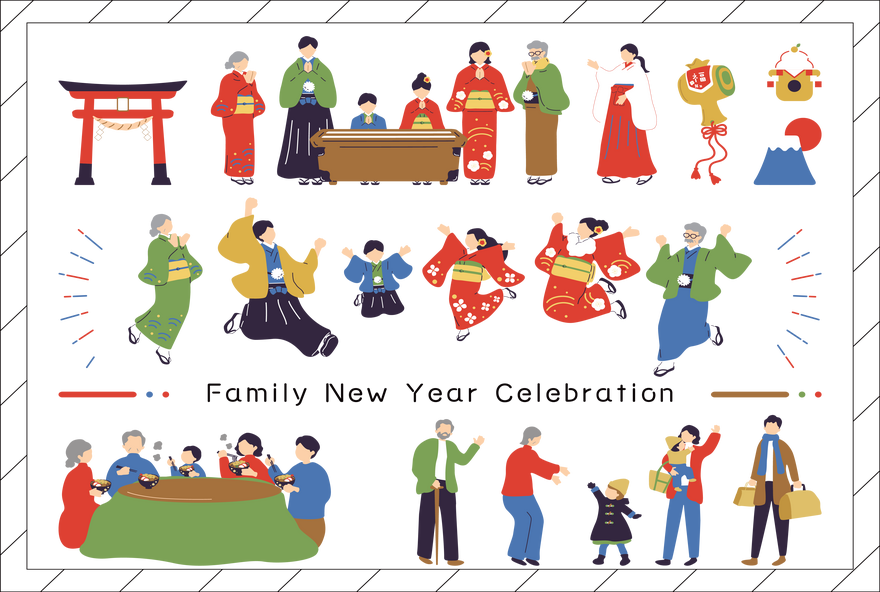
The Japanese cities are sparkling and lively until Christmas, but the atmosphere switches drastically the day after Christmas. This is because Japan has a special day to mark the end of the year called Ōmisoka (New Year’s Eve). This article introduces how Japanese people traditionally spend December 31st, a day that holds great importance in Japan.
What is Omisoka?
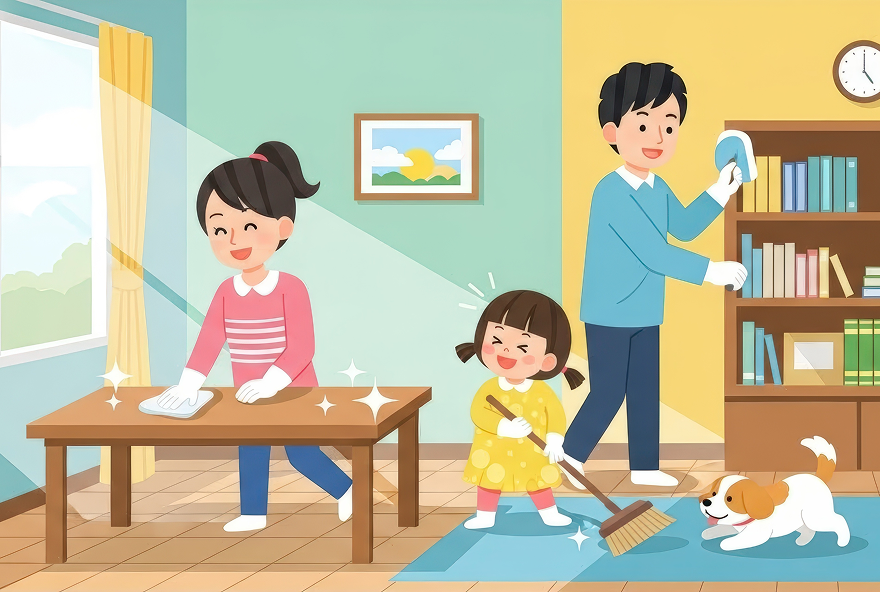
December 31st, or New Year's Eve, is called "Omisoka" in Japan. Unlike countdown parties filled with cheers and celebration, Japanese New Year’s Eve is a rather quiet day spent cleaning the home, relaxing with family, and mentally preparing to welcome the new year. It is considered an important time to "purify both mind and body" in order to welcome Toshigami-sama, the deity believed to bring blessings for the coming year.
★ A Quick Fact Check!
- Date: December 31st
- Purpose: Expressing gratitude for the past year and preparing for the New Year
- Atmosphere: Calm, quiet, and family-oriented
A Must-Try! Japanese Year-End Traditions
1. Eat "Toshikoshi Soba"
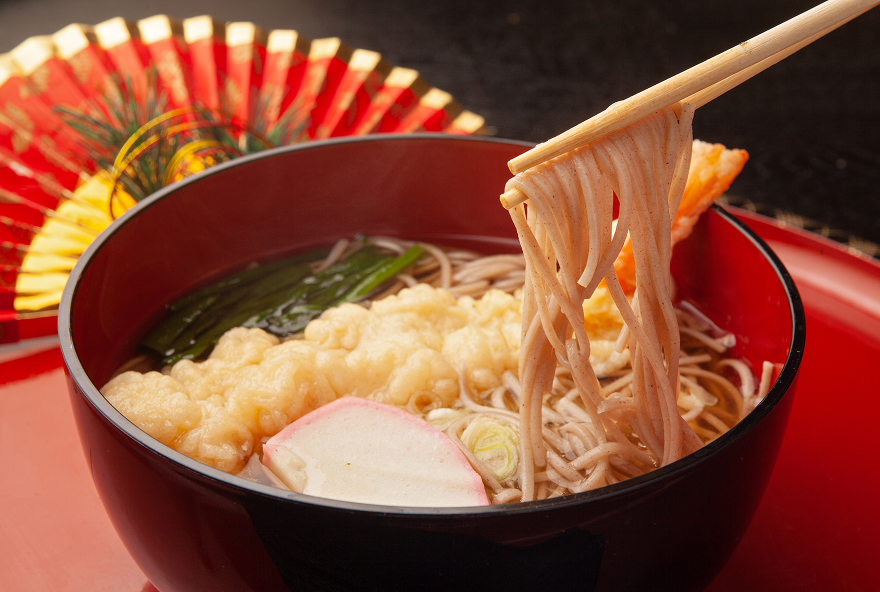
It is customary to eat soba noodles on New Year's Eve. There are two reasons as to how this custom came about.
- Reason 1 : Soba noodles break easily, which is meant to symbolize cutting off the hardships and bad luck of the past year.
- Reason 2 : Because the noodles are thin and long, they represent a wish for a long life in good health.
Soba restaurants are very busy on this day, so if you wish to avoid the crowd / the risk of not being able to get any soba at a retaurant -buying instant soba at a supermarket or convenience store and eating it at your hotel is also a perfectly authentic Japanese experience!
2. Listen to the "Joya no Kane" (New Year's Eve Bell)
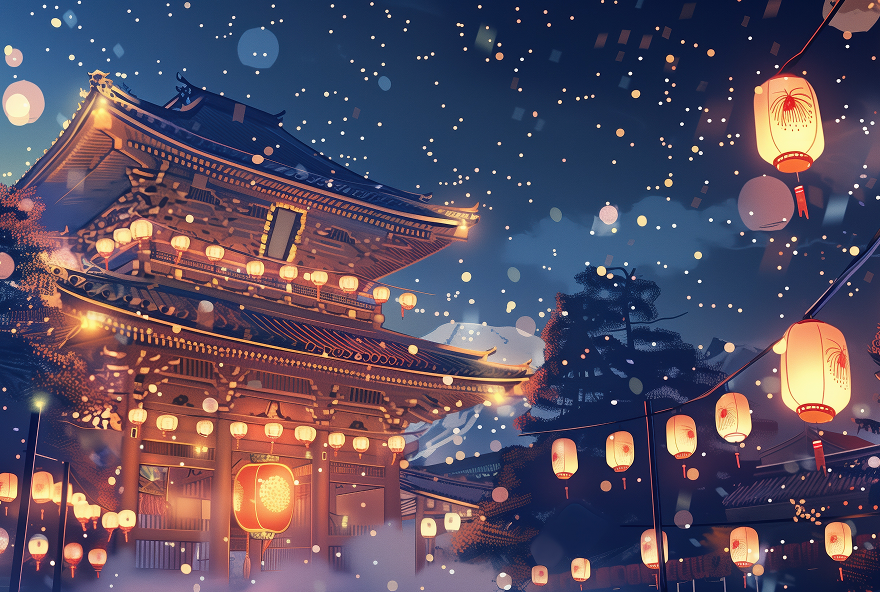
As midnight on December 31st approaches, the deep gong sound of temple bells can be heard. This is called “Joya no Kane”. The bell is rung 108 times, a number said to represent the earthly desires and negative emotions in the human heart, such as anger and greed. People believe that listening to the bells is a cleansing ritual to rid themselves of these impurities, and that is allows them to welcome the New Year with a calm, pure state of mind.
Ways to Enjoy Omisoka
Late-Night First Shrine Visit (Hatsumōde)
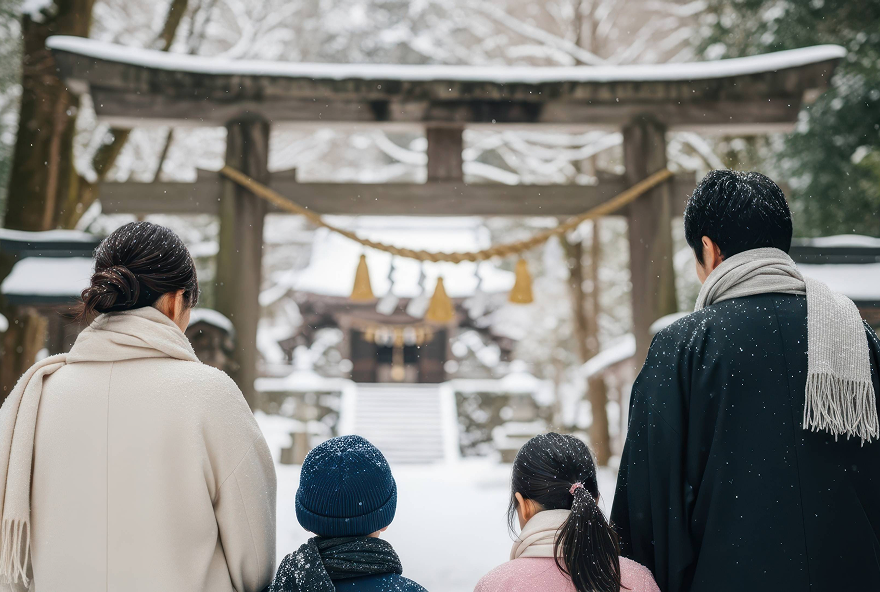
From the night of December 31st into the morning of January 1st, some train lines run on special schedules in some areas, such as Tokyo and Osaka. After listening to Joya no Kane, consider heading straight to a shrine or temple for “Ninen Mairi.” Nine Mairi is the custom of visiting a shrine or temple across midnight - from New Year’s Eve into New Year’s Day - allowing people to express gratitude for the past year and make wishes for the new year ahead, in a single visit. Food stalls are often set up as well, creating a festive, almost matsuri-like atmosphere.
Department Store Basement Food (Depachika)
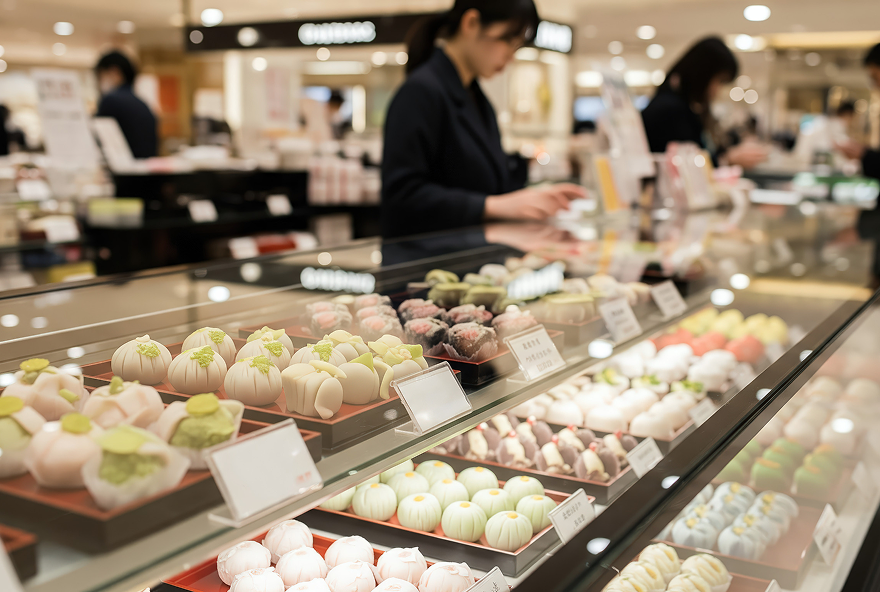
The food halls located in the basements of department stores - known as “depachika”, short for “Department Store Chika (Basement)”- are filled with luxurious bento boxes and sweets at the end of the year. Since some stores close earlier than usual, it’s a good idea to go early and pick up delicious Japanese food to enjoy back at your hotel.
Tips and Etiquette
- Be Careful of Store Operation Hours
In Japan, many shops are closed on January 1st (New Year’s Day). Some restaurants and supermarkets may also be closed, so it’s best to secure food and drinks in advance.
- Dress Warm
Shrines and temple grounds are usually outdoors, and thus can be very cold late at night. Be sure to bundle up with hats, gloves, and kairo (disposable hand warmers).
- Have a Quiet Visit
Shrines and temples are sacred spaces for many. Please be respectful, avoid making too much noise or speaking too loudly. If praying, please do so quietly.
In Conclusion
Japanese New Year’s Eve may not involve flashy parties, but it is a deeply meaningful and beautiful tradition that reflects the Japanese spirit. By eating Toshikoshi Soba and listening to the Joya No Kane, visitors can experience the heart of Japanese culture.