How to Spend Oshogatsu (New Year's Day) in Japan
There is an essential event that cannot be missed during the Japanese winter: Oshōgatsu (New Year’s), one of the most important traditional celebrations of the year.
More than just a change on the calendar, it is a time when families come together to welcome Toshigami-sama, the deity believed to bring happiness and good fortune for the new year. It can be described as Japan’s largest and most culturally rich form of celebration.
The History of Oshōgatsu: Special Preparations to Welcome the Deity
The origins of Oshōgatsu lie in welcoming Toshigami-sama, the deity believed to protect the year’s harvest and the health of the family, into one’s home.
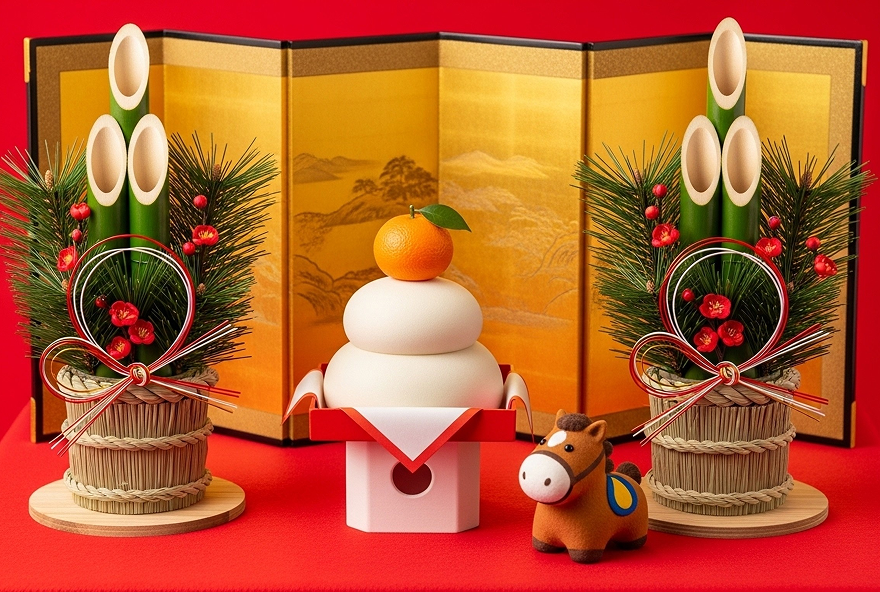
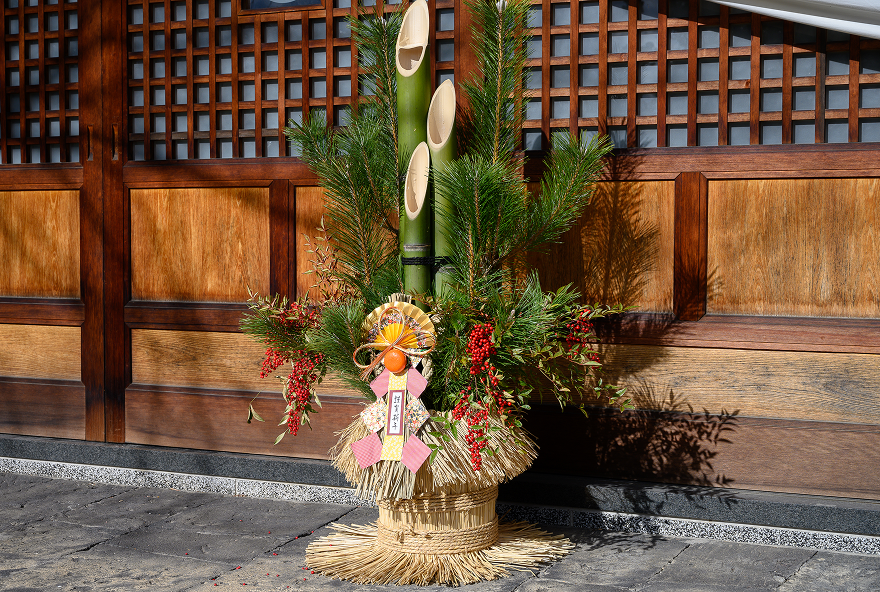
In fact, traditional decorations such as kadomatsu (pine arrangements) and kagami mochi (round rice cakes) are all meant to serve as markers, guiding the deity safely to the household.
What Does “Akemashite Omedetō” Mean?
“Akemashite Omedetō” is a greeting born from the joy of safely welcoming a new year and from gratitude toward the gods. Traditionally, the Japanese New Year was a quiet and sacred time to recharge one’s spirit and receive renewed life energy for the year ahead.
★ Quick Fact Check!
- Origin: An ancient belief centered on welcoming “Toshigami-sama”.
- Purpose: Praying for a good harvest, health, and happiness in the coming year.
- How it is spent: Gathering with family, enjoying Oshōgatsu-special foods, and spending the time calmly and peacefully.
What Makes Oshōgatsu Special? Three Unique Highlights
1. The Beauty of Osechi Ryōri
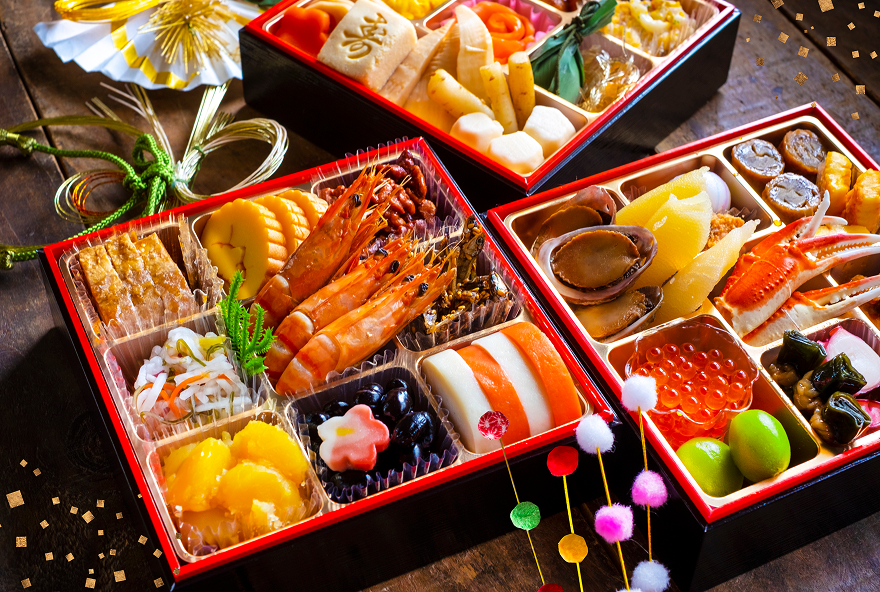
One of the greatest joys of the New Year is osechi, a true masterpiece of Japanese food culture. Packed into elegant tiered boxes (jūbako), each ingredient carries a symbolic meaning - shrimp for longevity, kuri-kinton for wealth, and many more.
Enjoying its beauty, often described as a work of art, while embracing good fortune makes osechi the ultimate New Year’s dining experience.
2. The Energy of Hatsumōde
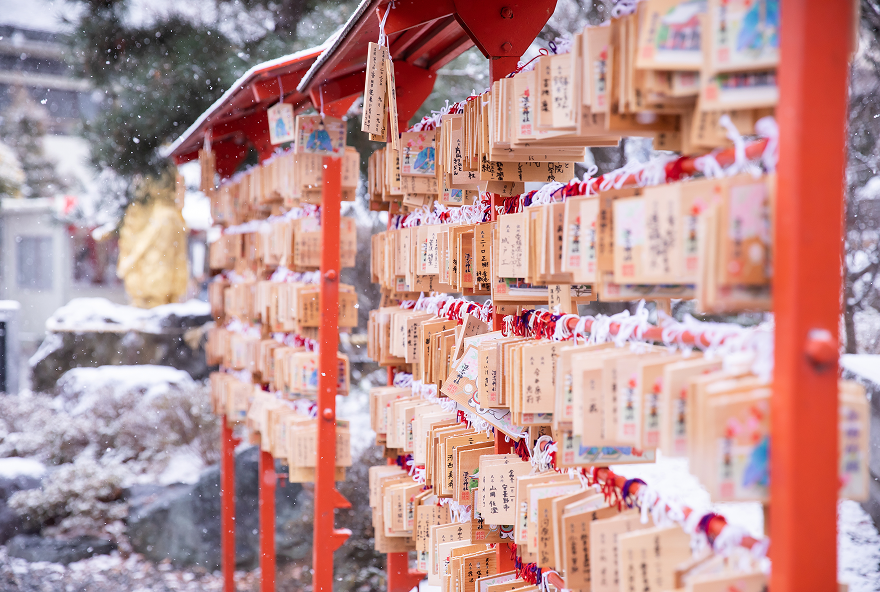
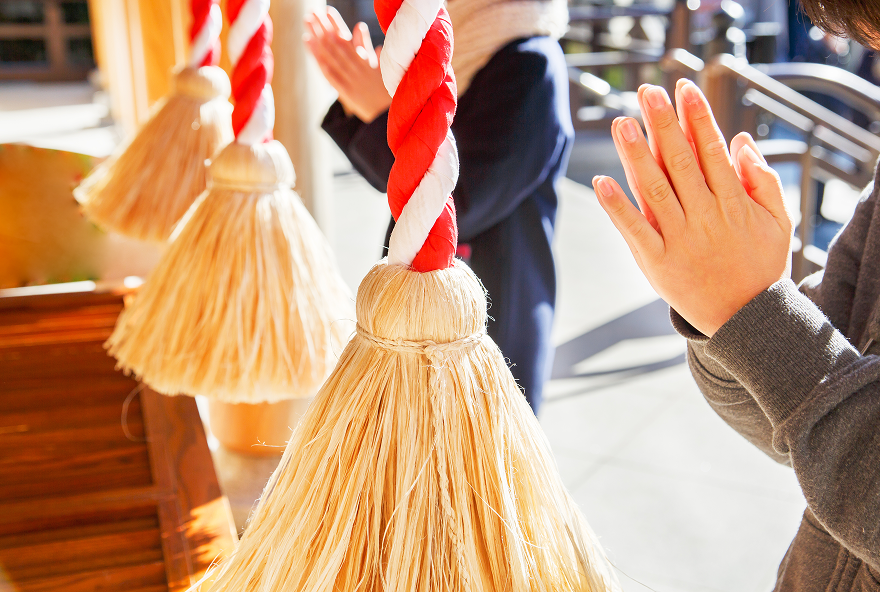
The first visit of the year to a shrine or temple is called hatsumōde. Places that are usually quiet become filled with crowds and excitement during this time.
The moment of offering a coin, ringing the bell, and praying for the year ahead - traditionally with two bows, two claps, and one final bow at shrines - can feel like a powerful reset of one’s own energy.
3. Fukubukuro and New Year’s Sales
A distinctly modern New Year’s tradition in Japan is shopping at department stores and retail shops. Fukubukuro, or “lucky bags,” are filled with surprise items at incredible value, making them a fun way to test one’s luck for the year ahead.
The coexistence of quiet traditions and lively commercial culture is a uniquely Japanese New Year’s scene.
A First-Time Guide to Experiencing Oshōgatsu
Visit Shrines and Temples
Meiji Shrine in Tokyo and Fushimi Inari Taisha in Kyoto are among the most popular destinations for hatsumōde, competing for the highest number of New Year visitors in Japan.
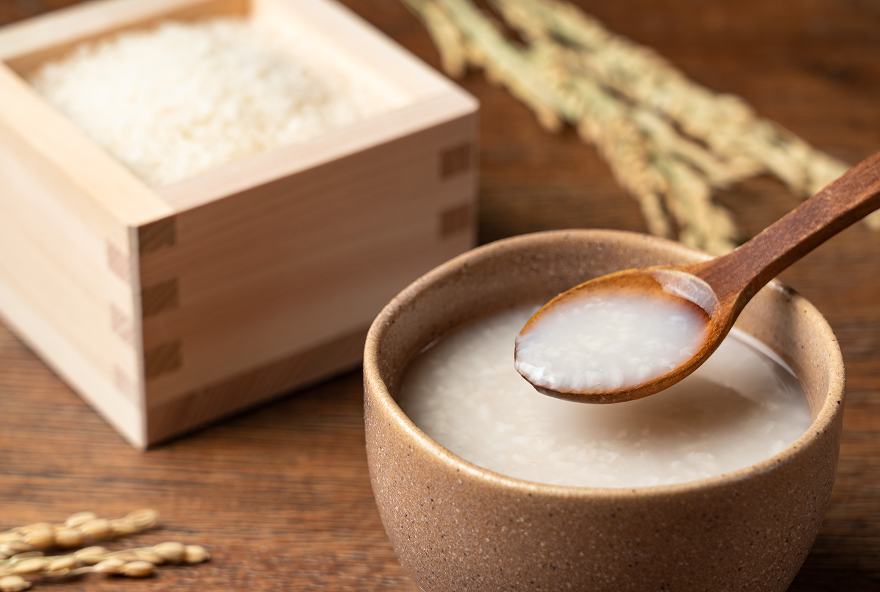
In addition to the beauty of the buildings and torii gates, enjoying amazake from food stalls is an almost otherworldly experience.
Tips for Enjoying the Experience
-
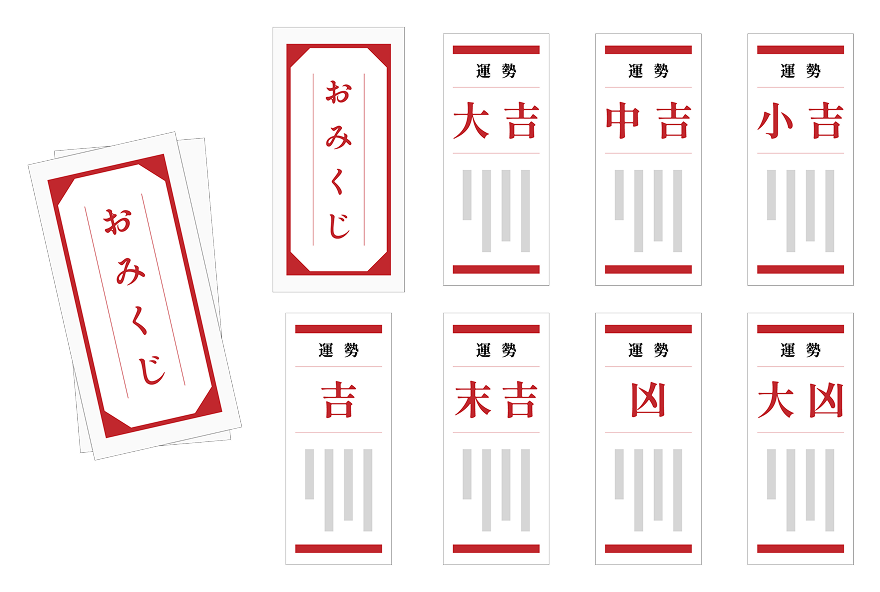
Draw an omikuji (fortune slip):
Try predicting your luck for the coming year.
An increasing number of shrines and temples now offer English-language omikuji.
"Daikichi" is considered the best fortune, and if you draw a "Daikyou" it is considered that you should beware of bad luck.
- Eat "Ozoni"
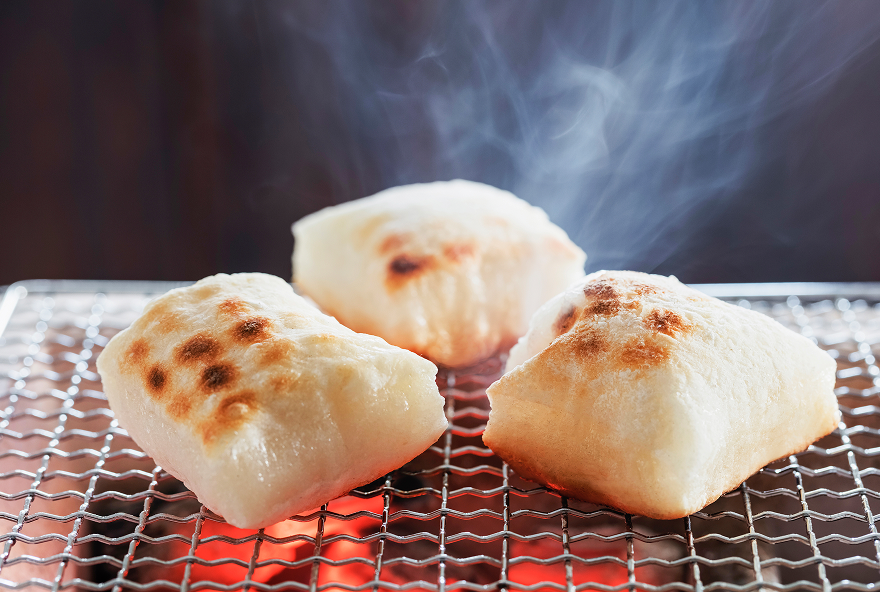
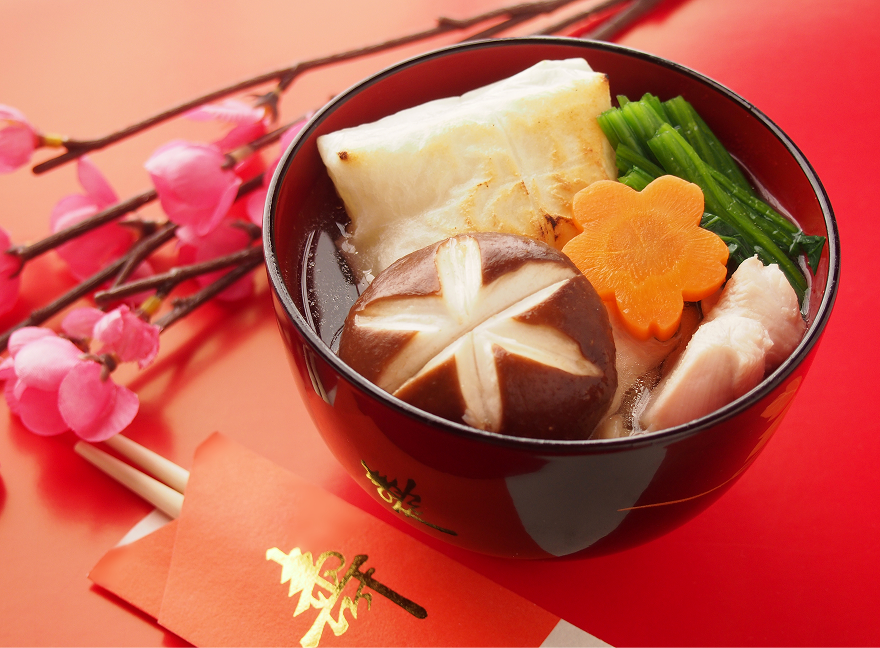
On New Year’s Day, eating ozōni - a soup containing mochi - is a classic Japanese way to celebrate.
New Year's rice cakes are very sticky and can easily get stuck in your throat. As a precaution, the following will make it safer to eat:
- Cut the mochi into small pieces before consuming.
- Moisten your throat first with tea or with another drink or soup.
- Chew well and eat slowly.
Advice and Etiquette
-
Greet the deities quietly :
While visiting shrines or temples, refrain from unnecessary conversation
-
Prepare for the cold :
New Year visits often involve long waits outdoors.
Be sure to dress warmly and bring items such as coats, gloves, and kairo (disposable hand warmers).
Conclusion
Oshōgatsu is a special time when timeless traditions continually reveal something new. Filled with centuries of gratitude and prayer, it is the week when Japan shines at its brightest.
Take the opportunity to immerse yourself in this atmosphere - you’ll be rewarded with a wonderful start to the new year. Wishing you a happy and prosperous year ahead.