How to send money from Japan to overseas? Recommended methods and tips to save on fees
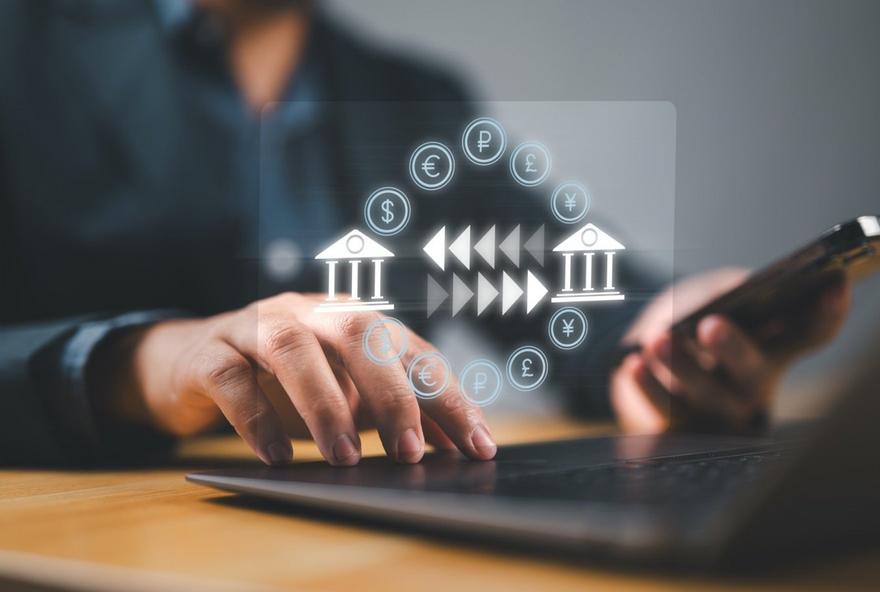
For many foreigners working in Japan, sending money back home to support their families is extremely important.
At the same time, common concerns include:
- High transfer fees
- Complicated procedures
- Lack of support in English or one’s native language.
This guide explains the main methods for sending money abroad from Japan, tips for keeping costs low, and the general steps involved in making an international transfer.
3 Ways to Send Money From Japan to Your Home Country
There are largely 3 main ways to send money from Japan to your home country. It’s a good idea to be thoroughly knowledgeable in all of them, and choose the method that suits you best.
1. Through a Bank Teller
This method involves completing the transfer at the counter of a major Japanese bank (megabank) or Japan Post Bank.

-
Pros
• A bank staff member guides the process, providing a sense of security
• Large amounts of money can be sent at once
- Cons
• Administrative fees are often high, usually from several thousand yen
• It may take a while, usually about one week, for the money to reach the recipient
- Recommended for:
• People who are not comfortable with online banking
• Those who need to send large payments such as tuition
2. Sending Money via Online Banking or ATM
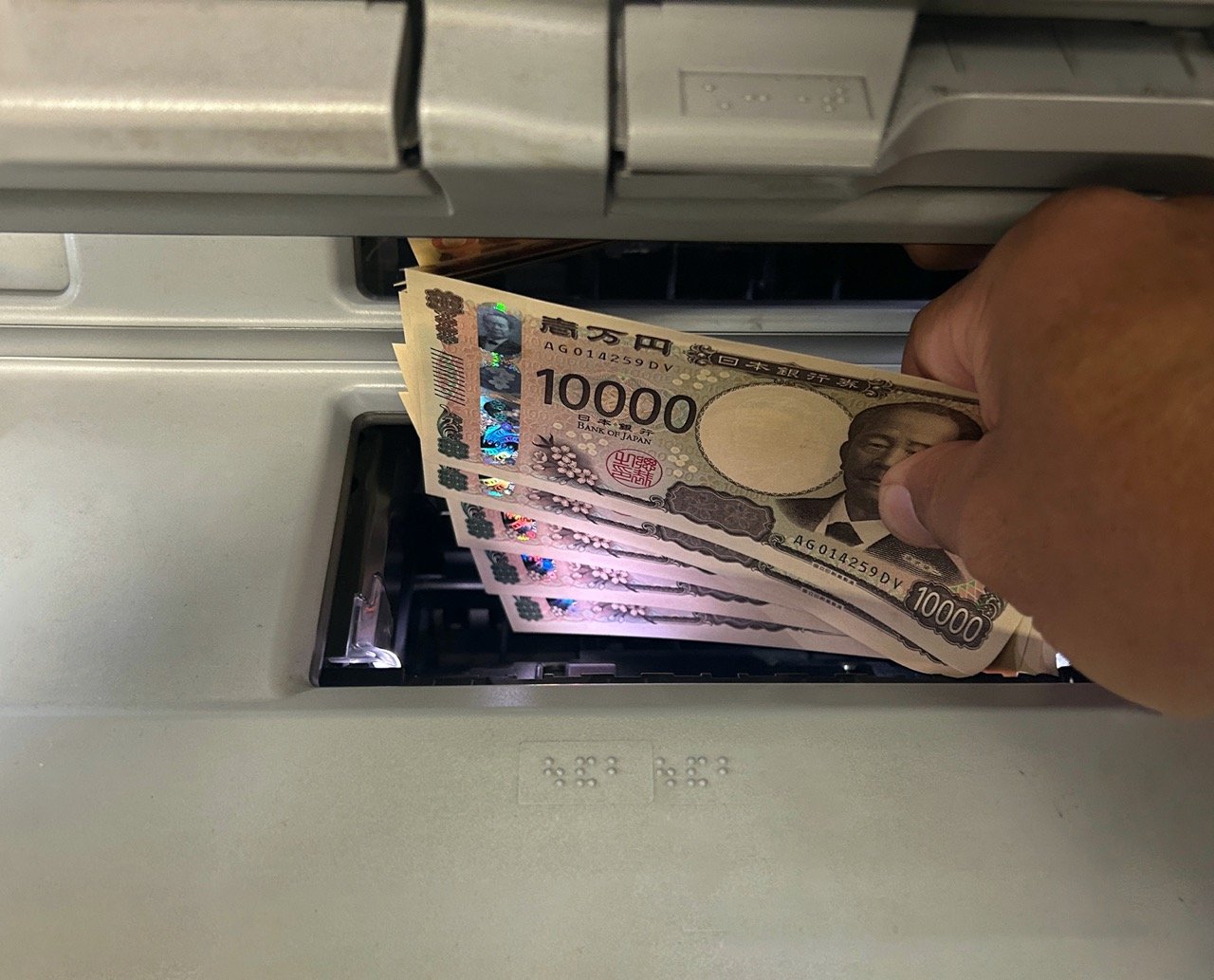
This method uses a bank’s online service or an ATM, such as Seven Bank or Japan Post Bank’s “Yucho Direct.”
- Pros
• Very convenient - transfers can be made anytime, 24 hours a day, from a smartphone or a nearby convenience store
- Cons
• Very convenient - transfers can be made anytime, 24 hours a day, from a smartphone or a nearby convenience store
- Recommended for:
• People who are working during banking hours and find it difficult to find a time to visit a bank in person
3. Using International Money Transfer Services (Money Transfer Apps)
Services such as Wise, Western Union, or SBI Remit are used for this type of transfer.

- Pros
• Lower administrative fees compared to banks, and often better exchange rates
• Fast delivery - the recipient can often receive the money within minutes to one day
- Cons
• Requires getting used to operating the app
- Recommended for:
• People who want to save on fees
• Those who send living expenses to family members every month
Don’t Lose Out Without Realizing It: How Transfer Fees Really Work
Even if a service advertises “low fees,” the amount that actually reaches your family can end up being surprisingly small. There are two key points to watch out for:
① Remittance Fee :
The basic fee you pay when sending money.
② Exchange Rate :
The rate used when converting Japanese yen into your country’s currency. This rate actually differs depending on the bank or service. Even if the fee is “free,” you might lose money if the exchange rate is poor. That’s why it’s important to check how much the recipient will actually receive in the end.
Steps to Start Sending Money Abroad
For those sending money overseas for the first time, the preparation process can take a bit of time. It is best to get everything ready in advance. If you have any questions or concerns, the bank or Japan Post Bank (Yūchō) can provide guidance.
Step 1: Create an Account (Membership Registration)
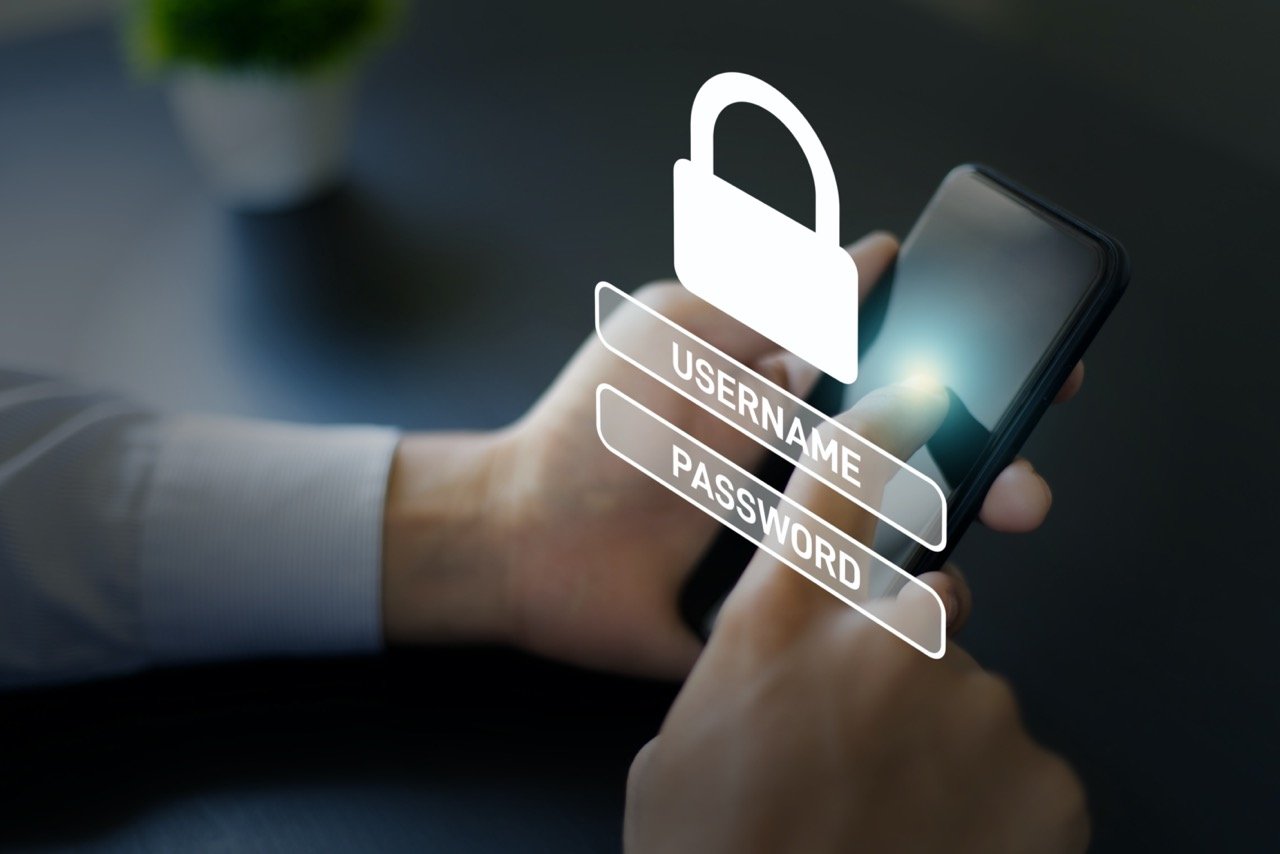
Register either at the bank, or by downloading the bank’s app and entering the required information.
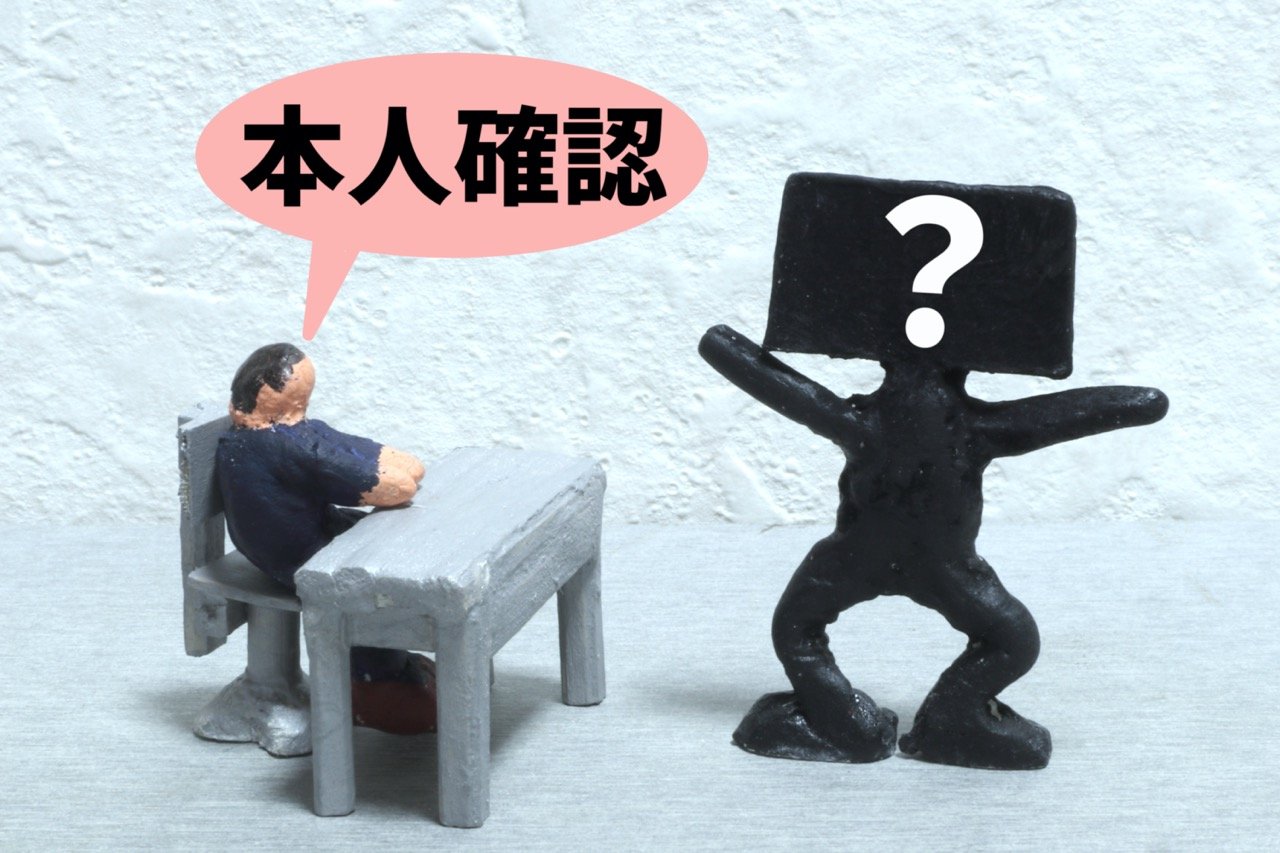
Step 2: Complete Identity Verification
Japan has strict identity verification rules to prevent financial crime. The following documents are required:
- Residence Card
Please make sure the address on the card is the same as your current home.
- My Number
Providing a My Number is legally required when sending money from Japan to another country. Please be sure to bring either your My Number card or a Certificate of Residence (Jūminhyō) that shows your My Number.
Step 3: Register the Recipient
Register the information of the person you want to send money to.
If sending to a bank account, details such as the recipient’s bank name, branch name, account number, and SWIFT code are required.
Step 4: Submit a Transfer Request
Decide on the amount and make the transfer. Many apps now allow you to track the transfer status on your smartphone, so you can see where your money is in the process. Note that some countries or regions cannot receive transfers, so be sure to check in advance.

Summary
Sending money overseas from Japan has become much easier and more convenient than it used to be. However, transfer fees can add up quickly, especially for those who send money often. Choosing between the security of a traditional bank and the lower cost and speed of money transfer apps depends on each person’s lifestyle and needs. Using these options wisely, and choosing the method that suits you best, can help make the process smoother.