Cold or Hay Fever? A Guide For Knowing the Difference and Dealing With It Accordingly

Spring in Japan is widely celebrated for its beautiful cherry blossoms. However, for many residents, this season also brings persistent cold-like symptoms that may not improve, even past a reasonable time for a cold to drag on. If you are experiencing these symptoms, they may not be caused by a common cold. March marks the peak season not only for sakura, but also for significant levels of airborne pollen - particularly from Japanese cedar (sugi) and Japanese cypress (hinoki). Many foreign residents develop pollen allergies after living in Japan for several years, even if they have no prior history of seasonal allergies. This guide outlines the basics of pollen allergies in Japan, how to distinguish symptoms from a cold, and general next steps for seeking treatment.
Primary Causes of Spring Pollen Allergies in Japan
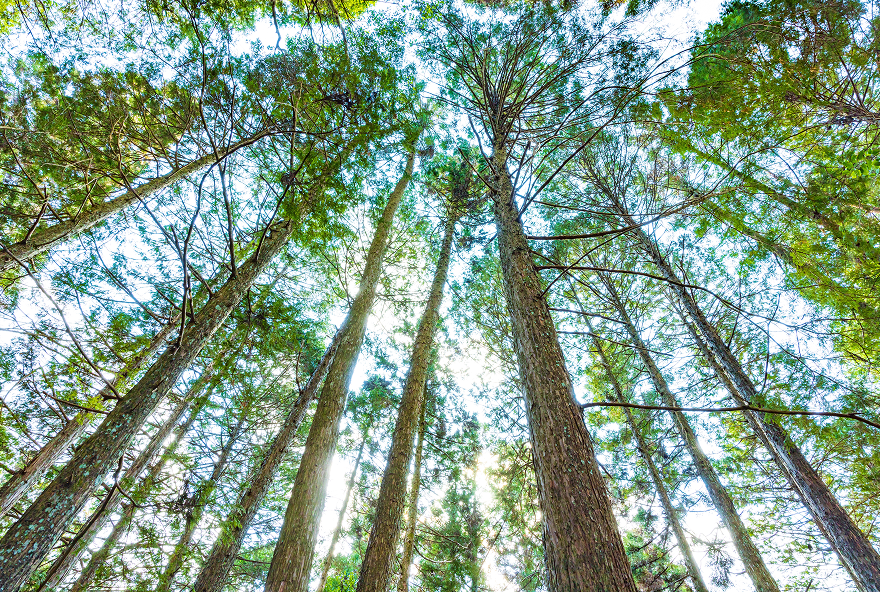
In Japan, seasonal allergic rhinitis (commonly known as hay fever) is primarily triggered by the following trees:
-
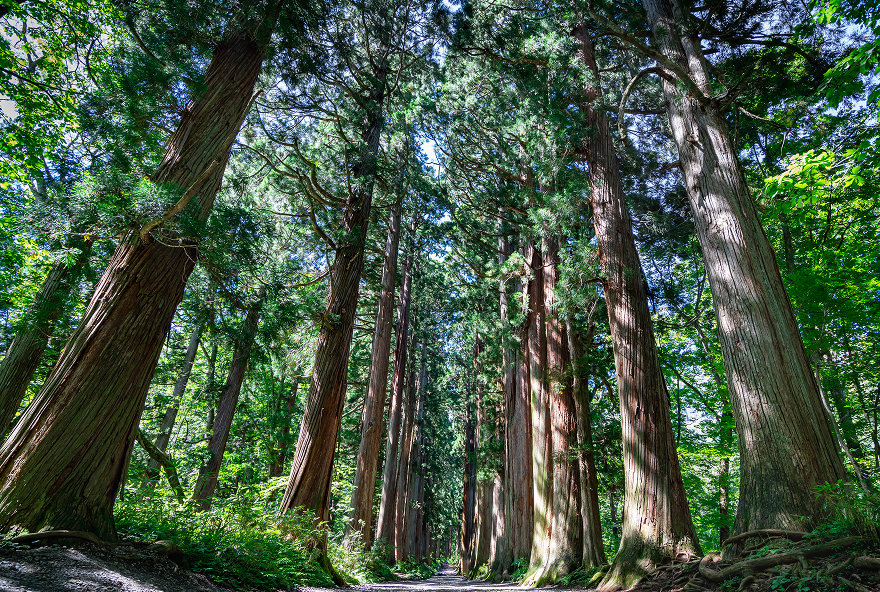
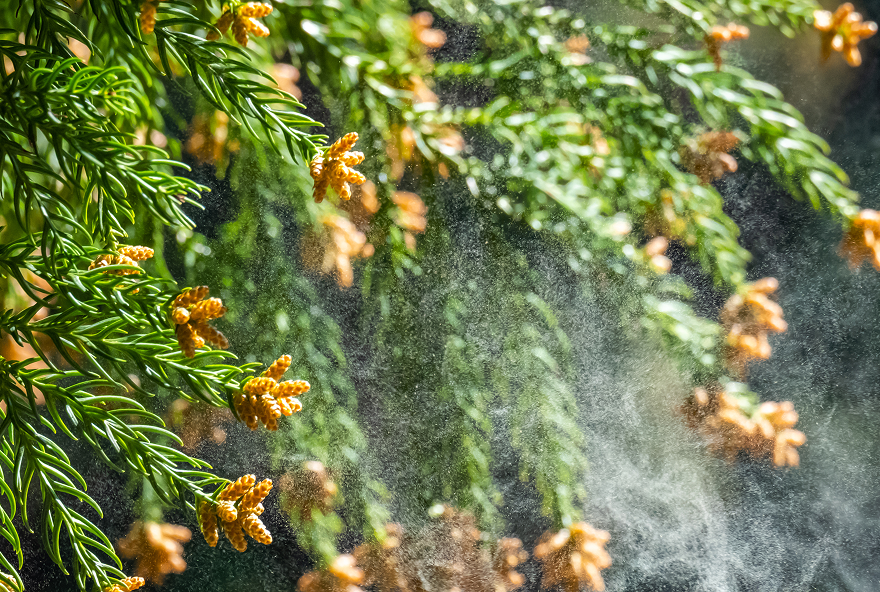
Japanese Cedar (Sugi)
Peak season: February to March
Approximately 40% of the Japanese population is estimated to be affected by cedar pollen allergies.
-
Japanese Cypress (Hinoki)
Peak season: Late March to April
Cypress pollen dispersal typically follows the cedar season and can prolong symptoms into early spring.
Symptom Checklist: Cold vs. Pollen Allergy
Before visiting a medical facility, you may wish to review the following symptom differences:
-
Eye Symptoms
Severe itchiness is a hallmark symptom of pollen allergy and is uncommon with a typical cold. This may be the biggest tell-tale sign that it is an allergy rather than a cold.
-
Nasal Discharge
Allergy-related nasal discharge is usually clear and watery. In contrast, a cold often produces thicker, yellowish mucus.
-
Sneezing
Frequent or uncontrollable sneezing is common with pollen allergies.
-
Fever and Fatigue
Pollen allergies rarely cause a high fever. However, general fatigue or a feeling of heaviness may occur.
If these symptoms apply to you, seasonal pollen allergy is a likely cause. However, self-diagnosis is not recommended. Please consult a licensed medical professional for an accurate diagnosis and appropriate treatment.
Pollen Allergy Relief Essentials Available at Japanese Drugstores
Japanese drugstores are widely recognized for offering some of the most advanced and diverse seasonal allergy products available. Even if you are unable to read Japanese packaging fluently, looking for specific keywords can help you identify suitable products.
1. Protective Face Masks
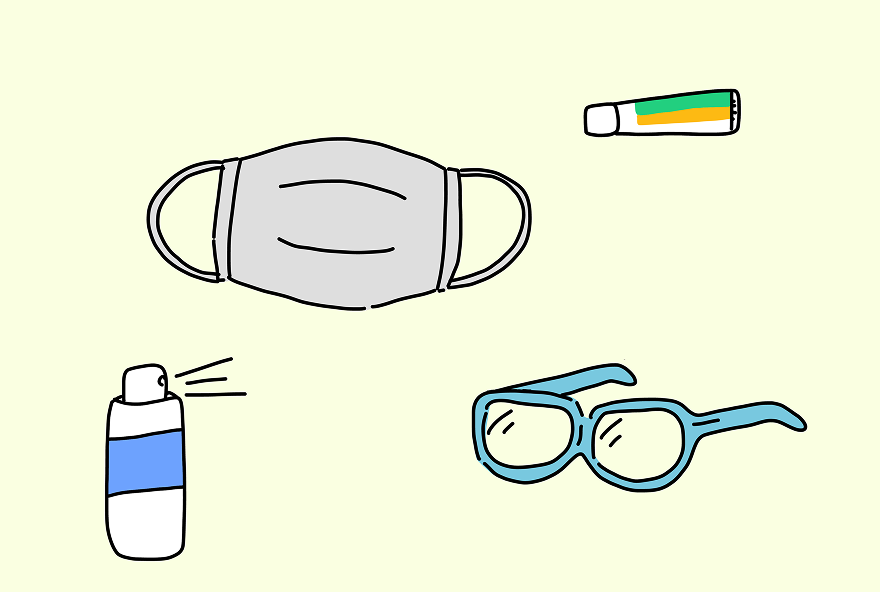
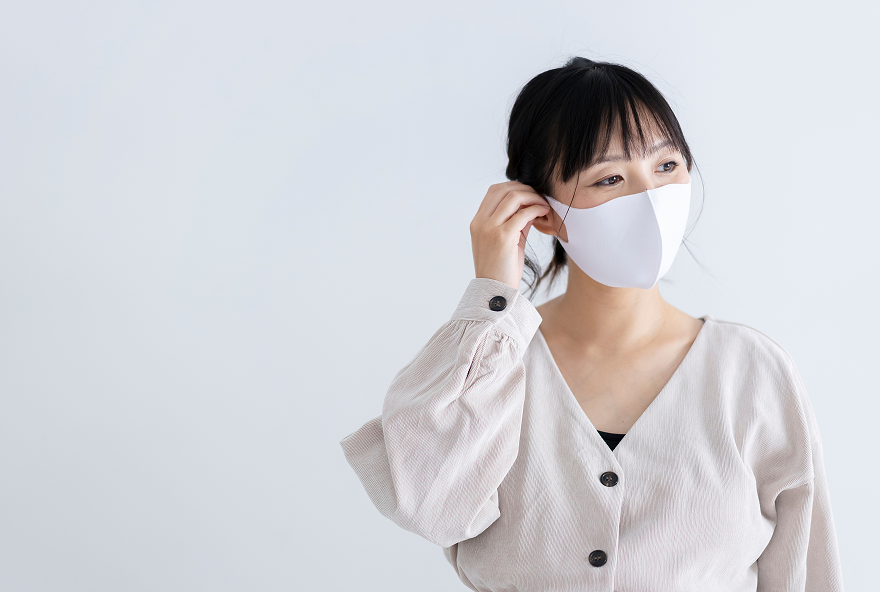
Not all masks provide adequate protection against pollen. When selecting a mask, look for packaging labeled with terms such as “花粉ガード” (pollen guard) or “3D”, which indicates a design that contours closely to the face. A secure fit is essential. Minimizing gaps between the mask and your skin significantly improves protection by preventing airborne pollen from entering.
2. Eye Drops (Important Purchase Considerations)
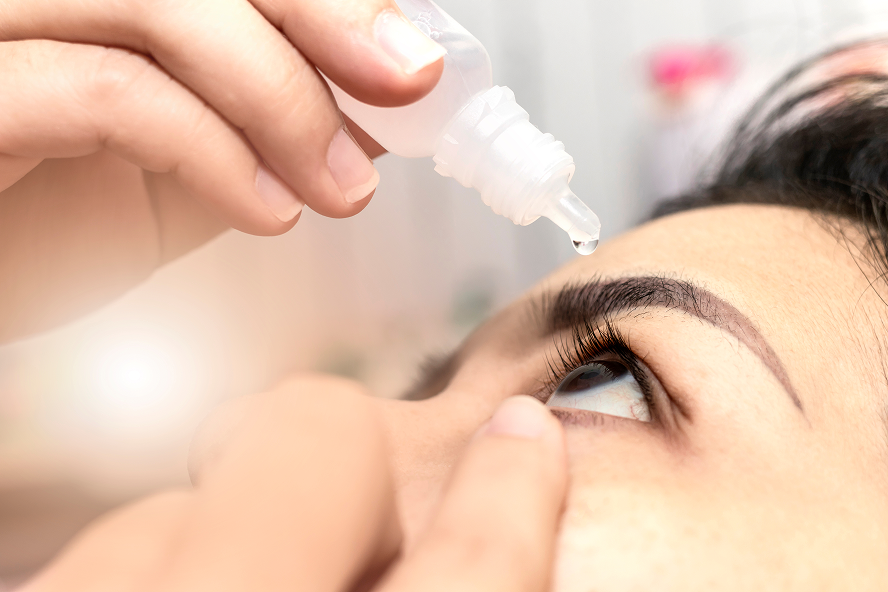
This category can be particularly challenging for those unfamiliar with Japanese products. Many Japanese eye drops indicate a “cooling level” on the packaging, typically shown as a number between 0 and 8. The higher the number, the stronger the menthol-like cooling sensation. For individuals who are not accustomed to these formulations, products rated 5 or higher may cause intense discomfort.Rather than selecting a product based solely on the numerical rating, it is strongly recommended to consult the on-site pharmacist. Japanese drugstores are required to have a licensed pharmacist available for consultation, and they can recommend a suitable option based on your symptoms.
-
Recommended packaging terms to look for:
“マイルド” (mild)、“しみない” (non-stinging)
-
Helpful keyword:
“AG” (short for “Antigen”), indicating that the product is specifically formulated for allergies.
3. Anti-Pollen Barrier Sprays
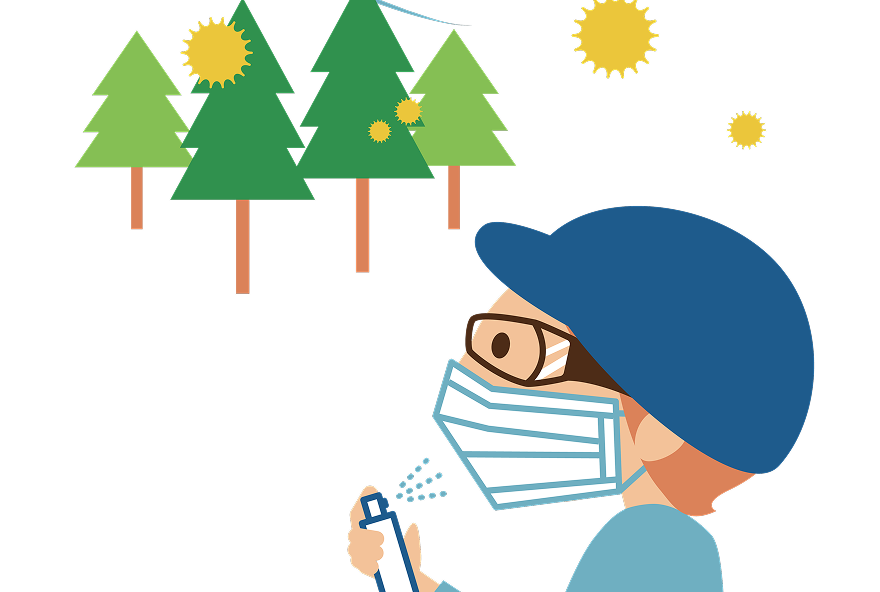
Anti-pollen sprays are applied to the face and hair before going outdoors. These products help reduce static electricity and create a barrier that minimizes pollen adhesion.They are particularly popular among individuals who find wearing masks uncomfortable or impractical for extended periods.
When to Visit a Medical Facility
If over-the-counter medications do not sufficiently relieve your symptoms, it is advisable to consult a medical professional.

-
Recommended Department
Otolaryngology (ENT – Ear, Nose, and Throat Clinic). ENT clinics in Japan are well-equipped to diagnose and treat seasonal allergic rhinitis (hay fever). Prescription medications are often more effective than non-prescription options and can be tailored to your specific symptoms.
-
Useful Japanese Phrases for Your Visit
If you are not confident in Japanese, the following phrases may be helpful:
- 「花粉症の薬をください。」
“I would like medication for hay fever.” - 「眠くならない薬がいいです。」
“I would prefer medication that does not cause drowsiness.”
Some allergy medications may cause drowsiness. If you drive, operate machinery, or need to remain alert for work, it is important to inform the physician so they can prescribe an appropriate alternative.
Three Practical Preventive Measures You Can Implement Immediately
In addition to medication, daily habits play a significant role in reducing pollen exposure. The following measures can help minimize symptoms:
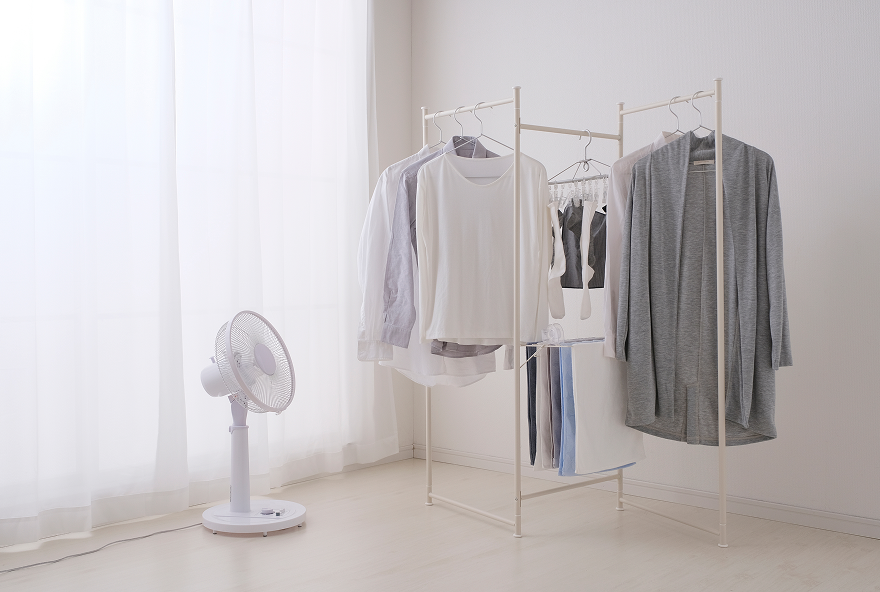
1. Dry Laundry Indoors
Hanging laundry outside during pollen season allows pollen to adhere to clothing and fabrics. Whenever possible, use a dryer or dry clothes indoors to reduce exposure.
2. Remove Pollen at the Entrance
Before entering your home, gently brush pollen off your coat, clothing, and hair. Taking a moment to remove surface pollen can significantly reduce the amount brought indoors.
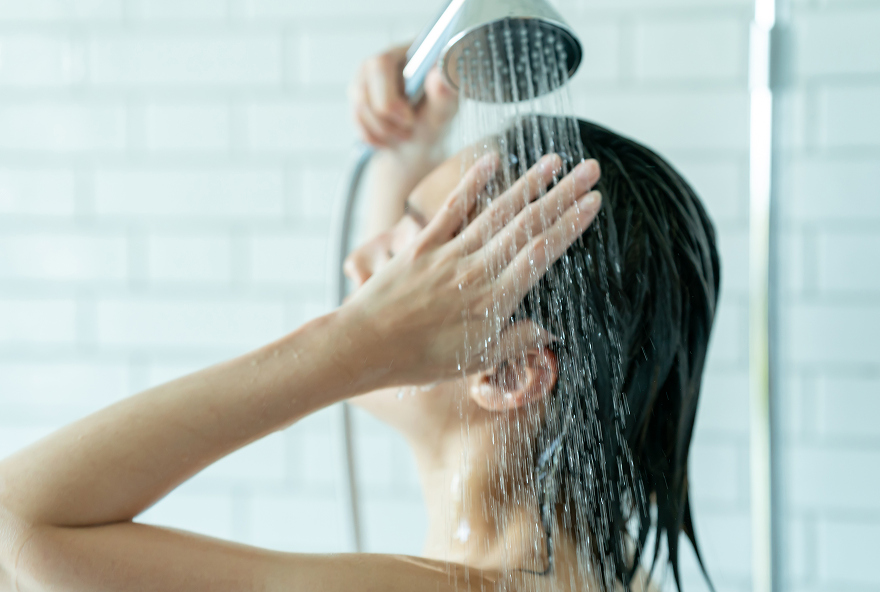
3. Shower Promptly After Returning Home
Showering soon after returning home helps wash away pollen that has accumulated on your skin and hair. This not only reduces ongoing exposure but also allows you to relax more comfortably in a clean environment.
In Conclusion
Although seasonal pollen allergies can be challenging, symptoms can be effectively managed with appropriate preventive measures, properly fitted masks, and suitable medication. With the right preparation, you can minimize discomfort and fully enjoy Japan’s beautiful spring season and its iconic cherry blossoms.