Enjoy Japanese summer to the fullest! Things you should know about enjoying swimming in the sea.
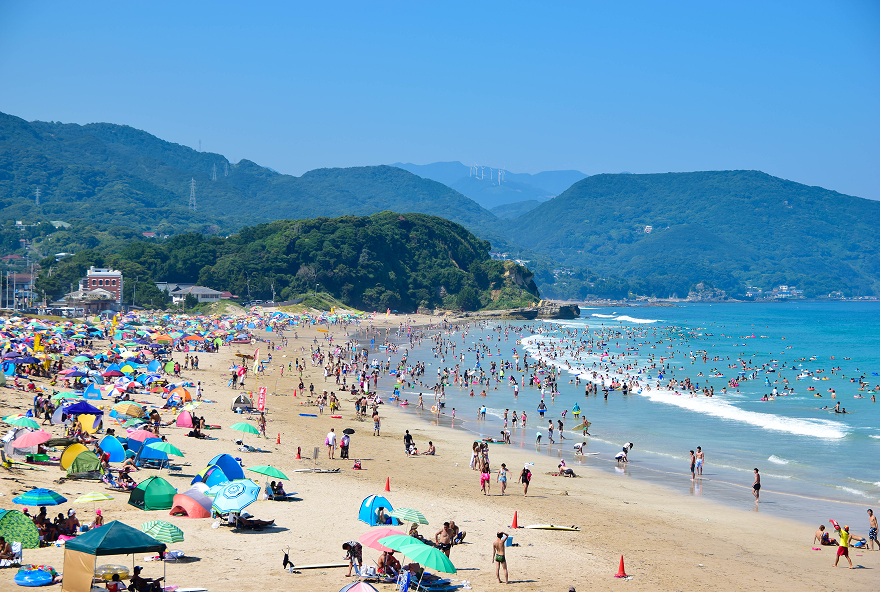
Summer is finally here! If you want to fully enjoy a Japanese summer, you can't miss out on swimming in the sea. Japan boasts many beautiful beaches, but they actually have their own unique culture and rules that differ somewhat from those of beaches overseas.
This time, we'll provide a clear and easy-to-understand guide, from safety rules to prevent accidents, to beach-specific systems, so that even those visiting the beach for the first time in Japan can enjoy themselves with peace of mind.
[First of all]
If you are unsure about local rules, sea conditions, or how to use the facilities, do not make decisions on your own. Do not hesitate to ask a lifeguard or beachside staff for assistance.
1. [Danger] Do not leave the swimming area.
The most important rule at Japanese beaches is "area designation" for safety reasons. On managed beaches, swimming areas are clearly demarcated with ropes or buoys.

-
Swimming outside the designated area is prohibited.
Swimming beyond the buoys into the open sea or swimming outside the designated area is strictly prohibited. Areas outside the designated zone are often reserved for water sports such as jet skiing and surfing, and there is a risk of collisions. Furthermore, the risk of being swept away by a rip current (a strong ebb tide) also increases significantly.
-
Check the color of the flag.
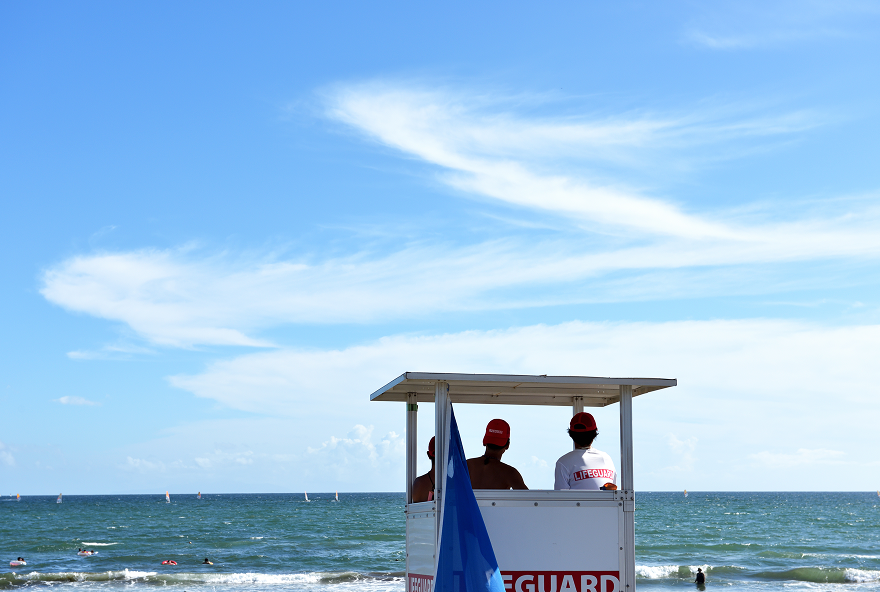
The color of the flag on the lifeguard's observation stand indicates the conditions of the sea that day. Blue and green indicate swimming is permitted, yellow indicates swimming with caution, and red indicates swimming is prohibited. Always check the flag color before entering the water and follow the instructions of the lifeguards.
2. Let's make use of "beach huts," a symbol of Japanese beaches.
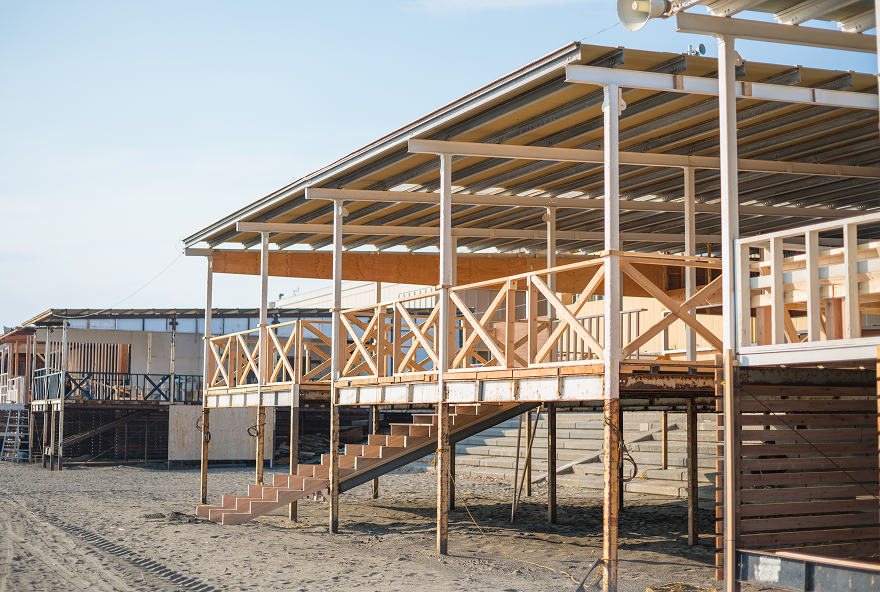
Many beaches in Japan are lined with temporary wooden buildings called "beach huts" that are only available during the summer months. This is not just a restaurant; it's a comprehensive facility designed for a comfortable experience by the sea.
-
What can you do?
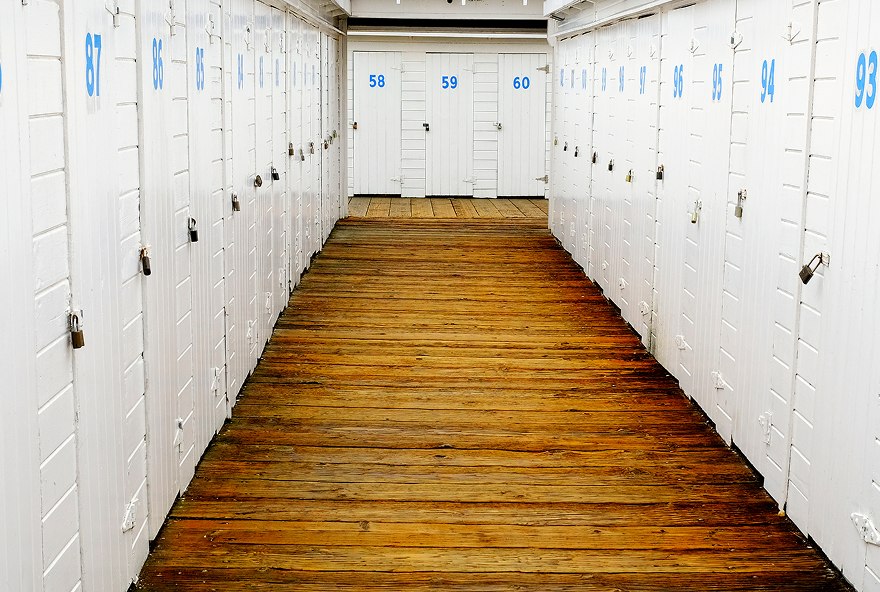
In addition to enjoying classic Japanese local foods such as yakisoba, ramen, and shaved ice, you can also use lockers, hot showers, and rest areas (mats and parasols) for a fee (typically around 1,500 to 2,000 yen).
-
point
For those who are worried about the security of their valuables, or who want to change clothes and take a shower comfortably, beach huts are extremely convenient. Since many places still only accept cash, it's a good idea to bring a few thousand-yen bills and some coins.
3. Rules about tattoos
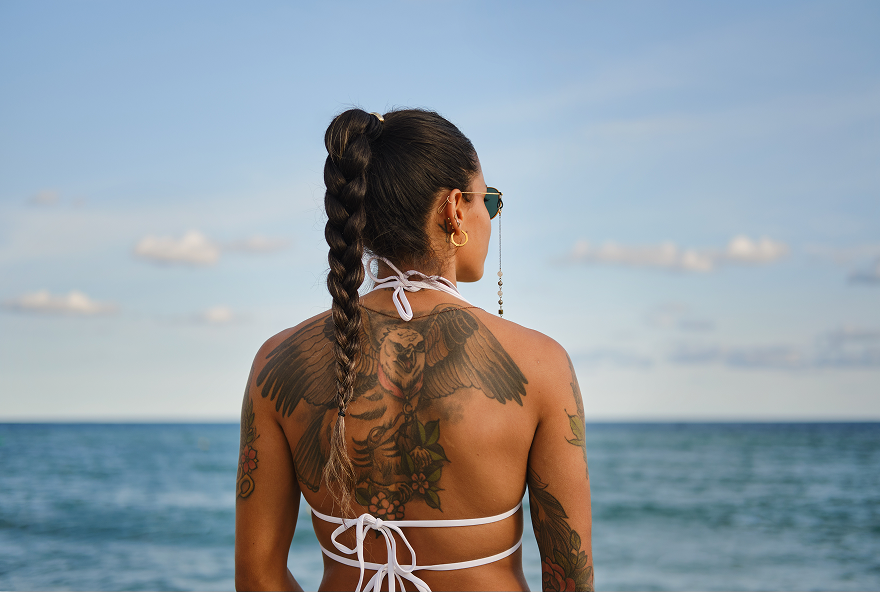
When swimming in the sea in Japan, one thing you need to be aware of is the rules regarding tattoos. Due to historical reasons, many beaches in Japan have strict rules regarding tattoos.
-
rule
Many popular beaches (especially in the Shonan area of the Kanto region) may prohibit entry to the beach with exposed tattoos.
-
countermeasure
People with tattoos should wear a rash guard. Rash GuardLong-sleeved garment called )UVTry to completely conceal it with a cut-and-sew shirt or by using tape. Rash guards are a common item on Japanese beaches, used for sun protection and jellyfish repellent, so wearing one is not at all unusual.
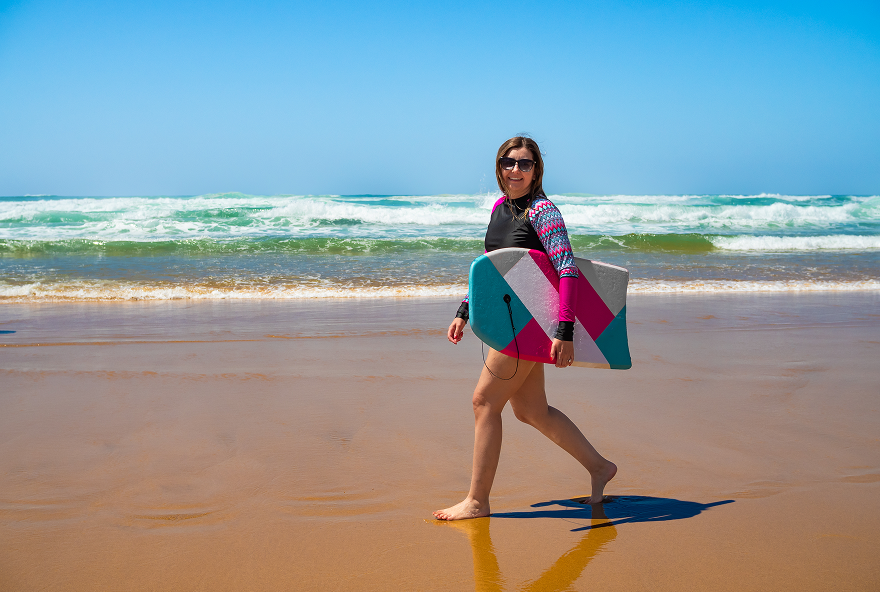
4. Pop-up tent culture and sun protection
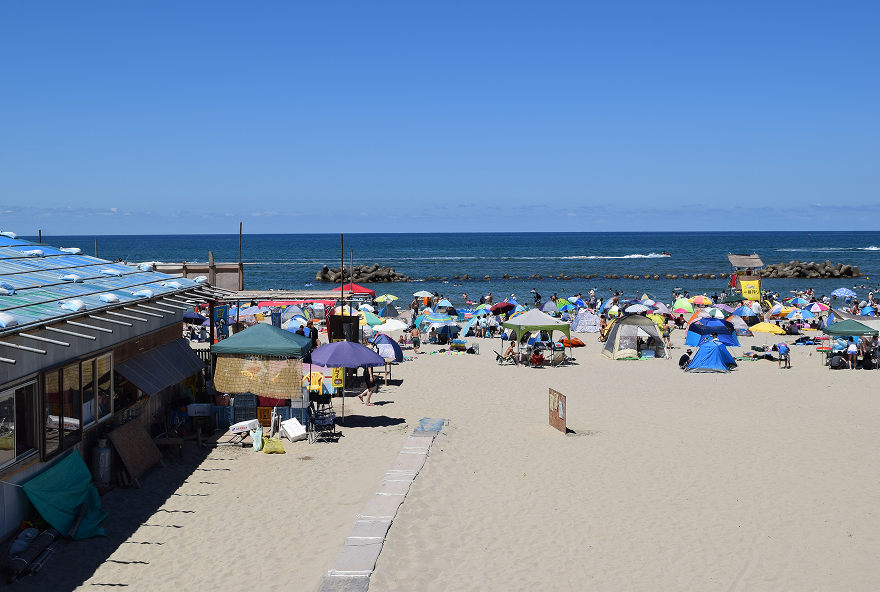
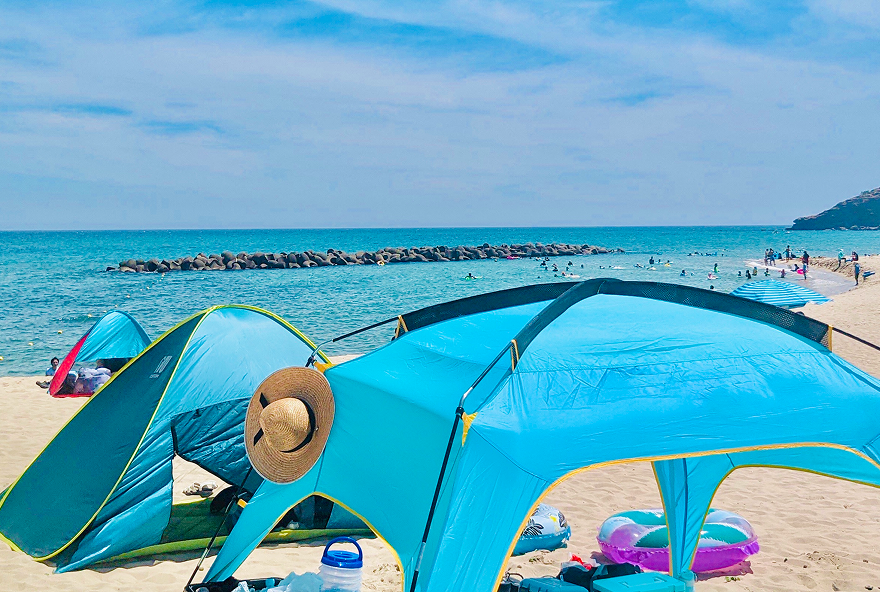
If you look out over a Japanese beach, you might be surprised to see it packed with colorful little tents. This is a "pop-up tent," a simple tent that opens in seconds.
-
Why is it popular?
Japanese summers are characterized by strong sunlight and high humidity, making it essential to secure shade. They are more wind-resistant than parasols and offer a private space for changing clothes or taking a nap, making them very popular with families and couples.
-
Points to note
Some beaches have designated areas for setting up tents, or prohibit large tents altogether. Please follow the instructions on the signs.
5. Ensuring that people take their trash home with them.
As is a fundamental aspect of life in Japan, the rules regarding trash disposal are strict, even on beaches.
-
rule
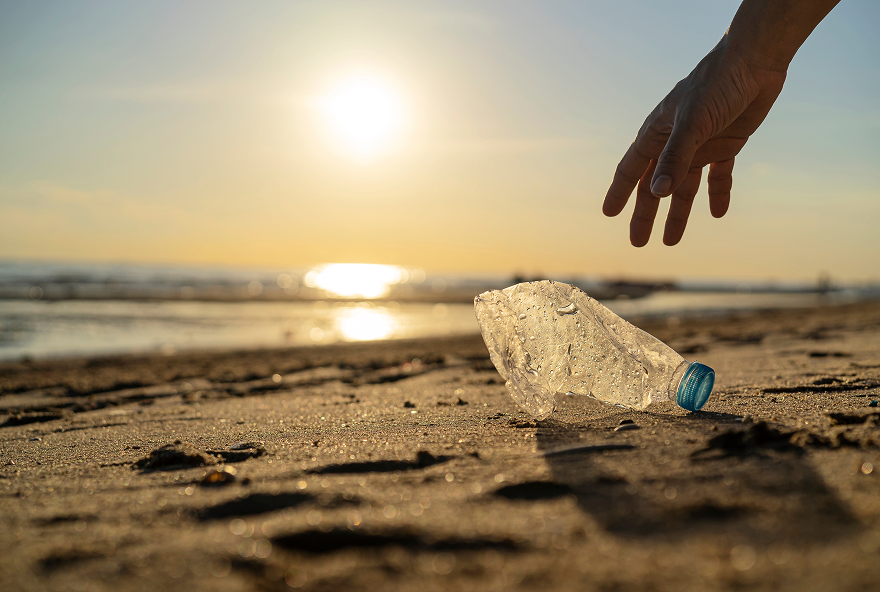
It's rare to find large trash cans at beaches. The basic etiquette for personal waste (plastic bottles, food packaging, etc.) is to "take it all home and dispose of it according to your local government's rules."
-
preparation
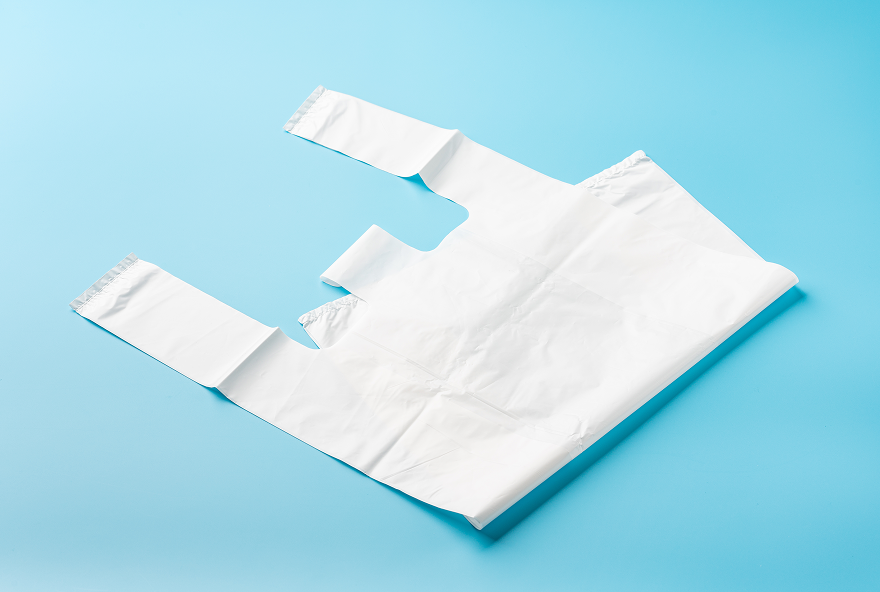
When going to the beach, it's very useful to bring a few plastic bags for trash in addition to a bag for wet swimsuits.
summary
Japanese beaches are very safe and enjoyable if you use them within the designated areas and follow the rules.
Make sure to check the safety rules to protect your life, and create wonderful summer memories in Japan's beautiful ocean!